
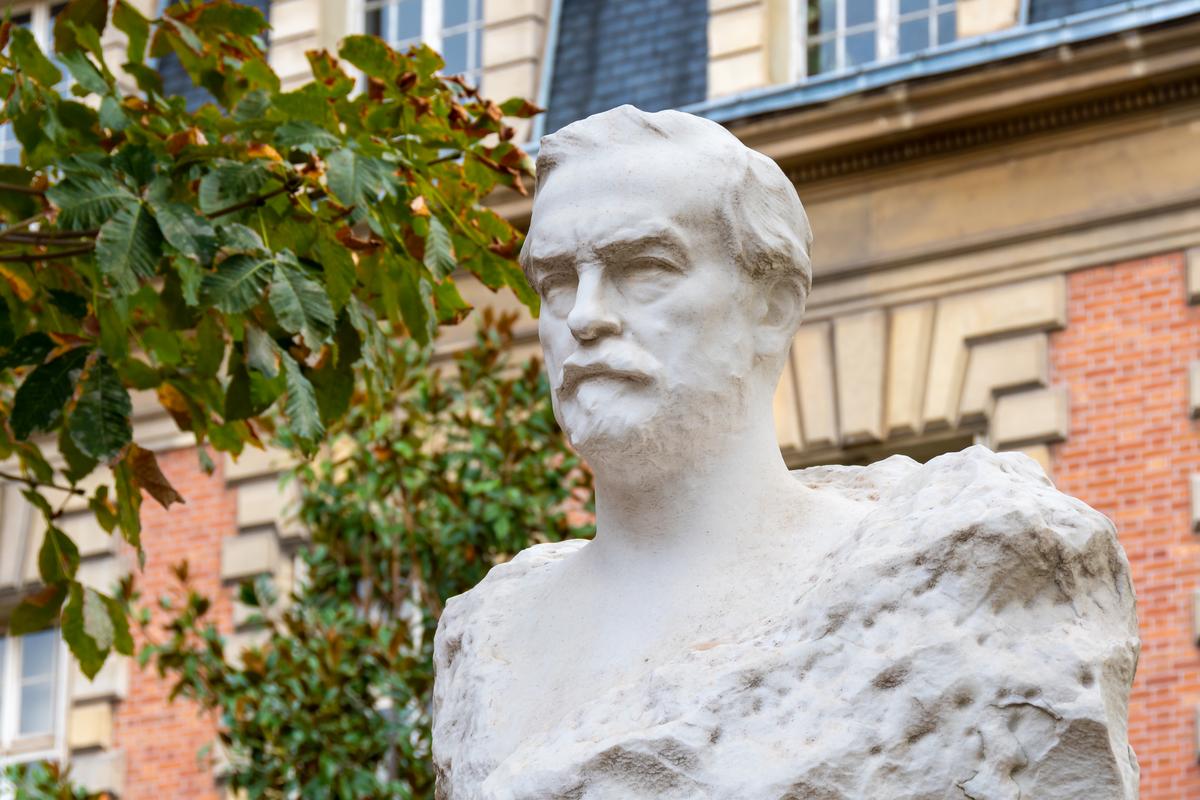
Description
The Musée Pasteur: A Tribute to the Life and Work of Louis Pasteur Located in the 15th arrondissement of Paris, the Musée Pasteur is a biographical museum that commemorates the life and work of the renowned scientist and chemist Louis Pasteur. Founded in 1897 by the French government, the museum is housed in the former home of Pasteur and his family. The museum is a unique blend of art, artifacts, and science, and is home to the largest collection of Pasteur’s scientific writings, personal possessions, and historical documents in the world. Visitors can explore the original and only surviving laboratory of Pasteur, which has been preserved exactly as it was when he conducted his groundbreaking experiments. One of the museum’s standout features is its incredible collection of documents related to Pasteur’s life and work. From letters and photographs to scientific notes and manuscripts, the museum offers a fascinating glimpse into the mind of one of the greatest scientists of all time. But the Musée Pasteur is more than just a collection of artifacts and documents. It is a tribute to the life and work of a man who revolutionized the fields of microbiology and immunology, and whose discoveries have saved countless lives. Whether you are a science enthusiast or simply interested in learning more about one of the most important figures in modern history, the Musée Pasteur is a must-visit attraction in Paris. So why not step back in time and explore the world of Louis Pasteur for yourself?
Principales caractéristiques
- The Musée Pasteur houses the largest collection of Louis Pasteur's scientific writings, personal possessions, and historical documents in the world.
- Visitors can explore the original and only surviving laboratory of Pasteur, preserved exactly as it was during his groundbreaking experiments.
- The museum features an incredible collection of documents related to Pasteur's life and work, offering a fascinating glimpse into the mind of one of the greatest scientists of all time.
Horaires et admissions
- Horaires d'ouvertures: The museum is open from 10:00 AM to 6:00 PM from Tuesday to Sunday. It is closed on Mondays and certain holidays.
- Frais d'admission: General admission is €10, with reduced rates for students and seniors. Admission is free for children under 12. Additionally, the museum offers free admission on the first Sunday of each month.
Accessibilité et commodités
- The Musée Pasteur is accessible to visitors with disabilities, featuring ramps and elevators for easy navigation.
- Amenities include restrooms, a gift shop, and audio guides available in multiple languages to enhance the visitor experience.
Planifier votre visite
- The best times to visit are during the early morning or late afternoon to avoid peak visitor traffic.
- On average, visitors spend about 2-3 hours exploring the museum. A recommended itinerary includes visiting Pasteur's preserved laboratory, exploring the collection of scientific writings and personal possessions, and learning about his groundbreaking discoveries.
What makes Musée Pasteur notable
Musée Pasteur is a biographical museum devoted to Louis Pasteur, presented in the apartment where he spent the final seven years of his life. Rather than treating his story as an abstract account of scientific history, the museum brings visitors into the domestic and working environment created for him at the heart of the newly opened Institut Pasteur in 1888.
The setting is central to the visit. The apartment retains period furniture, personal objects and scientific instruments, giving the collection an unusually direct connection to Pasteur’s everyday life, convictions and work. Classified as a historic monument and carrying the Maison des Illustres label, it is a focused Paris visit for anyone who wants to understand a major scientific figure through the rooms and objects associated with him.
Location and neighbourhood context
The museum is in Paris’s 15th arrondissement, on the Left Bank. This is a more residential and institutional part of the city than the heavily visited museum districts around the Louvre or Saint-Germain-des-Prés, so it suits travellers who enjoy placing cultural stops within an ordinary Paris neighbourhood rather than building a day around headline monuments alone.
Allow time to approach the visit at an unhurried pace. The 15th is broad and varied, with its own local rhythm, and the museum’s Institut Pasteur context is part of its meaning: this is not a gallery detached from its subject, but a historic apartment within the institution connected to Pasteur’s legacy. It works well as a deliberately chosen stop on a Left Bank itinerary, rather than a quick detour between distant sights.
Visitor highlights
- Pasteur’s former apartment: see the environment in which he lived during his last seven years.
- Objects with direct context: period furnishings, personal possessions and scientific instruments make the visit more intimate than a conventional overview exhibition.
- A historic setting: the building’s historic-monument status adds architectural and cultural weight to the experience.
- Best for curious visitors: it particularly suits science-minded travellers, history readers, students and visitors seeking a smaller, more concentrated museum.
- A useful contrast: choose it when you prefer biography, ideas and place over a large collection designed for rapid browsing.
Practical planning tips
Check the Institut Pasteur’s official museum page before setting out, especially for current access arrangements. The museum page notes restoration and redevelopment work, so visiting conditions can change. Confirm opening arrangements, admission procedures and any booking requirements directly with the museum rather than relying on older guides.
Plan this as a concentrated visit and leave room afterwards to reflect on the material rather than overloading the same day with several major museums. A quieter part of the day is a sensible choice for reading displays and taking in the domestic details. If your interest is chiefly scientific, review the museum’s current presentation online in advance so you can focus on the aspects of Pasteur’s life and legacy that matter most to you.
Frequently asked questions
What is Musée Pasteur about?
It explores Louis Pasteur’s life and legacy through the apartment where he lived during his final seven years, with period furnishings, personal objects and scientific instruments.
Where is Musée Pasteur in Paris?
The museum is in the 15th arrondissement, within the Institut Pasteur setting on Paris’s Left Bank.
Should I check access before visiting?
Yes. The official museum information refers to restoration and redevelopment work, so check the current arrangements on the Institut Pasteur website before you go.