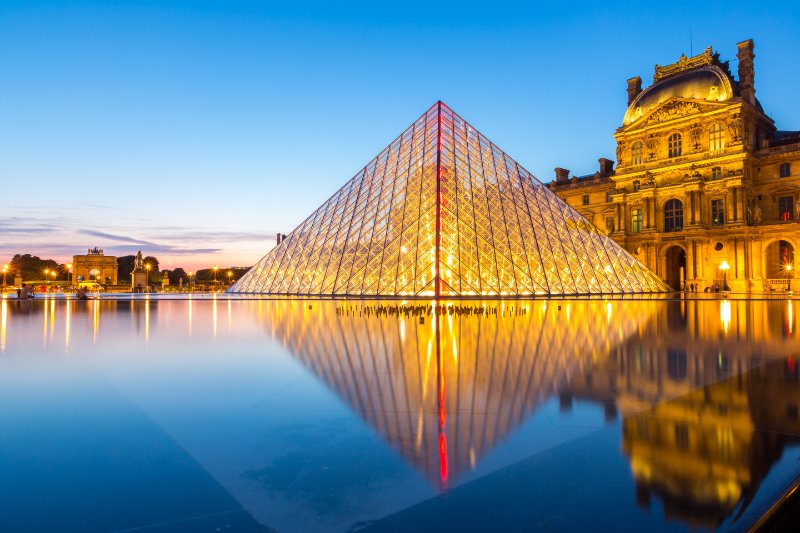
Paris is the cultural capital of the world, housing over 130 museums that span ancient civilizations, classical sculpture, revolutionary history, Impressionist masterpieces, and contemporary installations. Whether you are marvelling at the Mona Lisa in the monumental galleries of the Louvre, contemplating Monet’s Nénuphars at the Orangerie, or strolling through the sculpture gardens of the Musée Rodin, visiting Paris museums is an essential rite of passage for every traveller.
With major changes in 2026—including mandatory online timed-entry slots at top institutions and the multi-year renovation of the Centre Pompidou—navigating Paris’s museum landscape requires practical, up-to-date planning. Below is our definitive, verified guide to the 13 best museums in Paris, including current admission prices, closed days, pass eligibility, and curated highlights.
Quick Comparison: Top Paris Museums, Prices & Schedules
Musée | Main Focus / Highlights | Arrondissement | Admission (2026) | Closed Day | Museum Pass? |
|---|---|---|---|---|---|
Musée du Louvre | Antiquities to 1848; Mona Lisa, Vénus de Milo | 1er | €22.00 – €32.00 | les mardis | Yes (Timed req.) |
Musée d'Orsay | Impressionism (1848–1914); Monet, Van Gogh, Renoir | 7ème | €16.00 | Mondays | Yes (Timed rec.) |
Musée de l'Orangerie | Monet’s Nénuphars (Nymphéas) oval rooms | 1st (Tuileries) | €12.50 | les mardis | Yes (Timed req.) |
Musée Rodin | Auguste Rodin sculptures & Rose Garden | 7ème | €14.00 | Mondays | Oui |
Musée Carnavalet | History of Paris & French Revolution | 3rd (Marais) | Free (Permanent) | Mondays | N/A (Free) |
Centre Pompidou | Modern & Contemporary Art (Off-site projects) | 4th (Beaubourg) | Renovation / Off-site | N / A | Varie |
Musée Picasso-Paris | Pablo Picasso masterworks in Hôtel Salé | 3rd (Marais) | €16.00 | Mondays | Oui |
Musée de Cluny | Middle Ages & Lady and the Unicorn tapestries | 5th (Latin Quarter) | €12.00 | Mondays | Oui |
Musée Marmottan-Monet | Largest Monet collection; Impression, Sunrise | 16ème | €14.50 | Mondays | Non |
Musée Jacquemart-André | Italian Renaissance & 18th-century mansion | 8th | €18.00 | Open Daily | Non |
Petit Palais | City of Paris Fine Arts & Courtyard Garden | 8th | Free (Permanent) | Mondays | N/A (Free) |
Musée Delacroix | Eugène Delacroix’s studio & garden | 6th (Saint-Germain) | €9.00 (or Louvre pass) | les mardis | Oui |
Musée du Quai Branly | Indigenous Arts of Africa, Asia, Oceania, Americas | 7ème | €14.00 | Mondays | Oui |
1. Musée du Louvre
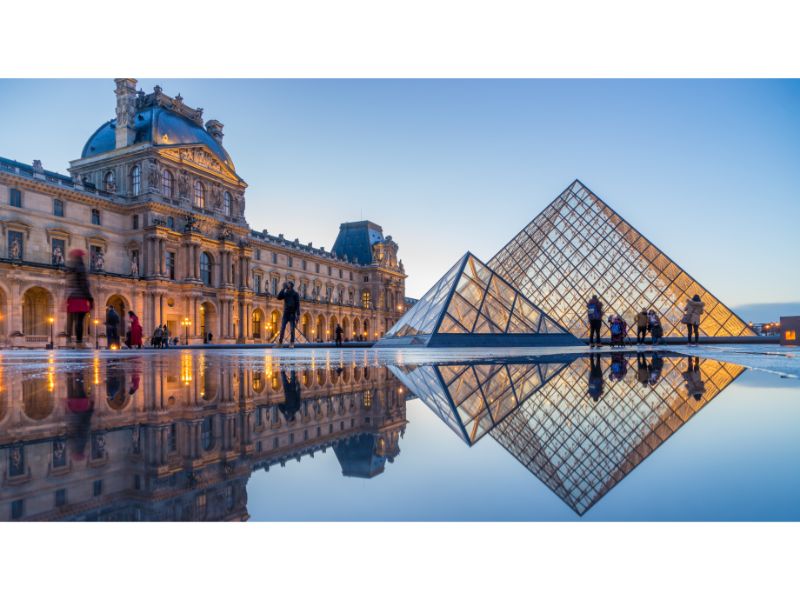
Originally constructed in the late 12th century as a medieval fortress under King Philippe Auguste and transformed across centuries into a royal residence, the Musée du Louvre opened as a public museum in 1793 during the French Revolution. Today, it is the largest and most visited museum in the world, holding over 35,000 artworks and antiquities across 73,000 square metres of exhibition space.
The collection spans human civilisations from antiquity up to 1848 across eight curatorial departments. Masterpieces you cannot miss include Leonardo da Vinci’s Mona Lisa (La Joconde), the Hellenistic marble Victoire ailée de Samothrace (Victoire de Samothrace), the ancient Greek Vénus de Milo, Eugène Delacroix’s Liberty Leading the People, and Théodore Géricault’s dramatic The Raft of the Medusa.
- Admission: €22.00 standard online timed ticket (€32.00 non-EEA peak pricing); free for EU residents under 26 and all youth under 18; included in the Paris Museum Pass.
- Closed Day: Tuesdays (Open Wednesdays through Mondays, 9:00 AM to 6:00 PM; late-night opening until 9:00 PM on Fridays).
- Essential Tip: Online timed reservations are strictly mandatory for all visitors, including Paris Museum Pass holders. Enter via the Carrousel du Louvre underground mall or Passage Richelieu entrance to avoid long outdoor pyramid queues.
2. Musée d’Orsay
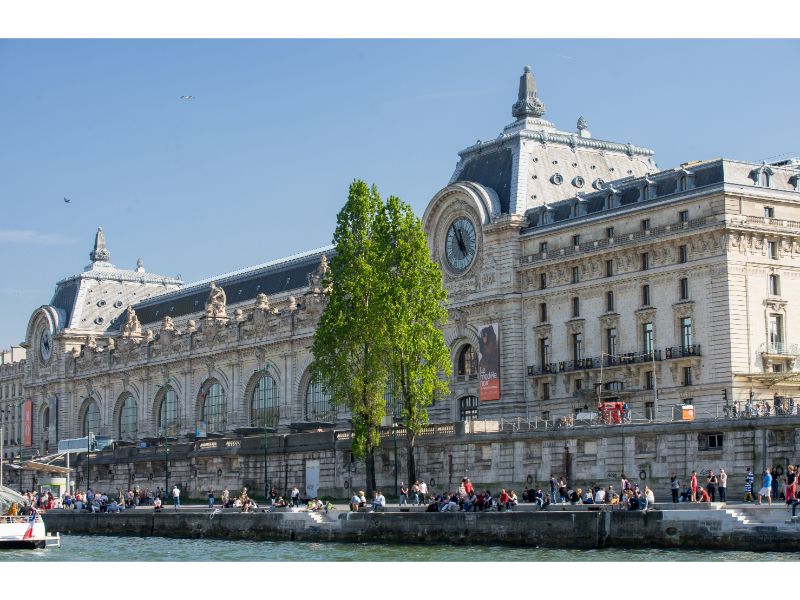
Housed in the magnificent Beaux-Arts railway station built for the 1900 Paris Exposition Universelle (Gare d’Orsay), the Musée d’Orsay bridges the artistic gap between the classical collections of the Louvre and modern art. It holds the largest collection of Impressionist and Post-Impressionist masterworks on Earth, covering the period from 1848 to 1914.
Ascend to the 5th floor Impressionist gallery to admire Claude Monet’s Blue Water Lilies et Gare Saint-Lazare, Édouard Manet’s groundbreaking Le Déjeuner sur l’herbe et Olympia, Pierre-Auguste Renoir’s Bal du moulin de la Galette, Edgar Degas’s bronze ballerina sculptures, Paul Cézanne’s still lifes, and Vincent van Gogh’s Starry Night Over the Rhône and self-portraits. Don’t forget to look out through the giant glass station clock for panoramic views of Montmartre and the Seine.
- Admission: €16.00 standard online ticket (€12.00 Thursday late-night entry after 6:00 PM); included in the Paris Museum Pass.
- Closed Day: Mondays (Open Tuesdays through Sundays, 9:30 AM to 6:00 PM; Thursdays until 9:45 PM).
- Métro: Solférino (Line 12) or Musée d’Orsay (RER C).
3. Musée de l’Orangerie
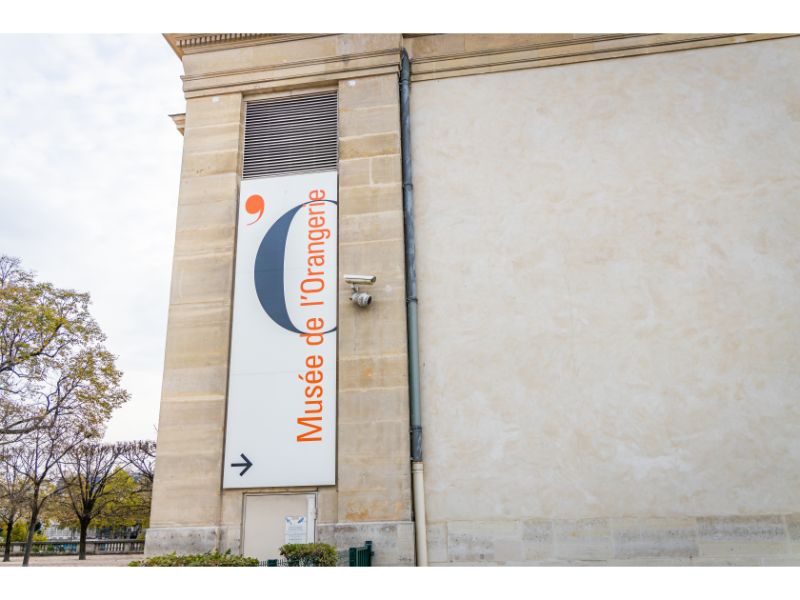
Originally constructed in 1852 to shelter the orange trees of the Tuileries Palace during winter, the Musée de l’Orangerie was converted in the 1920s into a dedicated sanctuary for Claude Monet’s monumental Nénuphars (Les Nymphéas). Donated to the French state by Monet following the Armistice of 1918 as a symbol of peace, the eight eight-foot-tall curved murals are displayed across two purpose-built, skylit oval rooms oriented east to west following the path of the sun.
On the lower level, explore the prestigious Jean Walter and Paul Guillaume Collection, featuring extraordinary modern canvases by Paul Cézanne, Henri Matisse, Amedeo Modigliani, Pablo Picasso, Henri Rousseau, and Chaïm Soutine. Its intimate scale makes it one of the most serene museum experiences in Paris.
- Admission: €12.50; included in the Paris Museum Pass.
- Closed Day: Tuesdays (Open Wednesdays through Mondays, 9:00 AM to 6:00 PM).
- Emplacement: Jardin des Tuileries (Place de la Concorde side), 1st Arrondissement.
4. Musée Rodin
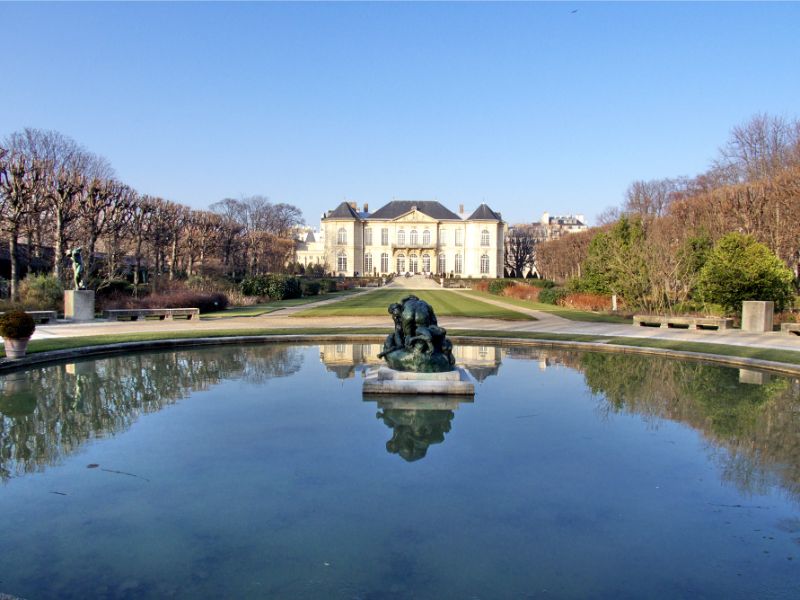
Dedicated to the pioneer of modern sculpture Auguste Rodin, the Musée Rodin is located in the 18th-century Hôtel Biron in the 7th arrondissement, where Rodin lived and worked as a tenant in his final years alongside Jean Cocteau and Henri Matisse. Before his death in 1917, Rodin bequeathed his entire personal collection and estate to the French state on the condition that the mansion be turned into his dedicated museum.
Inside the mansion, marvel at delicate marble and bronze masterworks including The Kiss (Le Baiser) and sculptures by Rodin’s brilliant collaborator and muse, Camille Claudel. Outside in the seven-acre landscaped rose garden, discover monumental bronzes set among flower beds and trimmed hedges, including The Thinker (Le Penseur), The Burghers of Calais, and the towering Gates of Hell.
- Admission: €14.00 (mansion + gardens); garden-only tickets available for €5.00; included in the Paris Museum Pass.
- Closed Day: Mondays (Open Tuesdays through Sundays, 10:00 AM to 6:30 PM).
- Métro: Varenne (Line 13).
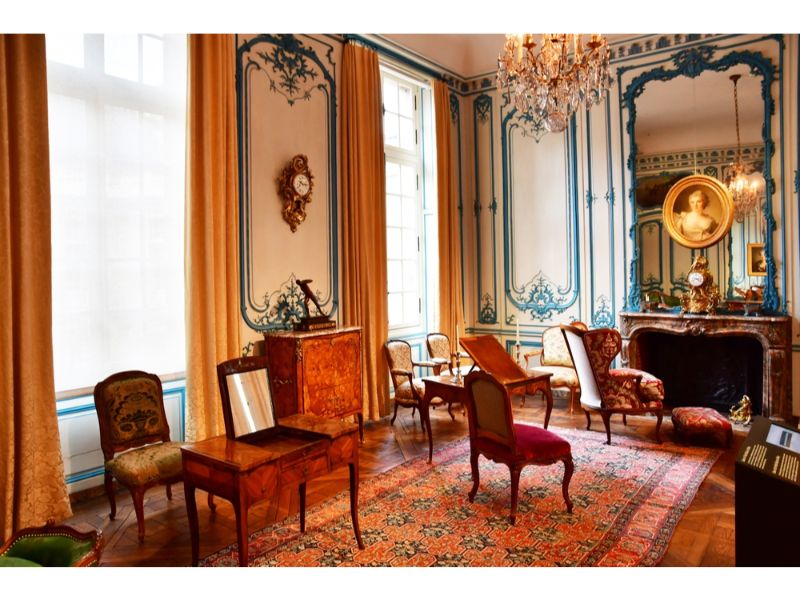
Following a meticulous five-year renovation, Musée Carnavalet is Paris’s oldest municipal museum, housed across two adjoining Marais mansions: the 16th-century Hôtel Carnavalet (once the residence of letter-writer Madame de Sévigné) and the 17th-century Hôtel Le Peletier de Saint-Fargeau. It tells the sweeping chronicle of Paris from prehistoric Mesolithic dugouts discovered along the Seine to the Roman city of Lutetia, the French Revolution, the Belle Époque, and the 21st century.
Highlights include King Louis XVI’s personal items from his imprisonment in the Temple Tower, Maximilien Robespierre’s bloodstained desk, Marcel Proust’s cork-lined bedroom recreation, and historic wrought-iron shop signs from the 17th and 18th centuries.
- Admission: Free admission for all visitors to the permanent collection; paid tickets required for temporary exhibitions (€11.00 – €13.00).
- Closed Day: Mondays (Open Tuesdays through Sundays, 10:00 AM to 6:00 PM).
- Emplacement: 23 Rue de Sévigné, 3rd Arrondissement (Metro Saint-Paul or Chemin Vert).
6. Centre Pompidou & Modern Art
Designed by Renzo Piano and Richard Rogers and inaugurated in 1977, the Centre Pompidou transformed Paris’s Beaubourg district with its radical high-tech inside-out architecture, featuring exterior color-coded pipes (blue for air, green for water, yellow for electricity, red for elevators) and structural steel trusses.
Visitor Advisory: The main Centre Pompidou building in Beaubourg is undergoing a comprehensive five-year restoration and modernization project through 2030. During this period, the Musée National d’Art Moderne is presenting major modern and contemporary exhibitions through off-site partnerships at the Grand Palais, the Centre Pompidou Francilien in Massy, and international partner institutions.
7. Musée National Picasso-Paris
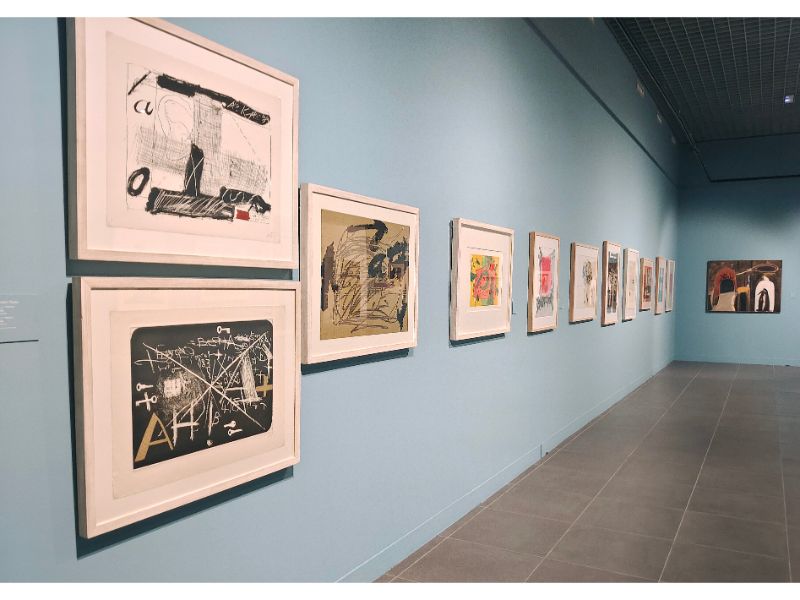
Set inside the lavish 17th-century Hôtel Salé in the heart of Le Marais, the Musée National Picasso-Paris holds the world’s most extensive collection of Pablo Picasso’s work, numbering over 5,000 paintings, sculptures, drawings, ceramics, and prints. The collection was donated to France by Picasso’s heirs in lieu of inheritance taxes (dation), ensuring that his personal archive remained intact.
The collection spans Picasso’s entire artistic journey: his Blue and Rose Periods, pioneering Analytic and Synthetic Cubism, Neoclassical paintings, Surrealist sculptures, and his personal art collection containing canvases by Cézanne, Matisse, Renoir, and Henri Rousseau.
- Admission: €16.00 standard ticket; included in the Paris Museum Pass.
- Closed Day: Mondays (Open Tuesdays through Fridays, 10:30 AM to 6:00 PM; Saturdays & Sundays, 9:30 AM to 6:00 PM).
- Emplacement: 5 Rue de Thorigny, 3rd Arrondissement (Metro Saint-Sébastien – Froissart or Chemin Vert).
8. Musée de Cluny – National Museum of the Middle Ages
Situated in the Latin Quarter, the Musée de Cluny combines the preserved Roman Gallo-Roman public baths (Thermes de Cluny, dating to the late 2nd century AD) with the 15th-century Flamboyant Gothic townhouse of the abbots of Cluny. Following a comprehensive transformation that improved accessibility and installed a modern entrance pavilion, the museum presents a luminous journey through medieval European art.
The unquestioned masterpiece of the collection is the cycle of six Flemish millefleur tapestries titled La Dame et la Licorne (La Dame à la licorne), woven around 1500 and symbolizing the five senses alongside a mysterious sixth tapestry inscribed “Mon seul désir” (My sole desire).
- Admission: €12.00 standard; included in the Paris Museum Pass.
- Closed Day: Mondays (Open Tuesdays through Sundays, 9:30 AM to 6:15 PM).
- Emplacement: 28 Rue du Sommerard, 5th Arrondissement (Metro Cluny – La Sorbonne).
9. Musée Marmottan Monet
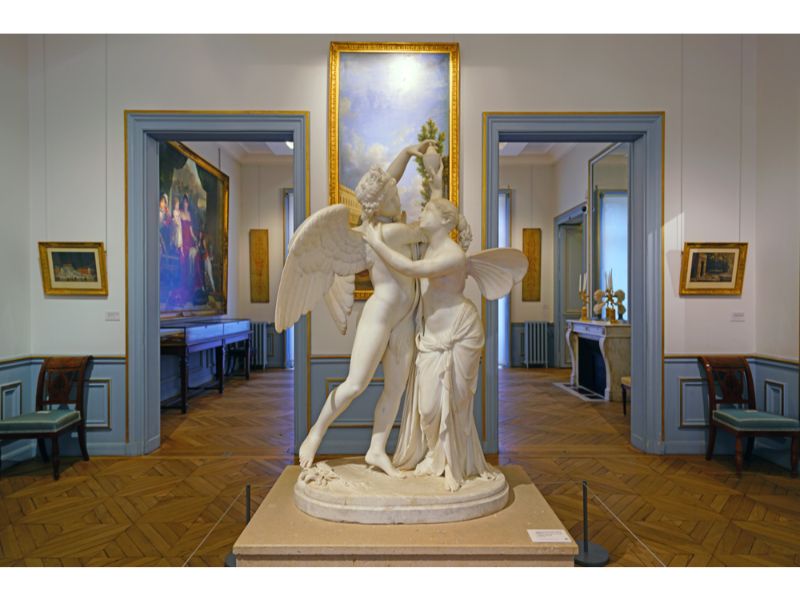
Located on the edge of the Bois de Boulogne in an elegant former hunting lodge, the Musée Marmottan Monet holds the largest collection of Claude Monet’s works in existence. Donated by Monet’s son Michel, the collection includes his groundbreaking 1872 painting Impression, Sunrise (Impression, soleil levant)—the very canvas that coined the term “Impressionism.”
In the subterranean gallery, view Monet’s late large-scale Giverny canvases depicting the Japanese bridge, weavings of wisteria, and water lilies, painted as cataracts progressively altered his perception of color. The museum also boasts the world’s premier collection of works by female Impressionist pioneer Berthe Morisot.
- Admission: €14.50 standard ticket.
- Closed Day: Mondays (Open Tuesdays through Sundays, 10:00 AM to 6:00 PM; Thursdays until 9:00 PM).
- Métro: La Muette or Ranelagh (Line 9).
10. Musée Jacquemart-André
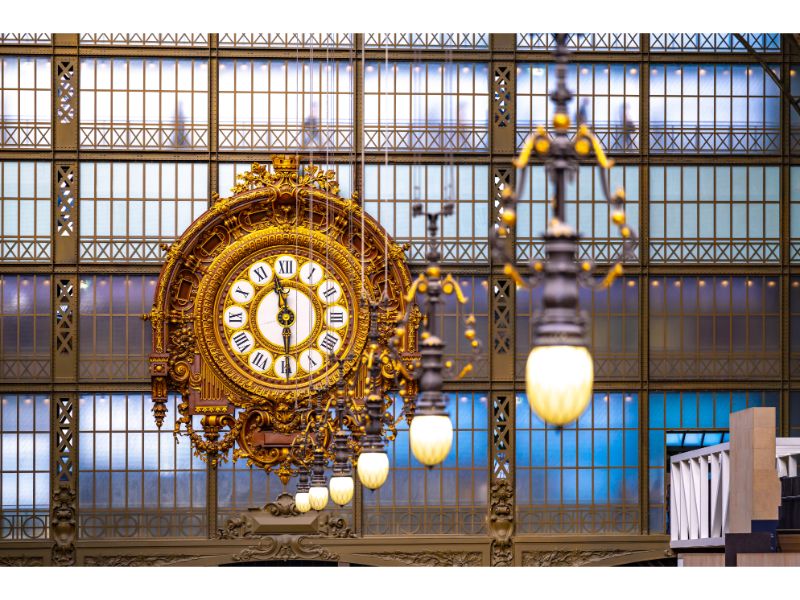
Created by art collectors Édouard André and his wife, society painter Nélie Jacquemart, this exquisite Second Empire mansion on Boulevard Haussmann opened to the public in 1913. The Musée Jacquemart-André preserves the private rooms and salons of high-society Belle Époque Paris alongside an extraordinary collection of Italian Renaissance masterworks (Mantegna, Bellini, Botticelli, Carpaccio, Uccello) and 18th-century French paintings (Fragonard, Boucher, Chardin).
Following a complete restoration of its grand salon and double-helix staircase frescoes by Giovanni Battista Tiepolo, the mansion offers one of the most refined afternoon visits in Paris. Its courtyard tearoom (Café Jacquemart-André) is renowned as one of the most beautiful dining rooms in the city.
- Admission: €18.00 standard exhibition ticket.
- Heures: Open daily, 10:00 AM to 6:00 PM (until 8:30 PM on Mondays during exhibitions).
- Métro: Miromesnil (Lines 9, 13) or Saint-Philippe du Roule (Line 9).
11. Petit Palais – City of Paris Museum of Fine Arts
Built alongside the Grand Palais for the 1900 Universal Exhibition by architect Charles Girault, the Petit Palais is a Beaux-Arts architectural triumph with gilded ironwork gates, monumental murals, and an idyllic semicircular courtyard garden planted with exotic palm trees and colonnaded pools.
The permanent collection spans antiquity, the Renaissance, 17th-century Dutch masters (including Rembrandt’s self-portrait), and 19th-century French titans like Gustave Courbet, Jean-Baptiste Carpeaux, Claude Monet, and Paul Cézanne. Because admission to the permanent collection is completely free, it offers one of the best budget-friendly cultural escapes along the Champs-Élysées.
- Admission: Free permanent collection; paid temporary exhibitions (€13.00 – €15.00).
- Closed Day: Mondays (Open Tuesdays through Sundays, 10:00 AM to 6:00 PM; Fridays and Saturdays until 8:00 PM for temporary exhibitions).
- Métro: Champs-Élysées – Clemenceau (Lines 1, 13).
12. Musée National Eugène-Delacroix
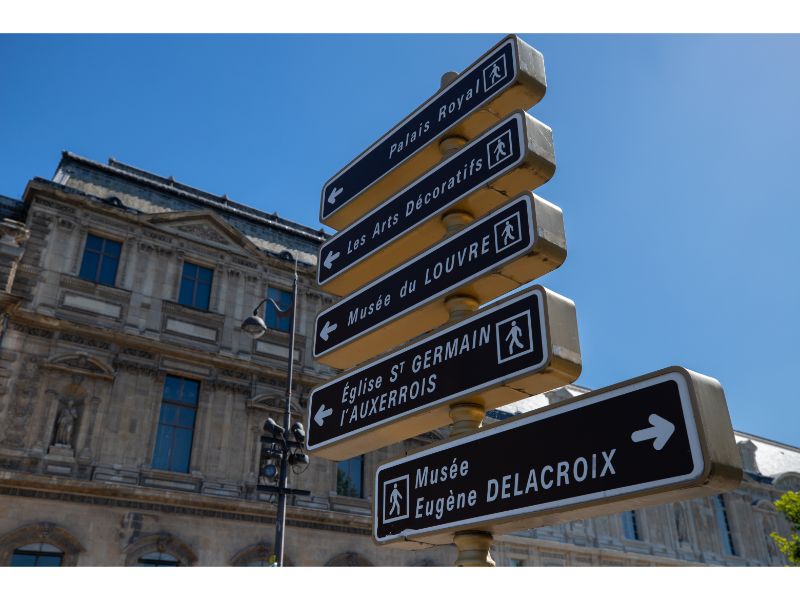
Tucked away on one of Paris’s most charming cobblestone plazas, the Place de Furstenberg in Saint-Germain-des-Prés, the Musée Delacroix occupies the final apartment and private garden studio where Romantic master Eugène Delacroix lived and painted from 1857 until his death in 1863 while working on his murals for the nearby Church of Saint-Sulpice.
Managed by the Musée du Louvre, the museum showcases Delacroix’s oil paintings, preparatory sketches, letters, and personal memorabilia within an intimate residential setting, concluding in his peaceful garden oasis.
- Admission: €9.00 (or free same-day entry with a Musée du Louvre ticket); included in the Paris Museum Pass.
- Closed Day: Tuesdays (Open Wednesdays through Mondays, 9:30 AM to 5:30 PM).
- Emplacement: 6 Rue de Furstenberg, 6th Arrondissement (Metro Saint-Germain-des-Prés).
13. Musée du Quai Branly – Jacques Chirac
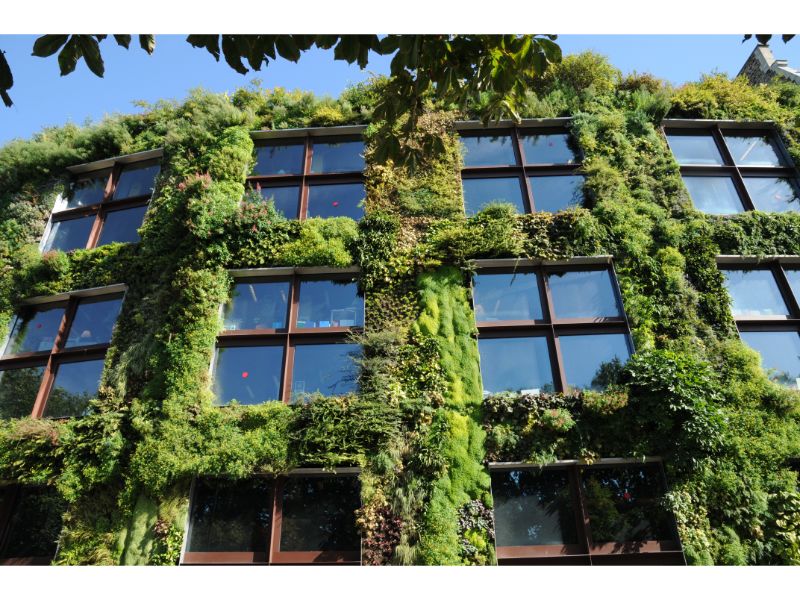
Set along the banks of the Seine just steps from the Eiffel Tower, the Musée du Quai Branly – Jacques Chirac is dedicated to the non-European arts, cultures, and civilisations of Africa, Asia, Oceania, and the Americas. Designed by architect Jean Nouvel, the building is famous for its 800-square-metre living vertical garden facade conceived by botanist Patrick Blanc and lush wooded sanctuary gardens.
Inside, an undulating, softly illuminated central ramp guides visitors through over 300,000 indigenous artifacts, including ceremonial masks from Papua New Guinea, ancestral totems from the Pacific Northwest, pre-Columbian gold and featherwork, and African royal textiles. Combine your visit with our guide to top monuments in Paris for a full day of Left Bank discovery.
- Admission: €14.00 standard ticket; included in the Paris Museum Pass.
- Closed Day: Mondays (Open Tuesdays through Sundays, 10:30 AM to 7:00 PM; Thursdays until 10:00 PM).
- Métro: Alma – Marceau (Line 9) or Pont de l’Alma (RER C).
Frequently Asked Questions About Paris Museums
Find Things to Do in Paris
Find Accommodation

Continue Planning Your Paris Trip
Montparnasse Nightlife Guide: 2026’s Best Bars, Hotspots & Insider Tips
Montparnasse has drawn night owls since the 1920s. A Left Bank guide to its storied cafes, cocktail bars,…
Read Guide →
Disneyland Paris vs. Parc Astérix: The Ultimate 2026 Theme Park Showdown
Disneyland Paris or Parc Asterix for your 2026 trip? Disney magic and immersion versus wilder coasters and a…
Read Guide →
Top 10 Yoga Studios in Paris for Relaxation and Fitness
Ten Paris yoga studios for relaxation and a real workout, from candlelit lofts in 19th-century buildings to sunlit…
Read Guide →