
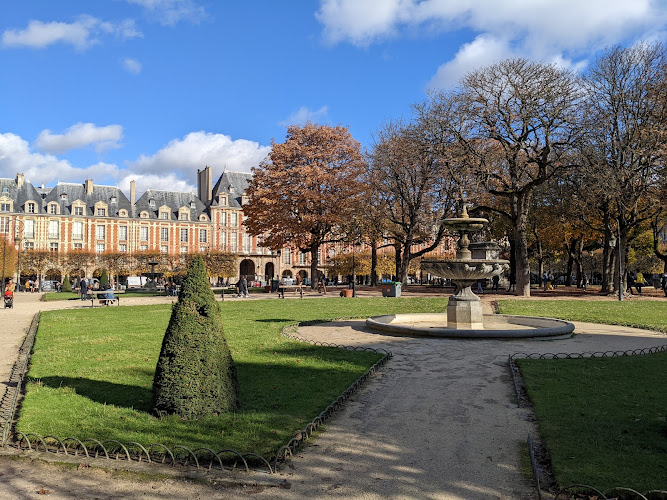
Description
The Pavillon du Roi is a striking building that stands out amidst the beauty of Paris. Its white facade and unique design make it an iconic landmark in the city. Originally built in 1850 as a palace, the building was later sold to the French state and is now open to the public as a museum. The Pavillon du Roi is a large building that covers over 8,000 square metres and is divided into three sections, each with three floors. The ground floor is the largest, while the middle floor is the smallest, and the top floor is the third largest. This unique design makes for an interesting visit, as each section offers a different perspective on the building and its history. Architect Jean-Michel Othoniel designed the Pavillon du Roi, and his vision has stood the test of time. The building has become one of the most recognisable landmarks in Paris and is a must-see for anyone visiting the city. Visitors to the Pavillon du Roi can explore the museum’s exhibits and learn about the history of the building and its significance to Paris. The museum is a fascinating place to visit, and it offers a unique perspective on the city’s rich cultural heritage. Overall, the Pavillon du Roi is a fantastic monument that showcases the best of Parisian architecture and history. A visit to this museum is a must for anyone who wants to experience the city’s unique charm and beauty.
Principales caractéristiques
The Pavillon du Roi, located in the 4th arrondissement of Paris, holds significant historical value as it is part of the oldest planned square in Paris, built by Henri IV in 1612. Visitors can explore the unique architectural features and immerse themselves in the historical significance of this landmark.
Accessibilité et commodités
The museum is equipped with accessibility features to accommodate visitors with disabilities. Amenities include restrooms, dining options, and gift shops. Additionally, visitors can benefit from unique services such as audio guides and a coat check facility.
Planifier votre visite
To avoid crowds, it's best to visit the Pavillon du Roi during the early morning hours. On average, visitors spend about 1-2 hours exploring the museum and the surrounding area. Recommended itineraries include exploring the square and enjoying the serene ambiance of the parc.
What Makes the Pavillon du Roi Notable
The Pavillon du Roi is one of the defining buildings of Place des Vosges, the formal square in the 4th arrondissement. Positioned at the square’s southern end, it was originally the royal residence of Henri IV. Its importance is best understood as part of the square’s carefully composed whole: a grand pavilion marks the centre of a long, regular run of arcaded houses and gives the southern side a clear focal point.
Look closely at the early 17th-century brick-and-stone treatment rather than expecting a freestanding monument with a separate visitor circuit. The façade’s red brick, pale stone detailing, steep roofline and disciplined symmetry are characteristic of the architecture that frames Place des Vosges. The reward is in observing proportion, materials and repetition across the square, with the Pavillon du Roi providing its most explicitly royal reference.
Location & Neighborhood Context
The address is 1 place des Vosges, in the 4th arrondissement. This is a particularly walkable part of historic Paris, on the edge of the Marais: narrow streets, old façades, small squares and independent shops quickly replace the square’s stately uniformity. Place des Vosges itself offers a useful pause between longer explorations of the district, whether you are approaching from the central Marais or continuing south towards the Seine.
Approach from within the square for the most legible view. Stand back on the lawn-side paths and compare the pavilion’s central position with the arcades on either side; then walk beneath those arcades to see how the architecture changes from broad civic composition to close-up brickwork and stone trim. The square’s planted central garden makes this an easy stop to combine with a self-guided Marais walk.
Points forts des visiteurs
- Architectural focus: a distinguished early 17th-century brick-and-stone façade within one of Paris’s most coherent urban ensembles.
- Royal connection: the pavilion is associated with Henri IV through its original role as a royal residence.
- Meilleur pour: architecture enthusiasts, history-minded walkers, photographers interested in symmetry, and visitors exploring the Marais on foot.
- Easy to appreciate: its significance is visible from the square, so it works well as a short, purposeful stop as well as part of a longer visit.
Practical Planning Tips
Visit in the morning for a quieter look at the façades, or later in the day when a slower circuit under the arcades fits naturally into an evening in the Marais. Give yourself time to view the Pavillon du Roi from across the garden, then inspect the details at closer range. The square is most rewarding when you avoid treating the pavilion as an isolated sight: walk all four sides to understand the deliberate rhythm of the development.
No separate interior visit should be assumed from the exterior landmark. Check current official information before planning around access, events or any temporary restrictions. For a more relaxed experience, arrive outside the busiest weekend and peak holiday periods, and pair the stop with nearby streets rather than trying to cover the whole Marais at once.
Questions fréquemment posées
Where is the Pavillon du Roi?
It stands at 1 place des Vosges, at the southern end of Place des Vosges in Paris’s 4th arrondissement.
Why is it called the Pavillon du Roi?
It originally served as the royal residence of Henri IV, giving the pavilion its royal name and historic significance.
Can I appreciate it without a long visit?
Yes. Its exterior and relationship to the square are the essential experience, making it well suited to a short stop during a Marais walk.