

Détails
- Durée: 2 heures
- Notation: 4,5
- Prix: €115,54
Description
La visite guidée privée et coupe-file du musée de l'Orangerie est le moyen ultime de découvrir la beauté et le charme de Paris. Avec cette visite, les visiteurs peuvent éviter les longues files d'attente et bénéficier d'un accès exclusif à l'une des attractions les plus prisées de la ville.
Cette visite guidée privée est parfaite pour les amateurs d'art qui souhaitent explorer les superbes œuvres d'art conservées au musée de l'Orangerie. Les visiteurs seront dirigés par un guide local compétent qui fournira un aperçu fascinant de l'histoire et de la signification de chaque pièce.
Le musée de l'Orangerie est un véritable joyau de Paris, présentant une impressionnante collection d'art impressionniste et post-impressionniste, dont les célèbres Nymphéas de Claude Monet. La visite emmènera les visiteurs dans un voyage à travers les galeries du musée, mettant en valeur la beauté et la diversité des œuvres d'art exposées.
In addition to exploring the museum, visitors will also have the opportunity to experience the vibrant culture and history of Paris. The tour includes stops at some of the city’s top attractions, including le Louvre and other must-see landmarks.
When it comes to planning a voyage à Paris, this tour is an absolute must. With skip-the-line access, a private guide, and exclusive access to one of the city’s most beloved museums, visitors will have an unforgettable experience. And with plenty of time to explore the city’s restaurants, cafes, and shops, this tour is the perfect way to immerse oneself in the beauty and culture of France.
Alors pourquoi attendre ? Réservez dès aujourd'hui votre visite guidée privée et coupe-file du musée de l'Orangerie et découvrez le meilleur de Paris avec style et confort.
Photo Gallery
[su_content_slider style=”dark” autoplay=”0″] [su_content_slide]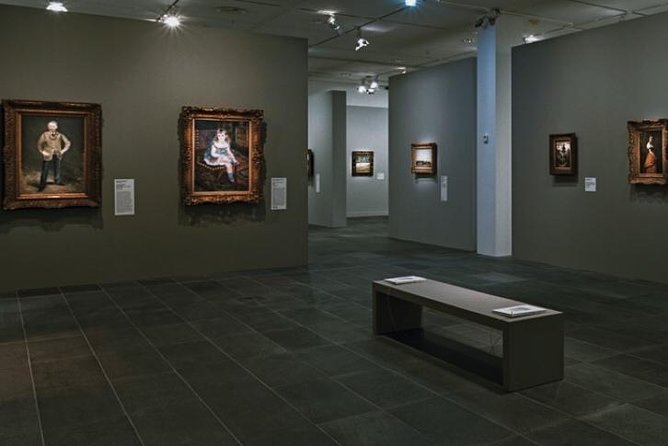 [/su_content_slide]
[su_content_slide]
 [/su_content_slide]
[su_content_slide]
 [/su_content_slide]
[/su_content_slider]
Top-Rated Tours in Paris
Articles récents
-
Promenade Plantée Walk: Paris’ Unique Elevated Garden Adventure
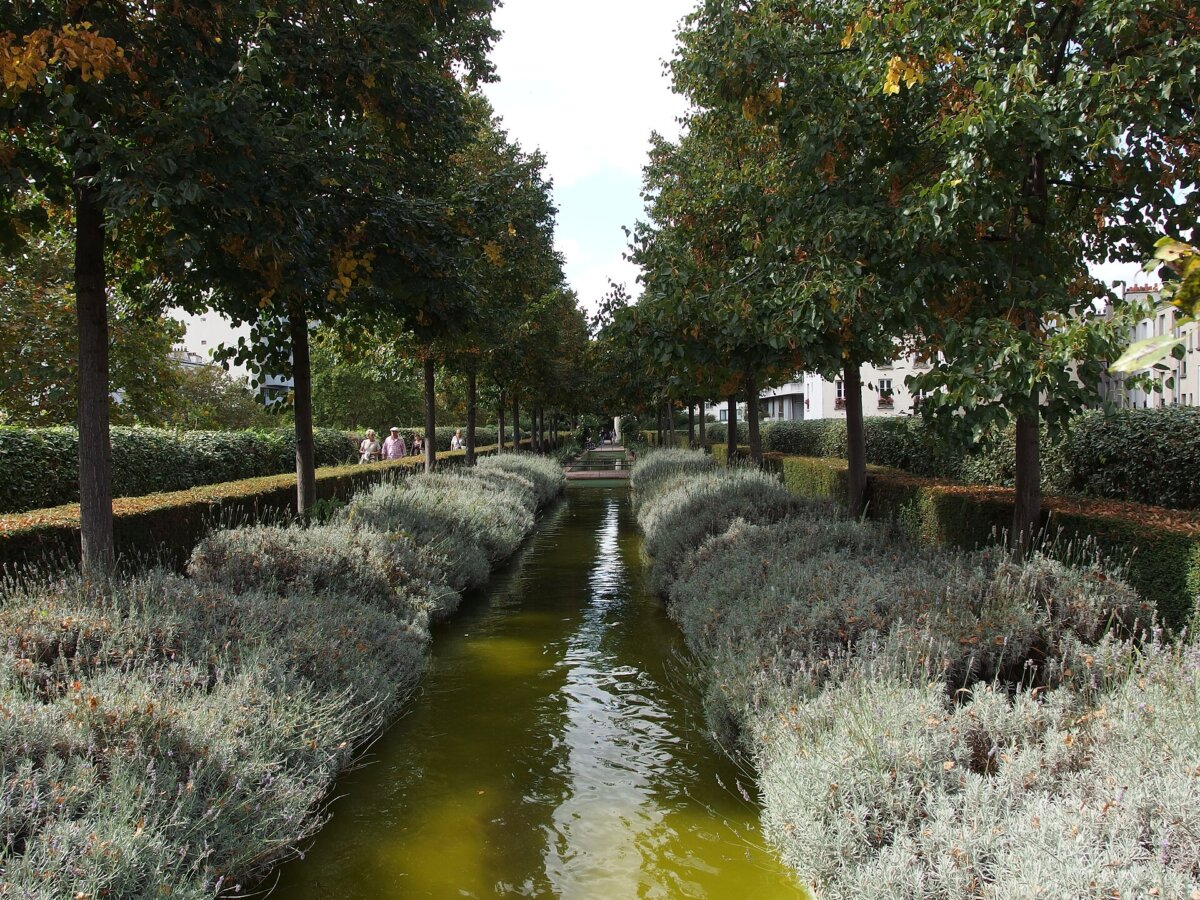
Paris has a ton of famous walks, but the Promenade Plantée still feels like one of the city’s best-kept secrets. This elevated urban garden runs nearly three miles through the 12th arrondissement, tracing a former railway viaduct that’s turned into a lush green path above the streets. Along the way, you’ll spot roses climbing iron…
-

Do US Citizens Need a Visa to Visit Paris? Essential Rules to Know
Planning a trip to the City of Light? Good news—visiting Paris is pretty easy for Americans. US citizens don’t need a visa to visit Paris for up to 90 days in any 180-day period. Just bring a valid passport and you’re set to wander the cafés, museums, and those charming cobblestone streets. But heads up:…
-
Mont St Michel Day Trip: Ultimate Paris Escape with Must-See Tips
A Mont Saint-Michel day trip from Paris runs about 14 hours round-trip. Here’s how to pick your transport, time your visit around the tides, and decide if it’s worth it.
Ressources associées
- Circuit Normandie de 2 jours au départ de Paris
- Les meilleures visites gourmandes à Paris, France
- Visite de Paris en une journée : points forts incontournables et lieux incontournables
- Visite guidée du quartier gay de Paris
- Visite guidée privée Street Art à Paris
At the western edge of the Tuileries Garden, the Musée de l’Orangerie offers one of Paris’s most concentrated encounters with Impressionism and early modern art. Its defining experience is Claude Monet’s Nymphéas: vast water-lily panels installed in two oval rooms designed around changing daylight, curved walls and an unhurried, immersive viewpoint. This is not a museum to race through; it is a compact collection in which a few rooms can reward sustained looking.
A private guided visit gives the paintings a useful context within the geography of central Paris. The building began as an orangery for the Tuileries, while the nearby garden, Seine embankment, Place de la Concorde and Louvre tell a larger story of royal planning, revolution and cultural reinvention. A guide can connect Monet’s late work to the artist’s garden at Giverny, the aftermath of the First World War and the collectors whose works form the museum’s other major collection.
Key Highlights & What to Expect
This private museum tour is best approached as a focused art experience rather than a survey of every Paris masterpiece. The guide can adapt the conversation to your interests, whether that means Monet’s technique, the rise of Impressionism, the Paris art market or the personalities behind the paintings. The museum’s manageable scale makes it particularly appealing for visitors who want serious interpretation without committing an entire day.
- Monet’s Water Lilies in their intended setting: The oval galleries are the essential stop. Notice how the horizon almost disappears, how reflections unsettle the surface, and how the paintings invite your eye to travel continuously around the room rather than settle on one framed scene.
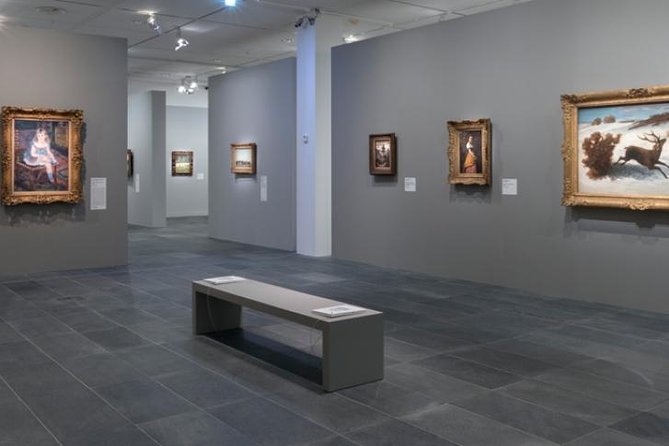
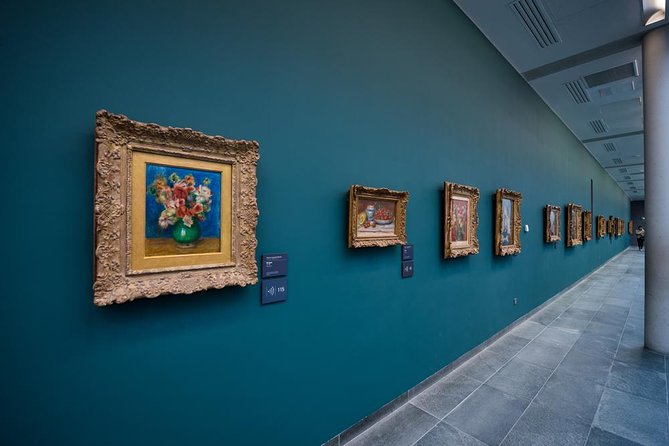
- The Walter-Guillaume collection: Below the Monet rooms, the Jean Walter and Paul Guillaume collection brings together paintings by Renoir, Cézanne, Matisse, Modigliani, Picasso, Derain, Soutine and others. It gives the visit a satisfying progression from Impressionist light to the bolder forms of the twentieth century.
- Private commentary with room for questions: Rather than following a fixed group script, you can pause over a single canvas, ask about an artist’s career or compare styles across the galleries. This flexibility is especially valuable for first-time museum visitors and committed art lovers alike.
- A calm contrast to larger museums: The Orangerie is far more concise than the Louvre or Musée d’Orsay. Its galleries can still feel busy, but the visit has a clear visual arc and is less physically demanding than a sprawling collection.
- A strong Tuileries setting: Before or after the tour, the garden provides a natural pause. Its formal paths, sculptures and long east–west perspectives make it easy to extend the museum visit into a central Paris walk.
Practical Planning Snapshot
Planning Factor | À quoi s'attendre | Conseil local |
|---|---|---|
Best Time / Timing | Morning or later afternoon often gives the most comfortable pace for looking closely, though visitor patterns vary by season and exhibition schedule. | Build in time to linger after the guide’s introduction; the Water Lilies are most rewarding when you sit with them. |
Typical Duration | This is a focused museum visit, with enough time for the major rooms and selected works in the permanent collection. | Avoid scheduling another major museum immediately afterward if you want to absorb the art rather than simply tick it off. |
Crowd & Booking Reality | The museum is compact, and the oval Monet galleries can feel full even when the overall visit is orderly. Entry arrangements and access conditions should be confirmed with the booking provider. | Arrive ready to pass through standard museum procedures and keep the first few minutes flexible. |
Getting There & Terrain | The museum sits beside the Tuileries in very walkable central Paris. Expect paved paths around the garden and indoor gallery circulation. | Use the garden as your approach when coming from the Louvre; it is more pleasant than treating the museum as an isolated stop. |
Ideal Pairing Nearby | The Tuileries, Place de la Concorde, the Louvre exterior and a Seine-side walk all fit naturally around the visit. | Pair it with outdoor time or a café break, not another dense art collection, for a better-balanced day. |
Who It Suits Best & Honest Trade-Offs
This tour suits travelers who value expert interpretation, couples or families wanting a more personal pace, and art-minded visitors who would rather understand a smaller collection well than rush through a giant museum. It is also a smart choice for a short Paris stay because the location fits easily into a central itinerary. The trade-off is scope: the Orangerie is not a comprehensive overview of French art, and visitors seeking famous antiquities, monumental history galleries or hours of variety may prefer a larger institution. Its strength lies in concentration—especially the chance to experience Monet’s late panels with context, attention and the space to look properly.