Cimetière des Juifs Portugais
Cimetière des Juifs portugais de Paris is a Paris Site Religieux landmark located in the 19 arrondissement. Table of ContentsRevolutionary sanctuary where dignity challenged oppressionAncien Régime restrictions and Jewish determinationRevolutionary transformation and republican identityPioneering education and cultural leadershipArchitectural preservation and contemporary significanceEssential informationHistorical and cultural significanceExclusion transformed into revolutionary equalityNearby in 19 Revolutionary sanctuary where […]
Cimetière des Juifs portugais de Paris is a Paris Site Religieux landmark located in the 19 arrondissement.
Table des matières
- Revolutionary sanctuary where dignity challenged oppression
- Ancien Régime restrictions and Jewish determination
- Revolutionary transformation and republican identity
- Pioneering education and cultural leadership
- Architectural preservation and contemporary significance
- Essential information
- Historical and cultural significance
- Exclusion transformed into revolutionary equality
- Nearby in 19
Revolutionary sanctuary where dignity challenged oppression
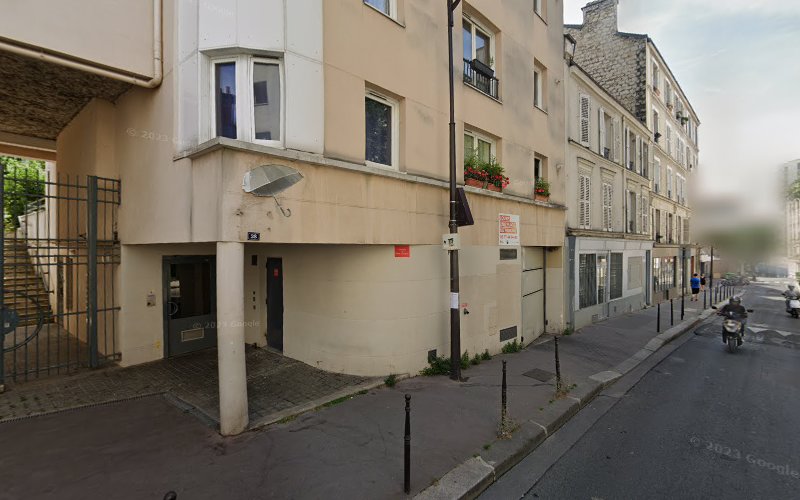
At 44 rue de Flandre in the 19th arrondissement, the Cimetière des Juifs Portugais stands as France’s oldest surviving Jewish cemetery, where Jacob Rodrigue Pereire’s 1780 creation of this 35×10-meter sanctuary challenged centuries of burial discrimination while providing dignified final rest for Portuguese Jews who faced systematic exclusion from Catholic cemeteries. This extraordinary site demonstrates how individual courage can create institutions that transcend original limitations to become powerful symbols of religious freedom, where clandestine nighttime burials eventually yielded to revolutionary equality that transformed France’s treatment of religious minorities through legal recognition of universal human dignity.
Ancien Régime restrictions and Jewish determination
Under pre-revolutionary law, cemeteries reserved exclusively for Catholics systematically excluded Protestants, Jews, actors, and suicide victims, creating a burial apartheid that relegated religious minorities to unmarked graves or distant locations without ceremonial dignity. This discriminatory system proved how religious privilege could become institutional oppression when political power served particular rather than universal interests through laws that denied basic human rights to entire communities based solely on faith differences.
Jacob Rodrigues Pereire’s role as agent of the Portuguese Jewish nation in Paris enabled him to negotiate royal authorization for this cemetery with the humiliating condition that burials occur at night, without scandal or ceremony, demonstrating how marginalized communities must often accept degrading compromises to achieve basic dignity while building foundations for future equality through persistent institutional creation despite hostile circumstances.
Revolutionary transformation and republican identity
The cemetery’s continued operation through the Revolution witnessed extraordinary transformation when epitaphs began incorporating republican calendar dates alongside Hebrew traditions, as exemplified by Samuel Fernandes Parto’s 1794 tomb inscription: I prefer my situation to slavery. O immortal soul, seek to live free or follow me as a good republican. This remarkable evolution proves how political revolution can enable religious minorities to embrace national identity while maintaining cultural distinctiveness.
The adoption of republican symbolism alongside traditional Jewish burial practices demonstrated how revolutionary equality could create inclusive patriotism that welcomed previously excluded communities into national citizenship while respecting religious diversity, proving that authentic political transformation generates belonging rather than assimilation through recognition of universal human dignity that transcends religious boundaries.
Pioneering education and cultural leadership
Jacob Rodrigue Pereire’s pioneering work as France’s first teacher of deaf and mute students, combined with his cemetery establishment, reveals how marginalized community leaders often achieve breakthrough innovations in multiple spheres simultaneously. His educational innovations and burial advocacy proved that exclusion can generate creative solutions that benefit society broadly while establishing precedents for inclusive institutions that serve universal human needs.
Notable burials include Sieur Salomon de Perpignan, founder of the Free Royal Drawing School established in 1767, whose 1781 interment represents one of Paris’s oldest Jewish graves while honoring educational innovation that contributed to French cultural development. This demonstrates how Jewish intellectual contribution to French society preceded full legal recognition, creating cultural foundations that eventually supported political integration.
Architectural preservation and contemporary significance
The 1966 classification as a historical monument, making it the 19th arrondissement’s only protected religious establishment until 2015, recognizes this cemetery’s exceptional significance in documenting religious minority experience during France’s transition from monarchy to republic. This preservation status proves that seemingly modest sites can achieve historical importance through their role in documenting social transformation that influences contemporary understanding of religious freedom and minority rights.
The cemetery’s current inaccessibility within a private courtyard, requiring Consistoire israélite authorization for visits, creates appropriate protection for this sacred space while maintaining its role as a pilgrimage site for those understanding its historical significance. This access limitation demonstrates how preservation can serve both conservation and reverence through selective visitation that honors the site’s continuing spiritual importance.
Essential information
- Establishment: 1780 by Jacob Rodrigue Pereire
- Emplacement: 44 rue de Flandre, 19th arrondissement
- Taille: 35×10 meters (424 square meters)
- Burials: 28 recorded interments
- Historical status: Monument historique (1966)
- Accéder: Private courtyard, Consistoire authorization required
- Closure: 1810 (Napoleon’s cemetery equality decree)
- Significance: Oldest surviving Jewish cemetery in France
Historical and cultural significance
- Burial conditions: Originally restricted to nighttime without ceremony
- Revolutionary evolution: Republican calendar dates alongside Hebrew traditions
- Educational connection: Founded by pioneering deaf education teacher
- Notable burials: Drawing school founders, Portuguese Jewish leaders
- Legal transformation: From religious exclusion to revolutionary equality
Exclusion transformed into revolutionary equality
The Cimetière des Juifs Portugais embodies the transformative power of persistent dignity in the face of systematic oppression, where Jacob Rodrigue Pereire’s creation of this sanctuary proved that individual courage can establish institutions that outlive their original constraints to become symbols of universal human rights. This extraordinary cemetery demonstrates how marginalized communities can create lasting change through institutional innovation that serves immediate needs while building foundations for future equality, proving that the greatest les monuments are not grand structures but sacred spaces that document humanity’s progress toward justice. For religious history enthusiasts, human rights advocates, or anyone interested in how persecution can inspire institutional innovation, this hidden cemetery offers a profound encounter with revolutionary transformation, where nighttime burials without scandal evolved into republican epitaphs celebrating freedom, proving that authentic dignity cannot be suppressed indefinitely when communities maintain hope, create institutions, and persist in their pursuit of equality that eventually transforms entire societies through recognition that human worth transcends religious boundaries.