
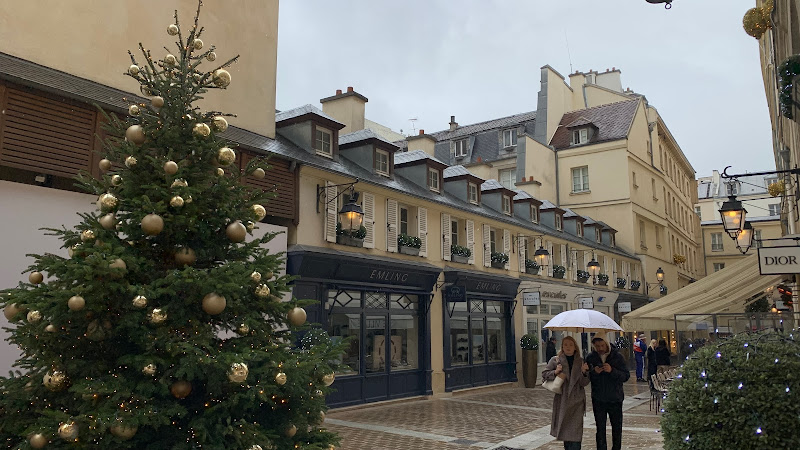
Description
Nestled in the heart of Paris’ 8th arrondissement, Cité Berryer is a vibrant and historic neighborhood that is a must-visit for tourists and locals alike. The well-preserved 18th century buildings that line the streets are still in use today, housing a variety of restaurants, cafes, bars, and shops that cater to all tastes and budgets. Located on the western edge of the city, Cité Berryer is within walking distance of some of Paris’ most iconic landmarks, including the Champs Elysées, le musée du Louvre, the Grand Palais, and the Palais Royal. The Place de la Concorde, a popular meeting point for both locals and tourists, is also just a stone’s throw away. But what sets Cité Berryer apart from other neighborhoods in Paris is its unique blend of history and modernity. The area is steeped in history, with many of the buildings dating back centuries, yet it has managed to maintain a youthful and vibrant energy that is infectious. Whether you are looking to explore the area’s rich history, indulge in some world-class shopping, or simply soak up the local atmosphere in one of the many cafes or bars, Cité Berryer has something for everyone. So why not take a stroll through this charming neighborhood and discover all that it has to offer?
Principales caractéristiques:
- The Cité Berryer, located in the 8th arrondissement, is renowned for its stunning architectural design and historical significance.
- Visitors can explore the museum's extensive collection, which includes artifacts and artworks that showcase the rich cultural heritage of the region.
Accessibilité et commodités :
- The museum is equipped with accessibility features to ensure a comfortable experience for visitors with disabilities.
- Amenities include restrooms, a gift shop, and dining options, providing a convenient and enjoyable visit for all guests.
- Unique services such as audio guides and coat check facilities are available to enhance the overall museum experience.
Planifier votre visite :
- To avoid crowds, it's recommended to visit the museum during weekdays or early mornings.
- Visitors typically spend around 2-3 hours exploring the museum and its exhibits.
- A suggested itinerary includes starting with the museum's main attractions before enjoying a leisurely stroll through the surrounding area.
What Makes Cité Berryer Notable
Cité Berryer is a private pedestrian passage off Rue Royale in Paris’s 8th arrondissement. Also known as the Cité du Retiro, it offers a marked change of pace from the broad, formal street outside: a compact internal route where shops, galleries and restaurants sit in a quieter setting.
It is best understood less as a conventional monument to tour in isolation than as a small piece of Parisian urban fabric worth noticing while exploring central Paris. Its appeal lies in the transition from a major thoroughfare to an enclosed, village-like enclave. For visitors interested in the city’s passages, courtyards and lesser-known pedestrian spaces, it provides a brief, observant detour rather than a large-scale attraction.
Location and Neighborhood Context
The entrance address is 25 rue Royale, in the 8th arrondissement. Rue Royale is part of a highly central, elegant area shaped by grand streets, retail addresses and institutions around the Madeleine and Concorde sides of the arrondissement. Cité Berryer is therefore easy to fold into a walk through this polished section of Paris, rather than requiring a separate excursion.
The passage’s scale is its contrast with the neighborhood around it. Rue Royale carries the visual order and activity of a principal Paris street; inside Cité Berryer, the pedestrian environment feels more contained. Continue on foot toward the Place de la Concorde and the Seine for a broader cityscape, or remain around the Madeleine quarter for streets defined by food shops, fashion and business activity. The location also works well as a pause between larger sights rather than as an all-day destination.
Points forts des visiteurs
- A discreet pedestrian passage: A useful example of how Paris can shift quickly from a major street to a more intimate internal space.
- Upscale local addresses: The passage is lined with shops, galleries and restaurants, making it relevant for browsing or a meal stop.
- Central-walk convenience: It suits visitors already exploring Rue Royale, the Madeleine area or the Concorde side of the 8th arrondissement.
- For observant walkers: It particularly rewards travelers who enjoy urban details, restrained architecture and quieter routes over headline attractions.
Practical Planning Tips
Visit in daylight if your priority is to appreciate the change in scale and the details of the passage. Allow a short stop, then use it as part of a wider walk; the experience is about atmosphere and orientation, not a long programme of exhibits. Because this is a private pedestrian passage with operating businesses, access and individual venue schedules can vary. Check conditions on arrival and avoid treating it as a shortcut if entry appears restricted.
There is no need to build an itinerary around it alone. Pair it with time on Rue Royale and the surrounding central streets, and leave room for browsing if a gallery, restaurant or shop catches your interest. For a calmer look, go outside the busiest shopping periods; for more street activity, approach when the surrounding area is in motion. Keep voices and photography considerate of the passage’s private character.
Questions fréquemment posées
Where is Cité Berryer?
Cité Berryer is at 25 rue Royale in Paris’s 8th arrondissement, just off Rue Royale.
Is Cité Berryer the same as Cité du Retiro?
Yes. Cité Berryer is also known as the Cité du Retiro.
How long should I allow for a visit?
Plan a brief stop within a wider walk through the 8th arrondissement, with extra time only if you wish to browse its shops, galleries or restaurants.