
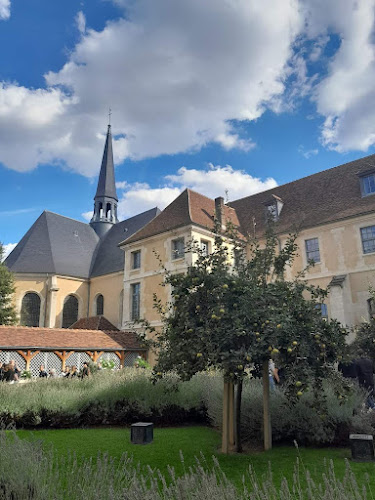
Description
Hôpital Laënnec: A Historic Hospital in Paris Located in the 7th arrondissement of Paris, Hôpital Laënnec is a historic hospital that has been serving the city since 1830. As the oldest hospital in Paris, it holds a special place in the city’s medical history. One of the most unique aspects of Hôpital Laënnec is that it is the only hospital in Paris with a medical school. This means that students studying medicine have the opportunity to learn and train in a real-world hospital setting, gaining valuable experience that will serve them well in their future careers. Despite its age, Hôpital Laënnec remains one of the major hospitals in the Paris health system. It continues to provide top-notch medical care to patients from all walks of life. Visitors to Hôpital Laënnec can appreciate the hospital’s beautiful architecture and historic significance. While it may not be a typical tourist destination, it is certainly worth a visit for those interested in Parisian history and medical advancements. Overall, Hôpital Laënnec is a fascinating monument that offers a unique perspective on the history and current state of healthcare in Paris.
Principales caractéristiques:
- The Hôpital Laënnec, located in the 7th arrondissement, is a historic hospital with a rich and significant past, dating back to its establishment in the 17th century.
- The monument is renowned for its architectural beauty, featuring stunning design elements that reflect the historical and cultural significance of the building.
Accessibilité et commodités :
- The museum is committed to providing accessibility for all visitors, offering facilities and services to accommodate individuals with disabilities, including wheelchair access and accessible restrooms.
- Visitors can enjoy convenient amenities such as restrooms, dining options, and a gift shop, along with unique services like audio guides and coat check facilities.
Planifier votre visite :
- To avoid crowds, it's recommended to plan visits during weekdays and early mornings.
- On average, visitors spend approximately 1-2 hours exploring the museum, allowing ample time to appreciate its unique attractions and historical significance.
What Makes Hôpital Laënnec Notable
Hôpital Laënnec is a former Paris hospital at 40–42 rue de Sèvres in the 7th arrondissement. Its story reaches back to the 17th century, placing it within the long history of charitable, religious and medical institutions that once shaped this part of the Left Bank. The site takes its name from René Laënnec, the physician associated with the invention of the stethoscope, giving the address a particular resonance in the history of medicine.
This is not a conventional monument visited as a museum. Hospital activity ended here in 2000, and the property has since been converted into a luxury mixed-use development. Its interest therefore lies in reading the site as part of Paris’s evolving urban fabric: an institution with a medical past adapted to a new use, rather than a preserved hospital open for a standard interior tour.
Location and Neighborhood Context
Rue de Sèvres runs through a well-connected, distinctly Left Bank setting where the 7th arrondissement meets the rhythms of neighbouring central quarters. The surrounding streets are more residential and commercial than ceremonial, offering a useful contrast to the grand governmental and museum landscapes often associated with the arrondissement. It is an easy area to incorporate into a walk through the 6th and 7th arrondissements.
Approach Hôpital Laënnec as an architectural stop rather than a destination requiring a long visit. The rue de Sèvres frontage is best appreciated in the course of a wider walk, with time to notice how older institutional buildings sit within dense streets of shops, apartments and later redevelopment. The Seine is not the immediate setting, so this stop works especially well as part of an inland Left Bank itinerary rather than a riverside promenade.
Points forts des visiteurs
- Medical-history interest: the name recalls René Laënnec and the development of the stethoscope.
- Historic perspective: the former hospital traces its origins to the 17th century and illustrates the depth of Paris’s institutional history.
- Adaptive reuse: its conversion after hospital operations ceased in 2000 offers a clear example of a major Paris site changing purpose.
- Architecture-minded walks: suitable for visitors who enjoy observing façades, streetscapes and the relationship between older buildings and contemporary city life.
- Best for independent explorers: it suits those building a self-guided 6th- and 7th-arrondissement walk, rather than travellers seeking a ticketed attraction.
Practical Planning Tips
Plan on a short exterior stop and keep expectations aligned with the site’s present mixed-use role. There is no reason to assume that historic interiors, private areas or services within the development are open to casual visitors. Respect entrances, security arrangements and the privacy of people who live or work on site.
Daylight makes it easier to study the architecture and photograph the streetscape without disrupting passers-by. Weekday streets can feel more active, while a quieter period may be preferable for unhurried observation; in either case, treat the address as part of a flexible walking route. Check current access arrangements directly before making a special journey, since redevelopment sites and their public-facing spaces can change.
Questions fréquemment posées
Is Hôpital Laënnec still a working hospital?
No. It ceased operating as a hospital in 2000 and has been converted into a luxury mixed-use development.
Can visitors tour the former hospital?
Do not count on a public interior tour. View it primarily as a historic address and exterior architectural stop unless current access is confirmed directly.
Why is the site called Laënnec?
It is named after René Laënnec, the physician credited with inventing the stethoscope.