
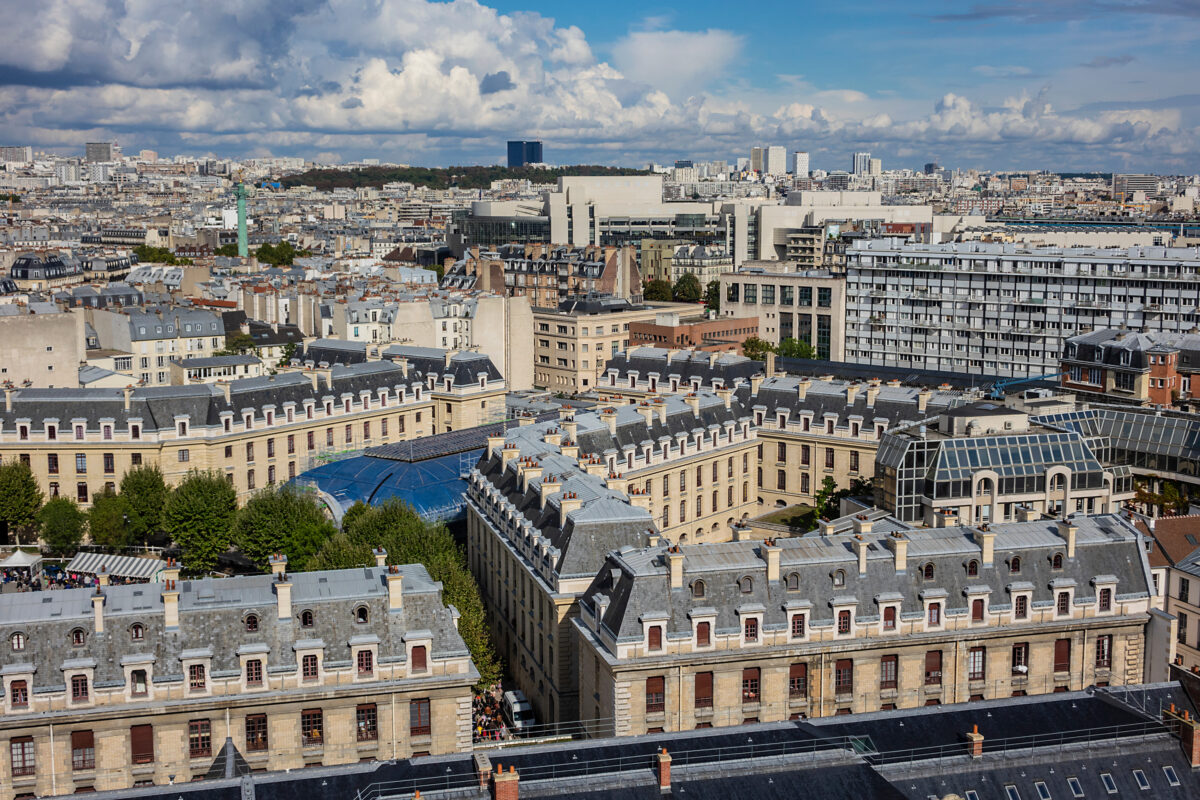
Description
The Hôtel d’Aligre, located in the 15th arrondissement of Paris, is a hidden gem that many tourists overlook. This 18th-century building is the oldest hotel in Paris and has a rich history that is worth exploring. The hotel is situated on a busy street corner, with lots of people walking past, but once inside, you are transported to a world of elegance and sophistication. One of the highlights of the Hôtel d’Aligre is the famous La Terrasse restaurant. This elegant eatery serves traditional French cuisine and offers a stunning view of the city. It is the perfect place to enjoy a romantic dinner or celebrate a special occasion. But the hotel is not just a restaurant. It is also a museum, showcasing the history and culture of Paris. The museum has a vast collection of artifacts, including paintings, sculptures, and furniture, all dating back to the 18th century. It is a fascinating glimpse into the past and a must-see for history buffs. The Hôtel d’Aligre is conveniently located near the Louvre and Place de la Concorde, making it an excellent starting point for exploring Paris. The hotel’s stunning architecture and rich history make it a unique and unforgettable experience that should not be missed. Overall, the Hôtel d’Aligre is a hidden gem in Paris that offers visitors a glimpse into the city’s past while providing an elegant and sophisticated experience. Whether you are a history buff or someone looking for a romantic dinner spot, the Hôtel d’Aligre has something for everyone.
Principales caractéristiques:
- The Hôtel d'Aligre, located in the 7th arrondissement, is a historic mansion dating back to the 18th century, known for its remarkable architecture and elegant interior design.
- Visitors can explore the mansion's well-preserved salons, adorned with exquisite period furniture, intricate woodwork, and stunning artwork, providing a glimpse into the opulent lifestyle of the French nobility.
Accessibilité et commodités :
- The museum is equipped with accessibility features to ensure a comfortable experience for visitors with disabilities, including wheelchair access and designated rest areas.
- Amenities on-site include restrooms, a charming café offering light refreshments, and a gift shop where visitors can purchase unique souvenirs and art-related items.
- Additionally, the museum offers audio guides in multiple languages, enhancing the visitor experience with informative commentary and insights into the mansion's rich history.
Planifier votre visite :
- To avoid crowds, it is advisable to visit the Hôtel d'Aligre during weekdays, particularly in the morning or late afternoon.
- Visitors typically spend around 1 to 1.5 hours exploring the museum, allowing ample time to appreciate the architectural splendor and the curated collection of period artifacts.
- A suggested itinerary includes starting the visit with a guided tour of the mansion's grand salons, followed by a leisurely stroll through the meticulously landscaped gardens surrounding the estate.
What Makes Hôtel d’Aligre Notable
Hôtel d’Aligre is a historic hôtel particulier on rue de l’Université in Paris’s 7th arrondissement. Its significance lies in both its form and its association with the d’Aligre family, a noble family whose members held prominent roles in French royal administration. Rather than a conventional visitor attraction, it is a reminder of the private urban residences that once shaped aristocratic life in Paris.
The building is identified as a fine example of classical Parisian aristocratic architecture. An hôtel particulier is a town house built for a wealthy household rather than a hotel in the modern accommodation sense. This distinction is useful when exploring Paris: the city’s grand residences often reveal their character through restrained façades, formal proportions and their relationship to the street, rather than through the monumental scale of a palace or public monument.
Location and Neighborhood Context
The address is 15 rue de l’Université, in the 7th arrondissement on the Left Bank. This is a notably composed central district, where government institutions, cultural landmarks, residential streets and former private residences sit close together. It rewards an unhurried walking itinerary more than a rushed checklist of interiors.
Use Hôtel d’Aligre as an architectural stop while walking through the 7th rather than planning an entire visit around it. Pay attention to the sequence of streets and façades in the surrounding quarter: this is the context in which an hôtel particulier makes the most sense. The neighborhood is also well suited to linking a street-level architectural walk with the Seine-side area, depending on the rest of your day’s route.
Points forts des visiteurs
- Aristocratic Paris in the city fabric: the building offers a concrete point of reference for understanding how noble families maintained Paris residences.
- Classical architectural character: look for the balance, order and measured composition associated with classical Parisian design.
- A historically meaningful address: the d’Aligre connection brings French royal administration into the story of the building.
- Best for architecture-minded walkers: it suits visitors interested in façades, urban history and the quieter details of the 7th arrondissement.
- An exterior-focused stop: treat it as part of a neighborhood walk unless access is specifically confirmed in advance.
Practical Planning Tips
Plan to see Hôtel d’Aligre in daylight, when façade details and the rhythm of the street are easiest to read. Morning is often a sensible time for architectural photography and a calmer walk, while later in the day can fit naturally into a broader Left Bank route. Keep your stop concise: a few minutes of observation is more rewarding if you know what you are looking at than a hurried search for visitor facilities.
Do not assume that a historic private mansion operates as a museum or that its interiors are open to the public. Check current access arrangements directly before making a special trip, particularly if you hope to enter. Respect the building’s setting, avoid blocking entrances and keep expectations focused on its architectural and historical presence from the street.
Questions fréquemment posées
What is Hôtel d’Aligre?
It is a historic Parisian hôtel particulier associated with the d’Aligre family, whose members were prominent in French royal administration.
Where is Hôtel d’Aligre located?
It stands at 15 rue de l’Université in Paris’s 7th arrondissement.
Can visitors go inside Hôtel d’Aligre?
Public interior access is not confirmed here. Verify current arrangements before visiting and regard the building primarily as an exterior architectural stop.