
Description
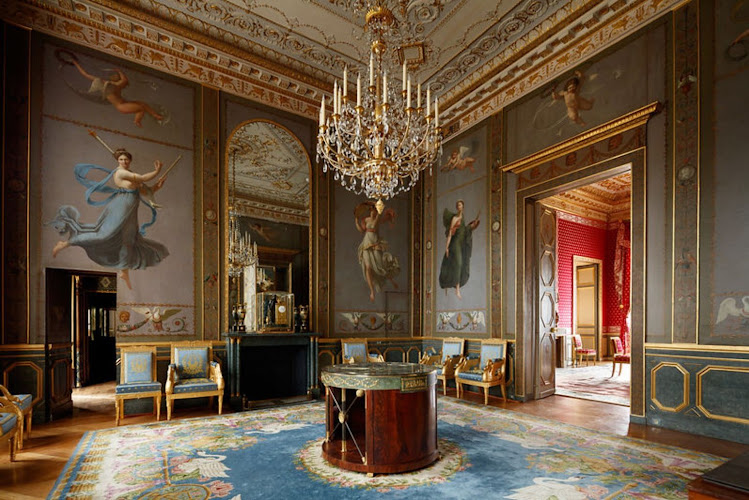
The Hôtel de Beauharnais, a luxurious 17th century hotel located in the heart of Paris, is a hidden gem that offers a glimpse into the city’s rich history. This stunning monument, located on the Champs Elysées and close to le musée du Louvre, the Musée d’Orsay, and the Arc de Triomphe, is a must-visit destination for anyone looking to explore Parisian culture. Built in the 18th century for the Beauharnais family, the Hôtel de Beauharnais has a rich history that is reflected in its opulent decor and architecture. The hotel’s stunning facade features intricate carvings and sculptures, while its interior boasts ornate furnishings and luxurious finishes. Visitors to the Hôtel de Beauharnais can explore its many rooms and galleries, which are filled with a stunning collection of art and artifacts. From the grand salon to the library, each space is a work of art in its own right, offering a unique glimpse into the history and culture of Paris. Whether you are a history buff or simply looking to experience the city’s rich culture, the Hôtel de Beauharnais is a must-visit destination. With its stunning architecture, opulent decor, and rich collection of art and artifacts, this hidden gem is sure to captivate and inspire visitors from around the world.
Principales caractéristiques
The Hôtel de Beauharnais, located in the 8th arrondissement, is a historical monument with a rich history. It served as the residence of Eugène de Beauharnais, the son of Empress Josephine, and features stunning architectural elements from the Napoleonic era.
Accessibilité et commodités
The museum provides accessibility features to accommodate visitors with disabilities, including wheelchair access and accessible restrooms. Additionally, visitors can enjoy amenities such as guided tours, a gift shop offering unique souvenirs, and audio guides available in multiple languages.
Planifier votre visite
To avoid crowds, it's best to visit the Hôtel de Beauharnais during the early morning hours or on weekdays. Visitors typically spend around 1 to 2 hours exploring the museum and its unique attractions. For a comprehensive experience, consider following the recommended itinerary to ensure you don't miss any highlights.
What Makes Hôtel de Beauharnais Notable
Hôtel de Beauharnais is an early 19th-century Parisian private mansion associated with Eugène de Beauharnais, the stepson of Napoleon Bonaparte. Its importance lies in that personal and political connection, as well as in the survival of a grand urban residence from the Napoleonic period. In Paris, an hôtel in this context means an hôtel particulier: a private mansion, not a conventional hotel.
The building now belongs to the German government and operates as the residence of the German Ambassador to France. That present-day diplomatic role is central to planning a visit: this is not a monument to approach as an independently operated museum. It is best appreciated as a historic residence whose public access, if offered, depends on official arrangements.
Location & Neighborhood Context
The listed address is 57 boulevard Haussmann, in the 8th arrondissement. Boulevard Haussmann is on Paris’s Right Bank and forms part of a broad, formal 19th-century streetscape associated with central shopping, offices and major boulevards. It makes a useful base for orienting a wider walk through the western side of central Paris rather than treating the mansion as a stand-alone stop.
The historical description also places Hôtel de Beauharnais on the Left Bank, so visitors should confirm the location and any access details directly with the official German diplomatic website before setting out. This check is especially worthwhile for a diplomatic residence, where entrances and visiting arrangements may not work like those of a public attraction.
Points forts des visiteurs
- Napoleonic-era context: a place of interest for visitors following the story of Eugène de Beauharnais and the period’s elite households.
- Residential architecture: an opportunity to understand the scale and purpose of an early 19th-century Parisian private mansion.
- Diplomatic continuity: the building’s current use by the German government adds a modern institutional layer to its history.
- Best suited to: architecture-minded walkers, history readers and visitors comfortable planning around limited or conditional access.
Practical Planning Tips
Start with the official German diplomatic information rather than assuming that the residence is open for walk-in visits. Check whether a public opening, a guided visit or advance registration is available, and verify the exact approach address before finalising your route. If entry is not available, keep expectations focused on the building’s historical significance and incorporate the area into a broader boulevard walk.
For a calmer look at the surrounding streets, plan an early-day weekday walk or allow time outside the busiest shopping periods. Leave flexibility in your itinerary: security procedures and official events can affect access at diplomatic premises. Avoid arriving with a tightly timed plan built around an unconfirmed visit.
Questions fréquemment posées
Is Hôtel de Beauharnais a hotel?
No. It is a historic private mansion; it now operates as the residence of the German Ambassador to France.
Can visitors go inside?
Do not assume public entry. Confirm current visiting arrangements through the official German diplomatic website before travelling.
What is the connection to Napoleon?
The mansion was built for Eugène de Beauharnais, who was Napoleon Bonaparte’s stepson.