
Description
Nestled in the heart of Paris’ 9th arrondissement, the Hôtel de Mademoiselle Mars is a hidden gem that’s well worth a visit. Despite its small size, this charming hotel boasts a rich history and a unique character that sets it apart from the rest. The Hôtel de Mademoiselle Mars is renowned for its intimate atmosphere, with only a handful of rooms available for guests. Each room is beautifully decorated in a French-style, with a small but comfortable bathroom for guests to enjoy. The hotel’s friendly and welcoming staff are always on hand to ensure that guests have a pleasant stay, and the food served at the hotel’s restaurant is simply exquisite. One of the hotel’s standout features is its impressive wine list, which includes some of the finest wines in the city. Whether you’re a connoisseur or simply looking to sample some of the best wines that Paris has to offer, the Hôtel de Mademoiselle Mars is the perfect place to do so. Despite its small size, the Hôtel de Mademoiselle Mars is ideally located within easy walking distance of some of the city’s most famous landmarks, including the Louvre and the Musée d’Orsay. So if you’re looking for a unique and intimate place to stay during your next visit to Paris, be sure to check out the Hôtel de Mademoiselle Mars.
Principales caractéristiques:
- The Hôtel de Mademoiselle Mars boasts a unique and tranquil setting, offering a calm and discreet atmosphere for visitors to enjoy.
- This historic landmark is home to the first historical Youth Hostel in Paris, adding to its distinctive appeal.
- Visitors can indulge in a delightful selection of antipasti, exquisite wines, champenoises, and craft beers, carefully sourced for an enhanced convivial experience.
Accessibilité et commodités :
- The museum is committed to accessibility, providing facilities to accommodate visitors with disabilities.
- Amenities include restrooms, dining options, and a gift shop, where visitors can find unique and curated items.
- Additionally, the museum offers a simple and unpretentious service, reflecting its welcoming and inclusive approach.
Planifier votre visite :
- To avoid crowds, it's advisable to visit during off-peak hours, particularly in the mornings on weekdays.
- On average, visitors spend about 1-2 hours exploring the museum and its offerings.
- A recommended itinerary includes savoring the tranquil ambiance, exploring the historical significance, and enjoying the carefully selected culinary offerings at the museum's bistro.
Hôtel de Mademoiselle Mars: a theatrical address in the 9th
At 1 rue de la Tour-des-Dames, the Hôtel de Mademoiselle Mars is a historic Parisian residence associated with Anne Françoise Hippolyte Boutet, better known as Mademoiselle Mars. A major actress of the Comédie-Française in the early 19th century, she belongs to the cultural history of Parisian theatre at a time when the stage held an especially prominent place in public life.
The interest here is chiefly biographical and urban rather than that of a large public monument. Its name preserves the connection between a celebrated performer and the residential world of the 9th arrondissement. Read it as part of a wider walk through the former Nouvelle Athènes: a district whose streets, private residences and cultural associations evoke the Paris of artists, writers and performers.
Location and neighbourhood context
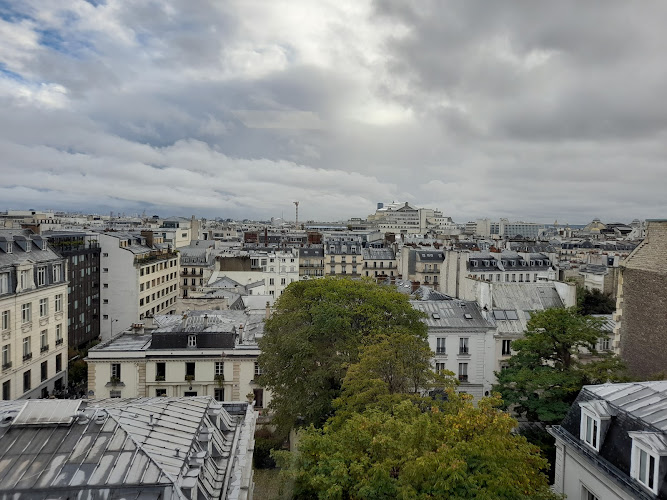
The address stands in the 9th arrondissement, on rue de la Tour-des-Dames, in the Saint-Georges area. This is a compact, uphill-from-the-boulevards part of central Paris, with a notably residential street pattern alongside theatres, cafés and everyday local life. It feels different from the monumental axes around the Opéra: quieter in scale, but still firmly connected to the city centre on foot.
Use the site as one stop in a neighbourhood walk rather than as a destination requiring a long visit. The streets around Saint-Georges reward unhurried observation of façades, doorways and the varied building fabric of the 9th. The area also provides a useful link between the Grands Boulevards and the slopes toward Montmartre, making it easy to combine with other cultural stops according to your interests.
Visitor highlights
- A theatre-history address: the residence is associated with Mademoiselle Mars, a leading Comédie-Française actress of the early 19th century.
- Parisian residential context: it gives substance to the lesser-known domestic side of the 9th arrondissement’s cultural history.
- An observant street stop: suited to visitors interested in literary, theatrical and biographical Paris, as well as historic architecture viewed from the public street.
- Easy to pair with a walk: best approached within a self-guided exploration of Saint-Georges and the Nouvelle Athènes.
Practical planning tips
Plan this as an exterior visit unless you have confirmed access directly in advance. Historic residences are not automatically open to the public, and visitors should respect entrances, residents and the ordinary rhythm of the street. There is no need to reserve a large part of the day: allow time to find the address, look at the building from the pavement and continue your walk through the quarter.
Morning is a good choice for a calmer look at the streetscape; late afternoon also works well if you are continuing toward nearby theatre and boulevard districts. Keep your route flexible. The value of this address lies in its association and setting, so pair it with places you have independently confirmed are open on your chosen day. If using the listed social channel for information, check recent updates before travelling.
Frequently asked questions
Who was Mademoiselle Mars?
Anne Françoise Hippolyte Boutet, known as Mademoiselle Mars, was a celebrated actress of the Comédie-Française during the early 19th century.
Can visitors go inside?
Public interior access is not established here. Treat the address as an exterior stop and confirm any access directly before making plans.
What is the best way to include it in an itinerary?
Include it on a walking route through Saint-Georges and the Nouvelle Athènes, focusing on the 9th arrondissement’s theatrical and residential history.