
Description
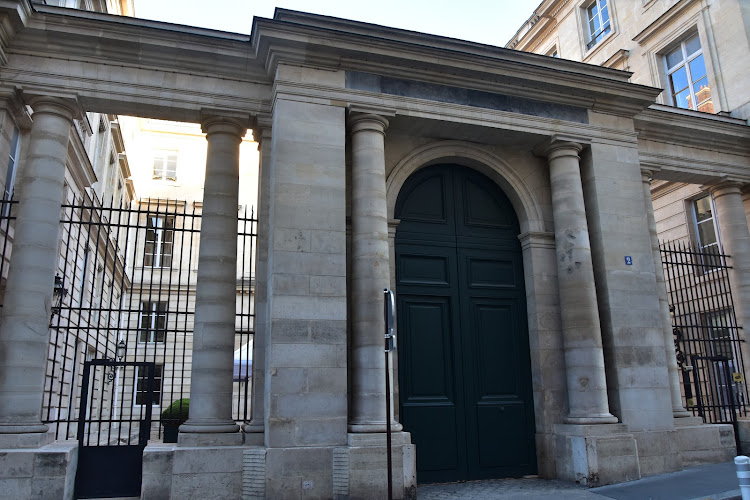
The Hôtel de Saint-Florentin, located in the heart of Paris, is a historic monument that is home to the famous Hôtel de la Monnaie. This site is significant for the history of Paris, as it was the place where the French Revolution began and where the French monarchy was overthrown. Today, the Hôtel de Saint-Florentin is also home to le Louvre Museum and the Musée d’Orsay, making it a must-visit destination for art lovers. The Louvre Museum, one of the world’s largest museums, is home to an impressive collection of art and artifacts, including the iconic Mona Lisa. The Musée d’Orsay, on the other hand, showcases a stunning collection of impressionist and post-impressionist art, including works by Monet, Van Gogh, and Degas. Visitors to the Hôtel de Saint-Florentin will not only be able to admire the art and history of Paris but also experience the grandeur of the building itself. The Hôtel de la Monnaie, located within the monument, is a stunning example of French neoclassical architecture. Its facade is adorned with sculptures and intricate details that are sure to impress. Overall, the Hôtel de Saint-Florentin is a must-see destination for anyone visiter Paris, especially those interested in art and history. Its rich history and impressive collection of art make it a truly unique and unforgettable experience.
Principales caractéristiques:
- The Hôtel de Saint-Florentin is a neoclassical 18th-century mansion, renowned for its historical significance as the former headquarters for the Marshall Plan's administration.
- Visitors can explore the remarkable architectural features of the mansion and immerse themselves in its rich history through the captivating collection on display.
Accessibilité et commodités :
- The museum is equipped with accessibility features to accommodate visitors with disabilities, ensuring an inclusive experience for all.
- Amenities include restrooms, dining options, and a gift shop, providing a convenient and comfortable visit for guests. Additionally, visitors can benefit from unique services such as audio guides and a coat check facility.
Planifier votre visite :
- The best times to visit the Hôtel de Saint-Florentin are during weekdays, particularly in the morning, to avoid larger crowds and fully appreciate the exhibits.
- On average, visitors spend about 1-2 hours exploring the museum and its collections. For an enriching experience, it is recommended to follow the suggested itineraries to ensure a comprehensive exploration of the landmark's offerings.
What Makes Hôtel de Saint-Florentin Notable
Hôtel de Saint-Florentin is an 18th-century aristocratic mansion at the corner of rue Saint-Florentin and Place de la Concorde. Built around 1767 for the Comte de Saint-Florentin, it belongs to the Parisian tradition of the hôtel particulier: a grand private urban residence rather than a conventional hotel. Its importance lies in both its position at one of Paris’s defining public squares and its connection with the political world of late-18th- and early-19th-century France.
The building later becomes associated with Talleyrand, giving it an additional place in the city’s diplomatic and political history. For visitors, its appeal is primarily architectural and contextual. It rewards a slow look at the scale and order of an aristocratic residence set against the monumental planning of Place de la Concorde, where broad perspectives and formal façades shape the experience of the surrounding streets.
Location and Neighborhood Context
The mansion stands in Paris’s 1st arrondissement, on the northern edge of Place de la Concorde. This is a highly formal part of central Paris: the square opens toward the Seine to the south and the Tuileries Garden to the east, while rue Saint-Florentin leads into a compact grid of historic streets. The setting suits an on-foot itinerary built around urban design, major public spaces and exterior architecture.
Approach from Place de la Concorde to understand the building in its intended civic setting, then continue on foot toward the Tuileries or through the nearby streets of the 1st arrondissement. The area is not a village-like quarter; it is defined by grand axes, government-era planning and a steady flow of pedestrians. Hôtel de Saint-Florentin works especially well as a short architectural stop between larger museum, garden or riverside walks.
Points forts des visiteurs
- An 18th-century hôtel particulier: See the form of a Parisian aristocratic townhouse in a prominent central location.
- Place de la Concorde context: Its corner position makes it useful for reading the relationship between private residences and monumental public planning.
- Historical association: The mansion’s links first to the Comte de Saint-Florentin and later to Talleyrand add depth to a walk through this political and ceremonial district.
- Meilleur pour: Architecture-minded walkers, history readers and visitors who prefer close observation of Paris streetscapes over a long interior visit.
Practical Planning Tips
Plan Hôtel de Saint-Florentin as an exterior-focused stop unless current official access information states otherwise. Give yourself time to view it from more than one angle, while staying aware of traffic and the busy crossings around Place de la Concorde. Morning generally provides a calmer atmosphere for looking closely at façades; later in the day, the square can feel more crowded.
There is no need to build a full day around this one address. Pair it with a walk through the Tuileries Garden, along the Seine, or around Place de la Concorde. If you hope to enter, check current arrangements directly before setting out: access to historic private or institutional buildings can be limited and may change without notice. Comfortable shoes are useful, as the best experience comes from continuing through the surrounding central districts on foot.
Questions fréquemment posées
Is Hôtel de Saint-Florentin a hotel?
No. In this context, “hôtel” means an aristocratic urban residence, or hôtel particulier, not visitor accommodation.
Where is Hôtel de Saint-Florentin?
It is at 2 rue Saint-Florentin, at the corner of Place de la Concorde in the 1st arrondissement.
Can visitors go inside?
Do not assume interior access. Confirm current entry conditions through official channels before planning an interior visit; the exterior and its setting remain the most dependable focus.