
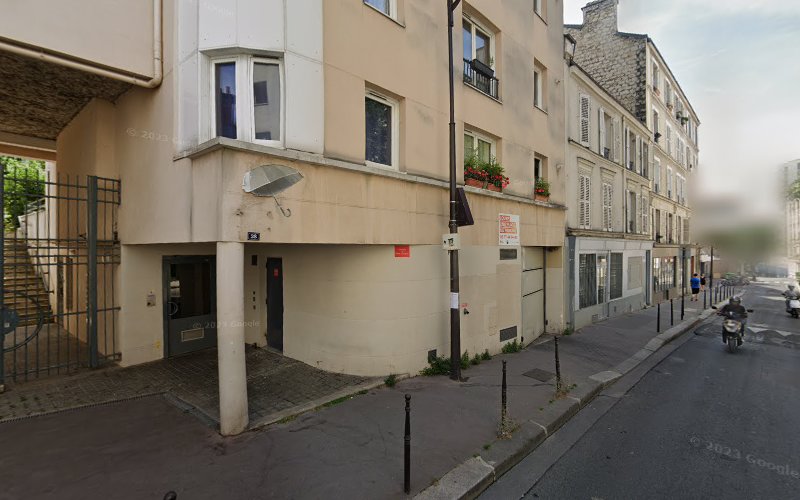
Description
Hôtel d’Ourscamp, located in the 4th arrondissement at 44-48 rue François-Miron, is one of Paris’s most iconic and luxurious 5-star hotels. This hotel has a long and fascinating history, dating back to its opening in 1880. The hotel has been owned and operated by the same family for nearly a century, and their commitment to excellence is evident in every detail of the hotel. The Hôtel d’Ourscamp is situated in the heart of Paris, just a short walk from the Seine and the tour Eiffel. It is also conveniently located near some of the city’s most famous landmarks, such as the Arc de Triomphe, the Louvre, and the Musée d’Orsay. What sets this hotel apart from others in the city is its unique blend of old-world charm and modern luxury. The hotel’s interior is a stunning combination of antique furnishings and contemporary design elements, creating a warm and inviting atmosphere that is sure to make guests feel at home. Whether you are looking for a romantic getaway, a family vacation, or a business trip, the Hôtel d’Ourscamp has something to offer everyone. From its luxurious accommodations to its world-class dining options, this hotel is the perfect destination for anyone looking to experience the best that Paris has to offer. So if you’re planning a trip to the City of Light, be sure to make the Hôtel d’Ourscamp your home away from home. With its rich history, stunning architecture, and unparalleled service, it is truly one of the most special places in all of Paris.
Principales caractéristiques:
- The Hôtel d'Ourscamp is a historical landmark located in the 4th arrondissement of Paris, known for its remarkable architecture and historical significance.
- The monument features stunning architectural elements that showcase the rich history of the region, making it a must-see for history and architecture enthusiasts.
Accessibilité et commodités :
- Le musée est équipé de fonctionnalités d'accessibilité pour accueillir les visiteurs handicapés, y compris un accès et des installations en fauteuil roulant.
- Visitors can enjoy amenities such as restrooms, and a gift shop offering unique souvenirs related to the museum and its exhibits.
Planifier votre visite :
- The best times to visit the Hôtel d'Ourscamp are during weekdays to avoid larger crowds, especially during peak tourist seasons.
- On average, visitors spend around 1-2 hours exploring the museum and its surroundings, making it an ideal stop for a half-day itinerary in the 4th arrondissement of Paris.
What Makes Hôtel d’Ourscamp Notable
Hôtel d’Ourscamp, also known as the Maison d’Ourscamp, is a rare survival of medieval domestic architecture in Paris. Dating from the 13th century, it offers a valuable counterpoint to the grand royal, religious and civic monuments more commonly encountered in the historic centre. Its importance lies in the survival of an urban building that speaks to everyday medieval Paris as well as to institutional life.
The house originally operates as the Paris residence of the Cistercian abbey of Ourscamp in Picardy. That origin helps explain its place in the city: it is not a palace or a conventional hotel in the modern sense, but a historic property linked to an abbey beyond Paris. Today, it is associated with Paris Historique, an organisation devoted to the preservation and understanding of Parisian heritage. The organisation is undertaking restoration work on the exceptional 13th-century cellar, adding a living conservation dimension to a visit or a closer look from the street.
Location and Neighbourhood Context
The monument stands on rue François-Miron in the 4th arrondissement, within the Marais. This is one of the most rewarding parts of central Paris to explore on foot: narrow historic streets, changing building scales and traces of older street patterns make the walk as meaningful as any single stop. The setting suits visitors who prefer to read the city through its fabric rather than move only between headline landmarks.
Rue François-Miron sits close enough to the Seine for the river to fit naturally into a walking route, while the surrounding Marais provides ample scope for a slower architectural ramble. Allow time to look upwards and along the façades rather than treating the address as a quick photograph. It also works well as a pause between walks through the central historic quarters and the riverfront.
Points forts des visiteurs
- A scarce example of 13th-century domestic architecture surviving in Paris.
- A direct connection with the Cistercian abbey of Ourscamp in Picardy and the wider networks that linked medieval Paris to religious institutions.
- An address in the Marais where the surrounding streets reward unhurried, on-foot exploration.
- The chance to understand heritage as an active process through the restoration of the 13th-century cellar.
- Especially suitable for architecture enthusiasts, medieval-history readers and travellers who enjoy looking beyond the city’s major monuments.
Practical Planning Tips
Approach Hôtel d’Ourscamp as a focused heritage stop within a wider Marais walk, rather than assuming it operates like a large museum. The building’s significance is architectural and historical, so take a few minutes to study the exterior and its relationship with the street. Morning is often a sensible choice for calmer pavement space and clearer viewing, while a weekday can make it easier to linger in this busy central district.
Access arrangements, guided visits and any interior opportunities can vary, particularly while restoration is in progress. Check Paris Historique directly before making a special journey, especially if you hope to join a group visit or learn more about the cellar. Combine the stop with nearby streets and the Seine rather than allocating a full day to the site alone.
Questions fréquemment posées
Is Hôtel d’Ourscamp a modern hotel?
No. Despite its name, it is a historic medieval property, not a hotel accommodation listing.
Why is the building historically important?
It is a rare surviving example of 13th-century domestic architecture and was once the Paris residence of the abbey of Ourscamp.
Can visitors go inside?
Interior access should be confirmed in advance with Paris Historique, which is based at the Maison d’Ourscamp and manages heritage activities there.