
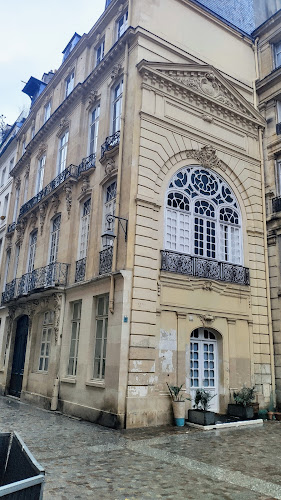
Description
The Hôtel du Barry, located in the 2nd arrondissement of Paris, is a true gem in the heart of the city. This elegant hotel boasts a prime location just a few minutes’ walk from the iconic tour Eiffel, as well as the famous Arc de Triomphe, the Louvre, Notre Dame, and the Opéra Garnier. Nestled in a quiet street, the Hôtel du Barry offers a peaceful retreat from the hustle and bustle of the city. Its proximity to the train station, underground, and bus station also makes it a convenient base for exploring all that Paris has to offer. The hotel’s charm lies in its classic Parisian architecture, which has been beautifully preserved over the years. Inside, guests are treated to luxurious accommodations, with spacious rooms and elegant furnishings that exude a sense of refinement and sophistication. Whether you are a history buff or simply looking for a relaxing getaway, the Hôtel du Barry has something for everyone. Its central location and timeless elegance make it the perfect choice for anyone seeking an unforgettable Parisian experience.
Principales caractéristiques
- The Hôtel du Barry is a historical landmark located in the 2nd arrondissement of Paris, known for its remarkable architecture and historical significance.
- Originally built in the 18th century, the monument boasts stunning architectural features, including ornate facades and intricate interior design.
- Visitors can explore the rich history of the Hôtel du Barry, learning about its past occupants and the cultural significance of the building.
Accessibilité et commodités
- The museum is equipped with accessibility features to accommodate visitors with disabilities, including wheelchair access and accessible restrooms.
- Amenities on-site include restrooms, a gift shop offering unique souvenirs, and the option for visitors to purchase audio guides for a more immersive experience.
Planifier votre visite
- The best times to visit the Hôtel du Barry are during weekdays, particularly in the morning, to avoid peak visitor traffic.
- On average, visitors spend approximately 1-2 hours exploring the museum, making it an ideal stop for a half-day itinerary in the 2nd arrondissement of Paris.
What Makes Hôtel du Barry Notable
Hôtel du Barry is a historic private mansion at 2 bis, 2 ter rue de la Jussienne in Paris’s 2nd arrondissement. Its name is associated with the Countess du Barry, remembered as the last official mistress of King Louis XV. That association gives this address a clear place in the social and political world of the late French monarchy, even though the building sits today within a compact central-business and residential quarter.
Listed as a historic monument, the former hôtel particulier is best approached as an architectural and historical point of interest rather than as a conventional museum. In Paris, the term hôtel particulier describes a grand urban private residence, not a hotel in the accommodation sense. The appeal here is the chance to notice a protected historic address within the ordinary fabric of central Paris and to connect it with the name of one of the Ancien Régime’s most recognisable figures.
Location & Neighborhood Context
Rue de la Jussienne lies in the 2nd arrondissement, a dense, highly walkable part of the Right Bank. The surrounding streets combine offices, shops, food addresses and older commercial buildings, with the Montorgueil area nearby. This is a useful stop for travellers already exploring central Paris on foot: the Louvre and Marais are both described by the property’s own listing as close to the area, while the street itself offers a quieter contrast to the major visitor routes.
The district rewards slow looking. Rather than treating Hôtel du Barry as a destination requiring a long visit, include it in a walk through the 2nd arrondissement’s narrow streets and changing building types. Keep an eye on the relationship between formal historic façades and the working, everyday character of the quarter. It is also a sensible addition to a wider central itinerary when you want a brief architectural pause between larger institutions and busier shopping streets.
Points forts des visiteurs
- A listed historic monument connected by name to the Countess du Barry and the final years of Louis XV’s reign.
- An opportunity to identify an hôtel particulier in a central Paris street setting.
- A compact stop for architecture-minded walkers exploring the 2nd arrondissement and the nearby Montorgueil area.
- Well suited to visitors who prefer neighbourhood history and exterior observation to a ticketed museum visit.
- Easy to combine with a self-guided walk through central Right Bank streets rather than scheduling as a stand-alone excursion.
Practical Planning Tips
Plan to view the building from the street unless you have independently confirmed access. A listed status does not in itself mean that interiors are open for visits, and travellers should not assume there is a reception, exhibition, ticket desk or public facilities. The address is also associated online with an apartment listing, so respect residents, entrances and the privacy of anyone using the property.
Morning is a good time for an unhurried look at the street and façade, while a daytime visit makes architectural details easier to read. Leave room in your itinerary for a short stop rather than building a full day around it. For the most reliable current access information, consult the relevant property contact or official listing before setting out; do not rely on old guidebook assumptions about entry.
Questions fréquemment posées
Is Hôtel du Barry a hotel where visitors can book a room?
No. In this context, “Hôtel” refers to a historic private mansion. It should not be confused with a conventional hotel.
Can visitors go inside Hôtel du Barry?
Public interior access is not confirmed. Treat it as an exterior architectural stop unless access has been verified in advance.
Why is the building historically important?
It is a listed historic monument associated with the Countess du Barry, the last official mistress of King Louis XV.