
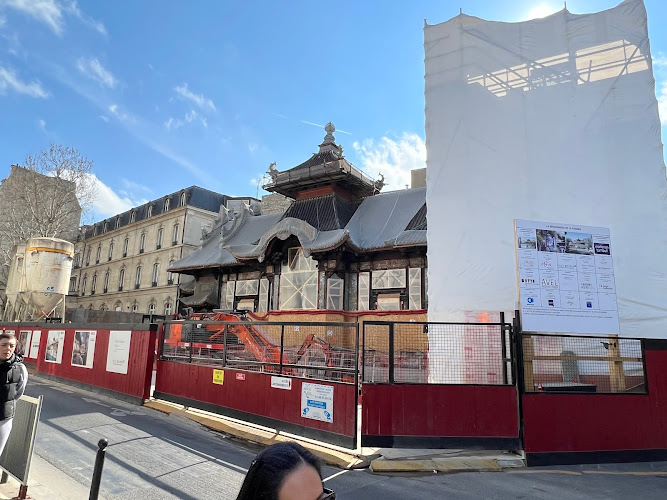
Description
La Pagode, located in the 7th arrondissement at 57 rue de Babylone, is a must-visit destination for anyone interested in history and religion. As the world’s oldest temple, it is one of the most famous buildings in the world, with a rich and fascinating history. Built in the 12th century, La Pagode is a place of immense historical and religious significance. It is the oldest building in the world, predating even the pyramids, and has been a place of worship for centuries. As such, it has been recognized by UNESCO as a World Heritage Site, and is a testament to the enduring power and beauty of religious architecture. Visitors to La Pagode will be struck by the beauty and intricacy of the building’s design, as well as the sense of history and tradition that permeates the temple. The pagoda’s ornate architecture and serene atmosphere make it a peaceful and contemplative place to spend an afternoon, and its location in the heart of Paris makes it a convenient stop for tourists and locals alike. Whether you are a history buff, a religious scholar, or simply someone looking for a unique and memorable experience in Paris, La Pagode is a destination that should not be missed. So why not take a step back in time and explore the world’s oldest temple for yourself?
Principales caractéristiques:
- La Pagode is a historic movie theater located in the 7th arrondissement of Paris.
- Originally built in 1896 as a replica of a pagoda, it is renowned for its unique architectural design and historical significance.
- The theater's distinctive appearance and rich cultural heritage make it a must-see attraction for visitors to Paris.
Accessibilité et commodités :
- La Pagode offers accessibility features to accommodate visitors with disabilities, including wheelchair access and restroom facilities.
- Visitors can enjoy amenities such as a movie theater, dining options, and a gift shop. Additionally, audio guides are available to enhance the visitor experience.
Planifier votre visite :
- The best times to visit La Pagode are during weekdays to avoid larger crowds, especially during evenings and weekends.
- Visitors typically spend around 1-2 hours exploring the theater and enjoying its amenities.
- Recommended itineraries include attending a movie screening, exploring the architectural details, and indulging in a leisurely dining experience at the on-site restaurant.
What Makes La Pagode Notable
La Pagode is one of Paris’s most immediately recognisable architectural surprises: a Japanese-style pagoda on rue de Babylone in the 7th arrondissement. Built in 1896 as a private mansion, it stands apart from the district’s largely restrained streetscapes with an ornamental, theatrical silhouette that rewards a slower look from the pavement.
The building later became a celebrated art-house cinema, adding a significant chapter of Paris film culture to its architectural story. Listed as a historic monument, La Pagode is best understood as an unusual meeting point of private residential history, decorative design and cinema-going memory. It is not a conventional religious site; its pagoda form is the defining visual reference.
Location & Neighborhood Context
La Pagode stands at 57 rue de Babylone, in the 7th arrondissement on Paris’s Left Bank. This is a composed, residential and institutional part of the city, where broad avenues, embassies, gardens and handsome apartment buildings shape the walk. The monument makes an effective architectural detour rather than a full-day destination on its own.
The address is well placed for an unhurried exploration of the adjoining Left Bank streets. Continue on foot towards the shopping streets around Le Bon Marché, or build it into a longer wander in the direction of Saint-Germain-des-Prés. The Seine lies north of the neighbourhood and can be reached as part of a broader central Paris walk. Allow time to notice how unexpectedly the pagoda’s decorative language appears within its otherwise formal Parisian setting.
Points forts des visiteurs
- An exceptional façade: the Japanese-style design offers a sharp contrast with the surrounding 7th-arrondissement architecture.
- A layered history: it began as a private mansion in 1896 and later gained renown as an art-house cinema.
- Historic-monument status: its protected designation underlines the importance of both the building and its distinctive character.
- Ideal for architecture and cinema enthusiasts: it particularly suits visitors interested in unusual Paris buildings, decorative styles and film heritage.
- A thoughtful walking stop: pair it with nearby Left Bank streets rather than treating it as an isolated sightseeing appointment.
Practical Planning Tips
Plan to see La Pagode in daylight, when its exterior details and relationship to the street are easiest to appreciate. Morning can feel calmer for photography and close observation; later in the day works well if it forms part of a wider Left Bank stroll. Leave room in your schedule for a short pause rather than trying to rush between major landmarks.
Access to historic buildings and cultural venues can change, so check current official information before making a special journey for an interior visit, screening or event. If public access is available, reserve ahead where required and arrive with time to find the entrance. Respect the residential character of rue de Babylone: keep the visit quiet, avoid blocking doorways and treat the building as part of a lived-in neighbourhood.
Questions fréquemment posées
What is La Pagode?
La Pagode is a Japanese-style building in Paris’s 7th arrondissement, built in 1896 as a private mansion and later associated with art-house cinema.
Is La Pagode a historic monument?
Yes. La Pagode is listed as a historic monument, recognising its distinctive architecture and cultural importance.
Can visitors go inside La Pagode?
Interior access may depend on current programming and arrangements. Check official information before visiting if entering the building is essential to your plans.