
Description
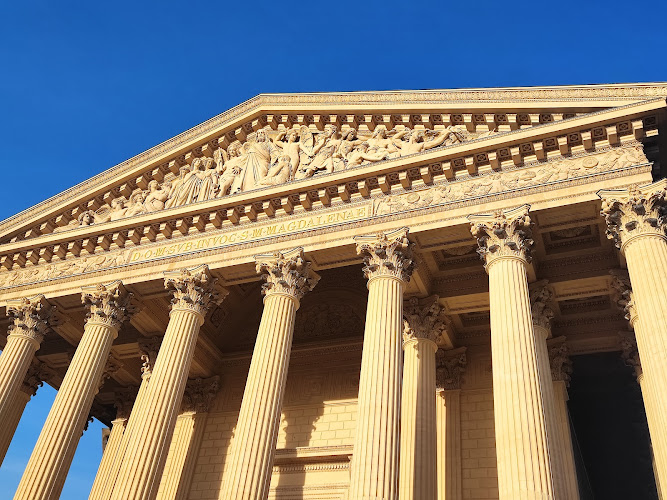
Lavatory Madeleine is a grand palace located in the 8th arrondissement of Paris. Built in 1805, the palace was once the residence of Napoleon Bonaparte and later used as a museum. Today, the palace has been transformed into a hotel and restaurant, offering guests a chance to experience its grandeur firsthand. One of the highlights of Lavatory Madeleine is its large garden, located on the first floor of the palace. Filled with a variety of flowers and shrubs, including roses, lilies, hyacinths, tulips, daffodils, irises, and lilacs, the garden is a beautiful area to walk in and explore. In addition to its stunning garden, Lavatory Madeleine is also home to several museums, including the Museum of History, the Museum of Decorative Arts, and the Museum of Fine Arts. Each museum offers a unique glimpse into different aspects of Parisian culture and history. Whether you are a history buff, an art lover, or simply looking for a beautiful place to stay, Lavatory Madeleine is a must-visit destination in Paris. With its rich history, stunning architecture, and beautiful gardens, this grand palace is sure to leave a lasting impression on all who visit.
Principales caractéristiques
- The Lavatory Madeleine, located in the 8th arrondissement, is a unique public bathroom with a rich history dating back to [year].
- The lavatory's architectural features showcase a blend of historical significance and modern amenities, making it a must-see attraction in the area.
Accessibilité et commodités
- The Lavatory Madeleine is equipped with accessibility features to accommodate visitors with disabilities, including ramps and handrails for ease of access.
- Visitors can enjoy amenities such as clean and well-maintained restrooms, along with the convenience of nearby dining options and a gift shop.
- Unique services offered at the lavatory include informative audio guides and a convenient coat check service.
Planifier votre visite
- To avoid crowds, it is best to visit the Lavatory Madeleine during off-peak hours, especially in the late morning or early afternoon.
- On average, visitors spend approximately [time] exploring the lavatory, making it an ideal stop during a comprehensive tour of the area.
- Recommended itineraries could include a visit to nearby landmarks and attractions, followed by a refreshing stop at the Lavatory Madeleine.
What Makes Lavatory Madeleine Notable
Lavatory Madeleine is an unusual Parisian monument: a historic public restroom beneath Place de la Madeleine, valued for the care given to its Art Nouveau interior rather than for monumental scale. Its early-20th-century ceramic decoration and woodwork turn an everyday civic facility into a small piece of decorative architecture. It offers a revealing counterpoint to the imposing church above and the formal streets that meet at the square.
The appeal lies in the details. This is not a palace, museum or garden, but a functional public space whose ornament has survived as part of Paris’s urban design heritage. Visitors interested in Art Nouveau, historic interiors and the overlooked infrastructure of the city will find it particularly rewarding. It is also a reminder that public conveniences once received the same visual attention as many other elements of the Paris streetscape.
Location & Neighborhood Context
The lavatory is at 16 place de la Madeleine in the 8th arrondissement, beneath the busy square around La Madeleine. This is a central Right Bank setting with broad streets, department-store and shopping districts within walking distance, and a strong mix of offices, food shops and established retail. The atmosphere is more polished and commercial than village-like, especially on weekdays.
Place de la Madeleine works well as part of a walk rather than as a long standalone stop. Rue Royale leads south toward Place de la Concorde and the Tuileries area, while the streets to the north connect with the Grands Boulevards and the department-store quarter. The Seine is reachable on foot via the Concorde side of the neighborhood. Allow time to navigate the square carefully: its traffic, crossings and several converging streets can make orientation less immediate than on a simple boulevard.
Points forts des visiteurs
- Art Nouveau character: Original ceramic and woodwork décor give a practical underground facility an unexpectedly refined historic identity.
- An offbeat architectural stop: It suits travelers who enjoy design details and small-scale Paris heritage beyond major museums and monuments.
- A useful central location: Its position at Place de la Madeleine makes it easy to incorporate into a walk through the 8th arrondissement.
- A different view of city planning: The site highlights how public amenities can form part of a city’s architectural story.
Practical Planning Tips
Approach Lavatory Madeleine as a brief architectural detour or a practical stop during a wider exploration of the area. It is most comfortable to look for it outside the busiest commuting, shopping and meal periods, when the square and surrounding pavements are generally easier to negotiate. Keep expectations proportionate: the interest is concentrated in the surviving decorative scheme and the rarity of the setting, not in a lengthy visit.
There is no need to build a full itinerary around it, but it pairs naturally with time around La Madeleine, Rue Royale and the walk toward Concorde. As this is a working public facility, access and conditions can change. Check current local information before relying on it during a tightly scheduled day, and treat the interior with the same consideration you would any shared public space.
Questions fréquemment posées
Where is Lavatory Madeleine?
It is beneath Place de la Madeleine, at 16 place de la Madeleine in Paris’s 8th arrondissement.
Why is it considered notable?
It is a historic Art Nouveau public restroom known for its original early-20th-century ceramic and woodwork décor.
Is Lavatory Madeleine a major sightseeing stop?
It is best regarded as a short, distinctive stop for architecture and design enthusiasts while exploring the Madeleine and Concorde area.