
Description
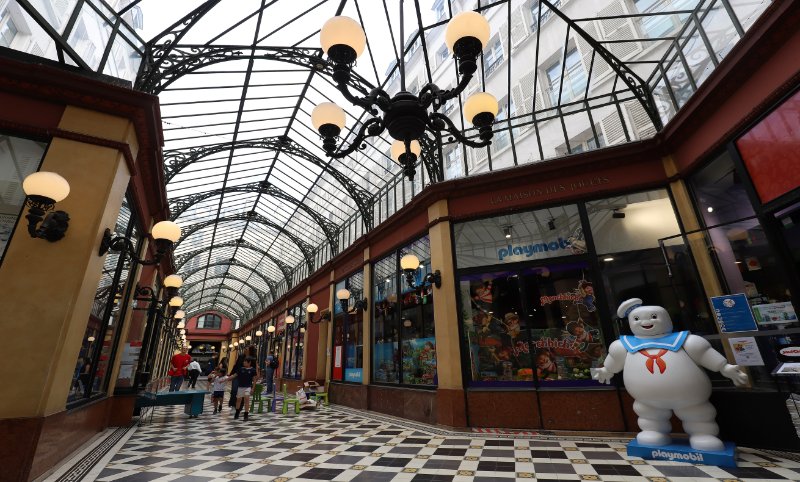
Paris is a city that is full of surprises. From the iconic tour Eiffel to the quaint cobblestone streets, it is a place that has something for everyone. One of the hidden gems of Paris is the Passage des Princes, located in the 2nd arrondissement. This charming shopping arcade is located at 95-99 rue de Richelieu, 5 bis boulevard des Italiens, and 2 rue d’Amboise. It is a true testament to the city’s rich history and culture, with its ornate architecture and unique shops. The Passage des Princes is a great place to explore if you are looking for something off the beaten path. It is home to a variety of shops, including toy stores, bookstores, and even a magic shop. The arcade is also a great place to grab a bite to eat, with its selection of cafes and restaurants. One of the highlights of the Passage des Princes is the Musée de la Poupée, or the Doll Museum. This museum is a must-see for anyone interested in dolls and toys. It features a collection of over 500 dolls, ranging from antique dolls from the 19th century to modern dolls from around the world. In addition to the Doll Museum, the Passage des Princes is also home to the Musée Grévin, a wax museum that features lifelike wax figures of famous people from history, politics, and entertainment. Overall, the Passage des Princes is a unique and fascinating place to explore in Paris. Whether you are interested in shopping, history, or culture, there is something for everyone in this charming arcade.
Principales caractéristiques:
- The Passage des Princes, located in the 2nd arrondissement, is a historical landmark with a rich history dating back to the 19th century.
- This iconic passage is renowned for its stunning architectural features, including glass ceilings, ornate ironwork, and charming storefronts, creating a picturesque and enchanting atmosphere for visitors.
Accessibilité et commodités :
- Le musée est équipé de fonctionnalités d'accessibilité pour accueillir les visiteurs handicapés, y compris un accès et des installations en fauteuil roulant.
- Amenities include restrooms, dining options, and gift shops, providing visitors with a convenient and enjoyable experience. Additionally, audio guides are available to enhance the exploration of the passage's unique offerings.
Planifier votre visite :
- The best times to visit the Passage des Princes are during weekdays and early mornings to avoid crowds and fully appreciate the serene ambiance.
- Visitors typically spend around 1-2 hours exploring the passage and its attractions, including the diverse collection of shops and historical landmarks. A recommended itinerary includes leisurely strolling through the passage, admiring the architecture, and indulging in the unique shopping experience.
What Makes Passage des Princes Notable
Passage des Princes is a covered shopping arcade in Paris’s 2nd arrondissement, built in 1860. It belongs to the city’s long tradition of passages: sheltered routes that combine circulation, shopfronts and the close-grained atmosphere of central Paris. Rather than approaching it as a major museum-style monument, visit it as an architectural fragment of nineteenth-century Paris that remains part of everyday retail life.
Its present identity is closely tied to toy shops, making it a particularly useful stop for families and anyone looking for a change of pace from large landmarks. The covered setting gives the visit a contained, easy-to-navigate character. It works well as a short destination in its own right or as a pause while exploring the streets around the Grands Boulevards.
Location & Neighborhood Context
The passage sits in the 2nd arrondissement, a central district where commercial streets, historic passages and the Grands Boulevards meet. Its listed addresses are 95 and 99 rue de Richelieu, 5 bis boulevard des Italiens, and 2 rue d’Amboise. This cluster of entrances makes it easy to incorporate into a walking route rather than treating it as an isolated stop.
Rue de Richelieu provides a direct, urban approach, while boulevard des Italiens places the arcade in the wider theatre-and-boulevard landscape of central Paris. Allow time to look at the surrounding street pattern: the appeal of this part of the 2nd is often in moving between short passages, broad boulevards and smaller connecting streets.
Points forts des visiteurs
- An 1860 covered arcade: a concise encounter with the nineteenth-century passage format in central Paris.
- A toy-focused destination: especially appealing for children, families and visitors seeking gifts or playful browsing.
- Sheltered exploration: the covered route is a sensible addition to a walking day when the weather is less inviting.
- Several listed access points: rue de Richelieu, boulevard des Italiens and rue d’Amboise help it fit naturally into an onward walk.
- A manageable stop: suitable for visitors who prefer a brief architectural and shopping interlude over a lengthy attraction visit.
Practical Planning Tips
Visit during the daytime if you want to appreciate the passage as part of the surrounding cityscape and combine it with nearby streets. Start at whichever of the listed entrances best suits your route, then continue on foot rather than doubling back. The arcade is compact, so it is best paced as one element of a wider 2nd-arrondissement walk.
If toy shopping is central to your visit, check individual retailers directly before making a special journey, as shop schedules and stock can change. Families may find it easiest to plan a flexible stop rather than a tightly timed appointment. On busy central-Paris days, a calmer approach is to browse briefly and return to the boulevard only once everyone is ready to continue.
Questions fréquemment posées
What is Passage des Princes?
It is a covered shopping arcade in Paris’s 2nd arrondissement, built in 1860 and now particularly associated with toy shops.
Is Passage des Princes good for families?
Yes. Its toy-shop focus makes it one of the more family-oriented stops among central Paris’s historic shopping passages.
Where are the entrances to Passage des Princes?
The listed addresses are 95 and 99 rue de Richelieu, 5 bis boulevard des Italiens, and 2 rue d’Amboise.