
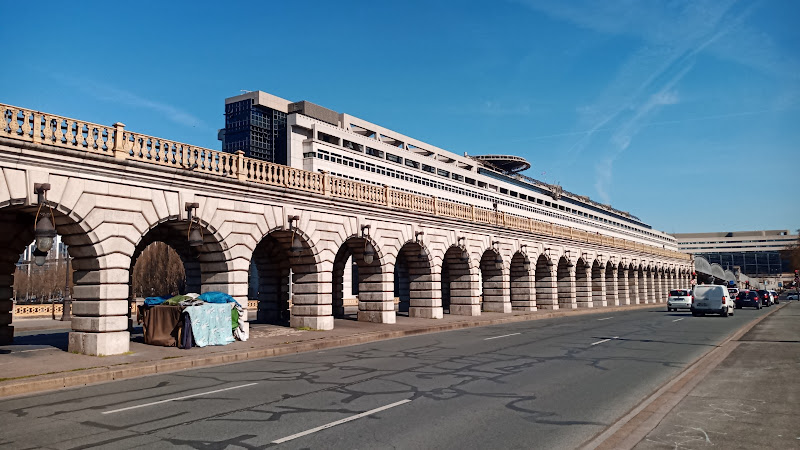
Description
The Pavillon de l’ancienne douane, located in the 12th arrondissement of Paris, is a historic gem that should not be missed. As the oldest building in Paris, this monument holds a special place in the city’s rich history. Originally built in the 18th century as a customs house, the Pavillon de l’ancienne douane has been repurposed over the years and now serves as a cultural center. The Pavillon de l’ancienne douane’s location in the heart of the city makes it easily accessible for visitors. The building itself is a stunning example of neoclassical architecture, with a grand facade and intricate details that will leave you in awe. Inside, you’ll find a range of exhibitions and events that showcase the best of Parisian culture. One of the highlights of the Pavillon de l’ancienne douane is its commitment to showcasing contemporary art. The center hosts regular exhibitions featuring emerging and established artists from around the world. From painting and sculpture to multimedia installations, there’s always something new and exciting to discover at this museum. In addition to its art exhibitions, the Pavillon de l’ancienne douane also hosts a range of cultural events throughout the year. From music performances to film screenings, there’s always something happening here that will pique your interest. Overall, the Pavillon de l’ancienne douane is a must-visit for anyone interested in Parisian history and culture. With its stunning neoclassical architecture and commitment to showcasing contemporary art, this museum is a true gem in the heart of the city.
Principales caractéristiques
The Pavillon de l'ancienne douane, located in the 12th arrondissement, showcases the history and significance of the federal government office and the Department of Finance. Visitors can explore the unique architectural features of the building, which has stood as a symbol of administrative governance for decades. The museum offers a comprehensive collection that highlights the evolution of financial governance in the region.
Accessibilité et commodités
The museum is committed to providing accessibility for all visitors, with facilities including wheelchair access, restrooms equipped for individuals with disabilities, and tactile exhibits. Additionally, visitors can enjoy the convenience of audio guides, a gift shop offering unique historical memorabilia, and a café serving refreshments.
Planifier votre visite
To avoid crowds, it's best to plan a visit during weekdays and arrive early in the morning. Visitors typically spend around 1-2 hours exploring the museum and its exhibits. A recommended itinerary includes starting with the historical exhibits on the ground floor before delving into the evolution of financial governance on the upper levels.
What Makes the Pavillon de l’ancienne douane Notable
The Pavillon de l’ancienne douane is a surviving point of reference for Paris’s former customs and toll administration. Its interest lies less in spectacle than in the way it recalls the practical systems that once regulated goods and movement around the capital. For travellers who want to read Paris beyond its headline landmarks, it offers a concise lesson in the city’s economic and administrative history.
Located at 139 rue de Bercy in the 12th arrondissement, the pavilion belongs to a part of Paris shaped by transport, commerce and public administration. The name itself points to its original customs function, while its continued presence makes it an architectural trace of a former urban infrastructure. It works particularly well as a short, observant stop on a walk rather than as the sole destination for an afternoon.
Location and Bercy Neighborhood Context
Rue de Bercy runs through an east-Paris area where historic working landscapes meet large-scale contemporary planning. The 12th arrondissement is broad and varied: Bercy has a more open, institutional character than the dense central quarters, and it rewards visitors who enjoy noticing how Paris changes beyond the historic core. The Seine is close by, so the pavilion can fit naturally into a riverside-oriented itinerary.
Approach the building as part of a wider neighborhood walk. Look at its relationship to the street and to the surrounding administrative environment, then continue toward the river or through Bercy’s public spaces. This is not an area that needs to be rushed; the contrast between an old customs remnant and its later surroundings is central to the experience.
Points forts des visiteurs
- A link to Paris’s commercial past: the former customs role gives context to the city’s historic management of trade and circulation.
- An architectural detail on a larger walk: it suits visitors building an itinerary around Bercy, the Seine and the 12th arrondissement.
- A focused stop for urban-history enthusiasts: the site is especially relevant to those interested in administration, infrastructure and the evolution of Parisian boundaries.
- A useful contrast: its historic identity stands against a neighborhood marked by major civic and transport-oriented development.
- An exterior-first visit: appreciate the building from public space and treat any interior access as subject to the site’s current arrangements.
Practical Planning Tips
Plan this as a brief daytime stop, when façades and street relationships are easiest to observe. Weekday activity can make the area feel more businesslike, while a weekend walk may offer a quieter pace; in either case, allow time to continue through Bercy rather than making a special trip solely for the pavilion.
As this is associated with government administration, do not assume that the interior is open for casual visits or that a tour is offered. Check current access information through the official Ministry of Economy and Finance website before travelling, particularly if your interest extends beyond viewing the exterior. Keep plans flexible and pair the stop with nearby public outdoor routes.
Questions fréquemment posées
What is the Pavillon de l’ancienne douane?
It is a historic former customs pavilion, valued as a reminder of Paris’s earlier toll and customs infrastructure.
Where is the pavilion?
It stands at 139 rue de Bercy, in Paris’s 12th arrondissement, in the Bercy area near the Seine.
Can visitors go inside?
Public interior access should not be presumed. Confirm current arrangements through the official Ministry of Economy and Finance website before your visit.