
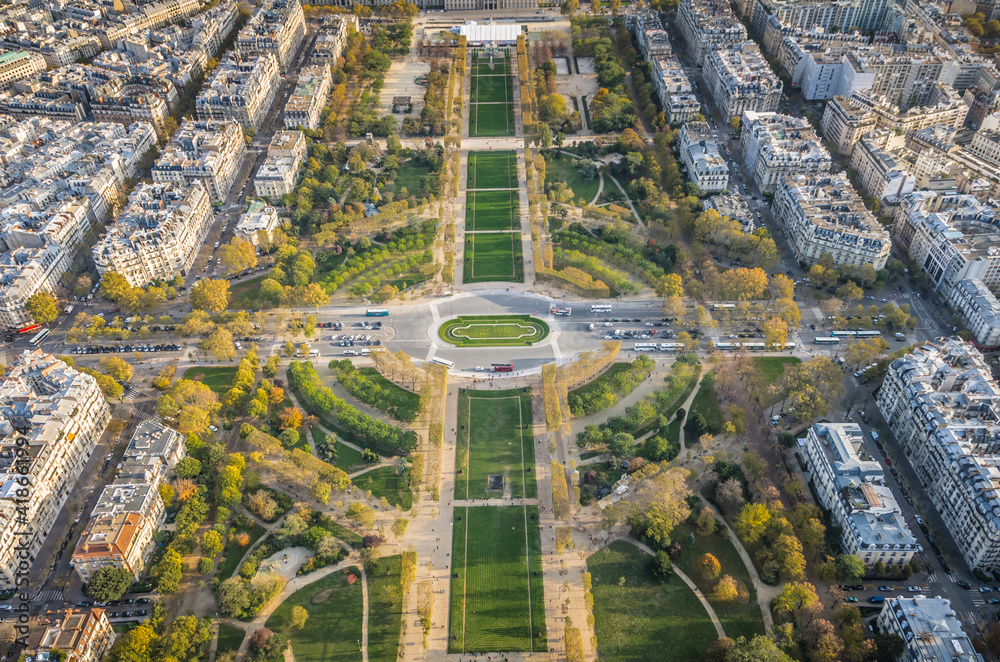
In 2026 the most expensive arrondissement in Paris is the 6th (Saint-Germain-des-Prés), where apartments trade at roughly 14,500–17,000 € per square metre. Le 7ème follows at about 14,000–16,500 €/m², then the 4th et le 1er at roughly 13,500–15,500 €/m². Paris as a whole sits near 9,500–10,500 €/m². Two things surprise most readers: the 16th is not in the top four on price despite its old-money reputation, and the priciest districts by property price are not quite the same four as the richest districts by household income. This page gives both rankings, with the figures and the sources behind them.
Disclosure: this page contains one affiliate link. If you book through it, we may earn a commission at no extra cost to you. It does not affect the prices or the rankings above.
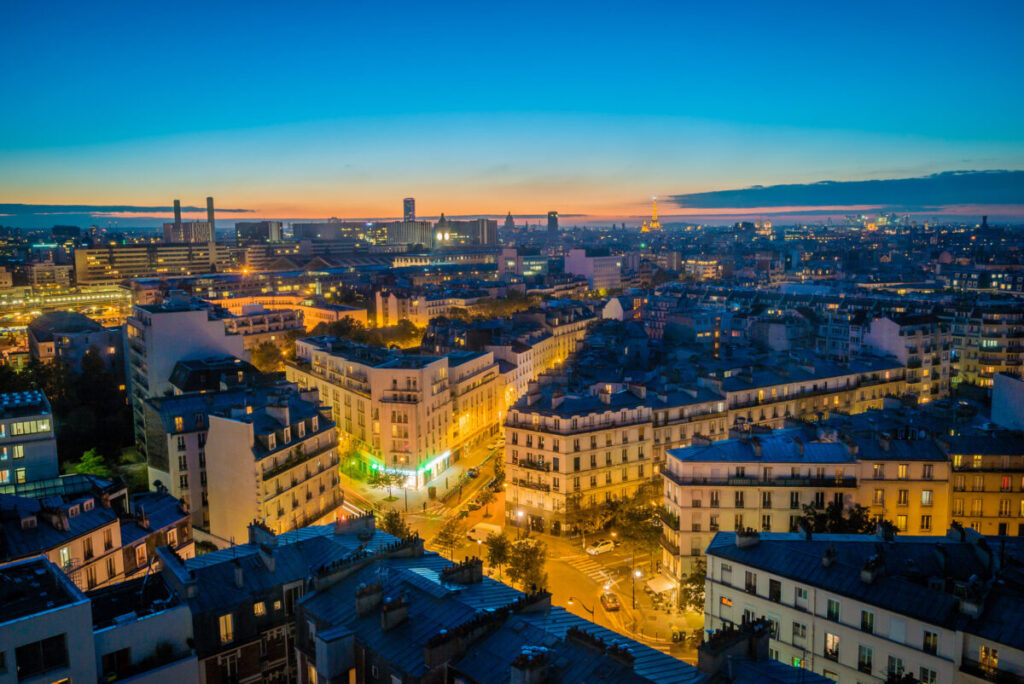
Which arrondissement is the most expensive in Paris in 2026?
The 6th arrondissement is the most expensive by price per square metre, and the 7th is close enough that the two swap places depending on whose data you read. Below are two independent 2026 readings of the same market, shown side by side rather than averaged, because they measure different things: one tracks recorded notaire transactions, the other blends recorded sales with agency asking prices.
Arrondissement | Best known for | 2026 range (€/m²) | 2026 single estimate (€/m²) |
|---|---|---|---|
6ème | Saint-Germain-des-Prés, Odéon, Luxembourg | 14,500–17,000 | 16,400 |
7ème | Eiffel Tower, Invalides, Rue du Bac | 14,000–16,500 | 15,900 |
4th | Le Marais, Île Saint-Louis | 13,500–15,500 | 14,200 |
1er | Louvre, Palais-Royal, Les Halles | 13,000–15,500 | 13,700 |
8th | Champs-Élysées, Avenue Montaigne, Monceau | 11,500–14,500 | 14,100 |
5th | Quartier Latin, Mouffetard | 12,500–14,500 | 13,400 |
3rd | Haut Marais, Arts-et-Métiers | 12,500–14,500 | 13,200 |
16ème | Passy, Auteuil, Trocadéro | 10,500–14,000 | 11,800 |
Paris average | — | 9,500–10,500 | 11,100 |
19th (cheapest) | Buttes-Chaumont, La Villette | 8,000–10,000 | 9,000 |
The gap between the two columns is the story. Notaires-based series for older apartments put the Paris average nearer 9,580 €/m² in the first quarter of 2026, and a separate August 2026 index reads 9,811 €/m², down 4.8% over two years. Agency-blended estimates land closer to 11,100 €/m². Any page quoting one number to the euro is quoting one methodology and calling it the market.
Is the most expensive arrondissement also the richest?
No. The most expensive districts by property price and the richest districts by resident income overlap, but they are not the same list. Property price rewards scarcity and small central apartments; household income reflects who actually lives there. The 7th tops the income table; the 6th tops the price table; the 16th makes the income top four and misses the price top four.
Rank | Richest by median standard of living (INSEE) | Most expensive by price (€/m²) |
|---|---|---|
1 | 7th — 43,804 € per year | 6ème |
2 | 8th — 42,531 € per year | 7ème |
3 | 6th — 40,779 € per year | 4th |
4 | 16th — 40,532 € per year | 1er |
Inside the 7th, the statistical block INSEE calls Gros Caillou 6, between Les Invalides and the Eiffel Tower, records the highest incomes of any comparable unit in France. INSEE also notes that the western arrondissements (6th, 7th, 8th, 14th, 15th, 16th and 17th) carry the widest internal income gaps in the Île-de-France region, so a district average hides a great deal.
How are the arrondissements numbered?
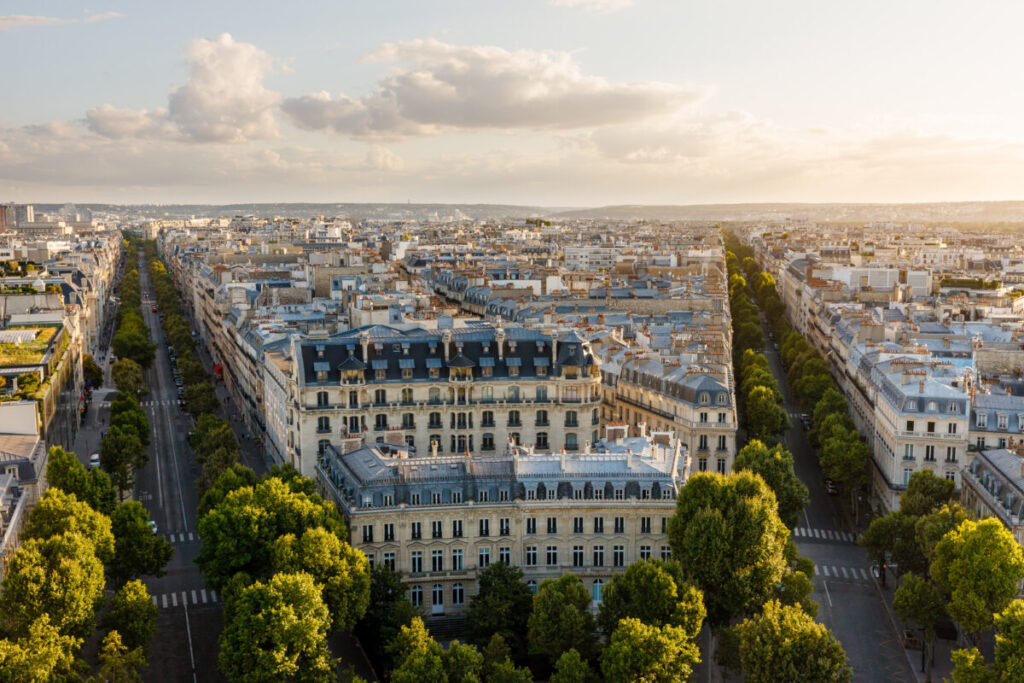
Paris is divided into 20 administrative districts called arrondissements. They spiral clockwise from the centre, beginning with the 1st at the Louvre and winding outwards like a snail shell to the 20th at Père-Lachaise. The number is the last two digits of the postcode: 75006 is the 6th, 75016 is the 16th. Price follows that spiral loosely at best. The old assumption that the Left Bank is dear and the Right Bank cheap no longer holds; in 2026 the sharper divide runs between the centre and west on one side and the north-east on the other, with the 6th, 7th, 8th and 16th all above 11,000 €/m² on either bank.
7th arrondissement: the richest address, second on price
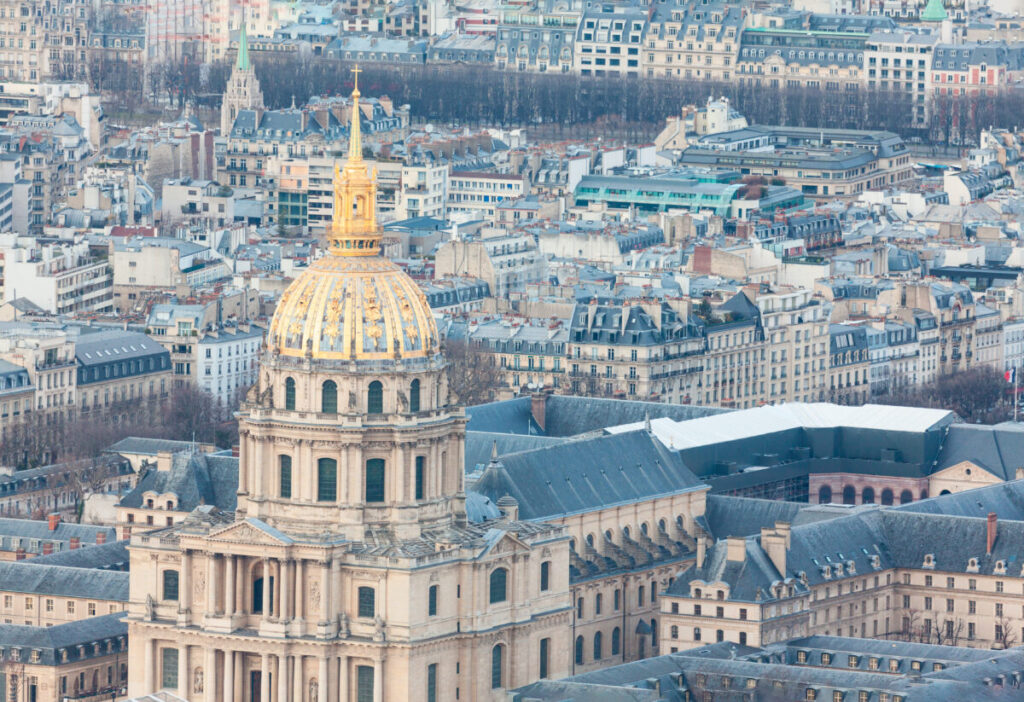
The 7th arrondissement has the highest median household income in Paris at 43,804 € a year, and apartments there run about 14,000–16,500 €/m², second only to the 6th. It runs along the Left Bank from the edge of Saint-Germain to the Champ-de-Mars, bordered by the 15th to the south.
Three things keep the price there. Supply is unusually tight, because ministries, embassies and the Les Invalides complex occupy a large share of the ground that would otherwise be housing. Second, the residential stock skews to large family apartments, which in Paris carry a 15–20% premium per square metre over studios. Third, the addresses around the tour Eiffel and Rue du Bac sell to buyers who are not borrowing, which insulates them when rates move.
For visitors the draw is the density of major institutions inside walking distance: the Musée du Quai Branly, le Musée d’Orsay in its converted railway station, the Champ de Mars and the Invalides gardens. If you are only visiter Paris, this is the arrondissement where the sightseeing map and the price map overlap most closely.
Voir connexe : Moulin Rouge Paris : une expérience scintillante revue
6th arrondissement: the price leader
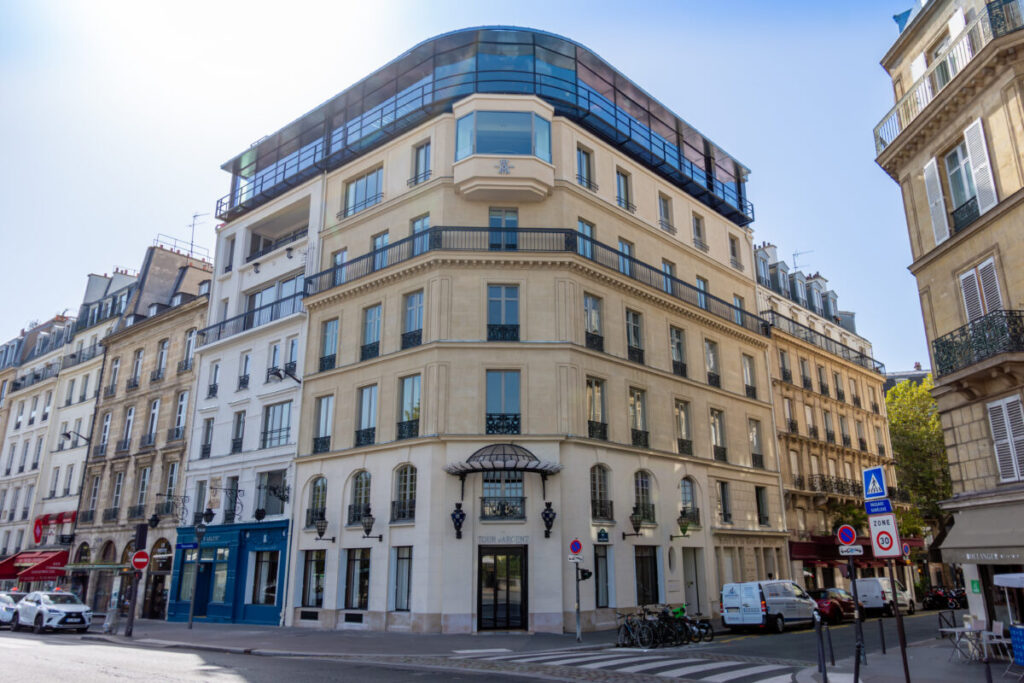
The 6th arrondissement, Saint-Germain-des-Prés, carries the highest price per square metre in Paris at roughly 14,500–17,000 €/m², and it is the one district on the price podium where values slipped slightly over the past twelve months rather than rising. It sits on the Left Bank between the 7th and the Quartier latin.
The Abbey of Saint-Germain-des-Prés, founded in the 6th century, made the quarter the centre of church power in medieval Paris; the Luxembourg Palace on Rue de Vaugirard now houses the French Senate. That history left an unusually small building footprint of narrow streets and low block sizes, and scarcity is what the price is measuring. Galleries, publishers, food shops and the Jardin du Luxembourg do the rest.
8th arrondissement: luxury retail, mid-table on housing
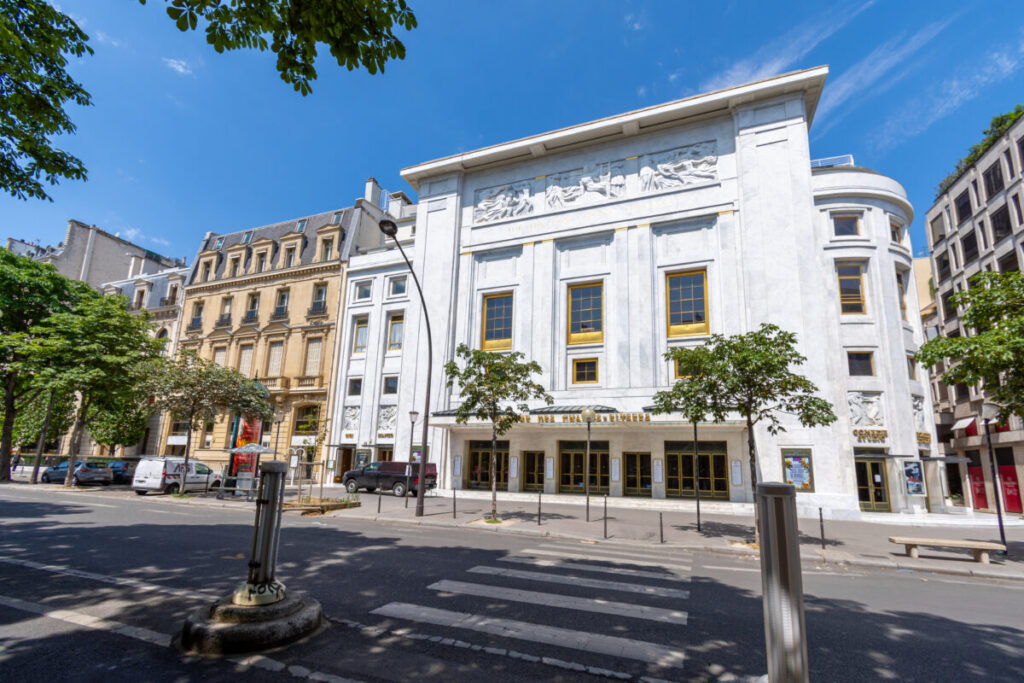
The 8th arrondissement holds the second-highest household income in Paris at 42,531 € a year, yet its residential price range is wide, roughly 11,500–14,500 €/m². The reason is that a large part of the 8th is not housing at all. Offices, hotels, embassies and the retail spine of the Champs-Élysées take up the ground, so the residential sample is smaller and more varied than the district’s reputation suggests.
Avenue Montaigne is the exception that sets the tone. The Chanel, Dior and Louis Vuitton flagships sit on a short tree-lined avenue between the Champs-Élysées and the Seine, minutes from the Grand Palais, the Palais de l’Élysée and Place Vendôme just over the boundary in the 1st. Prices on that avenue and around Parc Monceau sit far above the district average, which is exactly why an arrondissement-level figure is the wrong tool for a street-level question.
16th arrondissement: a reputation ahead of its price rank
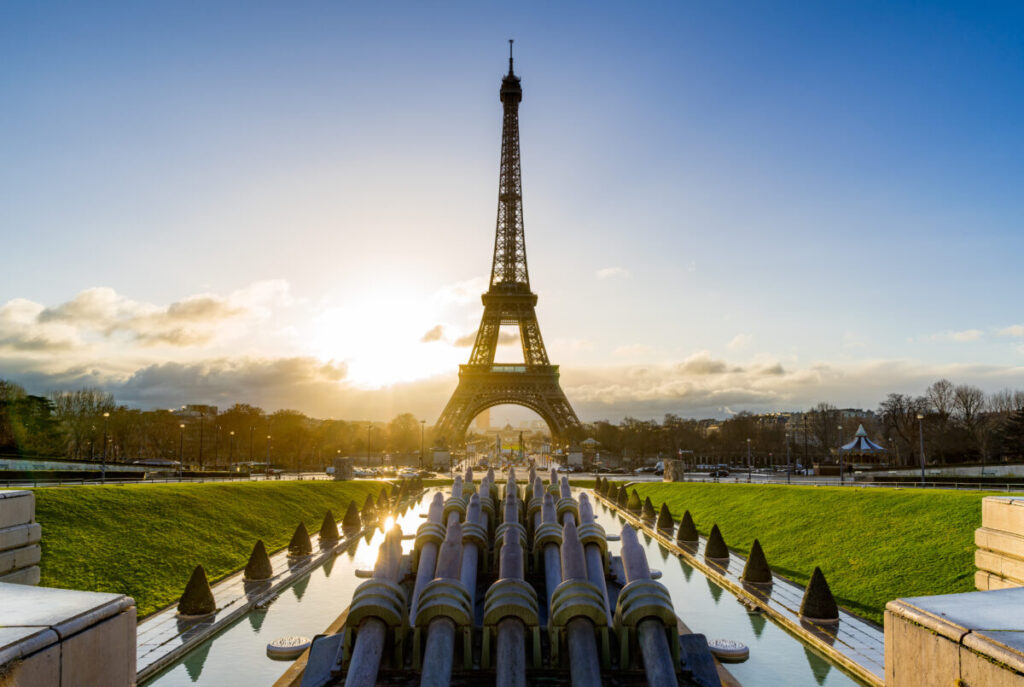
The 16th arrondissement is the clearest gap between reputation and price in Paris. It is fourth by household income at 40,532 € a year, and it is the district most people name when asked for the wealthiest part of the city. On price per square metre it lands around 10,500–14,000 €/m², roughly eighth or ninth, below the 3rd and the 5th.
Size explains most of it. The 16th is large, it stretches from Trocadéro to the Bois de Boulogne, and the apartments are big. A wealthy household buying 160 square metres in Auteuil spends more in total than a household buying 55 square metres in Saint-Germain while paying less per square metre. The internal spread is also the widest of any premium district: figures near 10,500 €/m² around Porte de Saint-Cloud sit in the same arrondissement as roughly 14,000 €/m² for a Seine view at Passy or Trocadéro.
What the visitor gets is the best free view of the Eiffel Tower from the Trocadéro esplanade, plus the Musée de l’Homme, the Cité de l’architecture et du patrimoine and the Palais de Chaillot around it. The Musée Marmottan Monet holds the largest collection of Claude Monet’s work, including the Nymphéas. Roland-Garros, home of the French Open, and the Parc des Princes are both here, along with a number of the city’s quieter les monuments. For a weekend base it is calm and well connected, though a long way from the nightlife; our guide to week-end à Paris covers the trade-off.
What does it cost to rent in the most expensive arrondissements?
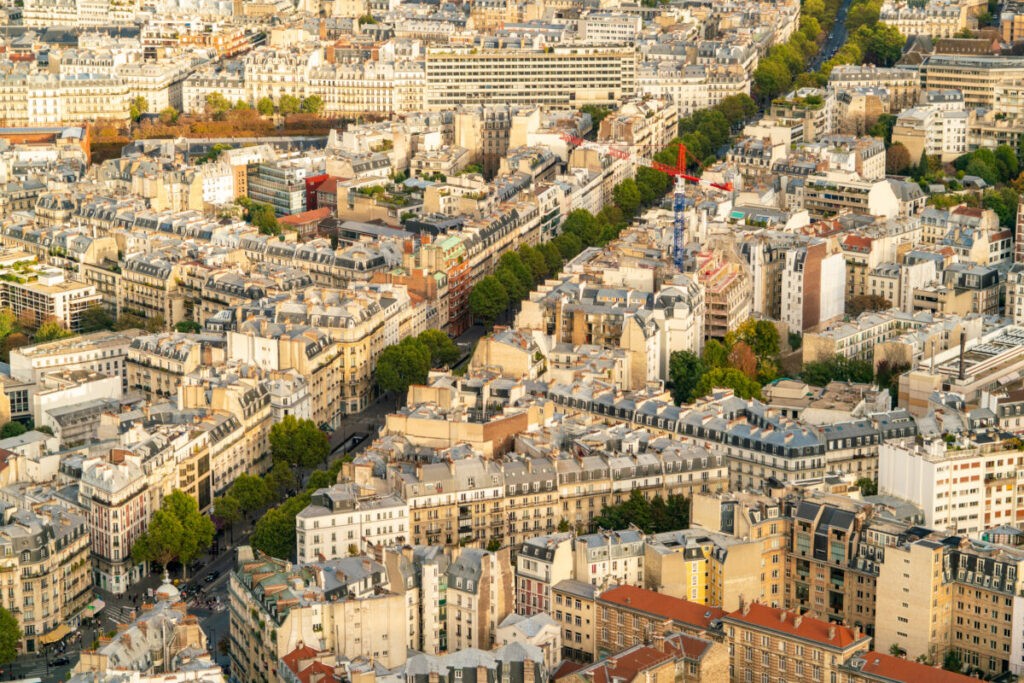
Rent in Paris averages about 33 € per square metre per month in 2026, and the central and western districts sit at the top of that spread. A 45-square-metre one-bedroom in the 6th or 7th therefore lands near 1,700 € a month before charges, against roughly 1,000 € for the same size in the 19th.
Zone | Typical rent (€/m² per month) | 45 m² flat, monthly |
|---|---|---|
1st, 4th, 6th, 7th | up to about 38 | about 1,710 € |
Left Bank and west generally (incl. 16th) | 30–34 | 1,350–1,530 € |
Paris average | about 33 | about 1,485 € |
13th, 19th, 20th | about 22 | about 990 € |
One rule matters more than any average here. Paris operates rent control (encadrement des loyers), so a landlord cannot ask whatever the market will bear. The legal ceiling is the published reference rent for that quartier, lease type and building era, multiplied by 1.20. Reference rents are published per quartier and updated annually, and the 1st, 2nd, 4th, 6th and 7th carry the highest ceilings in the city. If a listing in those arrondissements is priced well above the majored reference rent for its category, that is a rent you can formally challenge rather than a rent you have to accept.
Two other factors move a Paris rent or price by more than the arrondissement does. Energy rating: since 2025 the phased restrictions on letting F and G rated homes have pushed those properties 10–20% below equivalent well-rated ones. Floor and lift: a top-floor apartment with a lift carries an 8–12% premium over a ground floor without one. A balcony or terrace adds a further 5–15%.
If you are only staying a few nights, the arrondissement price ranking is a poor guide to what a hotel costs, and the green space near your door matters more than the postcode; our list of parcs à Paris is a better filter. For sightseeing across all 20 districts, start with choses à faire à Paris, or book a timed entry such as this Musée d’Orsay skip-the-line ticket in the 7th.
Five mistakes people make reading Paris price rankings
- Treating one source as the market. Notaire transaction series and agency estimates differ by more than 1,500 €/m² on the Paris average for 2026. Check which one a figure came from before repeating it.
- Assuming the 16th tops the price table. It tops the reputation table and comes fourth on income, but on price per square metre it sits below the 3rd and the 5th.
- Confusing price per square metre with total cost. Large western apartments cost more in total and less per square metre than small central ones. The two rankings answer different questions.
- Using an arrondissement average for a street decision. Within one district, floor, lift, energy rating, aspect and outdoor space swing the price by 15–25%.
- Ignoring rent control when renting. The ceiling is the published reference rent multiplied by 1.20. Asking rents above that are challengeable.
Frequently asked questions
What is the most expensive arrondissement in Paris?
The 6th arrondissement, Saint-Germain-des-Prés, at roughly 14,500–17,000 € per square metre in 2026. The 7th is second at about 14,000–16,500 €/m², and the two change places depending on which data series you use.
Which is the richest arrondissement in Paris?
The 7th, on income. Its median standard of living is 43,804 € a year per consumption unit, ahead of the 8th at 42,531 €, the 6th at 40,779 € and the 16th at 40,532 €. The statistical block between Les Invalides and the Eiffel Tower records the highest incomes of any comparable unit in France.
What is the cheapest arrondissement in Paris?
The 19th, around 8,000–10,000 € per square metre, followed by the 20th at 8,500–10,500 €/m² and the 18th at 9,000–11,500 €/m². Prices in the 19th rose faster than any other district over the past twelve months.
How much does an apartment cost on average in Paris in 2026?
Between about 9,500 and 11,100 € per square metre, depending on the source. Notaire records for older apartments give 9,580 €/m² for the first quarter of 2026 and a separate August 2026 index reads 9,811 €/m²; agency-blended estimates reach 11,100 €/m².
Is the Left Bank more expensive than the Right Bank?
Not as a rule any more. The 6th and 7th on the Left Bank and the 8th and 16th on the Right Bank all sit above 11,000 €/m². The larger 2026 divide runs between the centre and west of the city and the north-east, where the 18th, 19th and 20th trade 30–40% below the premium districts.
Sources and method
Price ranges are the 2026 indicative bands published by AppartParis, compiled from Notaires de France data and market barometers. Single-point estimates are Home Select’s arrondissement figures, built from the French DVF open transaction database and Notaires du Grand Paris indices, data vintage April 2026, last reviewed 15 August 2026. Paris-wide averages for older apartments come from notaire-based reporting for the first quarter of 2026 and an August 2026 index. Income figures are INSEE median standard of living per consumption unit by arrondissement. Rent figures and the encadrement des loyers rule come from 2026 rent-control reporting for Paris.
Where sources disagree we show both rather than averaging them, because the disagreement is real: transaction-record series and agency estimates measure different populations of sales. Every figure on this page is an arrondissement-level indicator and none of it is a valuation of a specific property. Prices update continuously; this page was reviewed in August 2026, and the previous version of it carried no price figures at all, which is the gap this rewrite closes.
Ressources associées
Find Things to Do in Paris
Find Accommodation

Continue Planning Your Paris Trip
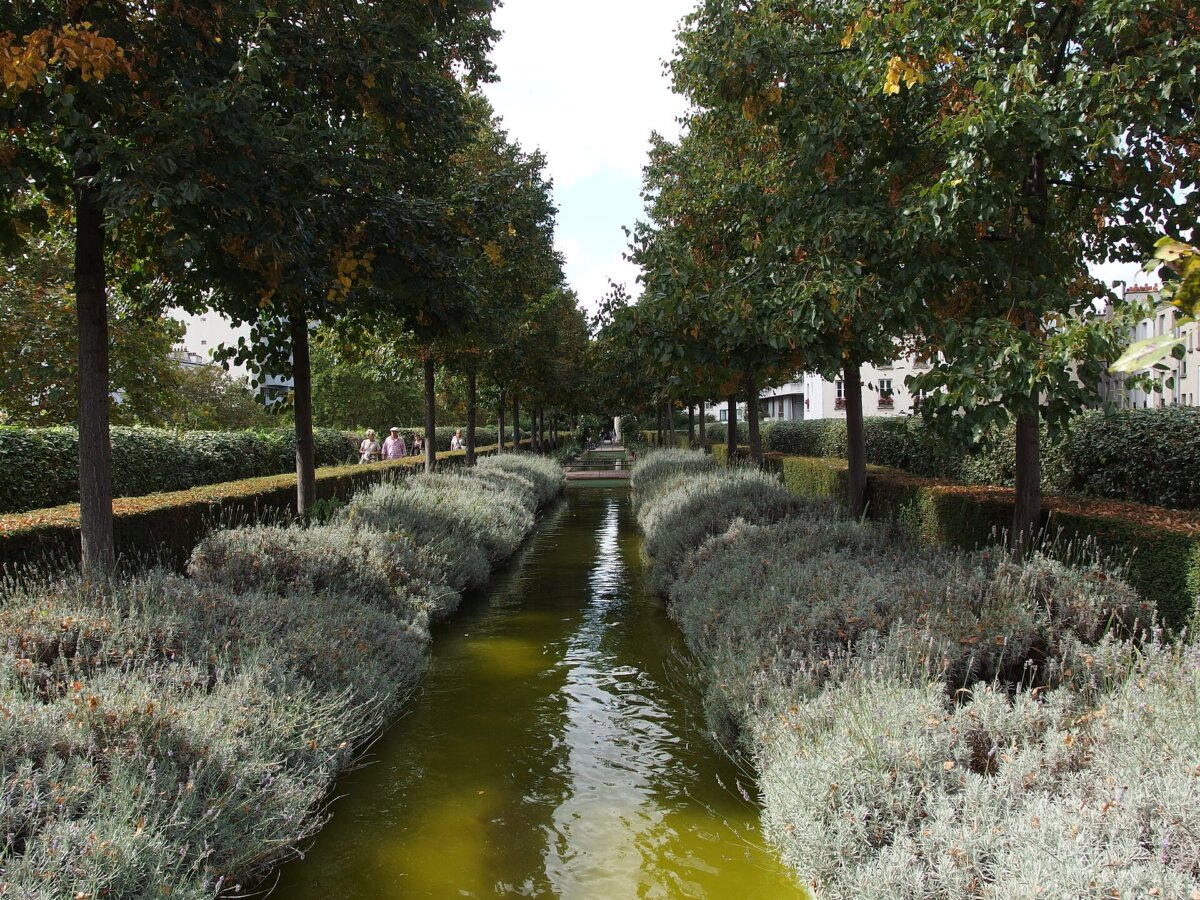
Promenade Plantée Walk: Paris’ Unique Elevated Garden Adventure
Paris has a ton of famous walks, but the Promenade Plantée still feels like one of the city’s…
Read Guide →
Exploring Libertine Saunas: A Beginner’s Guide
New to Paris's libertine saunas and going on your own? A beginner's guide to which venues welcome single…
Read Guide →
Visiting the Louvre with Family: To Upgrade or Not to Upgrade?
Is the 15-euro Amis du Louvre family upgrade worth it when kids under 12 enter free? Why the…
Read Guide →