
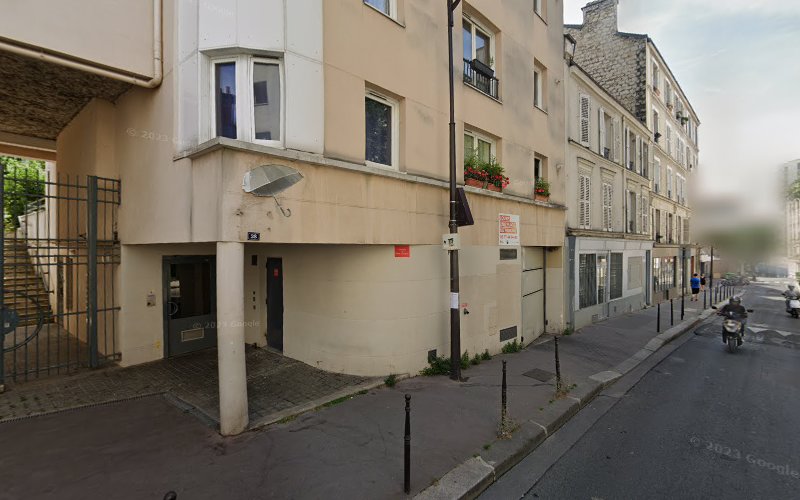
Prison Saint-Lazare
Centre Pénitentiaire de Paris-La Santé is a Paris Prison landmark located in the 10 arrondissement. Table of ContentsDescriptionKey Features:Accessibility and Amenities:Planning Your Visit:Nearby in 10 Description The Saint-Lazare prison is a Parisian landmark with a rich and fascinating history. Located in the 10th arrondissement at 107 rue du Faubourg-Saint-Denis, the prison is renowned for having […]
Centre Pénitentiaire de Paris-La Santé is a Paris Prison landmark located in the 10 arrondissement.
Table des matières
Description
The Saint-Lazare prison is a Parisian landmark with a rich and fascinating history. Located in the 10th arrondissement at 107 rue du Faubourg-Saint-Denis, the prison is renowned for having housed some of the world’s most notorious criminals. It is also where the first execution of a prisoner in France took place.
The prison has been in use for executions since the 16th century, and the last execution was carried out in 1919. Today, the prison has been transformed into a national museum, open to the public. Visitors can explore the cells and learn about the history of the French judicial system.
The Saint-Lazare prison is not only a museum but also houses the French Ministry of Justice and the French National Archives. This makes it a significant site for those interested in French history and politics.
In addition to its historical significance, the prison is a symbol of the resilience of the French people. Despite its dark past, the Saint-Lazare prison has played a key role in shaping the history of Paris and remains an important landmark in the city.
Visiting the Saint-Lazare prison is a unique and unforgettable experience that offers a glimpse into the darker side of Parisian history. Whether you are a history buff or simply looking for a unique cultural experience, the Saint-Lazare prison is a must-see destination in Paris.
Principales caractéristiques:
- The Prison Saint-Lazare, located in the 10th arrondissement, is a historic site with a compelling past, having served as a prison for women during the 19th and 20th centuries.
- Visitors can explore the haunting cells and gain insight into the daily lives of the incarcerated women, offering a unique and thought-provoking experience.
- The museum showcases the history of the prison and its significance in the context of women's rights and social reform, making it a must-see for history enthusiasts.
Accessibilité et commodités :
- The museum is equipped with accessibility features to ensure a welcoming experience for visitors with disabilities, including wheelchair access and accessible restrooms.
- Amenities such as restrooms, a gift shop, and possibly a café provide convenience for visitors, with the option to purchase souvenirs and enjoy refreshments during their visit.
- Audio guides may be available to enhance the visitor experience, offering detailed insights into the exhibits and the history of the prison.
Planifier votre visite :
- To avoid crowds, it's advisable to plan the visit during weekdays and to consider visiting during the morning hours for a more tranquil experience.
- Visitors typically spend around 1 to 2 hours exploring the museum, depending on their level of interest and engagement with the exhibits.
- A recommended itinerary includes exploring the various sections of the prison, learning about its historical significance, and taking time to reflect on the stories of the women who were imprisoned there.