
Kiosque de Chateaubriand
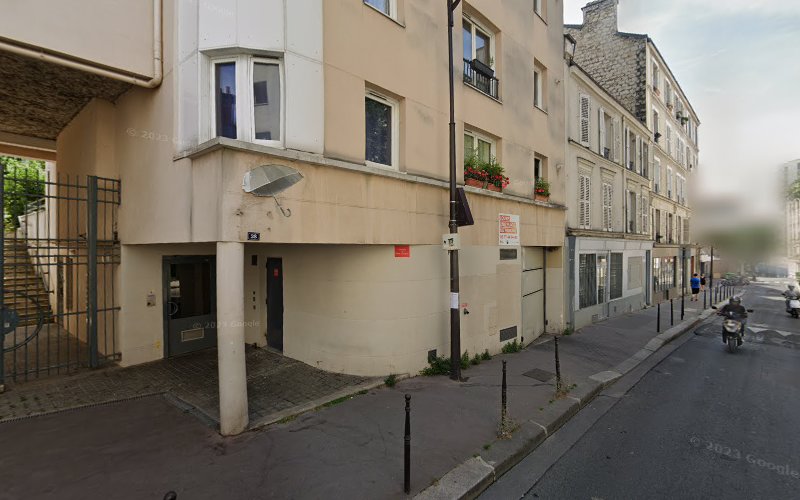
77 Av. Denfert Rochereau is a Paris historic landmark located in the 14 arrondissement. Literary retreat and botanical passion in garden paradise In the peaceful neighborhood of the 14th arrondissement, the Kiosque de Chateaubriand stands as a charming monument to one of France’s greatest Romantic writers and his profound love of nature. This delicate garden […]
77 Av. Denfert Rochereau is a Paris historic landmark located in the 14 arrondissement.
Literary retreat and botanical passion in garden paradise
In the peaceful neighborhood of the 14th arrondissement, the Kiosque de Chateaubriand stands as a charming monument to one of France’s greatest Romantic writers and his profound love of nature. This delicate garden pavilion commemorates François-René de Chateaubriand (1768-1848), the literary giant who revolutionized French prose through works like “Atala” and “René” while creating one of the most beautiful botanical gardens in the Paris region at his beloved Vallée-aux-Loups estate.
Chateaubriand’s literary genius and Romantic innovation
François-René de Chateaubriand transformed French literature through his pioneering Romantic prose that emphasized emotion, nature, and individual experience over classical restraint. His masterpieces “Atala” (1801) and “René” (1802) introduced French readers to new forms of literary expression that would influence generations of writers including Victor Hugo and Alfred de Musset.
Beyond literature, Chateaubriand served as diplomat, foreign minister, and political theorist whose memoir “Mémoires d’outre-tombe” created one of the most influential autobiographical works in French literature. His complex career combined literary achievement with political engagement that shaped both Romantic literature and French political thought.
Vallée-aux-Loups and botanical passion
The kiosque commemorates Chateaubriand’s profound connection to nature and his creation of an extraordinary botanical garden at Vallée-aux-Loups estate, where he lived from 1807 to 1817 after Napoleon’s exile. During this decade, Chateaubriand transformed the property into one of Europe’s most remarkable private gardens, importing trees from his worldwide travels.
His botanical collection included Lebanon cedars from the Middle East, Greek plane trees from the Mediterranean, Louisiana cypresses from America, and Indian chestnut trees from Asia, creating a living library of global flora that reflected his cosmopolitan literary imagination and diplomatic travels. This garden became both personal retreat and literary inspiration for his greatest works.
Memorial garden and cultural remembrance
The Parisian kiosque creates a contemplative space where visitors can reflect on Chateaubriand’s dual legacy as literary innovator and garden creator, demonstrating how great writers often draw inspiration from direct engagement with natural beauty. The memorial’s garden setting honors both his literary achievements and his passionate cultivation of botanical collections.
The kiosque’s location in the 14th arrondissement provides Parisians with accessible commemoration of Chateaubriand’s literary legacy while connecting urban residents to the Romantic movement’s celebration of nature and individual emotional experience that revolutionized French cultural life.
Romantic literature and garden artistry
The memorial demonstrates how Romantic writers like Chateaubriand understood gardens as both artistic creation and literary inspiration, where botanical cultivation and prose composition served complementary creative purposes. His approach to garden design influenced the development of landscape architecture while his literary innovation shaped French Romantic tradition.
The kiosque’s peaceful atmosphere creates appropriate setting for contemplating how great writers integrate natural observation with literary creation, proving that the finest literature emerges from direct engagement with beauty, whether natural or artistic.Essential information
- Honoree: François-René de Chateaubriand (1768-1848)
- Literary works: “Atala,” “René,” “Mémoires d’outre-tombe”
- Garden estate: Vallée-aux-Loups (1807-1817)
- Emplacement: 14ème arrondissement
- Memorial type: Garden kiosque and contemplative space
- Literary significance: Pioneer of French Romantic literature
- Botanical legacy: Global tree collection and garden artistry
Romantic heritage and natural inspiration
- Literary innovation: Pioneered French Romantic prose
- Political career: Diplomat, foreign minister, political theorist
- Garden creation: International botanical collection at Vallée-aux-Loups
- Cultural influence: Inspired Hugo, Musset, and Romantic movement
- Memorial function: Contemplative space connecting literature and nature
Where literature meets garden artistry
Kiosque de Chateaubriand embodies the Romantic belief that great literature emerges from passionate engagement with natural beauty, where François-René de Chateaubriand’s literary genius found inspiration through botanical cultivation and garden creation that influenced both French literature and landscape design. This charming memorial demonstrates how great writers can achieve dual legacies through both artistic creation and horticultural passion that serve complementary cultural purposes. For Romantic literature enthusiasts, garden lovers, or anyone interested in how natural beauty inspires artistic achievement, the kiosque offers a peaceful encounter with literary commemoration, where Chateaubriand’s revolutionary prose and botanical expertise continue to inspire appreciation for the intersection of literature and nature that defines the finest cultural achievement through spaces designed for contemplation of both artistic and natural beauty.