
If you’re trying to get around Paris on two wheels, you’ve probably noticed the sea of green Lime bikes and the blue-and-gray Vélib’ stations scattered across the city. Both services make it easy to skip the Metro and pedal through the streets, but they work in pretty different ways. The big thing is Vélib’s uses fixed docking stations, while Lime lets you pick up and drop off bikes anywhere in their zones.
Vélib’ gives you a choice between classic pedal bikes and e-bikes, and it’s usually cheaper for short hops. Lime, meanwhile, is all about electric bikes and an app-based unlock system that feels fast and flexible. I’ve used both—sometimes I’ll grab a Vélib’ for a quick bakery run, other times I’ll jump on a Lime if I’m facing a steep hill up to Montmartre and don’t want to show up sweaty.
It really boils down to convenience. If you want to know exactly where to find a bike and save a few euros, Vélib’ might be your pick. If you’re more into the freedom of starting and ending your ride almost anywhere, Lime’s dockless setup is hard to beat.
Points clés à retenir
- Vélib’ uses docking stations; Lime is free-floating
- Vélib’ has cheaper short rides; Lime is all about electric bikes
- Your pick depends on what’s more important: convenience, flexibility, or ride style
Table des matières
- Lime vs Vélib’ in Paris: The Quick Answer (2026)
- Lime vs Vélib: Key Differences at a Glance
- Service Model Comparison
- Bike Types and Technology
- Pricing Structures
- 2026 Price Comparison: Lime vs Vélib’
- How to Rent a Bike in Paris: Step-by-Step Guide
- Using the Vélib’ App and Stations
- Unlocking Lime Bikes with the App
- Payment Methods and Deposits
- Coverage and Availability Across Paris
- Station Density and Coverage for Vélib’
- Free-Floating Lime Bikes: Where to Find Them
- User Experience and Ride Quality
- Bike Comfort and Maintenance
- App Usability and Real-Time Availability
- Comparing Electric and Classic Bikes
- Electric Bike Options
- Mechanical Bike Options
- Alternatives to Lime and Vélib in Paris
- Dott and Other Bike Share Operators
- Private Bike Rentals and Tours
- Questions fréquemment posées
- Is Lime cheaper than Vélib’ in Paris?
- Are Lime scooters still available in Paris?
- How do tourists rent a Vélib’ bike in Paris?
- What is the cheapest way to bike Paris for a few days?
- Do you need a subscription to use Lime or Vélib’?
- Where can you find Lime and Vélib’ bikes in Paris?
- Find Things to Do in Paris
- Find Accommodation
Lime vs Vélib’ in Paris: The Quick Answer (2026)
For most visitors, Vélib’ is the cheaper option and Lime is the more convenient one. Vélib’ costs about €1 for 30 minutes on a mechanical bicycle or €3 for 45 minutes on an electric bike (after a one-time €6 sign-up on the pay-as-you-go V-Libre pass), but you have to start and finish at a docking station. Lime charges €1 to unlock plus €0.28 per minute and lets you leave the bike almost anywhere, so a 20-minute ride runs about €6.60. Choose Vélib’ for the lowest price, and Lime when you value grabbing and dropping a bike wherever you happen to be.
One thing that catches visitors out: Lime no longer runs electric scooters in Paris. The city banned shared rental e-scooters on 1 September 2023, so both services are now bike-only. Everything below reflects the 2026 setup, with current fares from Vélib’ Métropole and Lime.
Paris Top Ten may earn a commission from tours and services linked in this guide, at no extra cost to you.
Lime vs Vélib: Key Differences at a Glance
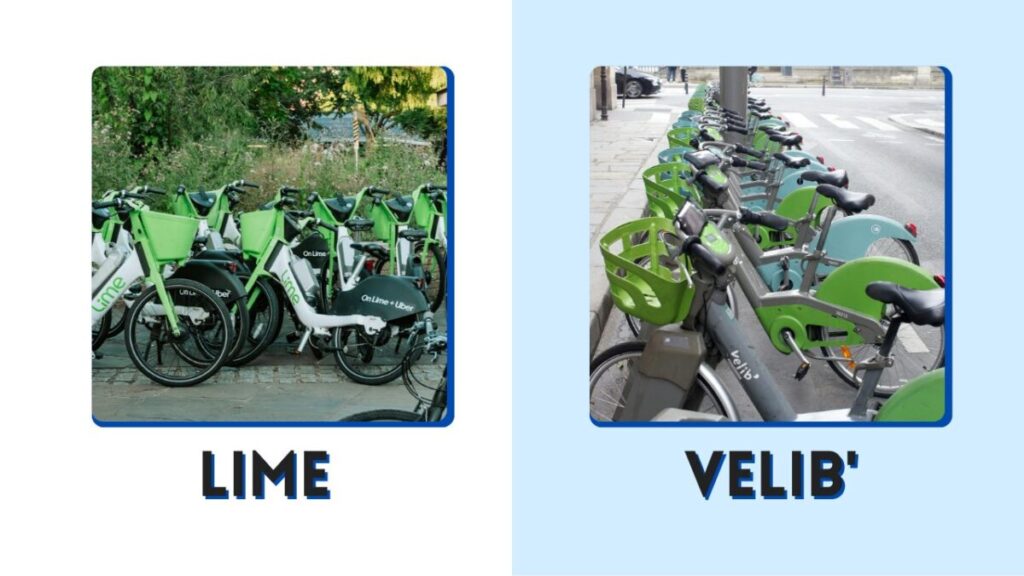
If you’re picking between Lime and Vélib in Paris, you’ll notice they feel pretty different once you’re actually riding. Vélib’ is city-backed and everywhere, while Lime is international and all about the app—this really shapes the way you use them.
Service Model Comparison

Vélib’ is Paris’s official bike-share system, supported by the city, and aimed at both locals and tourists. There are over a thousand docking stations, so finding or returning a bike is usually easy. The catch? You have to return it to an official station, which gets annoying if the racks are full.
Lime runs on a dockless model. You unlock bikes through the app and leave them in marked parking zones. This is awesome if you’re in a rush or nowhere near a Vélib station. But sometimes you’ll wander a bit looking for a properly parked Lime, especially when it’s busy.
I find Vélib’ more reliable when I know my route and want a guaranteed drop-off. Lime feels more spontaneous—good for when you’re wandering and just want to hop on a bike without thinking too much.
Bike Types and Technology
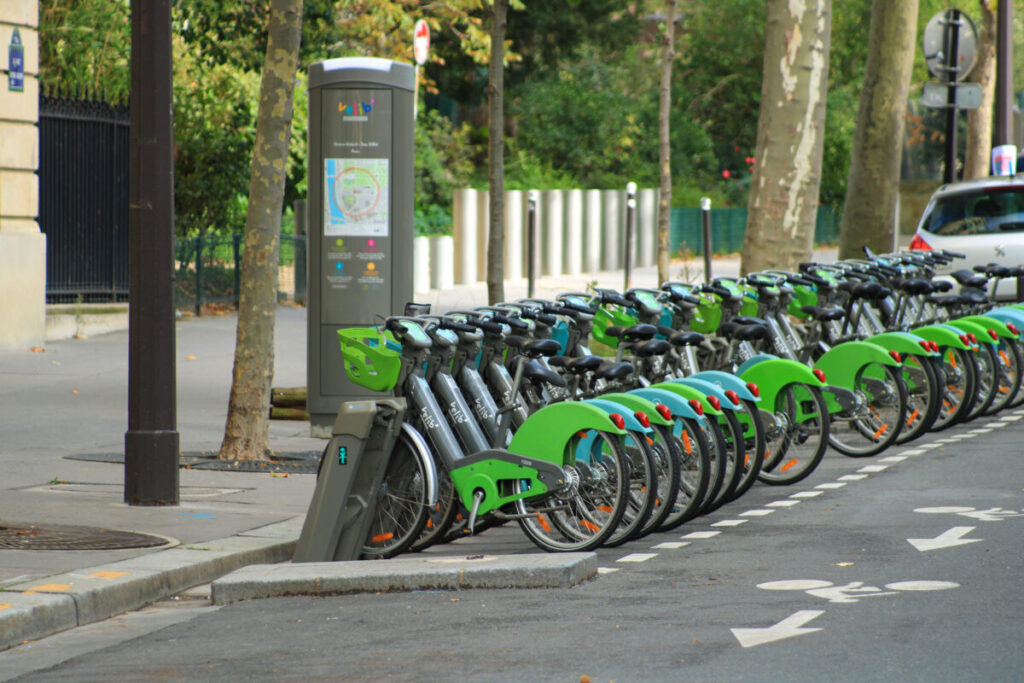
Vélib’ has two main choices: classic pedal bikes et electric-assist bikes. The e-bikes are light blue, easy to spot, and they give you a nice boost—super helpful for hills or lazy days.
Lime is all about electric bikes. They’re heavier but pack a punch, and the motor kicks in fast. Honestly, their acceleration feels stronger than Vélib’s e-bikes, which is fun but can be a bit much if you’re not used to it.
I like that Vélib’ has a handlebar screen showing ride time and cost. Lime puts all that in the app, so you’ll need to check your phone—sometimes a hassle mid-ride, to be honest.
Pricing Structures
Vélib’ uses a subscription-style system. You can ride pay-as-you-go on the V-Libre pass (a one-time €6 sign-up) or subscribe monthly. With V-Plus at €4.30 a month or V-Max at €9.30 a month, mechanical rides are free for the first 30 to 60 minutes, which suits commutes and quick errands. Longer rides and electric bikes cost extra, but the totals stay low.
Lime sticks with a pay-per-minute model: €1 to unlock, then €0.28 a minute. Cruise along the Seine for an hour and that works out to roughly €17.80, so the cost climbs on long rides. For a short trip it stays simple, and LimePass bundles (from €3.99 for 30 minutes) bring the price down if you plan a few rides.
Pendant le Paris 2024 Olympics, both Vélib and Lime saw usage spike—tourists mostly went for Lime’s flexibility, locals stuck with their Vélib subscriptions.
If you’re in Paris for a week or more, Vélib’ usually wins on price. But if you’re just visiting for a couple of days and want zero hassle, Lime’s simplicity might be worth the extra cost.
2026 Price Comparison: Lime vs Vélib’
Option | Cost to start | Mechanical bike | Electric bike | Best for |
|---|---|---|---|---|
Vélib’ V-Libre (pay as you go) | €6 one-time sign-up (90-min bonus) | €1 / 30 min | €3 / 45 min, then €2 / 30 min | Occasional riders and tourists |
Vélib’ V-Plus | €4.30 / month | Free up to 30 min, then €1 / 30 min | €2 / 45 min, then €2 / 30 min | Regular riders (4+ trips a month) |
Vélib’ V-Max | €9.30 / month | Free up to 60 min, then €1 / 30 min | €0.50 for the first 2 daily rides (45 min), then €2 / 30 min | Daily commuters |
Lime (pay as you go) | €1 to unlock | Not offered (e-bikes only) | €0.28 / min | Spontaneous one-off rides |
Lime LimePass | From €3.99 (30 min / 24 hrs) | Not offered | Bundled minutes, no unlock fee | Short visits with several rides |
To put numbers on it: a quick 20-minute ride across central Paris costs about €6.60 on Lime (€1 unlock plus 20 × €0.28), roughly €3 on a Vélib’ electric bike, or about €1 on a Vélib’ mechanical bicycle if you finish inside 30 minutes. Over a three-day visit with a few rides a day, a Vélib’ V-Libre pass plus per-ride fees almost always beats paying Lime’s price per minute. If you prefer Lime, a LimePass bundle (from €3.99 for 30 minutes to €39.99 for 400 minutes) drops the effective cost well below the standard €0.28 a minute.
How to Rent a Bike in Paris: Step-by-Step Guide

Renting a bike in Paris is pretty straightforward once you get the hang of it. The two main options are the city’s public Vélib’ system and private operators like Lime. Both need an app, both are easy to find, but they have a few different quirks for unlocking, paying, and deposits.
Using the Vélib’ App and Stations
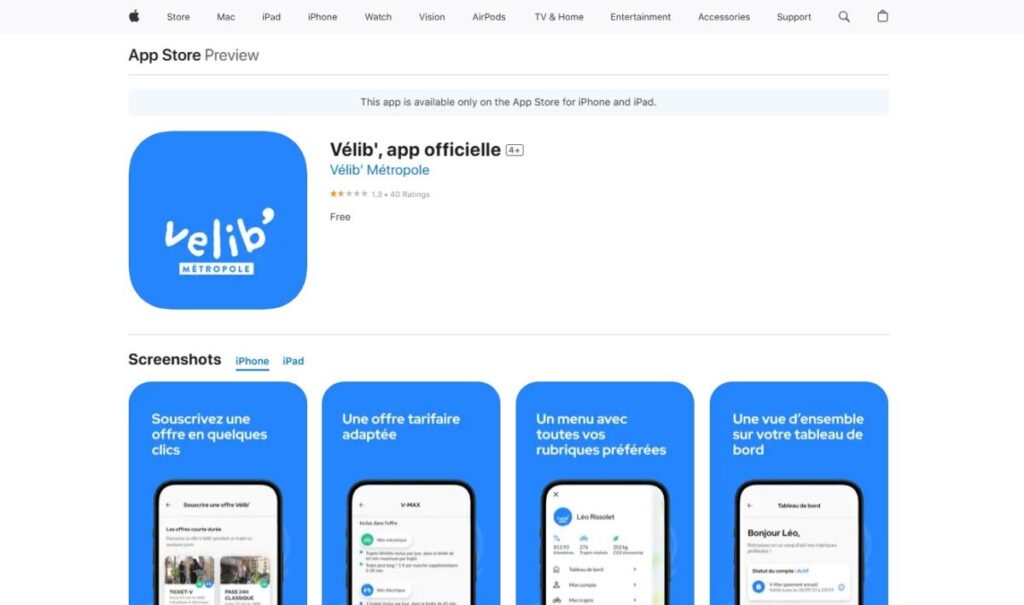
Le Vélib’ service is Paris’ biggest bike-sharing network, with more than a thousand stations around town. You’ll spot the green bikes (standard) and blue ones (electric). To get started, just download the Vélib app. It shows real-time bike availability, docking points, and even user ratings, which helps avoid busted bikes.
After signing up, you get an ID and PIN. At the station, walk up to a bike, punch in your info on the little screen (the V-box), and wait for the “Go!” Then just pull the bike out and you’re off.
When you’re done, return the bike to any station. Push it firmly into the dock until you see “Stop” on the screen. If you don’t, it’s not locked, and you could get charged extra. Quick tip: if you see a bike with its saddle turned backward, that means it’s broken—skip it.
Unlocking Lime Bikes with the App
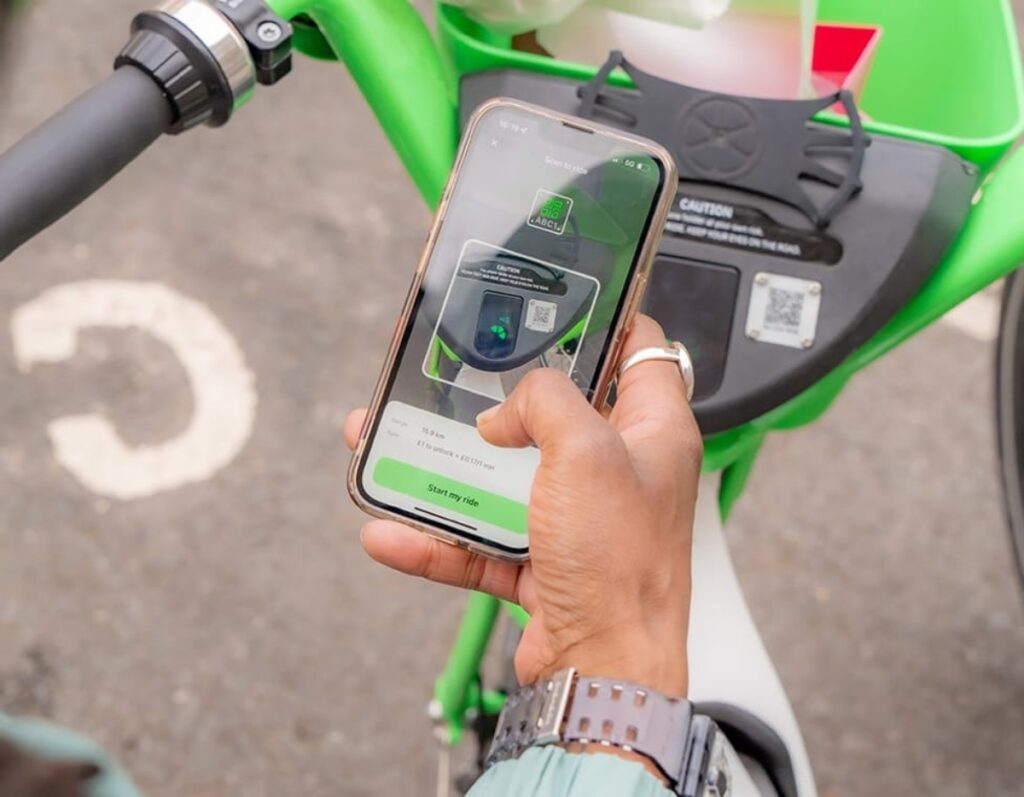
Lime skips the stations. You’ll see the green e-bikes parked along sidewalks or near metro stops. Just open the Lime app, find the closest bike, and scan the QR code on the handlebars. The lock opens automatically, and you’re good to go.
I’ve used Lime when I was late and needed to zip across town. It’s fast and you don’t need to hunt for a dock. Just remember to parc in a designated area marked in the app, or you could get a fine.
The app also shows battery levels, which is a lifesaver on Paris’s hills. The last thing you want is a dying battery halfway up Montmartre.
Payment Methods and Deposits

Both services want a credit or debit card linked to your account. Vélib’ places a €300 deposit hold on your card when you sign up, which is not charged unless you lose or damage a bike. You can ride pay-as-you-go with the V-Libre pass or subscribe monthly, and monthly subscribers get the first 30 to 60 minutes free on a mechanical bike.
Lime doesn’t ask for a deposit, but rides cost more per minute. You pay as you go: unlock fee plus per-minute rate. The app tracks your ride time and cost, so you always know what you’re spending.
If you’ll be cycling a lot over a few days, Vélib’ is usually cheaper. For a quick, one-off ride without worrying about stations, Lime is worth the extra euros now and then.
Coverage and Availability Across Paris
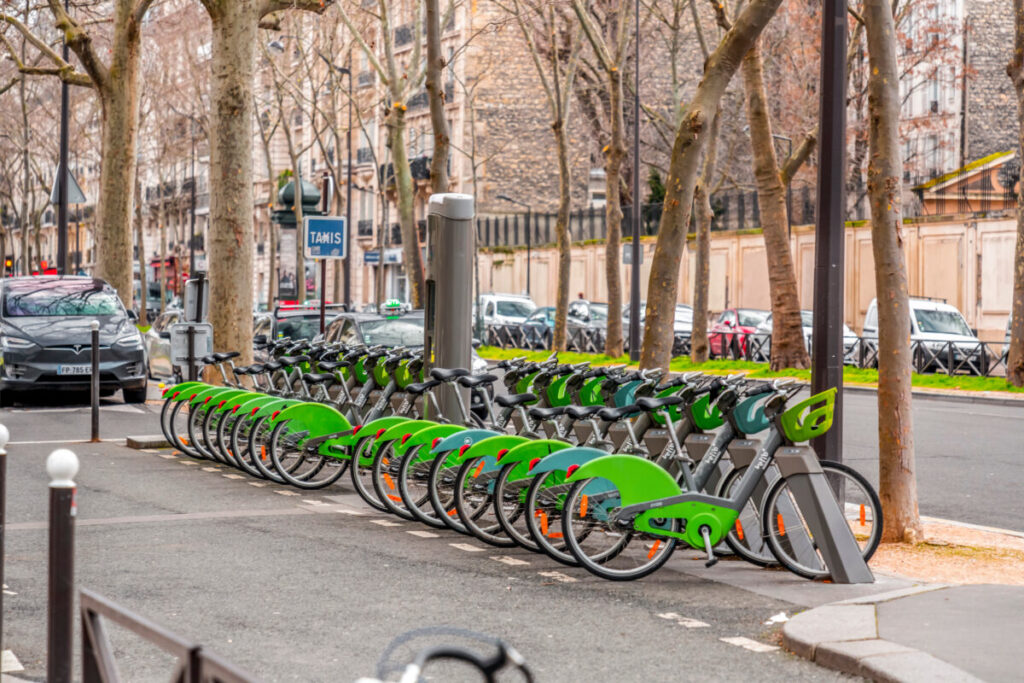
Getting around Paris by bike really depends on how easy it is to find one nearby. Vélib’ has fixed stations all over the city, while Lime lets you grab and drop off bikes almost anywhere. Both have their perks, but the vibe is pretty different depending on what you pick.
Station Density and Coverage for Vélib’
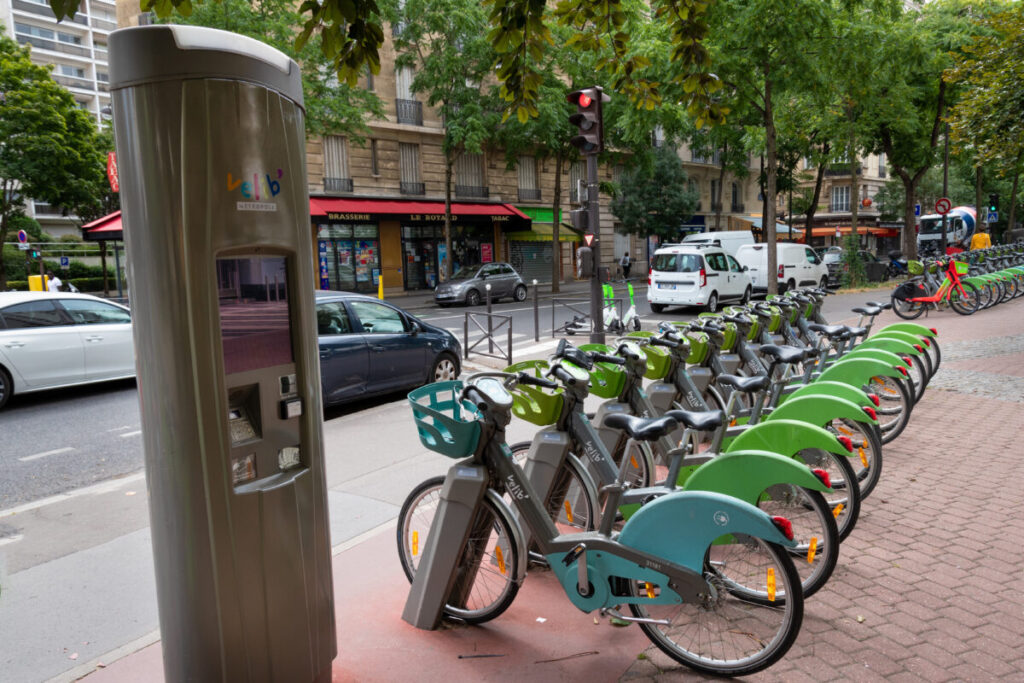
With Vélib’, you’ve got a huge network of docking stations. About 1,400 stations across Paris and the suburbs, with more than 20,000 bikes total. Around 40% are electric, which is great if you want to avoid breaking a sweat on steep streets.
I usually find a station within five minutes, even late at night. The coverage is thick in central spots like the Marais, Latin Quarter, and around big train stations. It thins out a bit in the outer arrondissements, but it’s still workable.
The docking setup means you need to plan a little. If your destination station is full, you’ll have to find another. The official Vélib’ map shows live availability, which saves you some hassle.
Quick breakdown:
- Paris Centre : Stations every couple of blocks
- Inner suburbs: Good coverage, but some gaps
- Outer suburbs: Limited, but they’re adding more
It’s structured and reliable, but not as spontaneous as Lime.
Free-Floating Lime Bikes: Where to Find Them

Lime does things differently. No docking stations—just free-floating bikes you unlock with the app, ride, and park in a marked public area when you’re done.
You’ll see Lime bikes clustered around busy spots—Châtelet, Bastille, République, or near metro exits. They “migrate” during the day, piling up in business districts in the morning and scattering toward nightlife later on.
The flexibility is great if you hate searching for an empty dock. Just end your ride where it’s convenient (and legal). The bike share map for Lime in Paris can help you spot available bikes.
But availability can be hit or miss. In quieter neighborhoods, sometimes there’s nothing nearby.
And bikes can end up tipped over or blocking sidewalks, which gets annoying fast. If you like freedom and don’t mind the occasional hunt, Lime is perfect for spontaneous, short trips and last-minute rides.
User Experience and Ride Quality
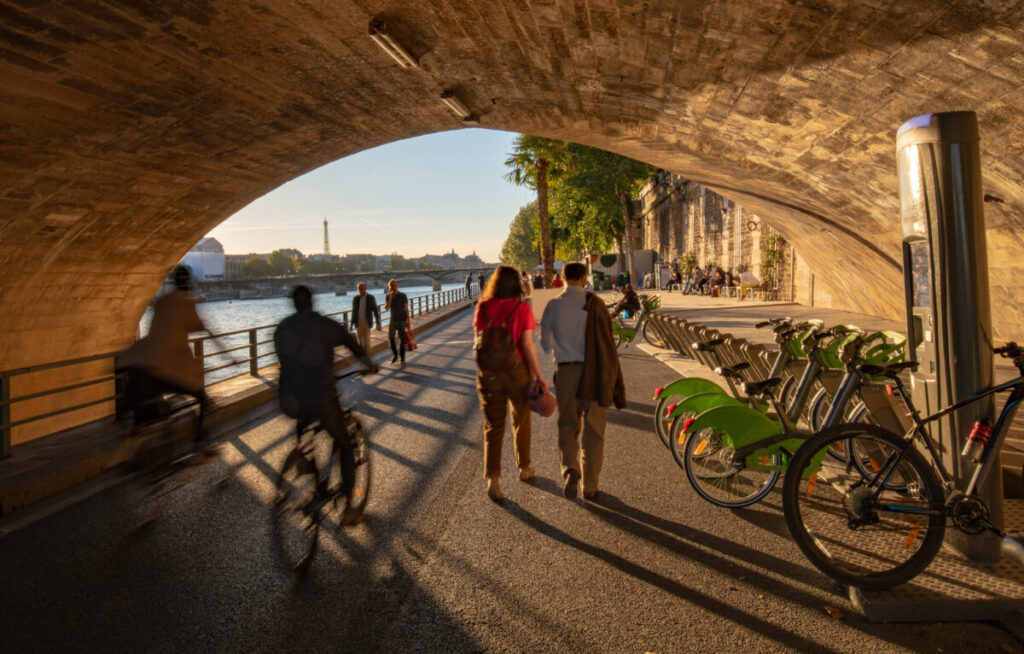
Choosing between Lime and Vélib’ in Paris really comes down to how the ride feels and how easy it is to actually grab a bike when you need one. Comfort, maintenance, and how well the apps work all shape your day-to-day experience.
Bike Comfort and Maintenance
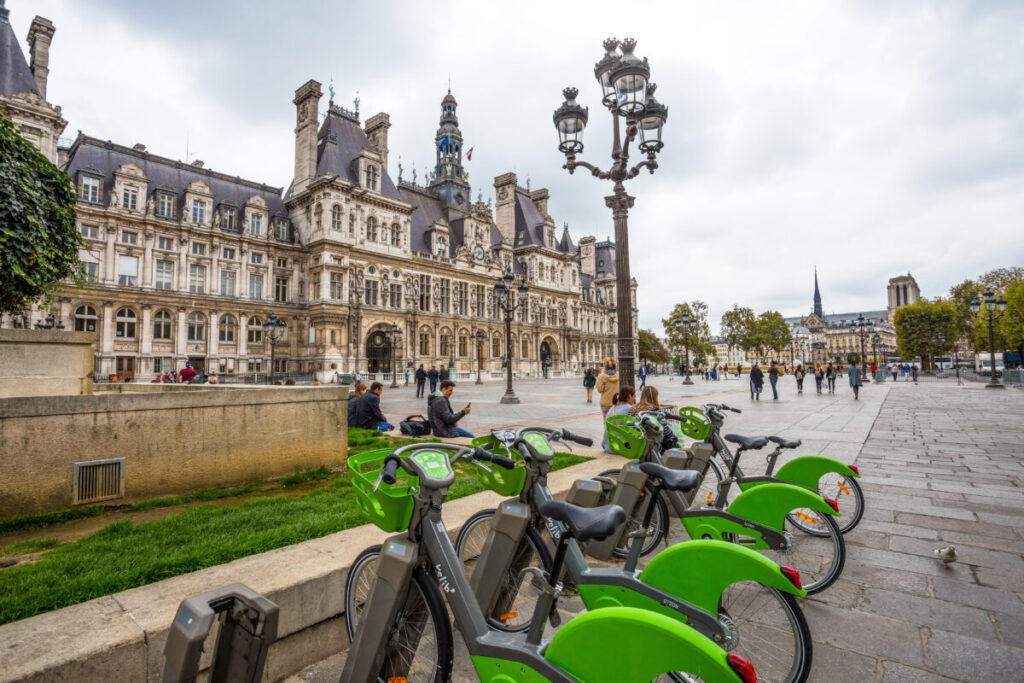
If you’ve ever hopped on a Vélib’, you’ll notice they feel sturdy—almost heavy, honestly. That’s not necessarily a bad thing; they stay stable, especially if you’re not super confident weaving through Paris traffic. Still, that weight can get tiring on longer rides, even with the electric assist.
Lime bikes are lighter and a bit more nimble. They’ve got front baskets, which comes in handy if you’re carrying a baguette or a small bag after shopping. Personally, I find the Lime seat a little more comfortable, though Vélib’ has made progress with adjustable saddles that fit most people.
Maintenance is a mixed bag. Since Vélib’ is city-run, the bikes sometimes show their age—scratched paint, stiff gears, maybe a squeaky brake. Lime, being privately managed, usually keeps their fleet fresher, but you’ll still run into the occasional clunker.
App Usability and Real-Time Availability
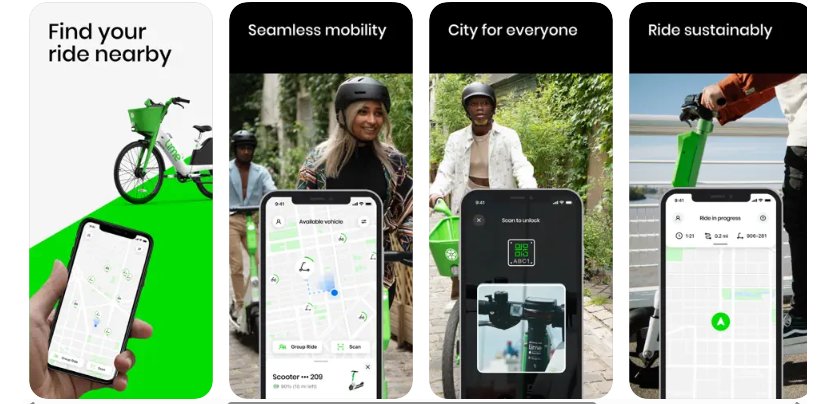
The apps matter a lot when you’re in a rush. The Vélib’ app shows docking stations and bike counts, but it can be clunky. I’ve shown up to empty stations more than once, even when the app swore bikes were there. Not fun, especially late at night.
Lime’s app feels smoother and more modern. You unlock bikes straight from your phone, and the GPS is usually spot-on. The free-floating model means you can often find one parked nearby without searching for a station.
Vélib’ offers predictability—you always know where to return the bike, no guesswork. Lime gives you more freedom, but you have to be careful about parking so you don’t block sidewalks.
If you want speed and convenience, Lime’s app makes things easy. If you prefer the structure of fixed stations and don’t mind a slightly clunky interface, Vélib’ still works.
Comparing Electric and Classic Bikes
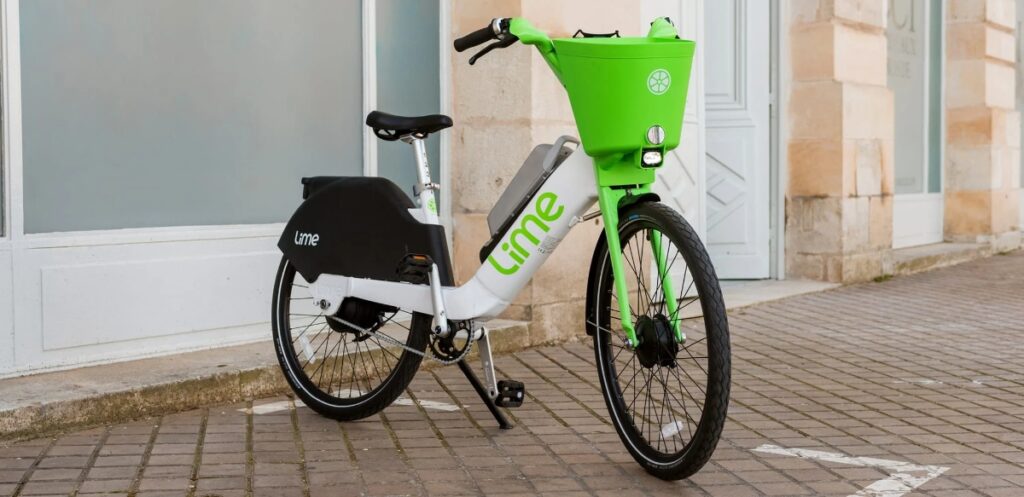
If you’re choosing between Lime, Vélib’, or even Dott, the real decision is often about whether you want the extra push of an electric motor or the simplicity (and lower cost) of a standard mechanical bike. Both are easy to find in Paris, but they feel very different once you’re actually riding.
Electric Bike Options
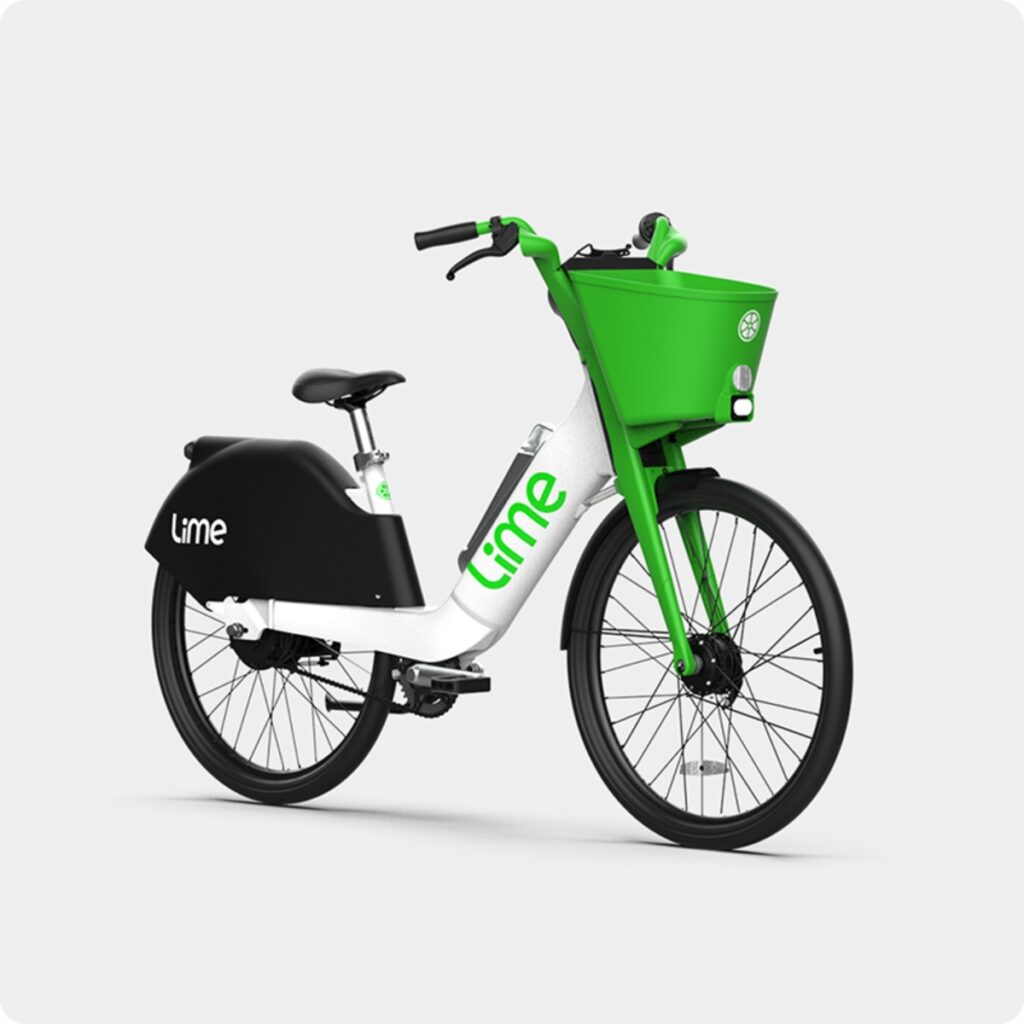
Electric bikes are everywhere in Paris now. Vélib’ has thousands docked at stations, while Lime et Dott run free-floating fleets you unlock with your phone. The big difference you’ll notice is how much easier it is to get across town without breaking a sweat.
Sur longer rides—say, Bastille to Montmartre—you’ll appreciate that motor. Hills don’t feel like hills, and you can cover more ground in less time. I’ve zipped from the Rive gauche to Canal Saint-Martin on a Vélib’ e-bike in under 20 minutes and barely broke a sweat.
Pricing matters, too. Vélib’ offers passes that include electric bikes, which can be cheaper if you’re riding often. Lime and Dott usually charge per minute, and while that’s fine for quick trips, it adds up fast if you’re out sightseeing for an hour.
The bikes themselves feel different. Vélib’ models are heavier but stable, while Lime and Dott are lighter and more agile. If you’re nervous about Paris traffic, that extra stability can be reassuring.
Mechanical Bike Options
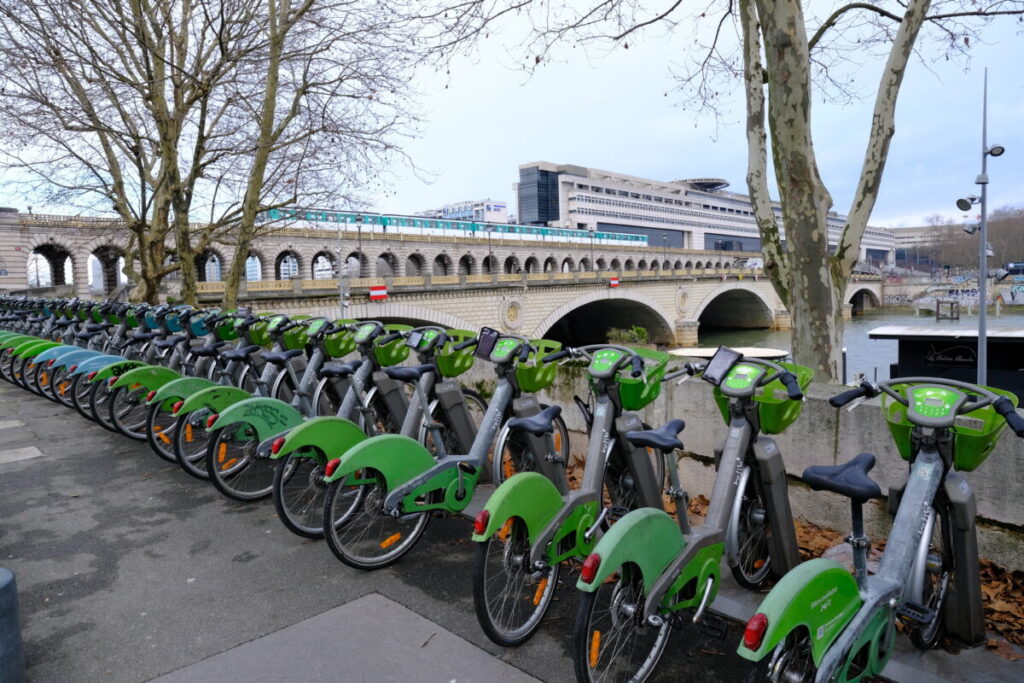
Classic, non-electric bikes are still common, especially with Vélib’, which has a huge fleet of them. They’re cheaper to rent, and if you’re only riding short distances—say, from one metro stop to the next—they’re usually enough.
But pedaling a standard Vélib’ up to Montmartre is a workout. Great if you want the exercise, not so great if you’re in nice clothes or it’s a hot day. Many locals stick with regular bikes for flat routes and switch to electric when hills are ahead.
The upside is cost. A single 45-minute ride on a classic Vélib’ can be just a couple of euros, and the day passes make it even more affordable if you’re hopping around all day. Lime and Dott don’t really focus on mechanical bikes, so if you want the budget-friendly option, Vélib’ is the one to go for.
Mechanical bikes have fewer parts that can break, so they’re often more reliable. I’ve had fewer issues with wobbly brakes or dead batteries on the classic models, which is reassuring when you’re in a hurry.
Alternatives to Lime and Vélib in Paris
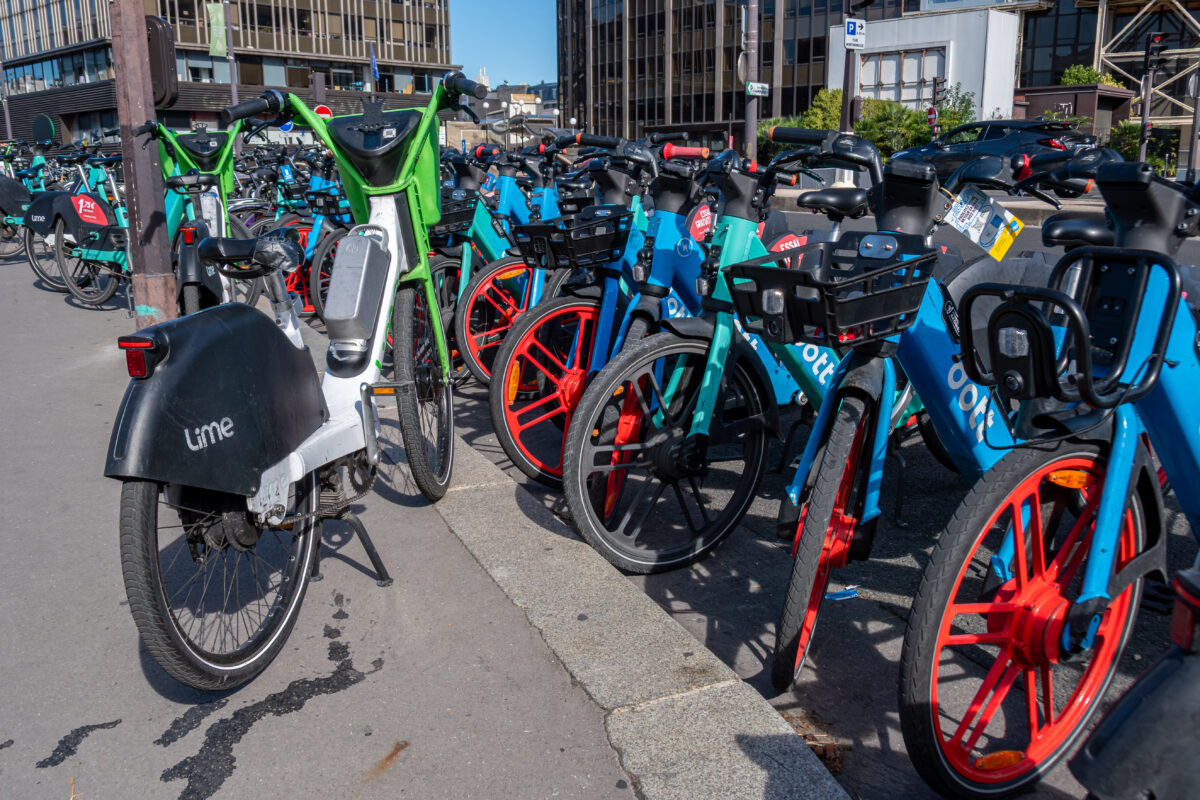
If you’re not set on Lime or Vélib, you’ve still got plenty of ways to get around Paris on two wheels. Other bike share apps compete directly in the city, and you can also go the more traditional route by renting a bike from a shop or joining a guided tour.
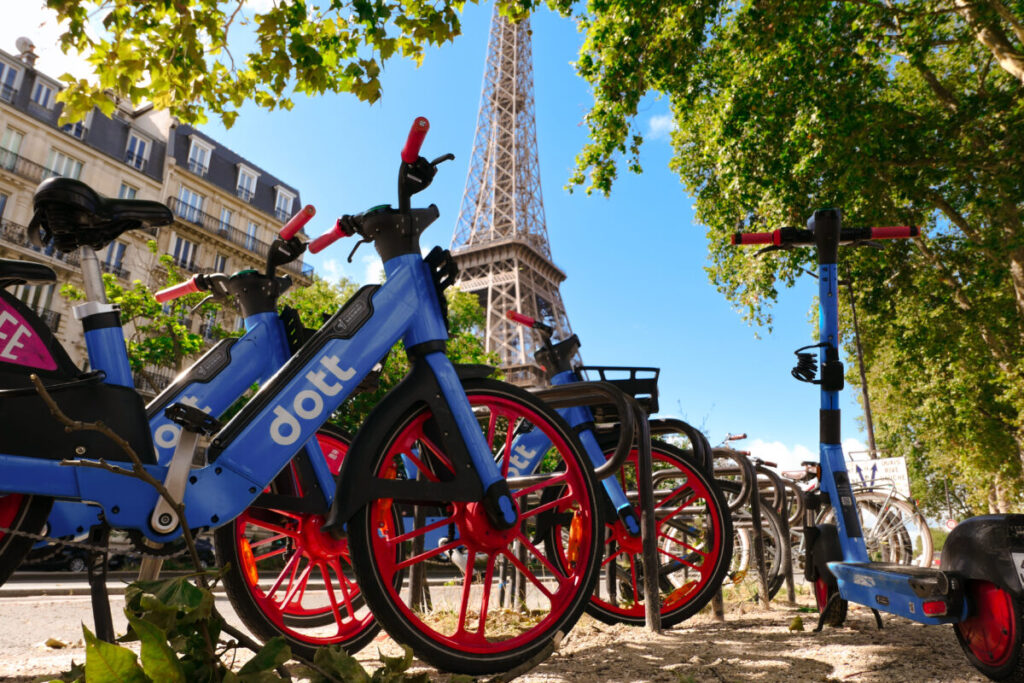
Dott is a main competitor in Paris right now. You can spot their bright e-bikes along curbs, and the app works a lot like Lime. Scan, unlock, ride. Prices are usually per minute, which can add up, but it’s convenient for quick hops between neighborhoods.
The city recently renewed licenses for Dott, Lime, and Voi, so you’ll see all three operators across central Paris. Voi is newer here, but it offers the same dockless system and sometimes runs promos to attract riders.
I’ve used Dott when Vélib stations were empty, and it saved me from walking 20 minutes out of my way. The bikes are heavier than Vélib, but the electric assist compensates for this. If you’re near tourist areas, you’ll almost always find one nearby.
Quick comparison:
- Dott – reliable coverage, simple pricing
- Voi – newer, sometimes cheaper promos
- Lime – wider global network, good for tourists who already use it abroad
Private Bike Rentals and Tours

If you want more control, you can always rent a bike in Paris from a local shop. Daily rentals usually cost less than using app-based bikes all day, especially if you’re planning to cover long distances. Most shops provide locks and helmets, which the dockless services don’t.
Guidé bike tours are another option. They’re slower paced, but you get a Guide local who knows the backstreets and quieter cycling routes. I once joined a night tour that stopped at the Louvre and along the Seine—it felt completely different from riding alone.
Private rentals also mean you can get a road bike or a cargo bike if you’re traveling with kids. That flexibility is something you won’t get from the app-based fleets.
For a short stay, I’d suggest a mix: use Dott or Lime for quick trips, but rent a bike for a full-day ride along the river or out to Bois de Vincennes. It’s cheaper, less stressful, and you can stop wherever you like without worrying about per-minute charges.
Questions fréquemment posées
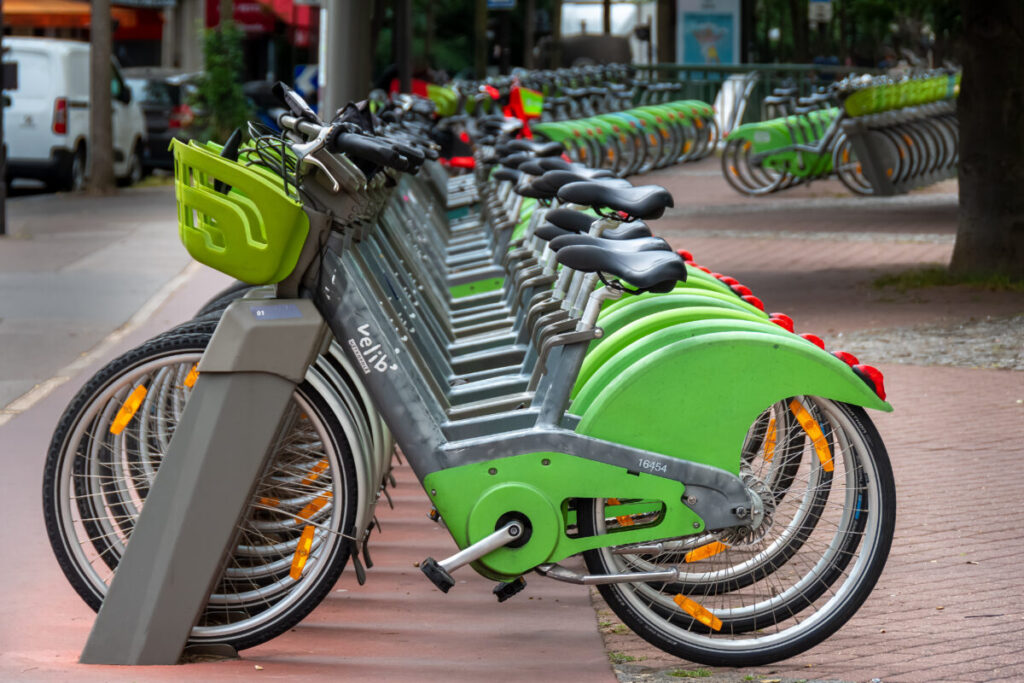
Both Lime and Vélib can be handy ways to get around Paris, but they work a bit differently. Prices, passes, and availability vary depending on whether you’re a tourist just visiting for a few days or someone commuting every morning.
Is Lime cheaper than Vélib’ in Paris?
In most cases, Vélib’ is cheaper. A Vélib’ mechanical ride is about €1 for 30 minutes, and an electric ride is €3 for 45 minutes on the pay-as-you-go V-Libre pass, while Lime costs €1 to unlock plus €0.28 a minute. Lime only pulls ahead if you take one very short ride and would rather not sign up for anything.
Are Lime scooters still available in Paris?
No. Paris banned shared rental e-scooters on 1 September 2023 after a citywide vote, so Lime, Dott, and the other operators pulled their scooters. Lime now runs electric bikes only in Paris.
How do tourists rent a Vélib’ bike in Paris?
Download the official Vélib’ app, add a credit card, and choose the V-Libre pass for pay-as-you-go riding. At a station, pick a bike in the app or on the terminal, unlock it, and go. Return it to any station and wait for the lock confirmation before you walk away.
What is the cheapest way to bike Paris for a few days?
For a short visit, the Vélib’ V-Libre pass (a one-time €6 sign-up) plus €1 mechanical rides is usually the cheapest way to get around. If you prefer dockless Lime bikes, a LimePass bundle from €3.99 for 30 minutes beats paying €0.28 a minute. Mixing both, Vélib’ for planned trips and Lime for the odd spontaneous hop, keeps costs down.
Do you need a subscription to use Lime or Vélib’?
No subscription is required for either. Lime is pay-per-ride through its app. Vélib’ lets you ride pay-as-you-go on the V-Libre pass, though a €4.30 or €9.30 monthly plan saves money if you ride often.
Where can you find Lime and Vélib’ bikes in Paris?
Vélib’ has more than 1,400 docking stations across Paris and the suburbs, so one is usually a few blocks away, often near metro stops and squares. Lime bikes are dockless and cluster around busy areas like Châtelet, Bastille, and République. Check the Bonjour RATP app or each service’s own app for live availability.
Last updated July 2026. Prices were checked against Vélib’ Métropole’s official rate card and Lime’s published Paris rates via the Paris tourist office. Bike-share fares change from time to time, so confirm the live price in each app before you ride.