
Bringing your dog or cat to Paris sounds dreamy, but the paperwork can feel like a headache. The good news? Once you know the steps, it’s not as complicated as it looks.
To get an EU Pet Passport in Paris, you’ll need to visit a local vet who can register your pet, check microchip and vaccination records, and issue the official document. That little blue booklet is your ticket to travel across EU borders without needing new health certificates every time.
I remember when I first moved here with my dog—standing in a tiny vet’s office in the 11th arrondissement, paperwork in hand, wondering if I’d missed something. The trick was making sure the rabies vaccination came after the microchip and that the registration went through I-CAD, France’s national pet database. Once that was sorted, the passport itself was quick to get, and I could finally relax knowing weekend trips to Belgium or Italy were possible without extra stress.
Points clés à retenir
- You must meet specific health and registration rules before getting the passport
- A Paris vet handles the application and issues the document
- Proper paperwork ensures smooth travel across EU borders
Table des matières
- Essential Requirements for an EU Pet Passport in Paris
- Microchip Standards and Identification
- Rabies Vaccination Protocols
- I-CAD Registration for Pets
- Step-by-Step Application Process with Parisian Vets
- Booking Your Veterinary Appointment
- Required Documentation and Fees
- Timeline and Processing Expectations
- Special Considerations for Non-EU Pet Owners
- Upgrading from the Animal Health Certificate
- Post-Brexit Changes for UK Travelers
- Travel Preparation and Entry Compliance in Paris
- Designated Points of Entry and Inspections
- Document Checks and Common Pitfalls
- Maintaining Your Pet’s EU Passport Validity
- Rabies Booster Deadlines
- Updating I-CAD Information
- Local Tips for Pet Owners Living in Paris
- Finding English-Speaking Veterinarians
- Navigating Parisian Pet Culture
- Questions fréquemment posées
- What are the necessary vaccinations for obtaining a pet passport in France?
- How can I apply for a pet passport online in France?
- What is the process for a US citizen to get an EU pet passport in Paris?
- How long does the pet passport application process take in Paris?
- Find Things to Do in Paris
- Find Accommodation
Essential Requirements for an EU Pet Passport in Paris
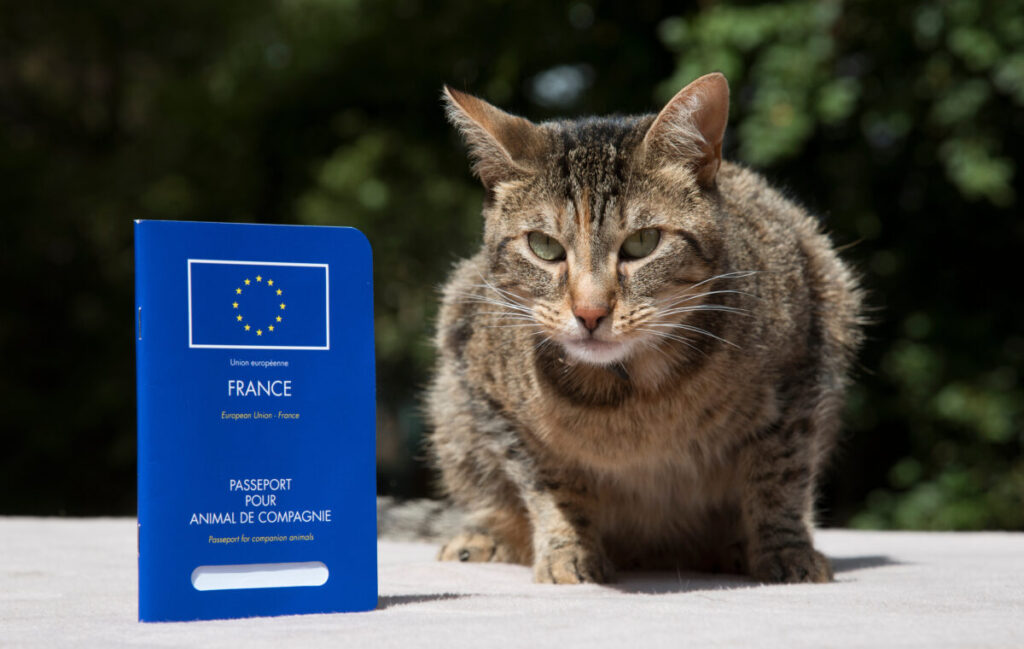
When you bring your dog or cat to Paris, it’s not just about booking a flight. The French system has a set of steps to ensure your pet is identified, vaccinated, and officially registered before obtaining an EU Pet Passport.
Microchip Standards and Identification
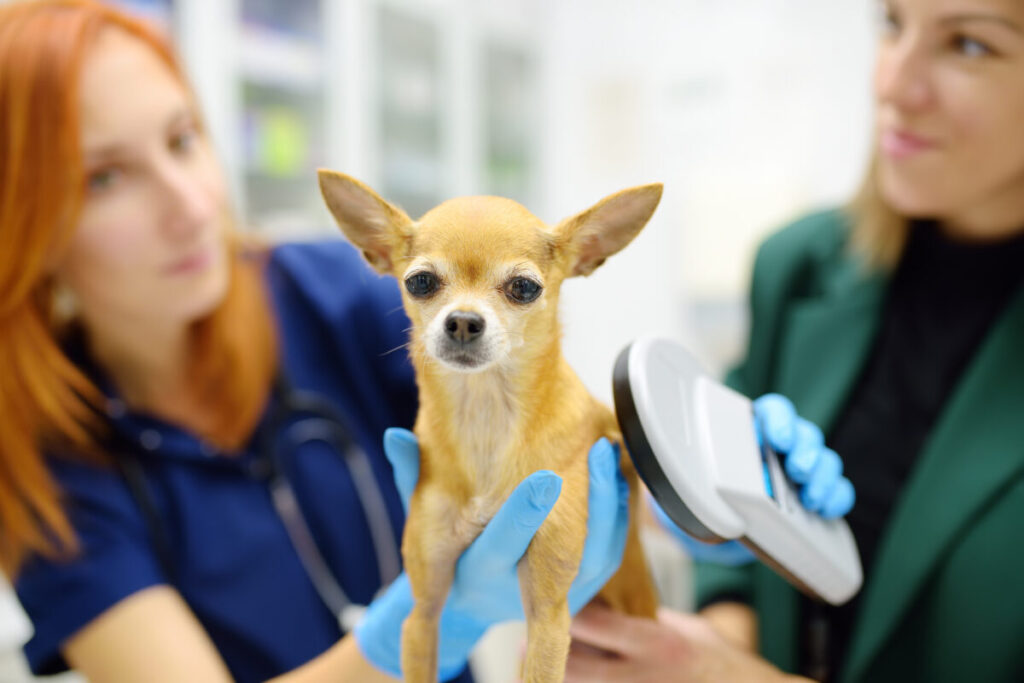
Your pet needs a microchip that meets ISO 11784 or 11785 standards—no way around it. If your pet has an older chip that doesn’t fit, you’ll need your own scanner when traveling.
The microchip has to be implanted before the rabies vaccination. Many people overlook this, but it matters. Vets in Paris check the chip at every appointment, and border officials will scan it when you travel.
I remember moving here with my dog—our UK-issued chip worked fine, but the vet still double-checked it against the EU database. Don’t assume; always confirm.
Quick checklist:
- ISO-compliant microchip
- Implanted before the rabies vaccine
- Keep paperwork showing chip number
Rabies Vaccination Protocols
Rabies vaccination is the cornerstone of the EU Pet Passport. Your pet must be vaccinated with an approved vaccine after being microchipped. If you did the rabies shot before the chip, you’ll have to redo it.
The waiting period is usually 21 days after the first rabies shot before your pet can travel. Boosters are valid as long as you don’t let them lapse. If you miss the renewal window, the clock resets, and you’ll face another 21-day wait.
Vets in Paris are strict about recording the exact vaccine details. They’ll note the manufacturer, batch number, and expiration date in the passport. Without this, your pet won’t pass border checks.
I always tell friends: keep the vaccination card or old passport too. If the rabies entry isn’t copied into the new EU Pet Passport, you’ll need both documents at the border.
I-CAD Registration for Pets
If you’re staying in France for more than three months, your pet must be registered with the Fichier national d’identification des carnivores domestiques (I-CAD). This is the French national pet database.
Your vet handles the registration, but you’ll need to provide proof of residence in France, like a visa or lease. The fee is small—around €9—and the process is quick. According to French Entrée, pets must be registered within eight days of arrival if you’re importing them permanently.
One thing to note: older vaccinations don’t automatically transfer into the new passport. That’s why keeping your old records is so important. Border agents may ask for both.
I actually had to show my dog’s old UK pet passport alongside the new French one when we traveled to Belgium. It felt like overkill, but without it, we wouldn’t have been allowed through.
What you’ll need for I-CAD:
- Proof of residence in France
- Rabies vaccination record
- Microchip details
- Registration fee payment
Step-by-Step Application Process with Parisian Vets

Getting an EU Pet Passport in Paris isn’t complicated, but it takes a bit of planning. You’ll need to make an appointment with a licensed vet, gather the right paperwork, and know how long the process will take before your pet is cleared for travel.
Booking Your Veterinary Appointment

The first step is finding a vet in Paris who’s authorized to issue the EU Pet Passport. Most private veterinary clinics can handle this, but it’s worth calling ahead to confirm. Some smaller clinics may not be familiar with the paperwork, while larger practices in central Paris often deal with it.
When you book, mention that you specifically need an EU Pet Passport. This way, the vet blocks enough time to check your pet’s microchip, vaccination history, and overall health. A regular consultation slot might not be enough.
If you’re new in the city, I recommend asking neighbors or even your local boulangerie owner for vet tips. Paris is full of pet lovers, and word of mouth is surprisingly reliable here. And honestly, finding a vet who makes both you and your pet feel comfortable is half the battle.
Required Documentation and Fees

Before your appointment, gather all the key documents. You’ll need:
- Proof of microchipping that meets EU standards
- Rabies vaccination record (must be done after the microchip)
- Any prior health certificates if you’ve traveled before
- Your ID since the passport links pet and owner
In France, pets also need to be registered with the national database called I-CAD. If your animal isn’t already in the system, your vet will handle the registration during the appointment.
Fees vary depending on the clinic. In Paris, you can expect somewhere between €40–€70 for the passport itself, plus the cost of vaccinations if needed. It’s smart to ask about the total in advance so you’re not surprised at the checkout desk.
Timeline and Processing Expectations
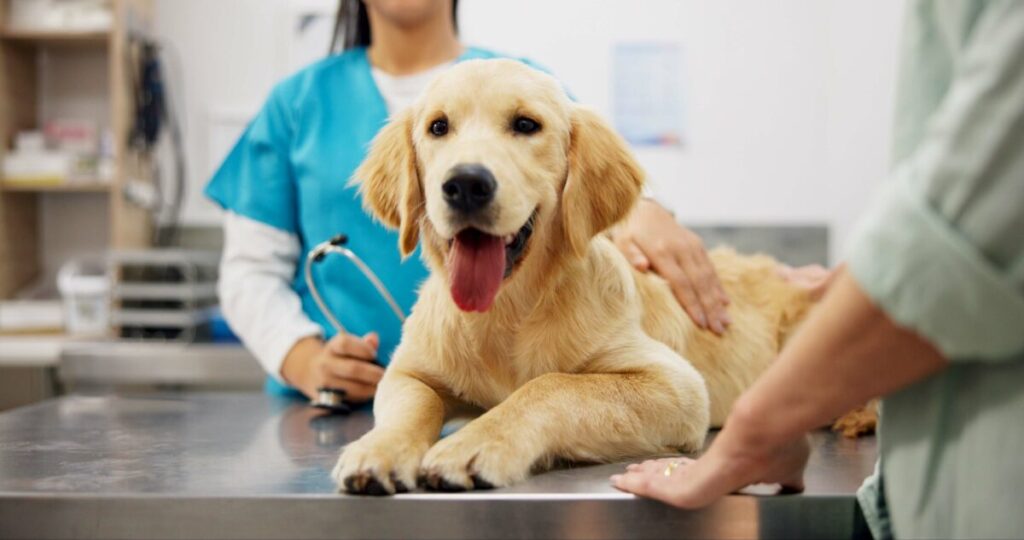
Once your pet is microchipped and vaccinated, the vet can issue the EU Pet Passport on the spot. The blue booklet is official immediately, but certain rules apply if vaccinations are brand new. For example, rabies shots require a 21-day waiting period before travel is allowed.
If your pet already has a valid rabies vaccination, you won’t need to wait. The passport is ready to use as soon as you walk out of the clinic. Some destinations outside the EU may have extra requirements, so always double-check before booking tickets.
From my own experience, the whole process in Paris usually takes about an hour at the vet’s office. The only real “waiting time” is linked to vaccination validity, not paperwork delays. And once you’ve got that little booklet in hand, it’s valid across the EU as long as you keep the vaccinations up to date.
For more details on the official requirements, you can look at this step-by-step guide to obtaining an EU Pet Passport ou la complete guide to securing one in France.
Voir connexe : How to Get Around Paris: Effortless Navigation Tips
Special Considerations for Non-EU Pet Owners

If you’re coming to Paris with your pet from outside the EU, the process looks a bit different than for residents. The paperwork is stricter, and the rules around rabies vaccination and entry points can feel confusing at first.
Upgrading from the Animal Health Certificate

When you arrive from a non-EU country, your pet usually travels with an EU Animal Health Certificate. This document is issued by an official state vet in your home country and must be completed within 10 days before entry. It’s valid for up to 4 months or until the rabies vaccination expires, whichever comes first.
Once you’re in Paris, you can upgrade that certificate into a proper EU Pet Passport. An authorized veterinarian in France can issue it as long as your pet is microchipped and has a valid rabies vaccination. The passport is much easier for repeat trips across the EU because it’s valid for life, provided you keep the vaccinations updated.
I’ve met quite a few expats here who didn’t realize this option existed. They kept renewing certificates every time they traveled, which is both expensive and stressful. Switching to a passport early on makes future travel within Europe smoother, especially if you plan weekend trips to Belgium or holidays in Spain.
Post-Brexit Changes for UK Travelers
If you’re coming from the UK, the rules shifted after Brexit. UK-issued EU Pet Passports are no longer valid for travel into the EU. Instead, you’ll need an Animal Health Certificate for each trip, issued by a UK vet no more than 10 days before departure.
Once you’re in Paris, though, you can apply for a French-issued EU Pet Passport if you and your pet are staying longer term. This is a game-changer for frequent travelers because it removes the need to get a new certificate every single time.
One detail worth noting: if you’re hopping between Ireland, Northern Ireland, or mainland Europe, there are extra rules around tapeworm treatment for dogs. Border officials do check, so it’s better to have it recorded in the passport or certificate.
I’ve seen plenty of British travelers caught off guard at Gare du Nord when officials asked for the right paperwork. Don’t risk it—get the certificate sorted before you leave, and if you’re settling in Paris, ask your local vet about converting to the passport. It’ll save you a lot of stress down the line.
Travel Preparation and Entry Compliance in Paris

Bringing your pet into Paris isn’t just about booking a ticket and packing a carrier. You need to follow specific entry rules, show the right paperwork, and know where inspections take place to avoid delays or worse, being turned away at the border.
Designated Points of Entry and Inspections

When you arrive in Paris from outside the EU, your pet needs to pass through a designated entry point where customs officers check documents and identity. Not every airport or train station handles this, so double-check that your arrival spot is set up for pet inspections before you book anything.
À Aéroport Paris Charles de Gaulle, you’ll find veterinary controls, but smaller airports might not have the staff or facilities. If you land somewhere that’s not approved, customs can send you to a different border control post, which is a hassle for both you and your pet.
Customs officers look for a microchip, proof of rabies vaccination, and the right certificate or an EU pet passport. They’ll also check how many animals you’re bringing—no more than five per person unless you’ve got competition paperwork.
From my own experience, I always carry a folder with printed copies of everything. Digital files are great, but when you’re face-to-face with a uniformed officer, paper still carries more weight.
Document Checks and Common Pitfalls
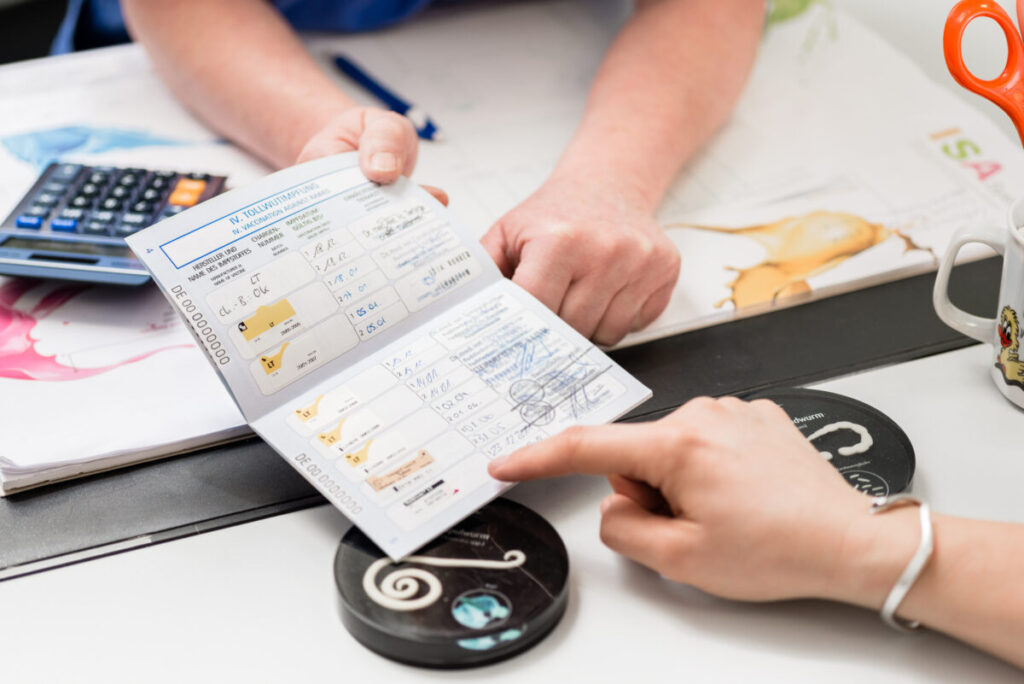
The biggest headache travelers face is missing or incomplete paperwork. Your pet’s health certificate has to come from an official vet in your home country and meet EU standards. If you’re coming back to Paris with an EU pet passport, that’s usually enough and saves a lot of stress.
One mistake that trips people up? Forgetting the rabies shot timing. The vaccine needs to happen after microchipping, and if it’s your pet’s first, you have to wait 21 days before traveling. Skip that window and customs will turn you away.
Le rabies antibody titration test is another stumbling block, depending on where you’re coming from. If you’re traveling from the U.S. or Canada, you’re off the hook, but from many other countries, the test is mandatory. The result needs to show at least 0.5 IU/ml and stays valid as long as you keep up with boosters.
Age restrictions catch a lot of people off guard. France won’t allow puppies or kittens under 16 weeks, even if they’ve had a rabies shot. It’s tough to see someone turned away at the airport over this.
Check your paperwork with your vet a few months before you go. Customs in Paris are strict—they rarely make exceptions.
Voir connexe : Unique Places to Stay in Paris for Design & History Lovers
Maintaining Your Pet’s EU Passport Validity

Keeping your pet’s EU passport valid isn’t rocket science, but you do need to stay on top of a few things. Mainly, don’t let rabies vaccinations lapse and make sure your pet’s registration in the French I-CAD system is up to date.
Rabies Booster Deadlines
The EU pet passport depends on up-to-date rabies vaccination. If you miss a booster, the passport’s no good until your pet gets a new shot and you wait 21 days. That gap can mess up travel plans, so book boosters early.
Most vets in Paris will remind you when the next shot is due, but don’t count on it. I jot the date on a sticky note and slap it on the fridge—sounds basic, but it’s saved me more than once.
If you’re moving around Europe a lot, ask your vet to write the exact vaccine name and batch number in the passport. Sometimes border agents check this, and it heads off awkward questions. The passport itself lasts for life, but only if you never let the rabies record slip.
Updating I-CAD Information
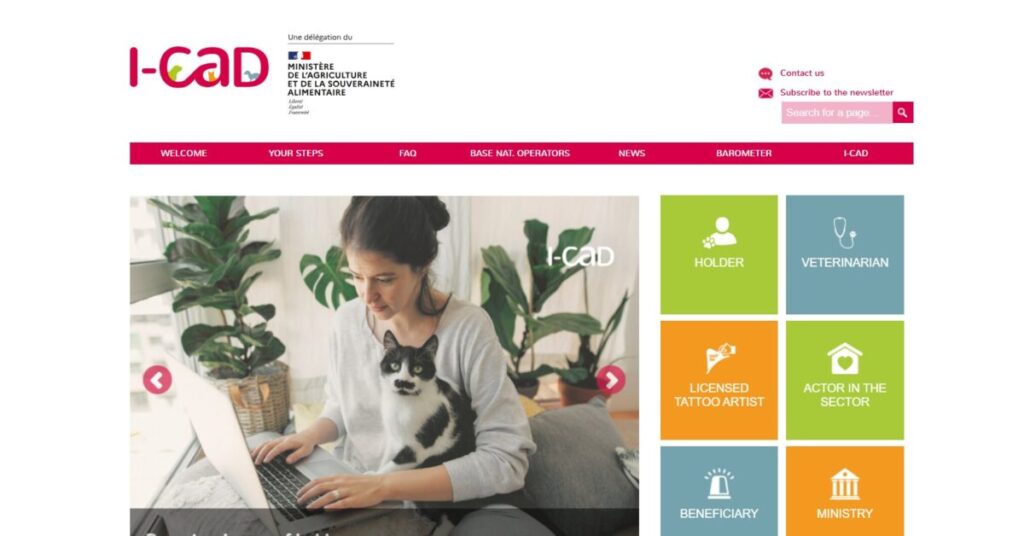
If you’re living in France longer than three months, you need to register your pet with the Fichier national d’identification des carnivores domestiques (I-CAD). This registry links your pet’s microchip to your French address, and vets need it before they can issue or update an EU passport.
Update I-CAD if you move, change your phone number, or transfer ownership. It’s a tiny detail, but I’ve seen people stuck at the vet’s office because their file wasn’t current.
Your vet can handle updates during an appointment, or you can do it online. There’s a small fee (just over €9), but it’s worth it. Without updated I-CAD info, you risk delays or even being denied when traveling with your pet.
For more details, the French rules on registering pets with I-CAD lay out the steps.
Local Tips for Pet Owners Living in Paris

Living in Paris with a pet is exciting, but it’s not always a walk in the park. You’ll want to know where to find good vets and how to fit in with the city’s pet-friendly but sometimes strict vibe.
Finding English-Speaking Veterinarians

If your French is shaky, finding an English-speaking vet in Paris is a lifesaver. Many clinics in the 7th, 8th, and 16th arrondissements have staff who can switch between French and English without missing a beat. I usually just call ahead and ask, “Est-ce que quelqu’un parle anglais?”—most times, they’ll say yes or recommend another branch.
Smaller neighborhood vets might not mention language skills online. Word of mouth and expat Facebook groups are honestly the best way to track down someone who gets both your pet’s needs and your nervous English.
Many clinics can handle the paperwork for an EU pet passport in France, which saves you a lot of time. Bring your pet’s vaccination records and microchip info. Quick tip: keep digital copies on your phone, because French offices love paperwork, and losing a form can slow things down.

Parisians really love their dogs, but there’s a certain etiquette to learn. Dogs are welcome in plenty of cafés and some shops, but you’re expected to keep them calm and close. A restless pup underfoot in a crowded bistro? That won’t win you any fans.
Parks are a mixed bag. Some, like Parc Monceau or Parc Montsouris, have designated dog areas where your pet can run off-leash. Others restrict dogs to leashed walks, and the signs can be confusing. I once got politely but firmly redirected by a guard in Jardin du Luxembourg—lesson learned.
Paris doesn’t have the cleanest sidewalks, but locals expect you to carry bags and clean up after your dog. Skip this and you’ll get dirty looks, maybe even a fine.
Also, if you have a breed that France considers a “category” dog, check the rules before heading out. The city’s welcoming, but they stick to the book when it comes to safety.
Voir connexe : Attractions nocturnes de Paris : les meilleurs spots pour des soirées mémorables
Questions fréquemment posées
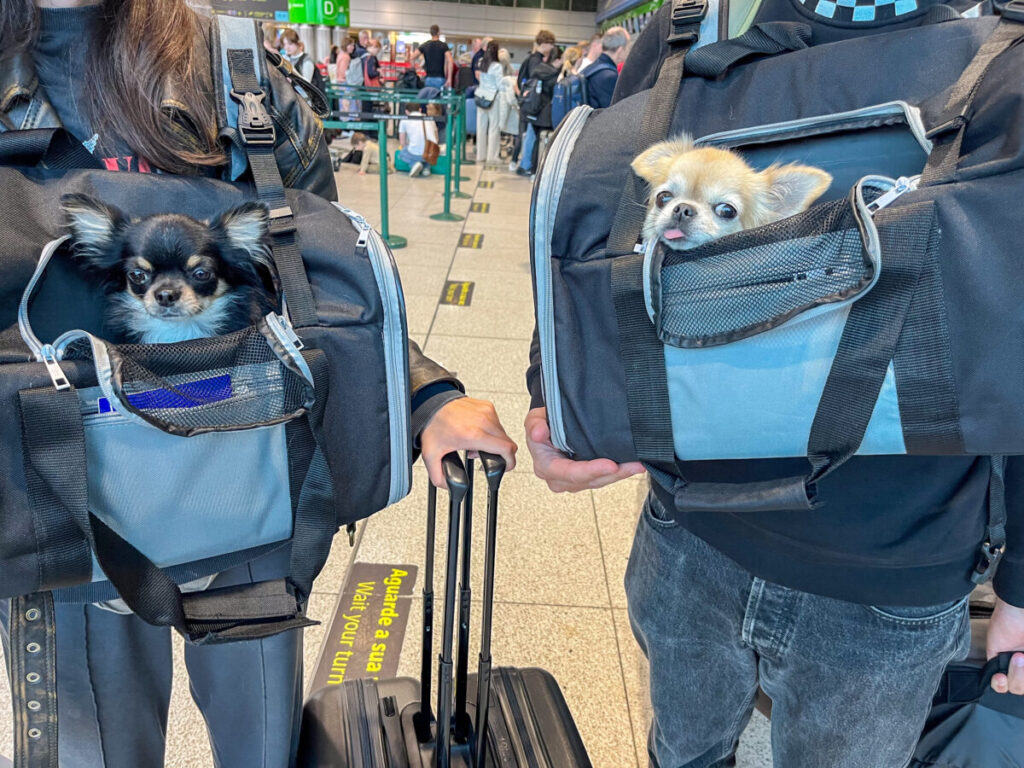
Sorting out the pet passport process in Paris can feel overwhelming. You’ll juggle vaccinations, paperwork, and timing, especially if you’re coming from outside the EU. But once you know the steps, it’s manageable.
What are the necessary vaccinations for obtaining a pet passport in France?
Your pet must be microchipped before getting the rabies vaccine. That’s non-negotiable. A French vet will check the chip, then record the rabies shot in the passport.
If your pet had vaccines before, keep the old records or UK passport as backup. The new EU passport won’t list past vaccinations, so you may need to show both at the border. You can read more about the vaccination rules on FrenchEntrée’s guide.
How can I apply for a pet passport online in France?
You can’t actually apply online. The passport is a physical booklet from a licensed vet in France.
You can book your vet appointment ahead of time, sometimes even by email if the clinic offers it. But the actual passport needs to be filled out, stamped, and signed in person.
What is the process for a US citizen to get an EU pet passport in Paris?
If you’re arriving from the US, you’ll need a USDA health certificate and proof of rabies vaccination to enter France. Once in Paris, register your pet with the French national database (I-CAD) if you’re staying longer than three months.
After that, a local vet can issue the EU pet passport. The process is explained in detail on FrenchEntrée’s page about non-EU pets.
How long does the pet passport application process take in Paris?
If your pet already has a valid rabies vaccine and a microchip, the vet can usually give you the passport right during your appointment—often on the same day.
But if your pet still needs the rabies shot, you’ll have to wait 21 days after the vaccination before you can use the passport for travel. So, if you’re thinking about a trip, it’s smart to plan ahead.