
Yes, you can still rent an electric scooter in Paris in 2026, just not from a shared app like Lime or Dott. Paris banned all app-based rental e-scooters from its streets on September 1, 2023, after nearly 90 percent of voters backed the ban in a city referendum. Today your options are a physical rental shop (about €25 to €36 a day), your own private e-scooter, or Vélib's bike-share network, which now includes electric bikes. Whatever you choose, private and rented scooters both have to follow the same road rules.
If you were hoping to zip around Paris on two wheels, don't worry, that's still easy to do. There are plenty of ways to get around the city that are fun and eco-friendly. The rules for private scooters haven't changed much, a handful of rental shops still offer daily rates, and Paris has kept expanding its bike lanes and other transport options.
Knowing what's allowed before you arrive will save you a headache and a fine. The ban on rental e-scooters changed how the city gets around, so it's worth checking the current rules before you book anything.
Table des matières
- Points clés à retenir
- Status of Electric Scooter Rentals in Paris After 2023
- Ban on Free-Floating Electric Scooter Rentals
- Reasons Behind the Rental Ban
- Impact of the Referendum and Public Opinion
- Legal Framework for Electric Scooter Use
- What Types of Scooters Are Permitted
- Who Can Ride an Electric Scooter
- Key Traffic Laws and Fines
- Which Option Fits Your Trip? Quick Comparison
- Private Electric Scooters: Rules and Best Practices
- Speed Limits and Safety Equipment
- Where You Are Allowed to Ride
- Age and Riding Restrictions
- How to Rent an Electric Scooter in Paris Today
- Physical Store Scooter Rentals
- Popular Rental Providers and Costs (2026)
- Required Documents and Deposits
- Parking and Returning Electric Scooters
- Designated Parking Zones
- Penalties for Improper Parking
- Alternatives to Electric Scooter Rentals in Paris
- Electric Bike Rentals: Vélib and Others
- Long-Term Electric Mobility Options
- Traditional Scooter and Moped Rentals
- Questions fréquemment posées
- Find Things to Do in Paris
- Find Accommodation
Points clés à retenir
- App-based rental e-scooters (Lime, Dott, Tier) are gone from Paris, but private scooters and shop rentals are still allowed
- Riders must be at least 14 years old, stick to a 25 km/h (15.5 mph) speed limit, and never ride on the sidewalk
- Rental shops require civil liability insurance; private riders should carry it too, since it's treated the same as scooter and moped insurance in France
- Vélib bikes and e-bikes are a solid way to découvrir Paris without worrying about the scooter rules at all
Status of Electric Scooter Rentals in Paris After 2023

Paris officially banned rental electric scooters in September 2023, becoming the first major European city to remove free-floating scooter services entirely. The ban followed a public vote and years of complaints about safety and cluttered sidewalks.
Ban on Free-Floating Electric Scooter Rentals
If you visit Paris now, you won't see rental scooters from companies like Lime, Tier, or Dott sitting on the sidewalk. The ban took effect on September 1, 2023, and around 15,000 shared scooters were pulled from the city practically overnight.
Privé electric scooters are a different matter and remain fully legal. The ban only covers street-rental services, the ones you'd unlock with an app and pay for by the minute.
The scooter companies moved their fleets elsewhere. Lime sent theirs to Lille, London, and Copenhagen. Dott moved theirs to Belgium and Tel Aviv. Tier's scooters went to suburbs like Marne-la-Vallée and Saint-Germain-en-Laye, outside city limits.
If you want to rent a scooter today, you'll need a fixed-location rental shop for a day, a week, or longer. Companies like Cooltra and Dualtron Location have expanded their traditional rental services to fill the gap, though it's no longer the “grab it off the sidewalk” system it used to be.
Reasons Behind the Rental Ban
Paris had genuine problems with rental scooters before the ban: riders weaving through crowds on sidewalks, scooters blocking wheelchair ramps and building entrances, and a rising number of accidents involving pedestrians. City officials cited these issues directly when campaigning for the ban.
Safety concerns were the main issue:
- Three people died in scooter-related accidents in the years before the ban
- Injuries were common, including head injuries from riders not wearing helmets
- Traffic-rule violations, like riding on sidewalks and against traffic, were widespread
Deputy mayor David Belliard called the situation “anarchy” at the time. Scooters piled up at intersections and blocked sidewalks, often left across doorways or in the middle of walkways.
Mayor Anne Hidalgo led the campaign against scooters, arguing that removing them would cut down on street clutter and safety incidents. Operators tried to clean up their operations, but city officials said it wasn't enough.
Impact of the Referendum and Public Opinion
In April 2023, the city held a referendum letting Parisians decide the scooters' fate directly. The result: 89 percent of voters backed the ban, a decisive majority.
Turnout was low, though, at only about 7.5 percent of eligible voters. Roughly 91,385 people voted against the scooters out of the whole city's electorate, which fueled debate over whether the vote truly reflected the wider public's views.
After the ban, shared bike usage climbed. The same companies that ran scooters shifted toward bikes: Lime now runs roughly 10,000 bikes in Paris, and Tier added another 5,000 bikes to its fleet.
France also raised the national minimum age for riding any e-scooter from 12 to 14, and increased fines for traffic violations, alongside the Paris-specific rental ban.
Legal Framework for Electric Scooter Use
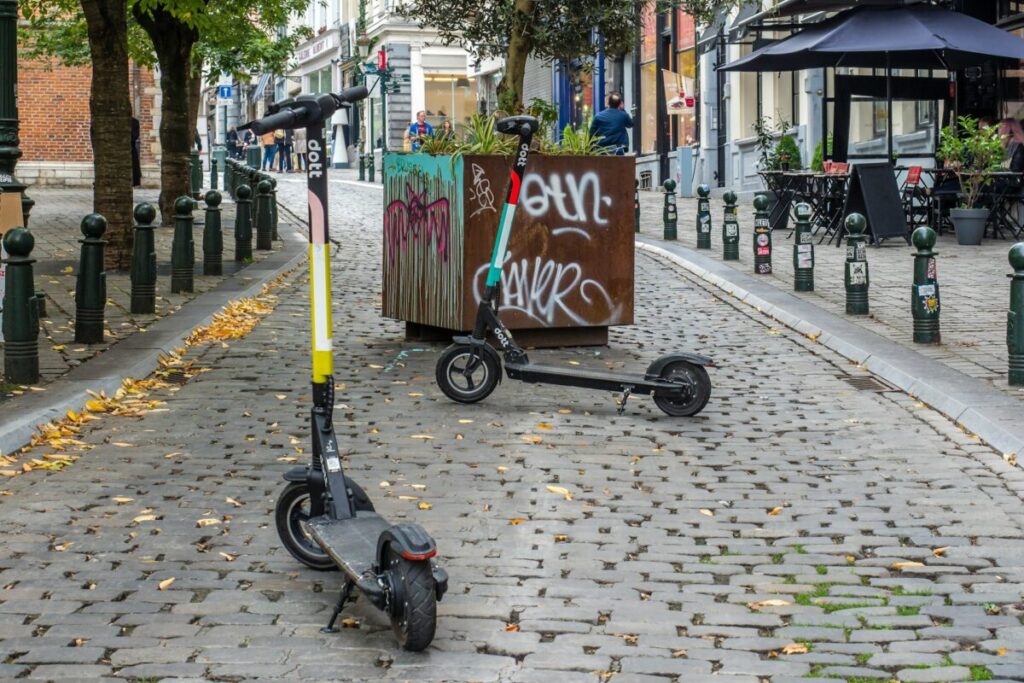
Paris banned rental electric scooters in September 2023, making it the first major European city to drop shared e-scooters entirely. If you own your own scooter, you're still fine to ride, but there are national rules about who can ride, what your scooter needs, and where you're allowed to go.
What Types of Scooters Are Permitted
You can use your own electric scooter in Paris, but it has to meet a few basic requirements. It needs working brakes, front and rear lights for night riding, and a bell or horn. The motor can't exceed 500 watts.
The legal speed limit is 25 km/h (about 15.5 mph). Go faster than that and you're breaking the law, even if you're not riding at top speed the whole time.
Here's what your e-scooter needs by law:
- Front and rear lights
- Reflectors
- Working brakes
- A bell or horn
Private e-scooters were never the target of the 2023 ban. Most of the frustration, and the referendum vote, was aimed squarely at the rental companies and the clutter their users left behind.
Who Can Ride an Electric Scooter
You have to be at least 14 years old to ride an electric scooter in Paris and across France. This age minimum was raised from 12 to 14 in September 2023, alongside the rental ban. Minors under 18 must wear a helmet by law when riding.
Adults aren't legally required to wear a helmet, but it's a smart move regardless. Only about 4 percent of riders in crashes were wearing helmets, which lines up with how common head injuries are in scooter accidents.
You also need civil liability insurance to ride legally. France is one of a small number of European countries that requires e-scooter insurance, alongside Denmark and the UK. It's mandatory for anyone renting from a shop, and strongly recommended (some regulations are tightening this further in 2026) for private riders. Check whether your home or renter's insurance already covers it before you buy a separate policy.
Key Traffic Laws and Fines
Don't ride on sidewalks in Paris, the fine is €135 if you get caught. Stick to bike lanes whenever you spot one. No bike lane nearby? Use roads with speed limits under 50 km/hour instead.
Where you can ride:
- Bike lanes (your safest option by far)
- Roads with a speed limit under 50 km/hour
- Parks and green spaces where signage allows it
Where you can’t ride:
- Sidewalks (unless you’re walking the scooter by hand)
- Roads with a speed limit over 50 km/hour
- Inside most Metro stations
Carrying a passenger gets you fined. Riding under the influence carries the same penalties as drunk driving a car.
Police enforcement around e-scooter rules has tightened noticeably since the 2023 accidents, with checkpoints reported near busy tourist areas like the Marais and Saint-Germain. Fines add up fast if you’re not paying attention to where you ride.
Which Option Fits Your Trip? Quick Comparison
Renting a shop scooter, bringing your own, or grabbing a Vélib all get you around Paris, but they suit different trips. Here’s how the main options stack up:
Option | Coût typique | Best For | Watch Out For |
|---|---|---|---|
Shop-rental e-scooter | €25-€36/day | A few days of solo exploring, no app needed | Fixed pickup/return hours; ID and deposit required |
Private e-scooter (own or shipped) | Varies (no daily fee) | Longer stays, riders who already own one | Insurance and the 25 km/h limit still apply |
Vélib bike or e-bike | €3-€10/day pass | Short hops between sights, budget trips | Docking stations only, not a scooter |
Vespa or moped rental | €25+/day | Day trips outside central Paris, groups | Usually needs a driving license |
Private Electric Scooters: Rules and Best Practices
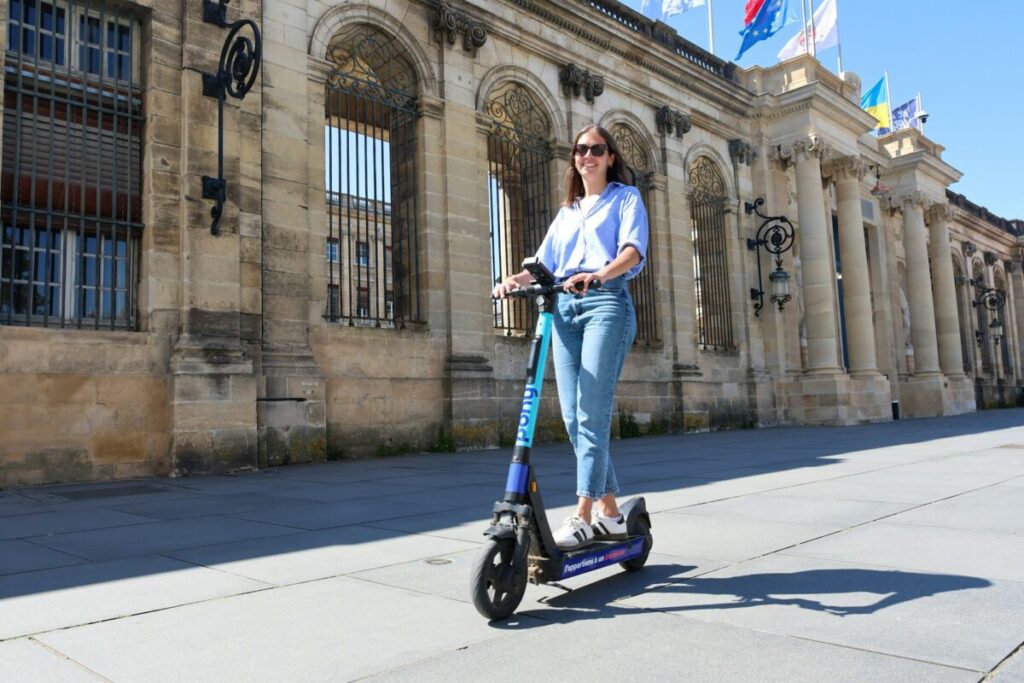
Even though rental e-scooters got banned in Paris in September 2023, you can still ride your own private scooter around the city. Just follow the rules on where to ride, how fast, and what gear you need.
Speed Limits and Safety Equipment
Your own e-scooter can’t legally go faster than 25 km/h on Paris streets. That’s plenty fast when you’re weaving through crowds near the Marais.
If you’re over 18, you don’t have to wear a helmet by law, though it’s still recommended given Paris’s cobblestone streets and dense traffic. Make sure your scooter has lights for dusk or nighttime riding: white in front, red in back.
Insurance isn’t strictly required for private use the way it is for rentals, but it’s a smart move. Even a minor collision can get expensive, and standard travel insurance rarely covers scooter accidents.
Where You Are Allowed to Ride
Use bike lanes whenever they’re available in Paris. The city has over 1,400 km of cycling infrastructure, so you’ll find a lane in most places you go.
No bike lane nearby? You can ride on roads with a speed limit of 50 km/h or less. Sidewalks are off-limits entirely, and the fine is steep, police have gotten stricter about this since the rental ban.
Parks are usually off-limits unless there’s a marked bike path. Planning to bring your scooter on public transport? You’ll need to fold it first, that’s the only way it’s allowed on the metro, trams, or buses.
Age and Riding Restrictions
You have to be at least 14 years old to ride an electric scooter in Paris, whether it’s your own or a rental. For riders under 18 who want to rent from a shop, an adult has to make the booking and stays responsible for the reservation.
Only one rider per scooter is allowed, no passengers, not even children. Headphones and phones aren’t technically permitted while riding, though enforcement on this specific rule is inconsistent.
How to Rent an Electric Scooter in Paris Today
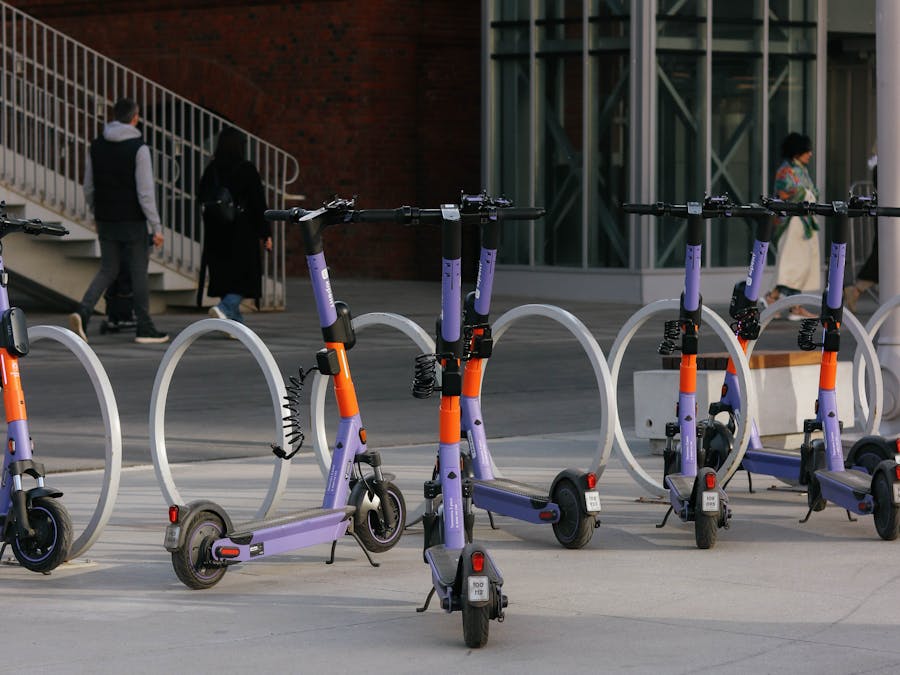
Since Paris banned free-floating e-scooter services in September 2023, you’ll need to visit a physical rental shop for a scooter. Daily rates typically run €29 to €36, and shops ask for a deposit, valid ID, and a payment card.
Physical Store Scooter Rentals
Grabbing a Lime scooter off the street is a thing of the past. Now you head into a shop, which is a bit more effort but has real upsides.
Staff will give you a proper rundown on riding safely, and they’ll set you up with a helmet and sometimes extra protective gear. You pick up during business hours and return before closing, no leaving scooters wherever you like (that habit is a big part of what led to the ban in the first place).
La plupart rental shops provide protective equipment et riding tips as part of the deal. Some offer hotel delivery for an extra fee if you’re staying a while.
Popular Rental Providers and Costs (2026)
Several shops around Paris offer electric scooter rentals at different price points. Here’s how they compared as of mid-2026:
Fournisseur | Daily Rate | Longer-Term Rate |
|---|---|---|
Location Trottinette | €36 | Ask in-store |
Zeride (4th arrondissement) | €35 | €18/day for 5+ days |
Easy Trottinette | €30 (4hrs: €15) | ~€100/week, ~€150/month |
Elzascoot | €30 | Ask in-store |
iMooving | €29 | Also sells and repairs scooters |
Dualtron Location | from €29 | High-performance models |
Zeride in the 4th arrondissement has the best volume discount if you’re exploring Paris for several days. Some shops advertise starting rates around €25 a day at select locations, so it’s worth booking ahead during busy travel periods.
Required Documents and Deposits
Bring a valid ID or passport and a credit card, there’s no way around that requirement.
Most shops hold a security deposit on your card, usually €150 to €300, and release it once you return the scooter undamaged. Some shops accept debit cards, but a credit card makes the deposit hold simpler.
You have to be at least 18 to rent, and some shops require you to sign a liability waiver. Always check the scooter for existing damage before you leave the shop, so you’re not charged for scratches you didn’t make.
Parking and Returning Electric Scooters
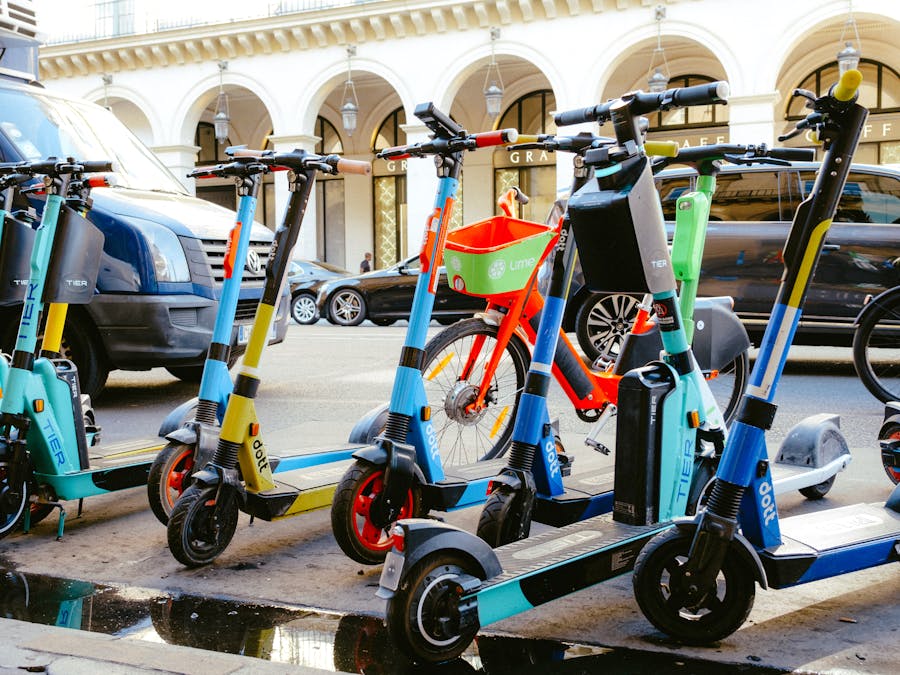
Since September 2023, rental e-scooters have been banned in Paris, so you can’t rent one from Lime, Dott, or Tier anymore. If you’ve got your own e-scooter, you need to know where to park it legally and what happens if you don’t.
Designated Parking Zones
Park your private e-scooter in specific areas to keep sidewalks clear and safe. Paris has designated parking zones, usually near bike racks or public transport hubs.
Pick well-lit spots with people around; these tend to be both safer and legal. Paris has worked for years to make the city more bike-friendly, so most bike-parking rules apply to e-scooters too.
Never park on sidewalks where you’d block foot traffic. Leaving a scooter lying flat on the pavement isn’t just rude, it’s illegal, and Paris takes accessibility seriously.
Always check local parking rules, different neighborhoods can have their own quirks.
Penalties for Improper Parking
Park incorrectly and expect fines that add up fast. The city enforces these rules firmly, given that 89 percent of Parisians voted against rental scooters, largely over the parking chaos they created.
Your scooter can be impounded if it blocks wheelchair ramps, building doors, or emergency routes. Getting it back means paying the fine plus impound fees, which adds up quickly.
Police and city officials patrol for bad parking, especially in tourist-heavy spots where scooter clutter was worst before the ban.
Alternatives to Electric Scooter Rentals in Paris
Even after the ban, Paris still offers plenty of electric and motorized ways to get around: a large bike-sharing system, long-term mobility rentals, and classic scooter and moped shops.
Electric Bike Rentals: Vélib and Others
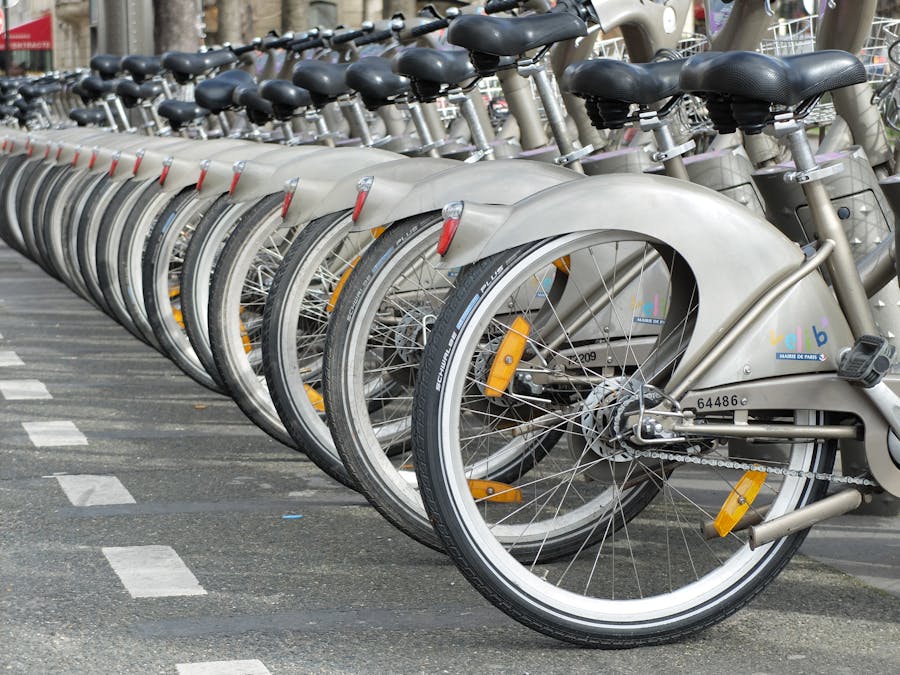
Le Vélib bike-sharing system is the most reliable stand-in for a scooter now. The name blends “vélo” (bike) and “liberté” (freedom), which sums up the appeal.
The network runs around 1,400 stations across the metro area with roughly 19,000 to 20,000 bikes, about 40 percent of them electric. See our full Vélib vs. Lime price and rules comparison if you want the complete breakdown.
Pricing is simple: a single-ride ticket is €3 (up to 45 minutes), a 24-hour classic pass is €5, and a 24-hour e-pass (covering electric bikes) is €10. A 3-day pass runs about €20. Day passes include a set ride time before extra per-minute fees kick in, and stations typically hold a refundable deposit on your card.
Beyond Vélib, you’ve got smaller providers like Lime, Dott, Zoov, and Pony offering app-based e-bikes. Handy if there’s no Vélib station nearby.
Long-Term Electric Mobility Options
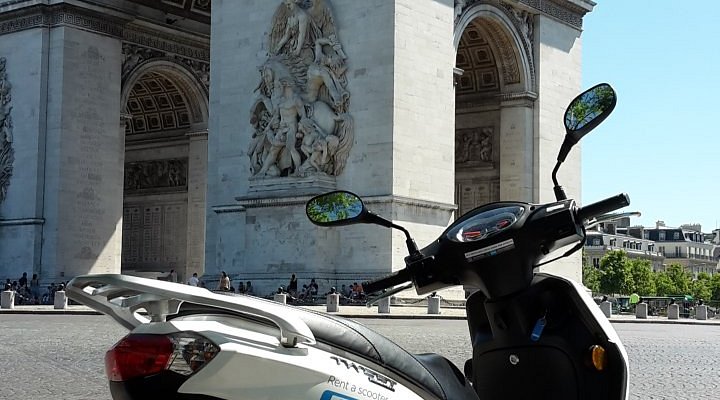
If you’re in Paris for more than a few days, monthly rentals often make more sense financially. Cooltra offers monthly scooter rentals from €150 to €410, depending on whether you want an electric or gas-powered model.
For bikes, Vélib offers subscriptions with a 12-month minimum, a good fit for expats or students in the city for a semester, with unlimited access and no daily-pass math.
Some shops offer monthly e-scooter rentals too. Easy Trottinette, for example, prices its monthly plan at around €150 and can deliver the scooter to you, which works out cheaper than paying a daily rate for the same stretch of time.
Traditional Scooter and Moped Rentals

Gas-powered scooters and mopeds are still widely available in Paris. Companies like Rent & Go rent Vespa Primavera models in 50cc and 125cc sizes, if you’re after that classic Italian scooter feel.
Cooltra’s daily rentals start around €25, cheaper than most e-scooter shops. You’ll pick a model in advance and can choose electric or gas. Note that most moped and Vespa rentals require a valid driving license, unlike e-scooters.
These aren’t the grab-and-go scooters Paris used to have, but for longer rides or trips outside the city center, a real scooter or moped can make more sense. Most shops include a helmet and a quick riding briefing.
This guide contains affiliate links. If you book a tour or rental through one of them, ParisTopTen may earn a small commission at no extra cost to you.
Last updated July 2026. Rules and rates verified against the Paris rental ban timeline (NPR, BBC, Le Monde), the 2023 national age-and-insurance law change, current shop pricing pages, and the Vélib Métropole official rate card. Prices and rules can shift, so confirm current terms directly with a shop or with Vélib before you book.
Questions fréquemment posées
Renting an electric scooter in Paris means following rules about age, safety gear, and where you can ride. Private shop rentals need ID and a deposit, with prices typically starting around €25 to €29 for a full day.