

After six years behind closed doors, Notre-Dame’s towers are finally open again, and you can climb all 424 steps for some of the best views in Paris. But if you think it’s the same as it was before 2019, think again. There’s a new route, tighter safety rules, and you have to book your spot online ahead of time—so you really need to plan if you want to stand on that 69-meter-high terrace.
You’ll need to reserve your tickets in advance through the official Centre des Monuments Nationaux website. Same-day tickets? Those vanish fast, especially when the weather’s nice. Tons of people show up not ready for the never-ending spiral staircase, the crowds, or just how much effort it takes to get up there. Whether you’re climbing for the first time or coming back after the fire, knowing how the new system works will turn a stressful visit into a great memory.
Let’s dig into everything: how to score tickets, when to go, and what you’ll actually see—gargoyles, bells, and those killer city views that make the 424 steps worth it. I’ll also share what to wear, how long to budget, and a few tips you probably won’t find in the official guide.
Points clés à retenir
- Reserve your spot online at the official Centre des Monuments Nationaux website—don’t risk showing up to a sold-out slot
- Get ready for 424 spiral steps (no elevator), and set aside 60 to 90 minutes for the full experience
- Early mornings or late afternoons mean better light, fewer crowds, and your best shot at those iconic terrace photos
Notre-Dame Towers Reopening: What’s New in 2026

Notre Dame de Paris finally welcomed visitors back to its towers after six years, and honestly, the whole experience feels fresh. The route now weaves in educational stops, smoother visitor flow, and more insight into the cathedral’s medieval construction and the recent restoration.
Important Dates for Reopening
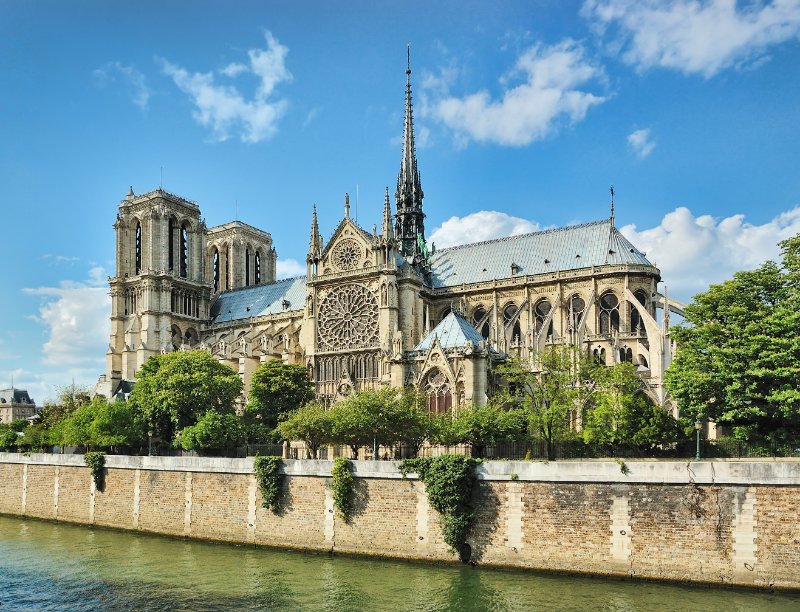
The towers reopened to the public on September 22, 2025, after the main cathedral doors swung open in December 2024. That first wave? Over 6 million people in just a few months.
The Centre des Monuments Nationaux runs the show and only lets you in with an advance booking through their website. Gone are the days of just walking up and getting in line. The new system keeps those old multi-hour waits at bay, especially during busy times.
You can visit the towers all year, except during nasty weather or maintenance. Morning slots fill up first, especially from April to October. If you want a weekend visit, check availability at least two weeks out.
Restoration crews finished safety upgrades to the medieval staircases before letting the public back in. The South Tower terrace, at 69 meters, now has better viewing platforms, but they kept the historic vibe.
Highlights of the New Climb Experience

Now, climbing those 424 steps feels like a mini history lesson. At every landing, you’ll find info panels about Gothic architecture—flying buttresses, ribbed vaults, all that good stuff. You’ll see how builders started these towers back in the 1200s.
You get up close to the famous chimeras et gargouilles. Quick reminder: gargoyles drain rainwater, while chimeras are just for show and arrived during the 1800s. Those cheeky stone faces line the gallery between the towers.
You’ll also come across the huge bells, including Emmanuel, which made it through the 2019 fire. This 13-ton beast has rung out for big moments in French history since 1681. Inside the bell chamber, you’ll see how the bells work and why they matter to Parisians.
The real payoff? That Vue à 360 degrés from the South Tower terrace. You’ll spot the Seine, Sainte-Chapelle right below, the Panthéon, and the Eiffel Tower way off in the distance.
Key Changes to the Visitor Path
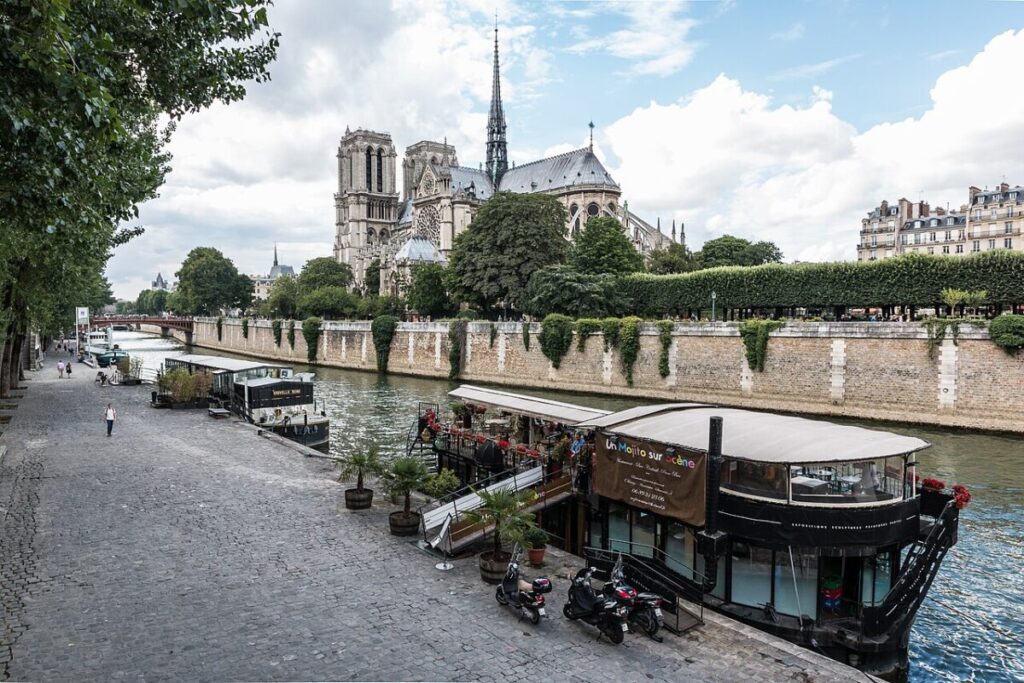
The biggest shift is the mandatory reservation system. You have to book a time slot on the Centre des Monuments Nationaux website. Sometimes walk-ups happen, but don’t count on it—especially when it’s busy.
Visits take 60 to 90 minutes, depending on crowds and how long you linger at the views. Staff move groups along at a steady pace so the narrow staircases don’t get jammed up.
Safety got a boost: better lighting on the old stairs, reinforced handrails, but nothing that ruins the original 13th-century look.
Still no elevator. The 424 steps twist through tight spirals—no way to fit a lift without wrecking the place. You’ll need steady legs and a bit of stamina.
You can take photos the whole way, but leave the tripod and big bags behind. Early morning is perfect for snapping Paris from above.
How to Book and Plan Your Tower Visit

You need to book your Notre-Dame tower tickets online through the Centre des Monuments Nationaux. Knowing how the system works will save you a lot of frustration at the bottom of those stairs.
Official Ticketing Platforms and Tips
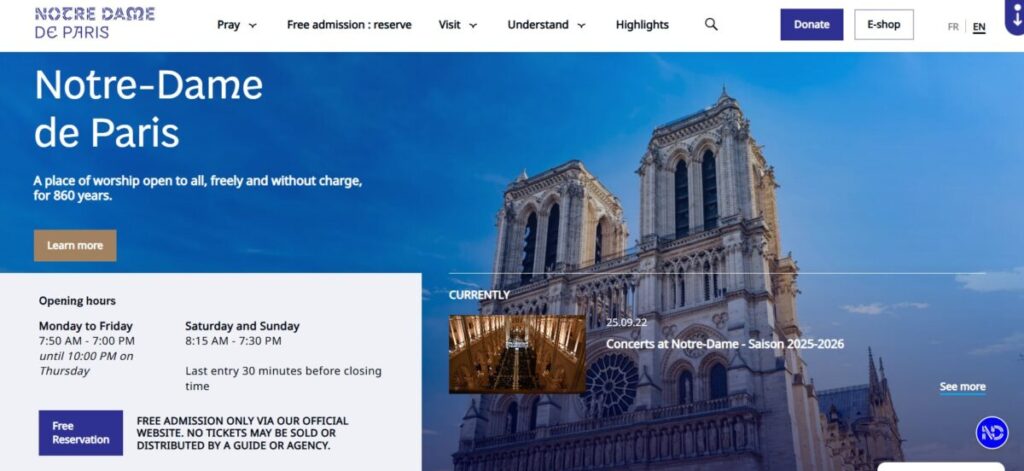
Head straight to the Centre des Monuments Nationaux’s e-ticketing service, which went live in September 2025. That’s the only place you’ll get legit tickets—don’t waste time on third-party sites.
With your ticket, you’ll get “le compagnon des Tours,” a free digital guide that you can download. It’s actually pretty handy for figuring out what you’re looking at as you climb. Keep your confirmation email ready—you’ll need to show it at the entrance.
Tickets usually drop 2-3 weeks in advance. If you’re aiming for haute saison, set yourself a reminder to check the site at the start of the month. Prices and booking windows can change, so double-check before you commit.
Reservation Versus Walk-In: What to Expect
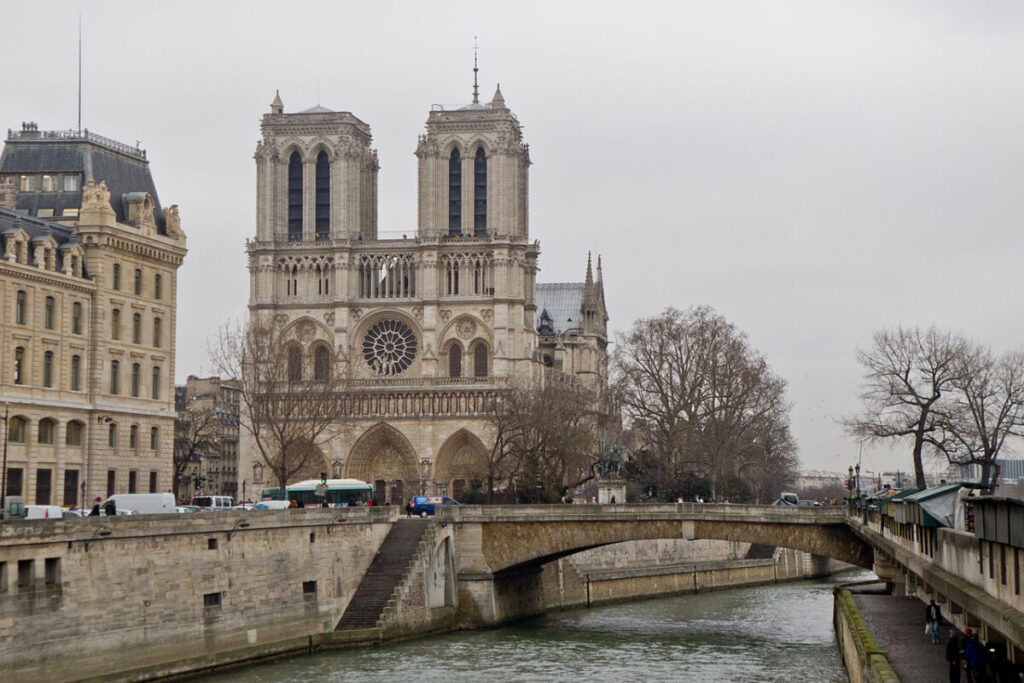
Walk-ins just aren’t a thing anymore for the Notre-Dame towers. The Centre des Monuments Nationaux requires everyone to pre-book online. Back before the fire, you could queue up at the door, but those days are over.
The reservation system keeps numbers down in those tight staircases—some spots are only 45 centimeters wide. When you book, you get a specific time slot, and you need to show up on time. Miss your window, and you’ll probably lose your spot, since the flow is strict in those cramped spaces.
Capacity Limits and Best Times to Reserve
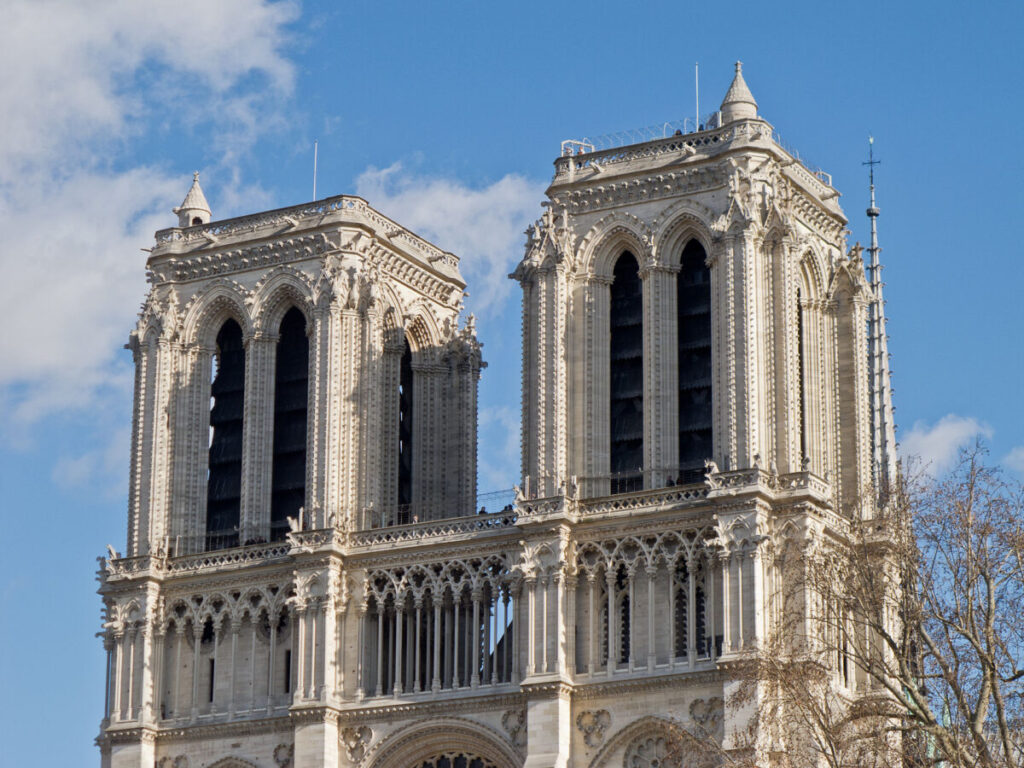
The towers can’t handle anywhere near as many people per hour as the main cathedral. Each slot lets in a small group, so popular times can sell out a week or more in advance.
Early mornings (right when they open) give you the best light for photos and fewer people up top. Late afternoons are amazing for golden hour, but those slots disappear fast in summer.
If you want a last-minute ticket, try weekday mornings in April-May or September-October. Weekend afternoons? Forget it—those go first.
Voir connexe : How to Avoid These Top Tourist Traps in Paris
Climbing the Notre-Dame Towers: Essential Tips
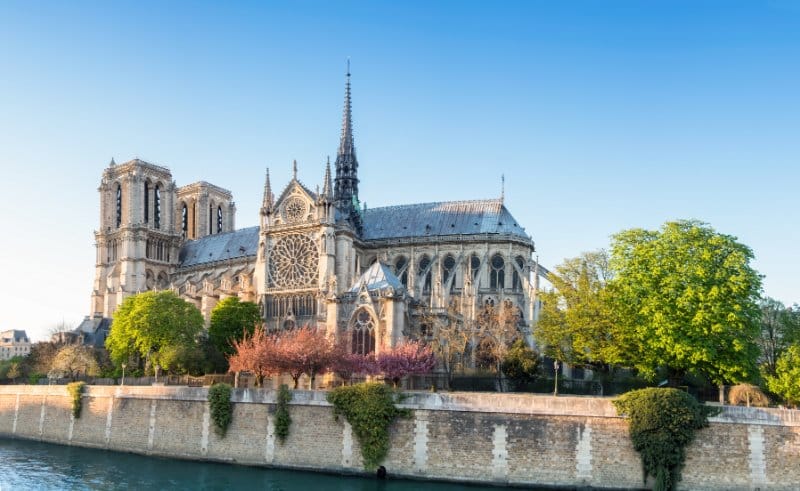
Le towers of Notre-Dame ask for a bit of fitness and some common sense. You’ll tackle 424 steps, tight corridors, and there’s nothing at the top but the view.
Preparing for the 424-Step Ascent
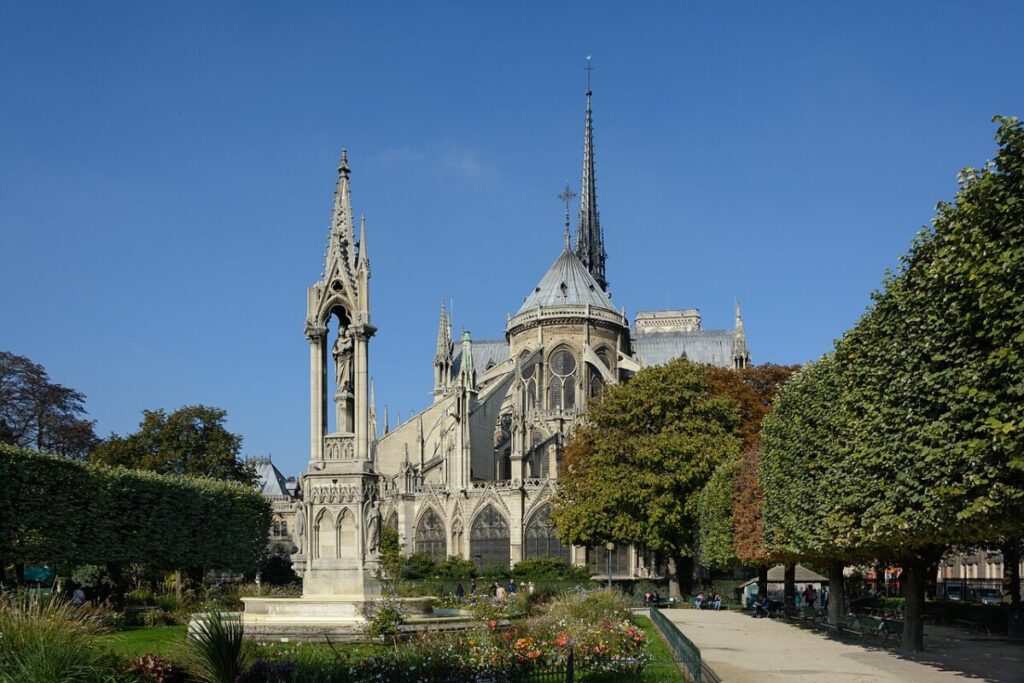
Most people need 15 to 20 minutes to reach the top if they don’t stop much. The steps are old, uneven, and change height as you go.
Some parts narrow to just 45 centimeters, and you’ll duck through low doors. All these quirks come straight from the 13th-century builders.
If you’ve got knee trouble, heart issues, or serious claustrophobia, think twice about this climb. Once you start, you can’t turn around—during busy times, the stairs only go one way. The stone can get slippery if your shoes are worn out.
Try to go first thing in the morning—between 9 and 11 AM, it’s cooler and the light’s better for photos. By afternoon, those stairs can turn into a sauna in summer.
What to Bring and Wear

Bring a small water bottle. There aren’t any fountains or bathrooms once you start climbing. Dehydration sneaks up fast, especially from late spring through early fall.
Wear closed-toe shoes with solid grip. Ditch the sandals and heels. Sneakers or sturdy walking shoes are your best bet for those worn old steps.
Leave big bags at your hotel. Backpacks just get in the way and can be a hazard in the tight spots. A small crossbody or daypack is plenty for your essentials—water, phone, sunglasses.
Dress in layers you can tie around your waist. It’s chilly at the bottom, but you’ll heat up fast. At the top, the wind can surprise you depending on the weather.
A portable phone charger isn’t a bad idea if you plan to take lots of photos. Travel gear like that always comes in handy.
Safety and Accessibility Considerations
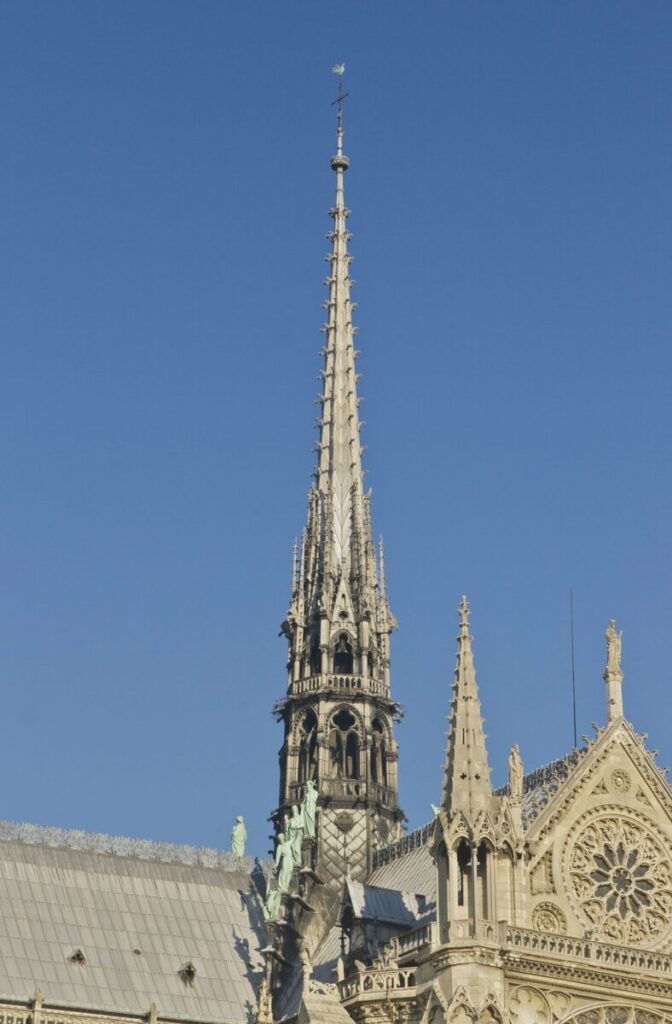
There’s no elevator—so unfortunately, the towers aren’t accessible for wheelchair users or anyone with serious mobility issues.
Kids under 8 might have a tough time. The steps are high and the climb takes a while, even for energetic little ones. You need to keep a close eye on them, especially in the narrow galleries up top.
Pregnant? Maybe check with your doctor before you try the climb. It’s a real workout and there aren’t any spots to rest.
The handrails feel polished smooth after centuries of use. Keep a hand on the rail—during busy times, you’ll be in a single-file line, squeezed between people above and below.
No food or big stuff allowed inside. Security will check your bag before you enter. Emergency exits exist, but they’re for staff only.
Unmissable Sights During the Climb
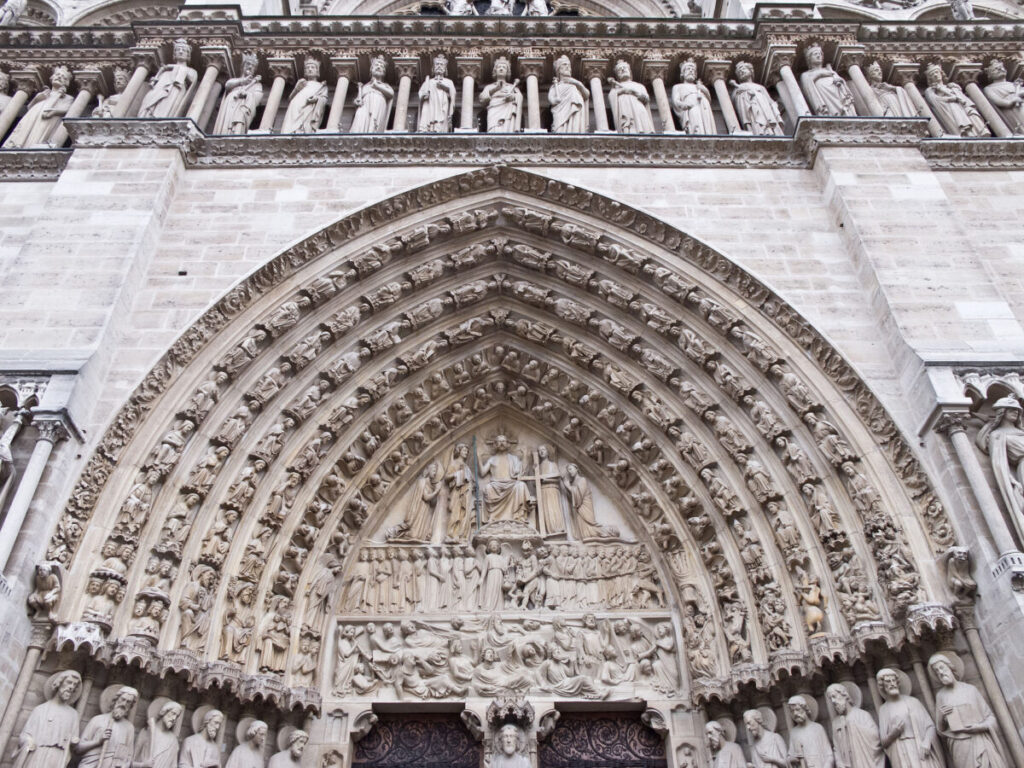
Climbing those 424 steps gets you up close to Notre-Dame’s Gothic secrets most people never see. You’ll find wild sculptures, ancient bells, and those breathtaking views that make your legs ache in a good way.
Gargoyles, Chimeras, and Other Sculptures
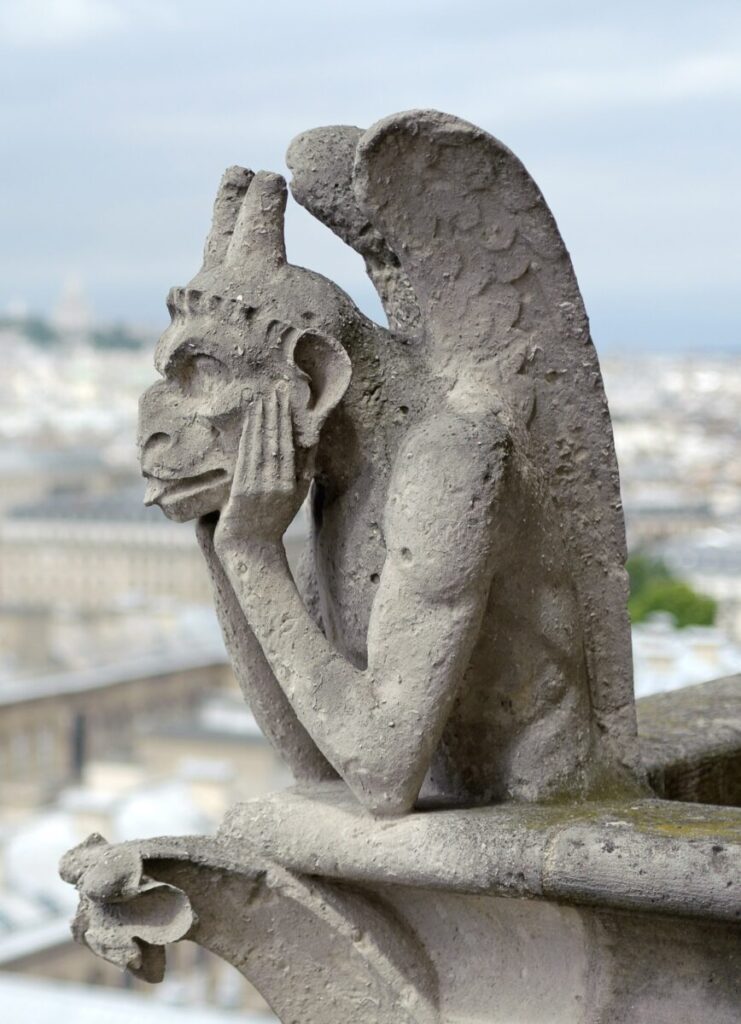
The first stop puts you eye-to-eye with the cathedral’s famous chimeras. These stone creatures perch on the balustrade, staring over Paris—some look menacing, others just goofy.
Gargouilles actually serve a purpose—they spit rainwater away from the walls. Chimeras just look cool and showed up during the 19th-century restoration. Most of what you see comes from architect Eugène Viollet-le-Duc’s imagination, not the Middle Ages.
Look for the Stryge, the most famous chimera, resting his chin on his hands and watching the city. The stone’s worn from centuries of weather. These weren’t just for decoration—they reminded medieval folks about good and evil.
Take a minute here to check out the Gothic architecture. You’ll see how builders carved straight into limestone, no modern tools. The details are still sharp, even after pollution and the 2019 fire.
The Bells and Bell Tower Stories
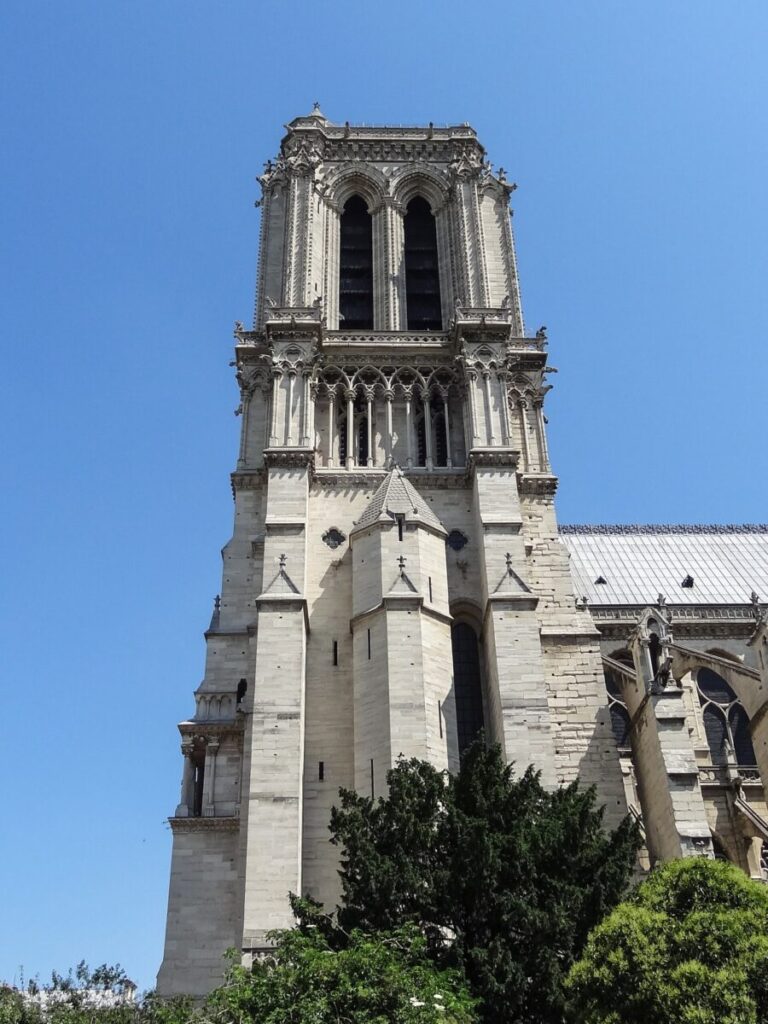
Inside the bell chamber, you’ll find Notre-Dame’s biggest treasures. Emmanuel, the largest bell, weighs 13 tons and hangs in the South Tower. It’s been ringing since 1686 for France’s biggest moments.
This bell survived the Revolution when others got melted down for weapons. Its deep sound comes from its unique mix of metals and perfect shape. You’ll see how the 2019 fire put all these bells at risk, and how restoration teams saved them.
The North Tower used to hold four bells, but those were destroyed during the Revolution. In 2013, new bells arrived, made with old-school techniques. Every bell has a name and its own sound, adding to the cathedral’s unique voice.
Panels along the way show how bell-ringers climbed these same stairs daily. The ropes and gears are a reminder of the skill it took to move such massive bronze giants.
Panoramic Views from the Terrace
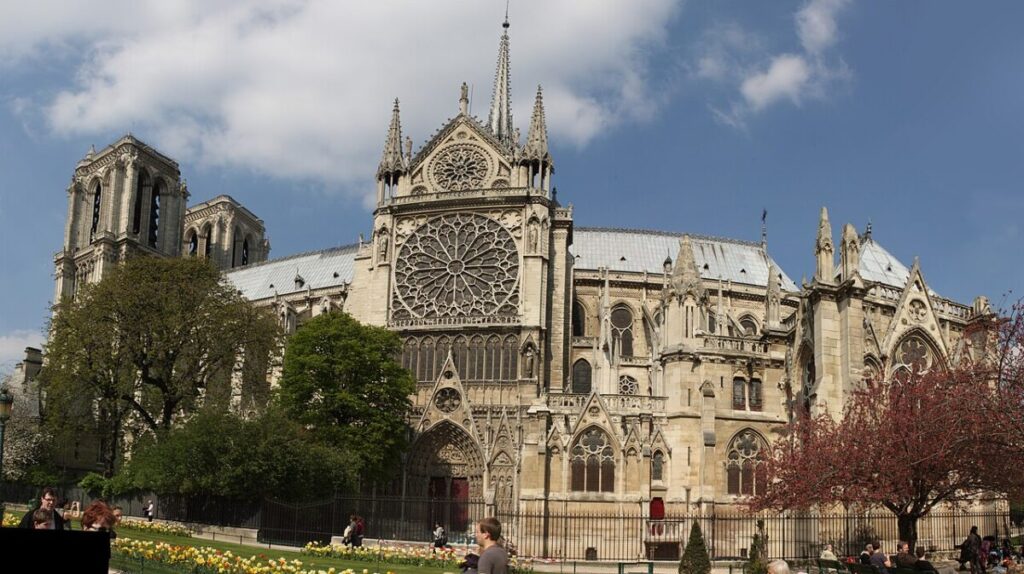
Climbing up 69 meters to the South Tower terrace, you’ll get a true 360-degree sweep across the Île de la Cité and far beyond. The Seine snakes through the city below, the Panthéon’s dome pops up to the south, and Sacré-Cœur perches on Montmartre’s hill to the north. You might even catch the tour Eiffel shimmering in the distance if the weather cooperates.
If you peer straight down, you’ll see the cathedral’s flying buttresses—those signature Gothic supports that let medieval builders go wild with tall walls and massive rose windows. Honestly, it’s a little dizzying.
From up here, you really sense how Notre Dame anchors Paris, both geographically and historically. The city’s old medieval layout seems to radiate outward from this spot. Down below, the parvis marks Kilometer Zero, the point from which all distances in France get measured.
If you come early, the light feels softer and you’ll dodge most of the crowds. Bring a windbreaker—gusts off the river can be intense. The stone balustrade keeps you safe, but doesn’t block your camera, so you can snap those cityscape shots that inspired Victor Hugo.
Voir connexe : Choses authentiques et non touristiques à faire à Paris
Exploring Notre-Dame Cathedral & Surroundings

There’s so much more than just the towers. The cathedral’s interior and the surrounding Île de la Cité have a ton to offer, from intricate Gothic details inside to monuments emblématiques just steps away.
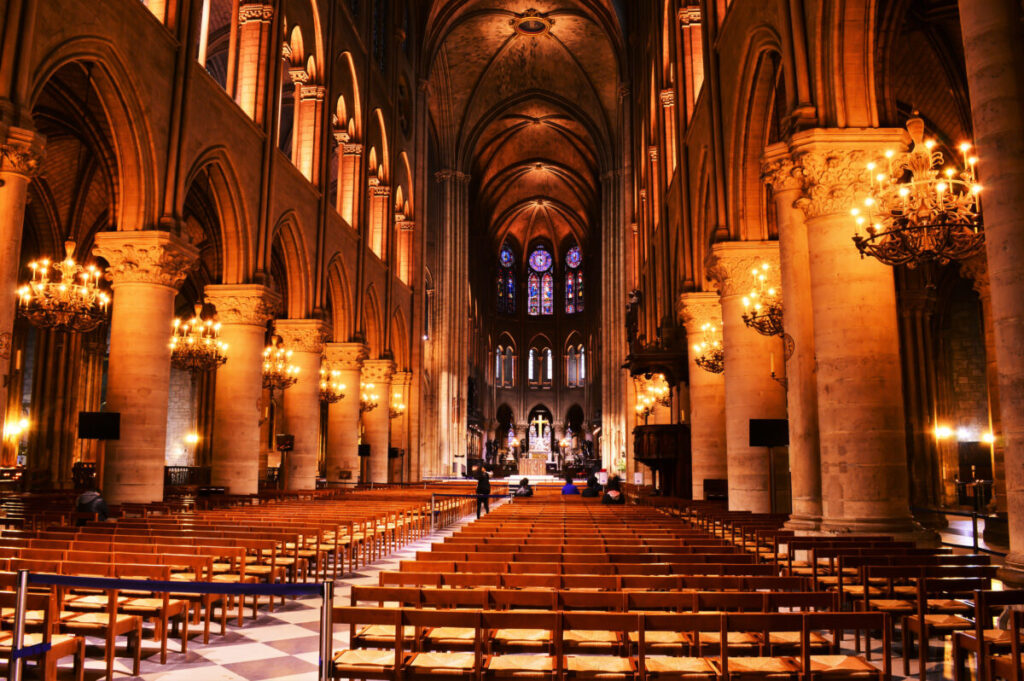
The nave stretches out for 130 meters, which somehow feels both vast and cozy at the same time. As you wander, look up—the ribbed vaults soar overhead, and colored light from the stained glass dances across the old stone floors.
You can enter the cathedral for free, but booking a time slot online helps you skip the line. Once inside, take your time along the side aisles to admire the chapels, each with its own saint, sculptures, and paintings. The choir area draws your eye with its carved wooden stalls, and the high altar leads your gaze toward the apse.
Audio guides break down the symbolism tucked into every corner. Check out the carved capitals atop the columns—each one tells a story in stone. The place opens early, so if you come in the morning, you’ll have the space almost to yourself before Place Jean-Paul II fills up outside.
Admiring the Rose Windows and Architecture
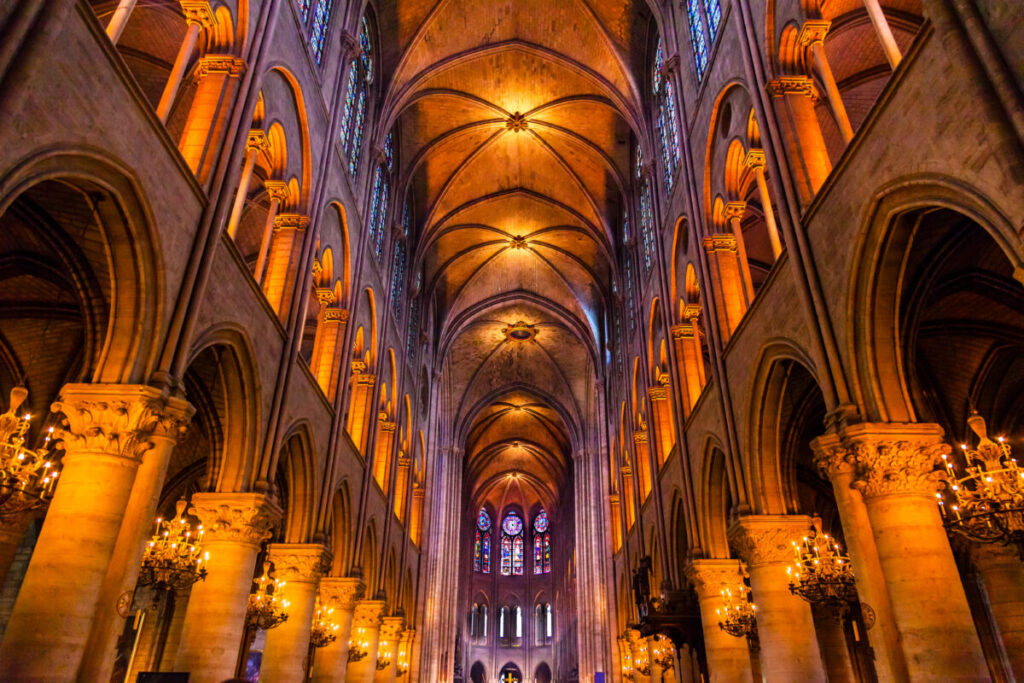
Notre-Dame’s three rose windows are legendary—true Gothic masterpieces. The north rose window, at 13 meters across, bursts with Old Testament figures in deep blues and purples. The south rose window, rebuilt in the 1200s, shows Christ surrounded by saints and martyrs.
Midday is prime time for stained glass: sunlight pours through the western rose window above the entrance, and the colors shift as the sun moves. From outside, you can see the flying buttresses holding up the walls, which made those huge windows possible in the first place. Look up at the pointed arches—they handle the weight so well, the whole stone structure almost looks like it’s floating. And after the 2019 fire, the spire now rises again, reaching 96 meters above the crossing.
Nearby Landmarks: Sainte-Chapelle and Latin Quarter
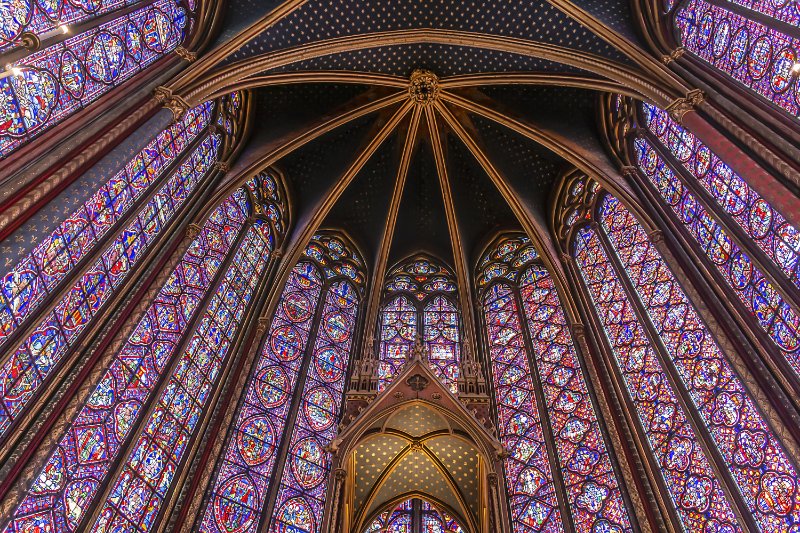
Just five minutes away, Sainte-Chapelle waits on the same island. This 13th-century chapel has 15 breathtaking stained glass windows, each soaring 15 meters high and together telling 1,113 biblical stories. Definitely book your tickets early to skip the lines.
Cross Pont Saint-Michel and you’re in the Latin Quarter, where twisting medieval streets like Rue de la Huchette hide affordable bistros and quirky bookshops. If you love old books, Shakespeare and Company is a must—books stacked to the ceiling and river views out the window.
The quarter gets its name from Latin-speaking students at the Sorbonne. These days, you’ll find locals hanging out at cafés on Rue Mouffetard or relaxing in quiet squares. Thinking of staying nearby? Paris accommodations put you close to morning markets and peaceful river strolls before the crowds show up.
Local Tips for a Smooth Notre-Dame Experience
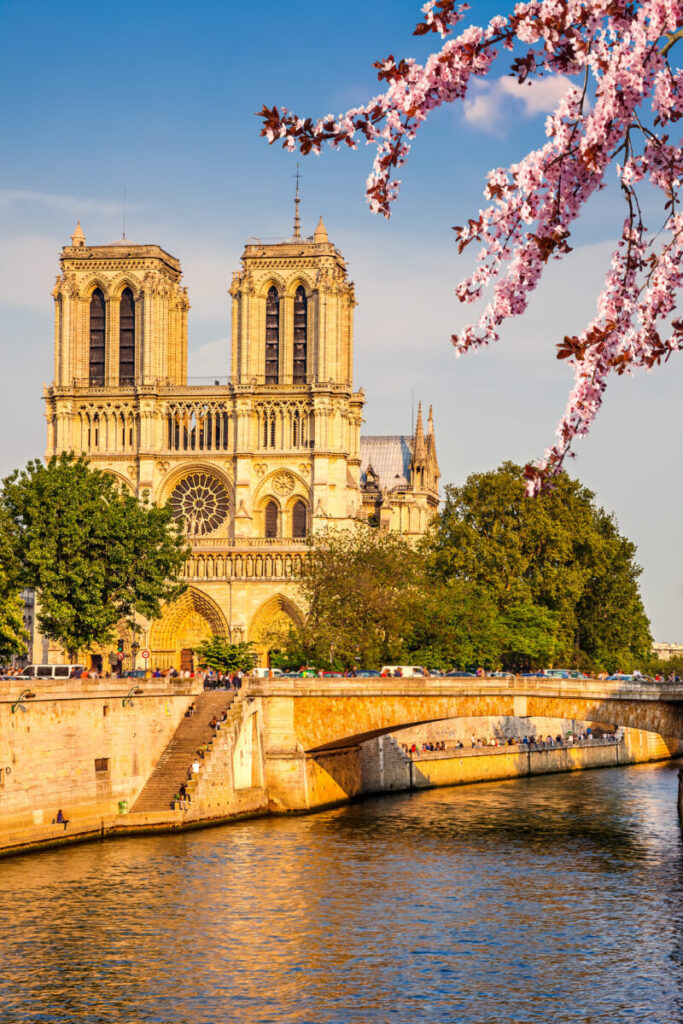
If you want your visit to feel meaningful—and not just like another box checked off—knowing a few things about Notre-Dame’s sacred nature and the crowds can make all the difference.
Dress Code and Visitor Etiquette
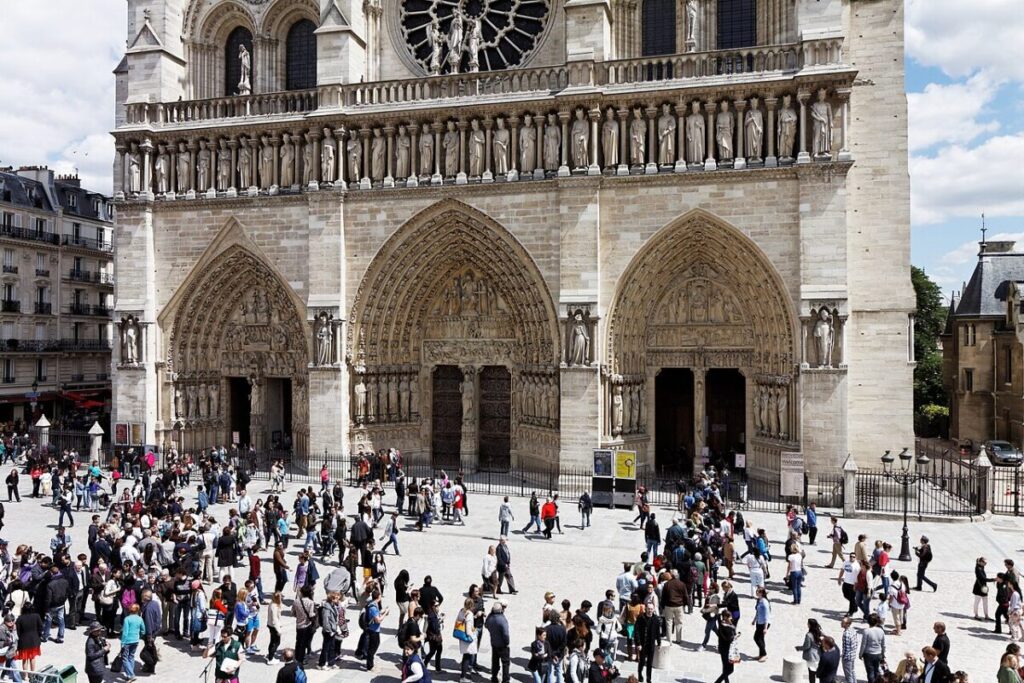
Notre-Dame isn’t just a tourist site; it’s still very much an active place of worship. You’ll need to cover your shoulders and knees. If you show up in a tank top or short shorts, expect to be turned away.
Keep your voice down inside. Silence your phone completely—vibrate still makes noise. Locals often light candles or pray in the side chapels, so give them space.
Remember to take off your hat as soon as you step inside; men especially forget this. If you’re carrying a big backpack, security might ask you to hold it in front instead of wearing it on your back—tight spaces mean it’s easy to bump into walls or people.
When to Visit for Fewer Crowds
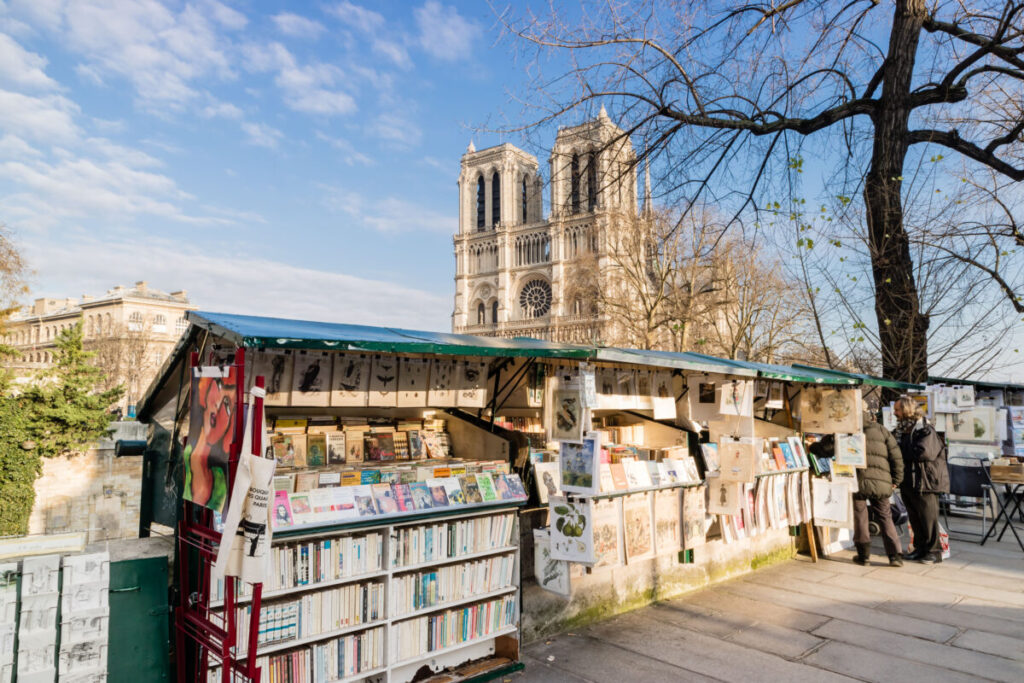
If you want peace and quiet, show up on a weekday morning between 8:00 and 9:30 AM. Most tour groups roll in after 10:00, so you’ll have a little breathing room.
Late afternoons after 5:00 PM also feel calmer. The light through the rose windows changes all day, so evenings give you a totally different vibe than mornings.
Skip Saturdays if you can. Sundays bring worshippers, but tourist crowds are thinner than Saturdays. January through March is the slowest season. Summer? It’s packed—shoulder to shoulder, and getting a photo without a stranger in it is nearly impossible.
Photography and Accessibility Advice
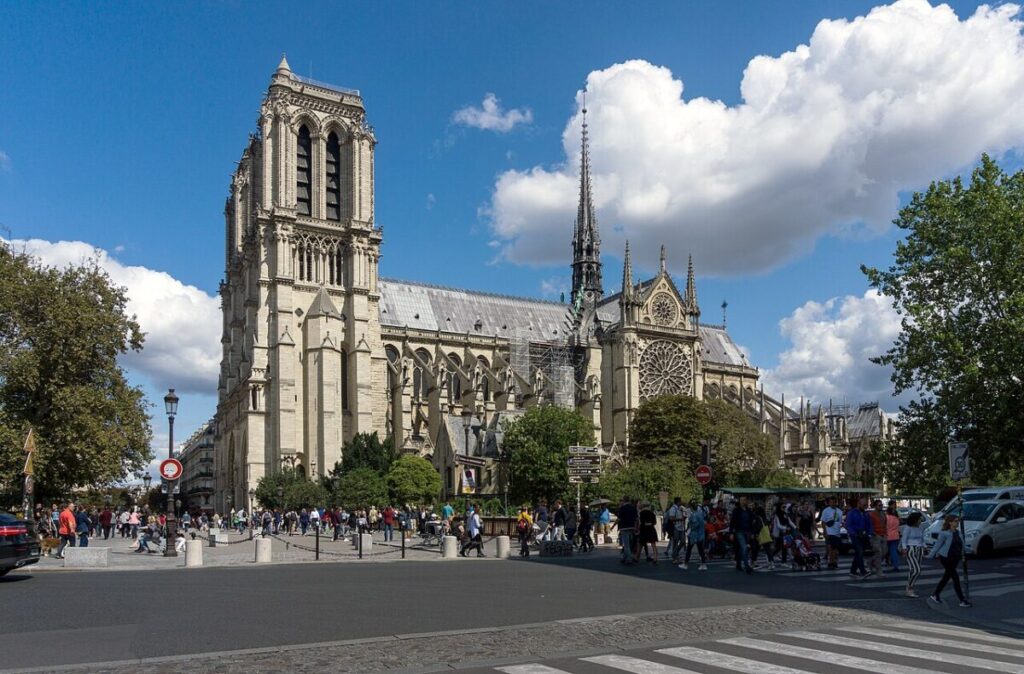
You can take photos inside, but don’t use flash. The low light makes things tricky for phone cameras, so don’t expect miracles. If you have a camera that handles low light well, bring it.
The main entrance sits at street level, but the uneven medieval stone floors aren’t easy for wheelchairs. There’s no elevator to the towers, so the 424-step climb is out of reach for anyone with mobility issues. The main floor is accessible, but during busy times, tight spaces between pews can be a hassle for wheelchair users.
You can ask for a free wheelchair at the entrance. Staff will point out the best paths for accessibility. If you’re looking to explore THE BEST 20 Tours & Things To Do in Paris outside Notre-Dame, lots of operators offer accessible options if you book ahead.
Voir connexe : Les lieux incontournables à visiter à Paris
Questions fréquemment posées
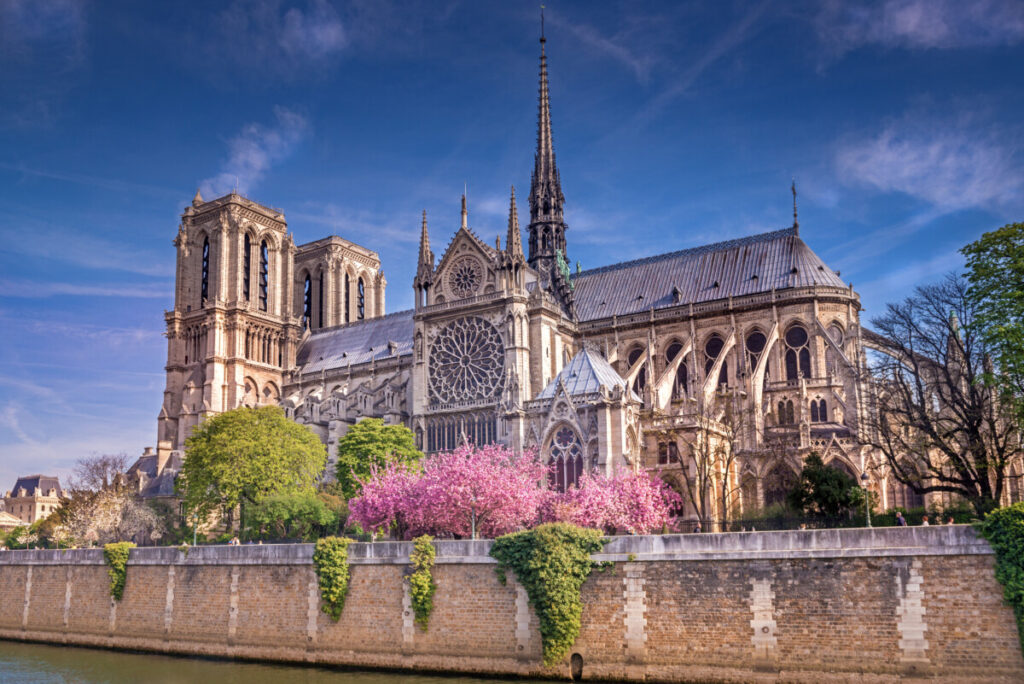
Notre Dame’s reopening brought new booking systems, new climbing rules, and updated visitor guidelines—things definitely aren’t the same as before 2019. Arriving early, wearing good shoes, and knowing you’ll need separate tickets for the cathedral and towers will save you a lot of hassle.
What are the best tips for visiting Notre Dame now that it has reopened?
Book your cathedral time slot ahead of time through the Diocese of Paris website. Walk-ups sometimes work, but reservations guarantee you a spot and help control the crowds.
Get there 15-20 minutes before your time slot. Security checks take longer than they used to, and you’ll want a few extra minutes to find the right entrance on the north side.
Dress modestly because Notre Dame is still a functioning church. Shoulders and knees covered, hats off inside.
Come right at opening or later in the afternoon for gentler light and fewer tour groups. Mid-morning (10am-12pm) is the busiest, especially on weekends.
How can you purchase tickets for the Notre Dame Bell Tower?
Bell tower tickets are separate from cathedral entry. You’ll need to book through the Centre des Monuments Nationaux website, not the cathedral’s.
During peak season, tower tickets sell out days or weeks ahead. Check availability as soon as you know your Paris dates—April to October is especially busy.
You can’t buy tower tickets at the cathedral itself. Online booking is the only sure way, though sometimes you’ll luck out with a same-day slot if someone cancels.
What should you know before taking the Notre Dame Bell Tower tour?
You’ll climb 424 spiral steps to reach the South Tower terrace at 69 meters. No elevator, and the stairs are narrow and sometimes low-ceilinged.
The climb takes anywhere from 60 to 90 minutes, depending on your pace and how much time you spend admiring the views. You’ll pass gargoyles, chimeras, and the giant Emmanuel bell on the way up.
Wear closed-toe shoes with good grip. The stone steps can be slick, and the spiral can make you a bit dizzy.
Even in summer, bring a light jacket. It gets windy and chilly at the top, much more than you’d expect from the street.
Are there any restrictions or guidelines in place for visitors wanting to climb Notre Dame?
Kids need to be with adults the whole time. The spiral stairs and open platforms demand constant attention from parents.
Large bags and backpacks aren’t allowed in the towers. Bring just the essentials in a small bag or your pockets.
The towers aren’t accessible for anyone with mobility limitations. The historic structure can’t be modified for elevators.
You can take photos, but leave the tripod and selfie stick at home. Tight spaces and moving crowds make big gear a real headache.
How early is it recommended to arrive for a visit to Notre Dame to ensure a smooth entry?
Aim to arrive 15-20 minutes before your reserved time slot for the cathedral. That gives you time for security and to find the right entrance.
For the towers, 10 minutes early should do it—you’re climbing at a specific time and if you’re late, you might miss your spot. The tower entrance isn’t the same as the main cathedral doors.
If you want the smoothest experience, go for the first entry at 8am. Lines are shortest, and it’s just quieter all around. After 9:30am, the crowds start piling in.
What are the current opening hours for visitors to explore Notre Dame Cathedral?
Notre Dame Cathedral usually opens its doors at 8am and closes at 7pm. These hours have stayed pretty much the same since the December 2024 reopening, but honestly, they might shift a bit depending on the season.
If you’re planning to climb the towers, you’ll find different hours there. Tower visits start at 10am and wrap up by 6:30pm, but keep in mind—they let the last folks in at 5:45pm so everyone has time to make the climb. The Centre des Monuments Nationaux actually runs the tower visits, so the schedule doesn’t always match up with the main cathedral.
Before you go, it’s smart to double-check the official websites. Sometimes they close for holidays or change things up for special Masses. Major Catholic feast days can mean shorter hours or even a totally different way to get inside.
Find Things to Do in Paris
Find Accommodation

Continue Planning Your Paris Trip
Sacre Coeur Climb: Your Guide to Conquering Montmartre’s 300 Steps
Climb 280 steps to the dome of Sacre-Coeur for a 360-degree view of Paris most visitors miss. Dome…
Read Guide →
Paris Nights: A Love Affair Under the Stars
Paris after dark is a different city. A love letter to its golden-lit bridges, quiet Seine walks, and…
Read Guide →
A First Timer’s Week in Paris: A Dream Come True
One first-timer's week in Paris, Saturday to Friday: what filled the days, why the shoulder-season weather was perfect,…
Read Guide →