
Paris packs over 2,000 monuments and historic sites into its arrondissements—honestly, you’d need months to see them all. But you don’t need months to get a real taste of what Paris offers.
The most efficient way to visit Paris monuments? Group attractions by neighborhood, start early, and mix walking with the metro to cut down on wasted travel time.
I’ve seen way too many folks burn hours bouncing between far-flung monuments with no real plan. People try to see everything in a single day, but end up spending more time on trains than actually exploring. The trick is knowing which monuments sit near each other and plotting a route that flows naturally through the city.
If you plan smart, you can hit three or four major monuments in a day. Pick the right transport pass, check which sites need advance reservations, and pay attention to when crowds peak at spots like the Eiffel Tower or Arc de Triomphe.
Points clés à retenir
- Group monuments by neighborhood so you spend less time commuting and more time exploring
- Start early and reserve time slots for the big names to skip the worst lines
- Walk between close-by sights and hop on the metro for longer stretches—it’s way more efficient
Essential Strategies to Maximize Monument Visits

Good planning can turn a chaotic Paris trip into a smooth, memorable experience. You’ll want to group sites by area, book tickets in advance, and time your visits right.
Plan and Group Attractions by Area

Paris naturally splits into distinct neighborhoods, so lean into that. The Louvre, Tuileries Garden, and Place de la Concorde? All within a 15-minute stroll. Over in the Latin Quarter, the Panthéon and Notre-Dame Cathedral sit pretty close together.
If you plan your Itinéraire parisien by area, you avoid zigzagging across the city. I’ve watched tourists waste hours on the metro, time they could’ve spent inside actual monuments.
Group the tour Eiffel with the Arc de Triomphe, both on the Right Bank. Pair Sacré-Cœur with Montmartre’s winding streets.
Left Bank Grouping:
- Panthéon
- Jardin du Luxembourg
- Cathédrale Notre Dame
- Sainte-Chapelle
Right Bank Grouping:
- Musée du Louvre
- Arc de Triomphe
- Champs Élysées
- Jardin des Tuileries
This way, you save time and get a feel for each neighborhood’s unique vibe.
Book Timed Entry and Skip-the-Line Tickets
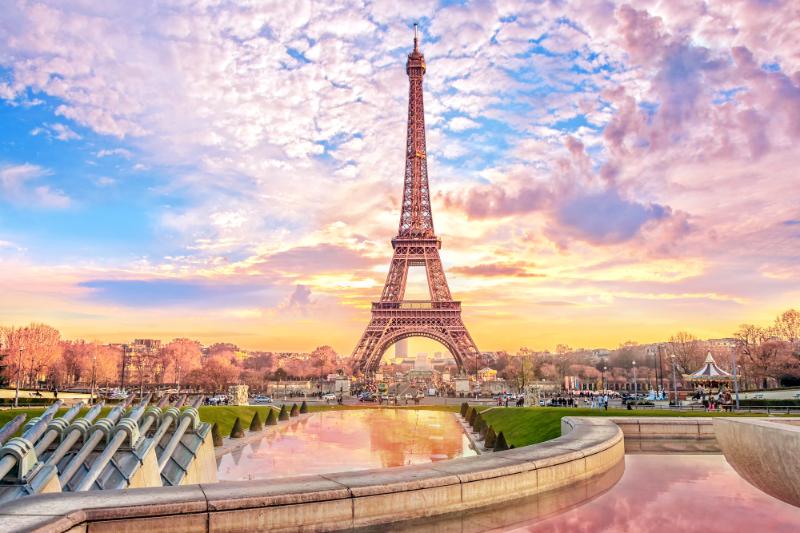
Showing up without tickets is a rookie mistake. The Louvre’s general admission line can stretch for hours in peak season, while people with billets coupe-file breeze right in.
Most big monuments now require or at least strongly suggest advance booking. Tours & Excursions in Paris often include accès prioritaire so you can skip the worst queues. The Eiffel Tower drops tickets about 60 days ahead, and the best time slots vanish quickly.
When you book timed entry, you get a specific window to arrive—so you have to plan your day around that. It actually helps you see more, not less.
Priority Booking Sites:
- Eiffel Tower (official site)
- Musée du Louvre
- Château de Versailles
- Arc de Triomphe
The Paris Museum Pass sounds tempting, but honestly, for just three monuments in a day, individual tickets usually cost less. Do a quick price check before buying.
Start Early and Prioritize Iconic Monuments
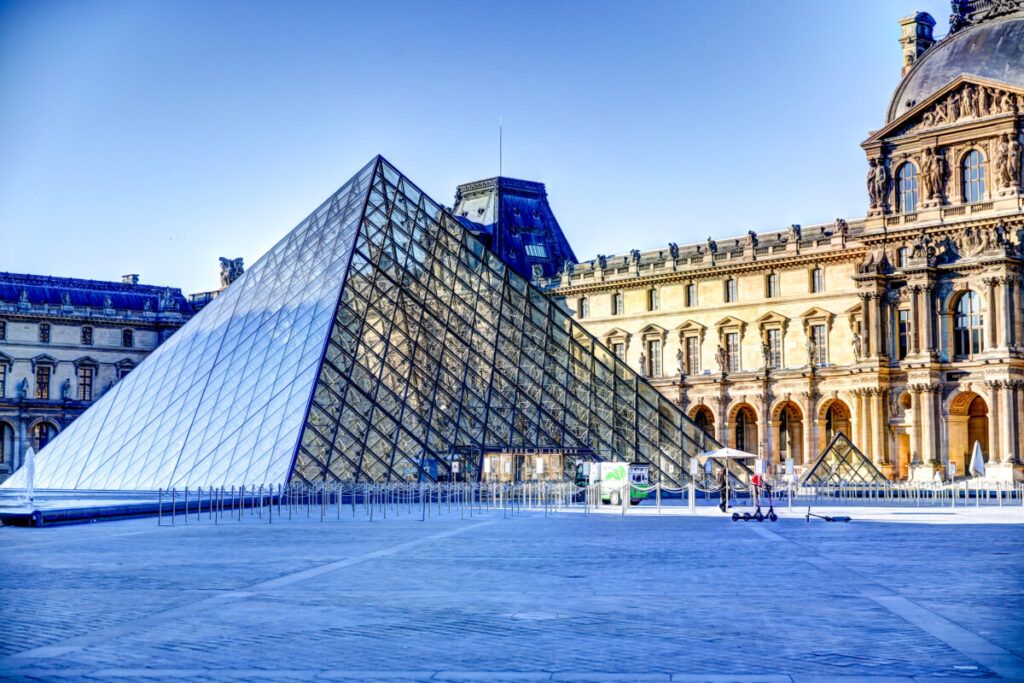
Getting to monuments right when they open is a game-changer. I once stood alone in the Louvre’s Egyptian wing at 9:05 AM—by 11:00, it’s packed.
Kick off your sightseeing with the monument you care about most. If you’re dreaming of the tour Eiffel, don’t wait until day three when you’re wiped out. Go first thing, while you’re fresh and have wiggle room if anything goes sideways.
Early mornings mean better light for photos and cooler temps, too. The Musée d’Orsay at opening? Way less crowded. Start your trip strong instead of saving the best for last.
Opening Time Tips:
- Arrive 15 minutes before opening
- Buy your tickets ahead of time
- Check which entrance to use
- Bring any ID or confirmation you need
But hey, you don’t need to wake up at dawn every day. Sometimes, hitting a less-crowded monument at a normal hour beats fighting the morning mob at a popular spot.
Recommended Routes for Efficient Sightseeing
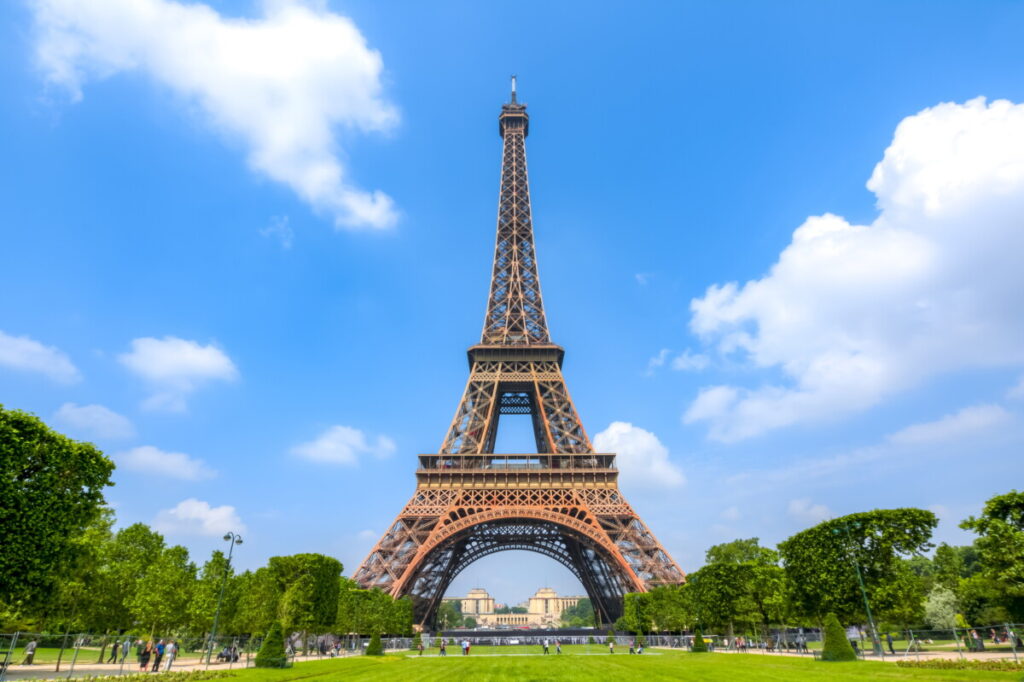
If you map out your route, you’ll save yourself all kinds of backtracking and exhaustion. Here are a few tried-and-true routes that link up the big sights with easy walks and quick metro rides.
Classic Monument Walking Route
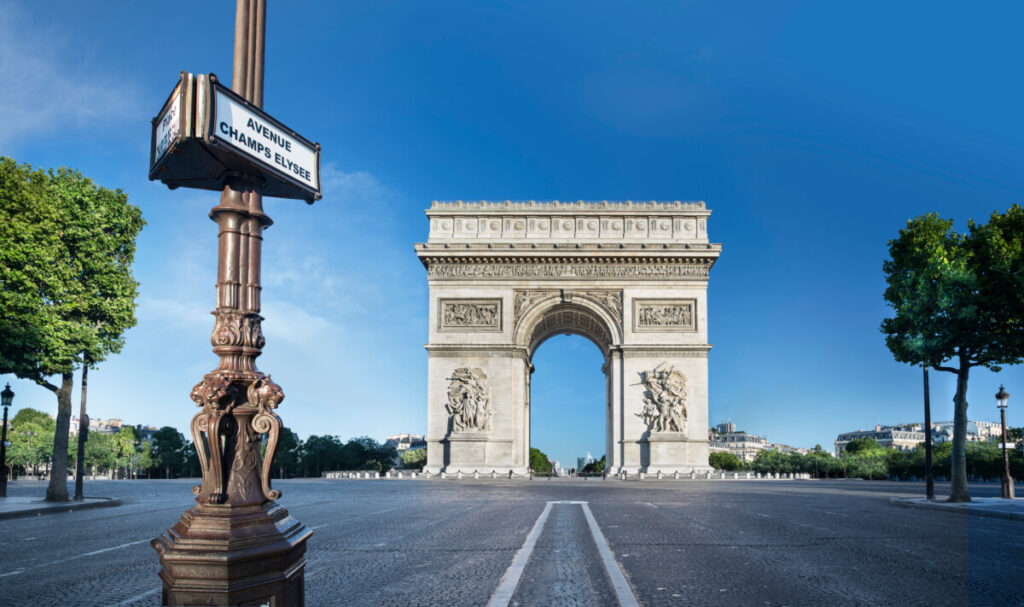
Kick things off at Trocadéro for that classic Eiffel Tower view, then stroll across Pont d’Iéna to get up close. From there, it’s a lovely 20-minute walk along the Seine to Les Invalides.
Soak in the views along the way. After Napoleon’s tomb, head northeast to the Champs-Élysées—about a 15-minute walk. Then wander the famous avenue up to the Arc de Triomphe at Place Charles de Gaulle.
This route works best in the morning before the crowds show up. Expect to spend 4–5 hours total, sightseeing included. If your feet start complaining, the metro’s nearby—Line 6 runs elevated by the Eiffel Tower, with awesome city views.
Efficient Riverfront Itinerary
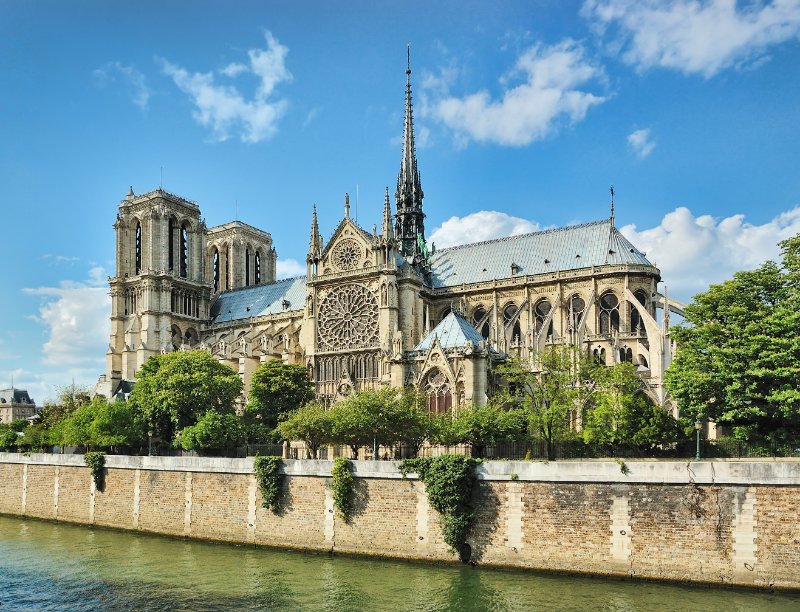
The Seine links up a bunch of Paris’s top monuments, so just follow the river for a super efficient day. Hop on RER C to Saint-Michel and start at Notre Dame (even under restoration, it’s worth seeing from outside).
Walk west along the Left Bank to Musée d’Orsay, then cross over to the Right Bank near Place de la Concorde. A Seine river cruise is a fun way to rest your legs and see the city from a different angle.
Continue to the Louvre, then wander through the Jardin des Tuileries. The whole riverside walk from Notre-Dame to the Eiffel Tower is about 5 km, but honestly, it goes by fast because there’s something cool around every corner.
Start or end at Cité station. And if you need a break, a Seine cruise slots in perfectly.
Circular Route for First-Time Visitors

This loop hits all the big names—no doubling back. Begin at the Arc de Triomphe, take the metro to Anvers for Montmartre, then head down to the Louvre area.
Depuis Sacré Coeur, Metro Line 2 takes you straight to Right Bank monuments. Stop at Trocadéro for the Eiffel Tower, then hop on RER C to reach Notre-Dame and the Latin Quarter.
Stop | Monument | Transport |
|---|---|---|
1 | Start point | |
2 | Metro to Anvers | |
3 | Metro Line 1 | |
4 | RER C or walk | |
5 | RERC |
Start early and you can cover all the icons in one day. Mix up metro rides with short walks to keep things moving and avoid burning out.
Voir connexe : Attractions nocturnes de Paris : les meilleurs spots pour des soirées mémorables
Must-See Paris Monuments and How to Experience Them Efficiently
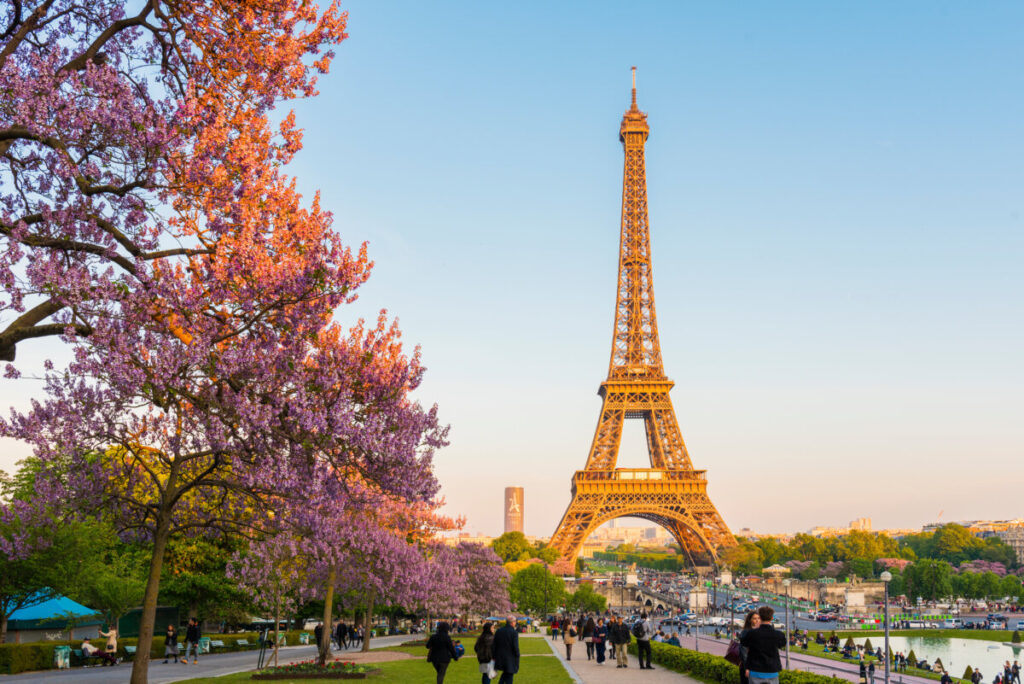
The most famous monuments in Paris can eat up your whole day if you’re not careful. Booking Sautez la queue tickets, visiting during quieter hours, and pairing nearby attractions can honestly save you 3–4 hours.
Eiffel Tower: Planning the Perfect Visit
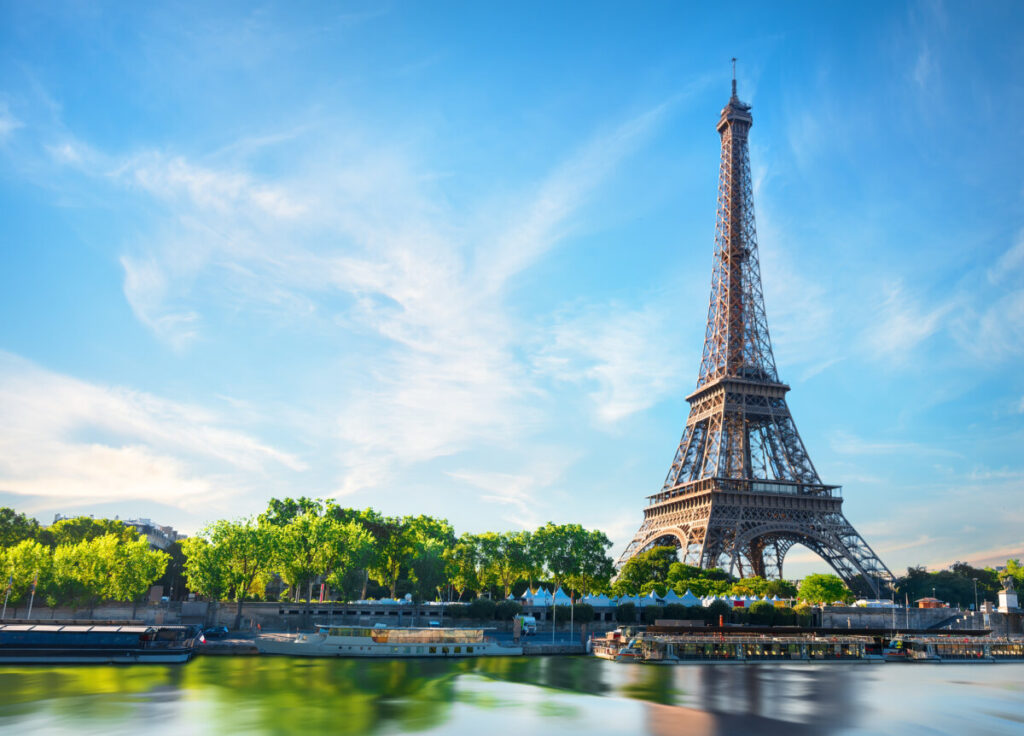
Book your tour Eiffel des billets at least 2–3 weeks ahead—especially from April to October. The online system opens 60 days before your visit, and summit tickets sell out crazy fast.
Le best times to visit? Right at 9:30 AM opening, or after 7 PM in summer. Mornings mean clearer views before the haze rolls in. Evenings let you catch the sparkle show every hour after sunset.
Short on time? Skip the summit. The deuxième niveau actually has better photo ops, and you’ll save about 45 minutes.
Buy tickets directly from the official Eiffel Tower site. Third-party resellers charge more and sometimes don’t offer real tickets. If the official site is sold out, guided tours often have separate access and can guarantee your spot.
Louvre Museum and Its Masterpieces
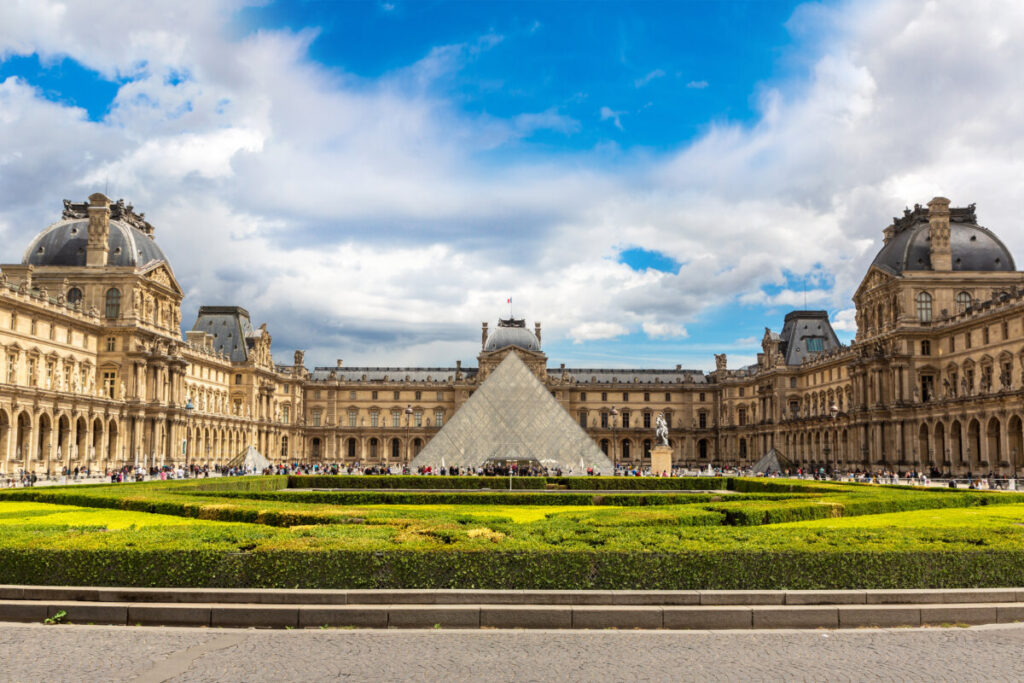
Le musée du Louvre is huge—you could spend weeks and not see it all. Pick a few sections and focus, or you’ll just end up overwhelmed.
Most people rush straight to the Mona Lisa, but she’s tiny and always mobbed. Go right at 9 AM opening, or save her for last—on Wednesday or Friday evenings, the museum stays open late and crowds thin out.
Le Vénus de Milo is tucked away in the Greek antiquities and gets way fewer crowds—honestly, she’s more impressive in person. The Winged Victory of Samothrace on the main staircase? Absolutely stunning, and you can actually see her without fighting for space.
Skip-the-line tickets or the Paris Museum Pass help you avoid the 2-hour security lines. Use the Porte des Lions entrance instead of the main pyramid—it’s usually way less crowded.
Créneau horaire | Crowd Level | Best For |
|---|---|---|
9-11 AM | Moyen | Serious art lovers |
11 AM-3 PM | Very High | Avoid if possible |
3-6 PM | Haut | Popular galleries |
6-9 PM (Wed/Fri) | Faible | Best overall experience |
Notre-Dame and Sainte-Chapelle on Île de la Cité
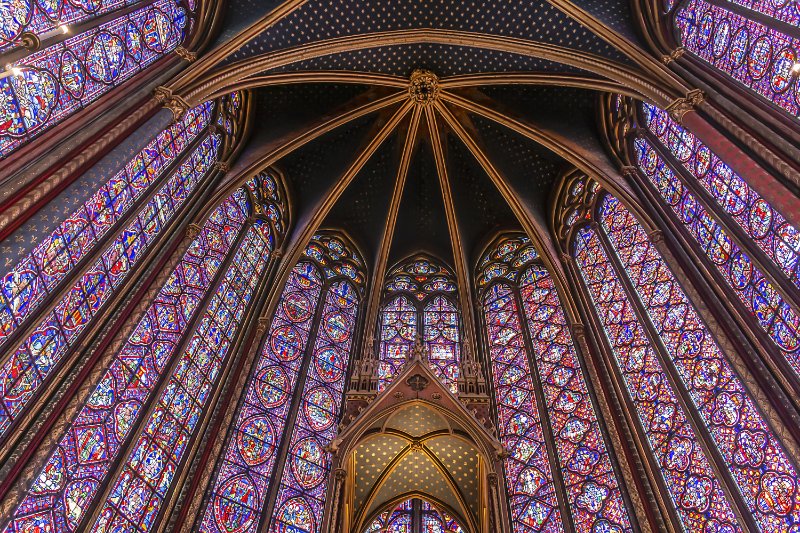
Cathédrale Notre Dame reopened in late 2024 after the fire, and the restoration looks fantastic. Entry is free, but during busy times, you’ll need to book a time slot on the cathedral’s website.
The real hidden gem on Île de la Cité est Sainte-Chapelle, just five minutes from Notre-Dame. This 13th-century chapel’s stained glass is jaw-dropping—15 huge windows, more than 1,000 scenes, all in stunning color.
Go to Sainte-Chapelle on a sunny morning between 10–11 AM for the best light. Definitely grab skip-the-line tickets here—the chapel is small, and they only let in a limited number of people at once.
Do both in one morning: start at Sainte-Chapelle at 9 AM, then stroll to Notre-Dame for a 10:30 or 11 AM slot. Afterward, grab lunch along Rue Saint-Louis-en-l’Île and cross Pont-Neuf, the city’s oldest bridge.
Arc de Triomphe and Champs-Élysées Experience

Le Arc de Triomphe stands proudly at the top of the Champs Élysées. If you climb up to its rooftop terrace, you’ll catch one of Paris’s best 360-degree views. Seriously, you can look straight down the Champs-Élysées to Place de la Concorde and the Louvre, and the Eiffel Tower pops up in the distance.
Just buy your Arc de Triomphe tickets online or use a Paris Museum Pass. Heads up—there’s no elevator, so you’ll have to tackle 284 steps. It’s a bit of a workout, but honestly, the view makes every step worth it. Go at sunset if you can; watching the city shift from day to night up there feels pretty magical.
I wouldn’t bother shopping on the Champs-Élysées unless you really want overpriced souvenirs. Instead, stroll down to Place de la Concorde and then cut through the Jardin des Tuileries to reach the Louvre. That walk takes about 20 minutes and you’ll pass lovely fountains and sculptures along the way.
If you’ve got time, swing by Pont Alexandre III—it’s hands-down the most ornate bridge in Paris, decked out with gold statues and Art Nouveau lamps. It’s just a 10-minute walk from Place de la Concorde toward the Eiffel Tower.
Seasonal Tips and Mistakes to Avoid

Timing your Paris monument visits can save you hours in lines and plenty of euros. The city’s rhythm shifts with the seasons—everything from ticket prices to crowd levels at places like the Eiffel Tower and Louvre depends on when you go.
Visiting During High and Low Seasons
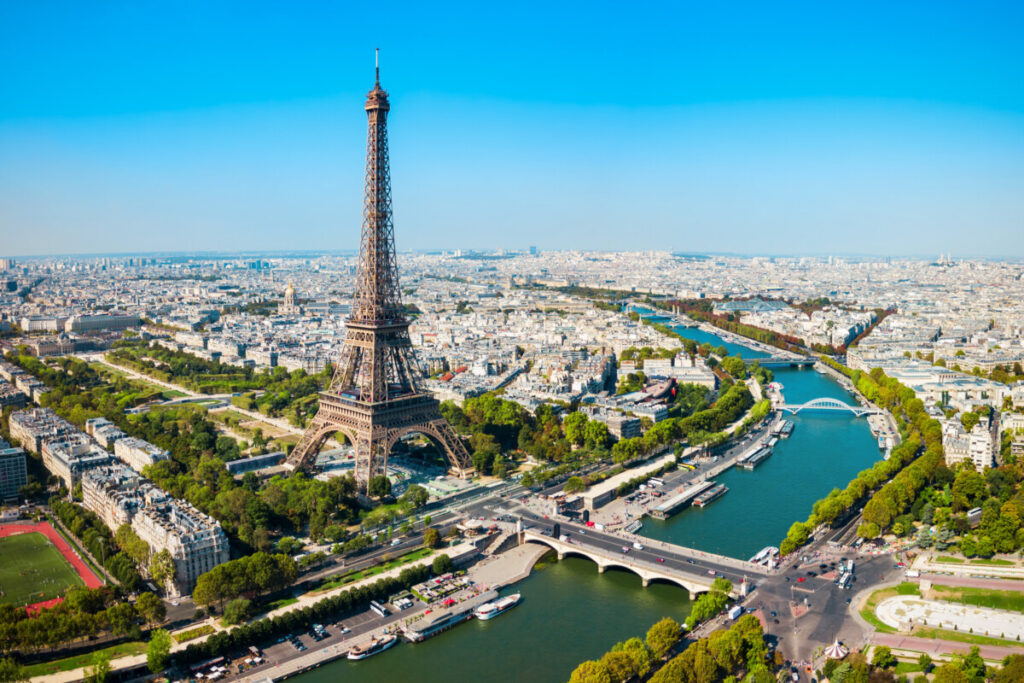
Summer (June–August) brings the biggest crowds. Expect long waits at the Eiffel Tower—sometimes over two hours.
Hotels charge more, and every landmark gets packed with tour groups. But hey, you get longer opening hours and those warm evenings along the Seine are hard to beat.
Most locals (and honestly, I agree) say spring (April and May) is the sweet spot. Museums aren’t crazy yet, and you might actually catch a glimpse of the Mona Lisa without a mob. Weather’s mild, so you can wear chaussures de marche confortables and wander all day.
Winter (November–February) means cheaper accommodation and shorter lines. The Louvre can feel almost empty on weekday mornings. Just remember to pack layers—Notre-Dame’s stone floors get chilly, and some monuments cut their hours.
Fall (September–October) rivals spring for the best Paris vibes. The summer crowds leave, but the weather stays pleasant until at least mid-October. Museum lines thin out a lot once French schools are back in session.
Common Tourist Pitfalls and How to Avoid Them

Don’t buy your tickets at monument entrances. The line at the Arc de Triomphe’s ticket window? It’ll eat up an hour of your trip. Book online or grab a Paris Museum Pass before you head out.
People often forget to check closure days and end up disappointed. The Louvre closes on Tuesdays, Musée d’Orsay on Mondays, and Versailles also on Mondays. Double-check before planning your route.
Wear real walking shoes. I see so many people limping around Sacré-Cœur in fashion sneakers. Those cobblestones are brutal. Go for shoes with actual support.
First-timers sometimes skip lunch reservations near big attractions. By 1pm, every café near the Eiffel Tower is either jammed or overpriced. Just grab a baguette from a boulangerie and picnic at Champ de Mars—way better.
The metro shuts down around 1am (2am on weekends). If you’re catching the Eiffel Tower’s night light show, plan your way home ahead of time or set aside cash for a taxi.
Best Time of Day for Each Monument

Tour Eiffel: Hit it right at 9am when it opens, or book an evening slot after 7pm once the day-trippers leave. Sunset’s always busy, but it’s gorgeous.
Louvre: Go on Wednesday or Friday evenings (open until 9pm) for the quietest galleries. Tour groups fill the place in the morning. If you want a quieter window, try 2–4pm on weekdays.
Versailles : Show up at 9am sharp or after 3pm. The palace gets slammed from 11am–2pm with tour buses. Tuesdays and Sundays are the busiest.
Arc de Triomphe: Late afternoon is ideal. You’ll get daylight views and can stick around for the evening lights. Midday gets hot and crowded up there.
Notre-Dame (exterior): Early morning (7–8am) is best for crowd-free photos. The sunset light on the facade is pretty stunning too.
Sacré-Cœur: Sunrise is magical—empty steps and panoramic views. By 10am, it’s packed. Evenings are nice if you’re looking for something to do after dinner.
Efficient Public Transport and Travel Passes
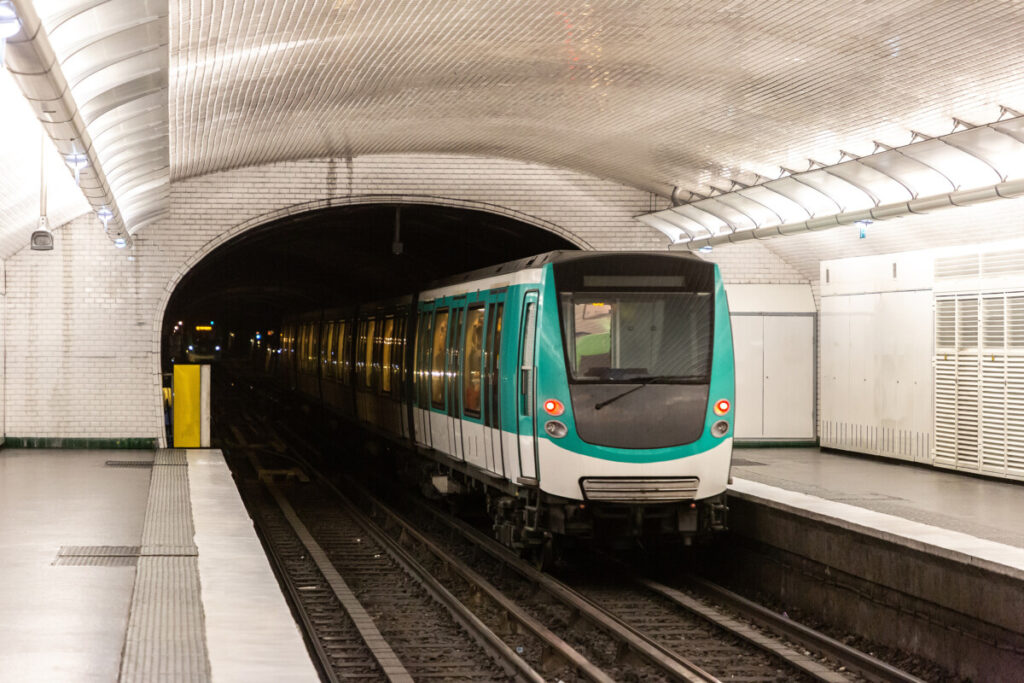
Getting around Paris quickly means getting the hang of the metro and RER, and choosing the right pass to cover both transport and monument entry. You’ll save time and money if you combine unlimited travel with skip-the-line monument access.
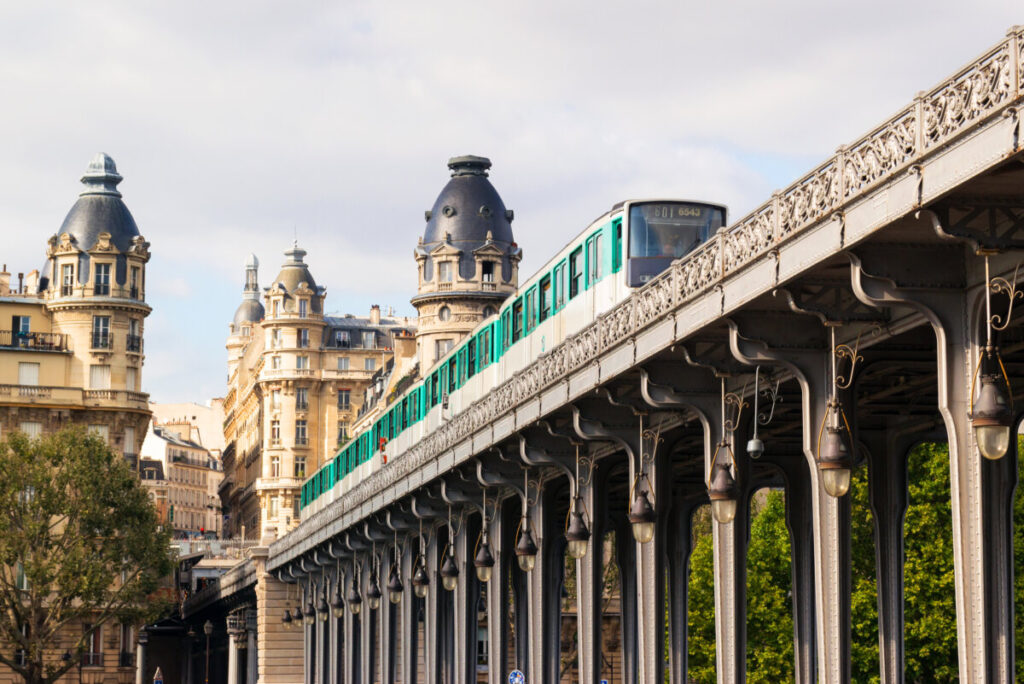
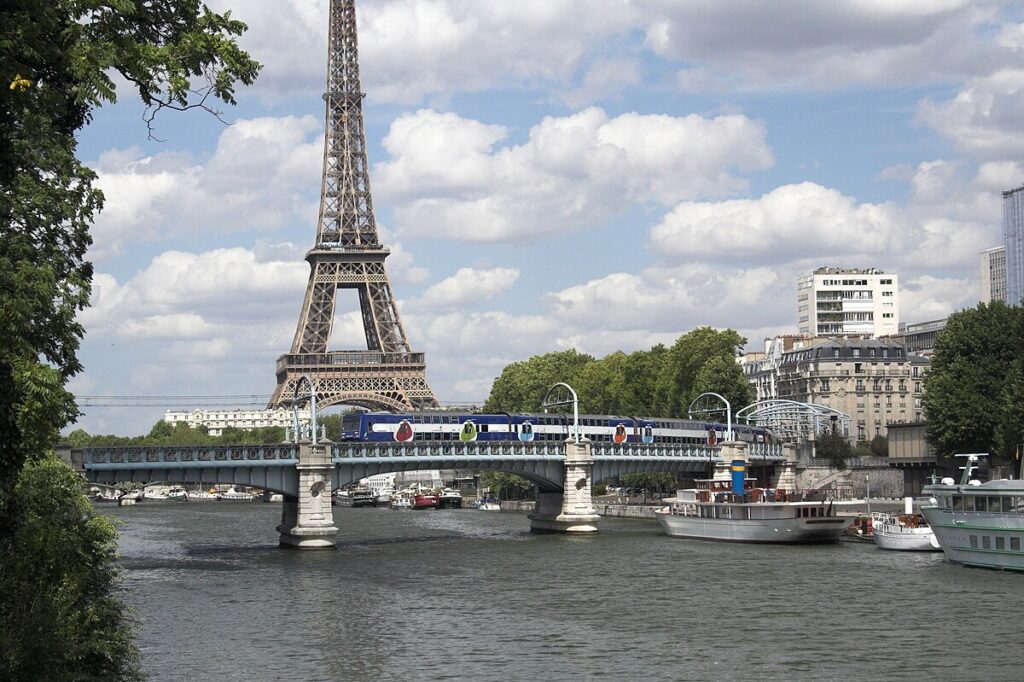
The Paris Metro is honestly your best friend for getting around. With 16 lines crisscrossing the city, you’re almost never more than five minutes from a station. Line 6 is a favorite—it runs above ground between Bir-Hakeim and Passy, so you get great Eiffel Tower views for free.
For longer trips and reaching the suburbs, hop on the RER. RER C takes you to the Eiffel Tower (Champ de Mars stop) and Versailles. RER B runs straight from Charles de Gaulle Airport into central Paris. These trains are faster than the metro for longer distances, but zones matter—Versailles is in Zone 4 and needs a special ticket.
If you’re in Paris for a few days, buy a carnet (10-pack of tickets), or load up a Navigo Easy pass you can reuse. Single tickets work on both metro and RER within central Paris (Zones 1–2).
Using Hop-On Hop-Off Buses and River Shuttles
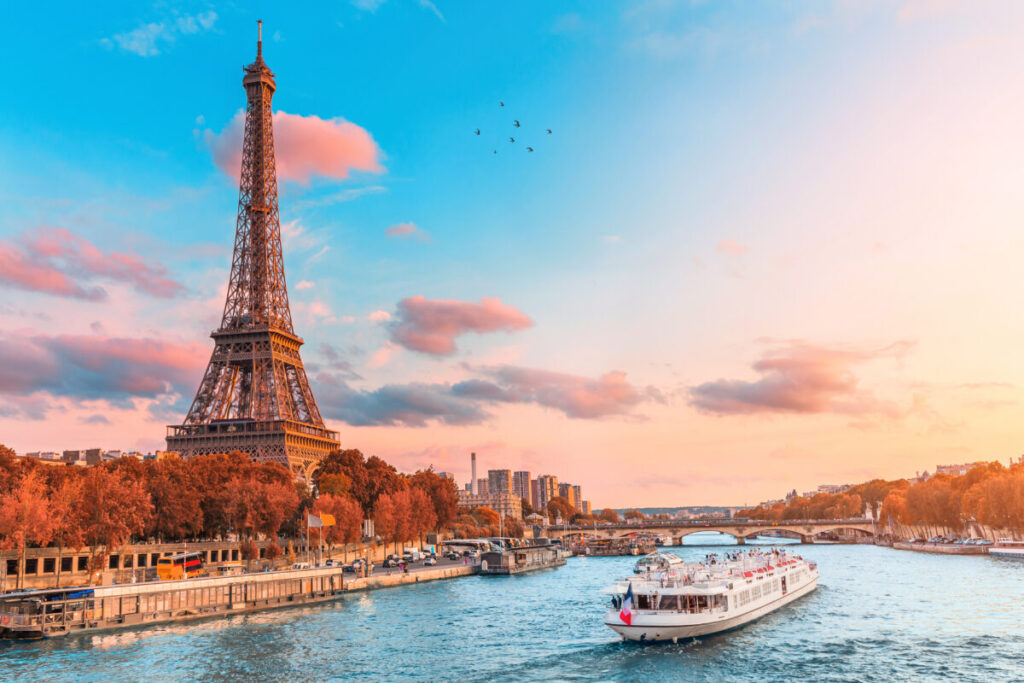
Hop-on hop-off buses aren’t just for folks who don’t want to figure out the metro. They’re actually handy when you’re monument-hopping, especially if your feet are wrecked after climbing Notre-Dame’s towers. The routes hit all the big sights, and you can chill between stops instead of wrestling with metro transfers.
Seine river cruises and Batobus shuttles are a fun alternative to the metro. Batobus stops at nine major spots including the Eiffel Tower, Musée d’Orsay, and Notre-Dame. It’s slower than underground, but on a sunny day? Totally worth it.
Must-Have Passes for Fast Access
Le Pass Musées Parisiens is a total game-changer if you’re planning to visit three or more monuments. It covers over 50 sites like the Persienne, Arc de Triomphe, and Versailles, and you get to skip most ticket lines. You can buy it for 2, 4, or 6 consecutive days.
But here’s the catch: the Museum Pass doesn’t cover transport. For that, combine it with a Paris Visite pass (1–5 days unlimited metro, bus, tram, and RER) or go for a Paris Pass, which bundles everything together. The Paris Pass costs more upfront but includes transport, museums, and extras like a Seine river cruise.
Honestly, do the math. If you hit the Louvre (€22), Versailles (€20), and Arc de Triomphe (€13), you’ve already spent €55—the 2-day Museum Pass is about €62 and gets you into 47 more places.
Voir connexe : Expert Tips for Sightseeing in Paris: Discover the Best Attractions
Neighborhoods and Hidden Gems for Seamless Exploration
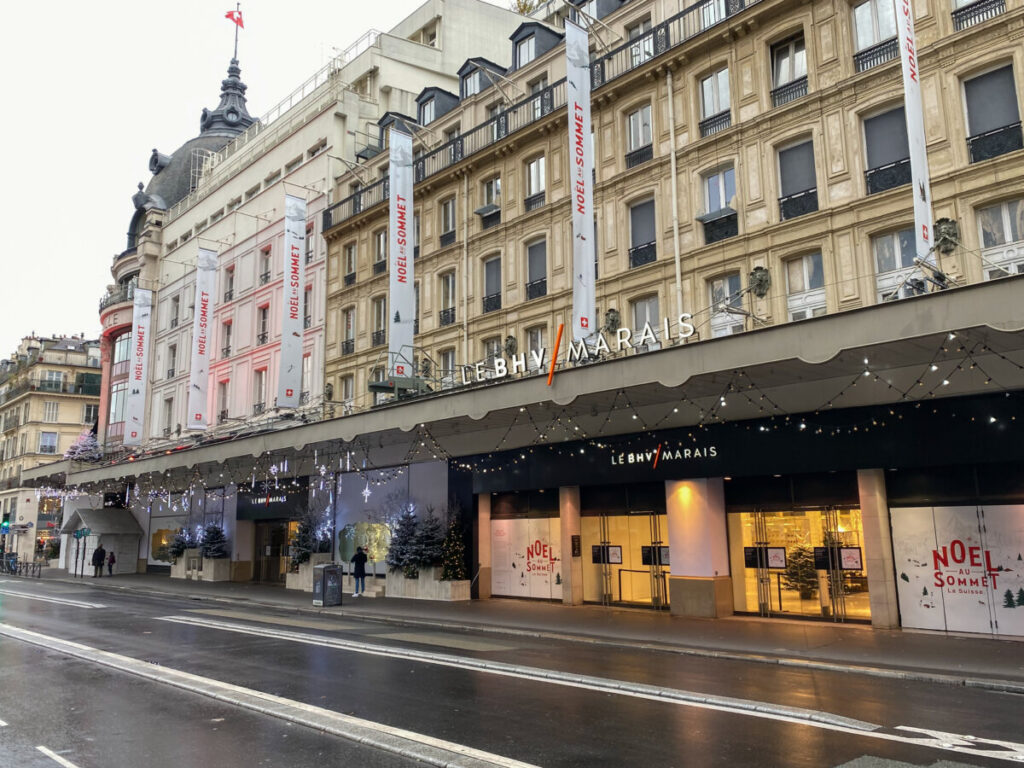
Paris splits into neighborhoods, each with its own vibe, so you can group nearby monuments and stumble upon cool local spots without zigzagging across the city.
Le Marais and Latin Quarter Highlights
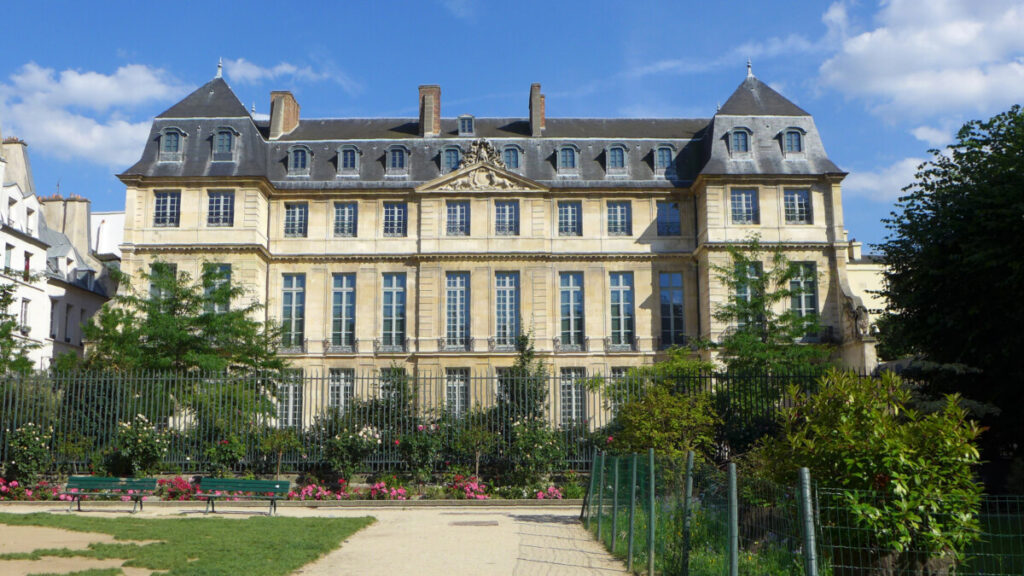
Le Marais, on the Right Bank, is full of medieval streets, indie boutiques, galleries, and some of the best falafel in Paris. You’ll spot Centre Pompidou here—its inside-out design and modern art make it stand out from the city’s old-school museums.
Musée Picasso is tucked inside a 17th-century mansion in the neighborhood. It’s way calmer than the Louvre and holds the world’s biggest Picasso collection.
The Latin Quarter spreads across the Left Bank around the Sorbonne. Cluny-La Sorbonne metro is your best entry point.
The streets wind past bookshops and student cafés. You’ll find the Panthéon at the top of the hill, where Voltaire, Rousseau, and Marie Curie rest—pretty efficient sightseeing, honestly.
Montmartre and Sacré-Cœur: Artistic Escape
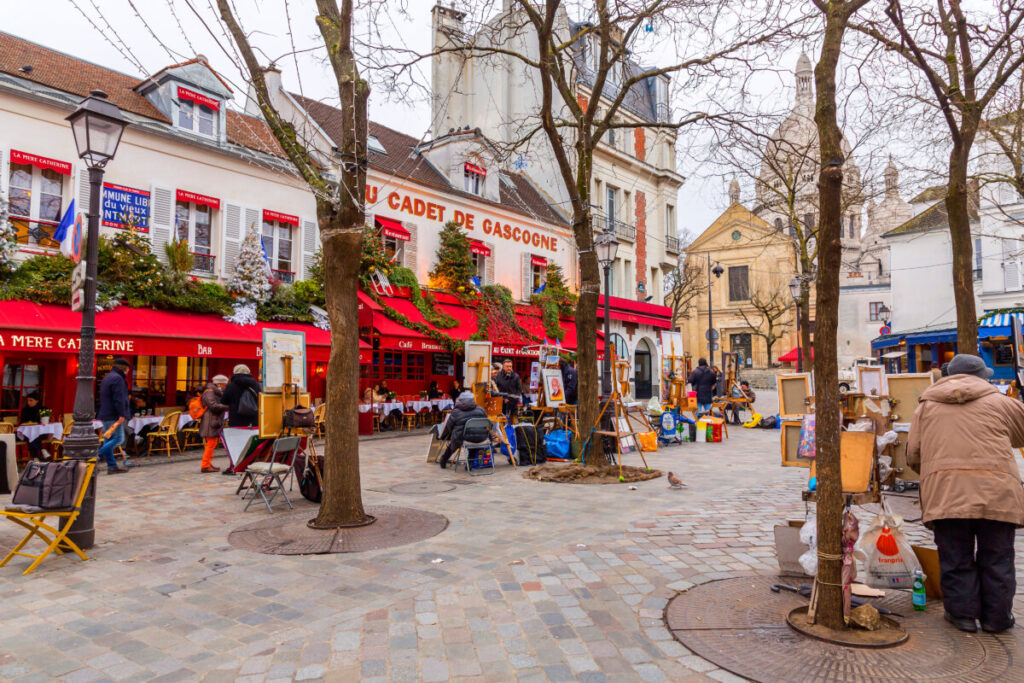
Montmartre climbs up a hill in the 18th arrondissement. If you take the funicular from Anvers metro, you’ll save your legs for exploring. Sacré-Cœur Basilica sits at the top, its white domes visible all over Paris.
Go early—before the tour groups show up. Wander through Place du Tertre where artists set up easels. Prices can be touristy, but the side streets hide the real charm.
Abbesses metro, one of the deepest stations in Paris, drops you near Moulin Rouge and some quieter cafés that locals actually use. The best Montmartre experiences come from just wandering around. You’ll stumble into vine-covered walls, tiny squares, and killer views that even rival Sacré-Cœur’s terrace.
Exploring Left Bank and Saint-Germain-des-Prés
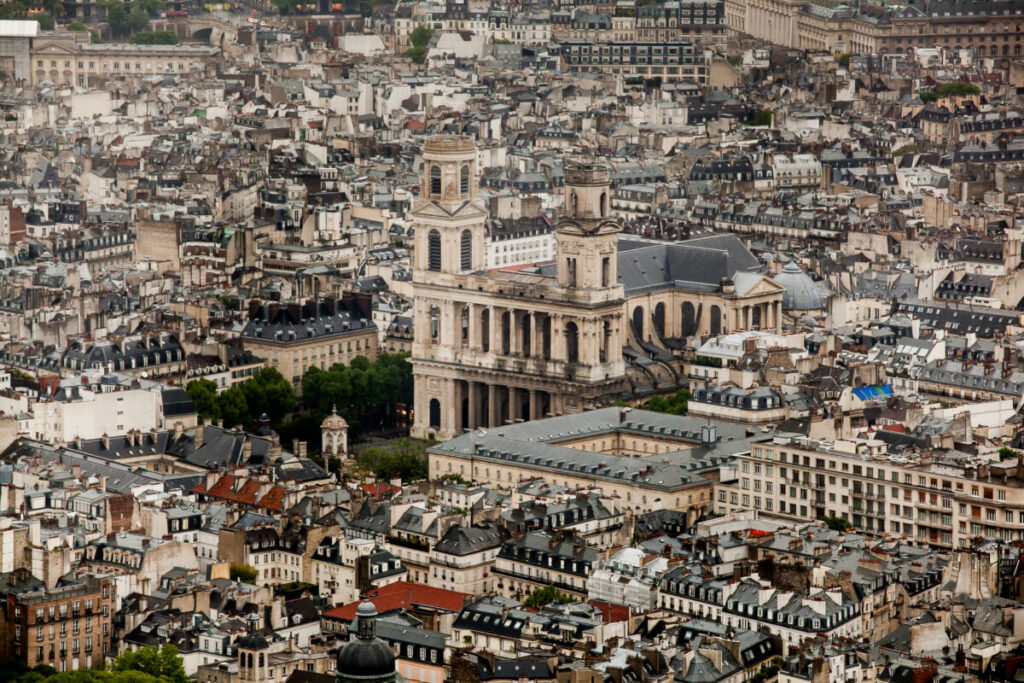
Saint-Germain-des-Prés is classic intellectual Paris. Les Deux Magots still pours coffee where Sartre and de Beauvoir argued philosophy—though you’re paying for the history as much as your drink.
The neighborhood stretches from the Seine to Jardin du Luxembourg. Bon Marché, the city’s oldest department store, anchors the area with a food hall that’s basically a museum of French goodies.
You can walk from here to Notre-Dame in 15 minutes, so it’s easy to link Left Bank exploring with Île de la Cité sights. Street markets pop up a few days a week on Boulevard Raspail, and locals shop for cheese and produce there.
Offbeat Sights: Catacombs and Beyond
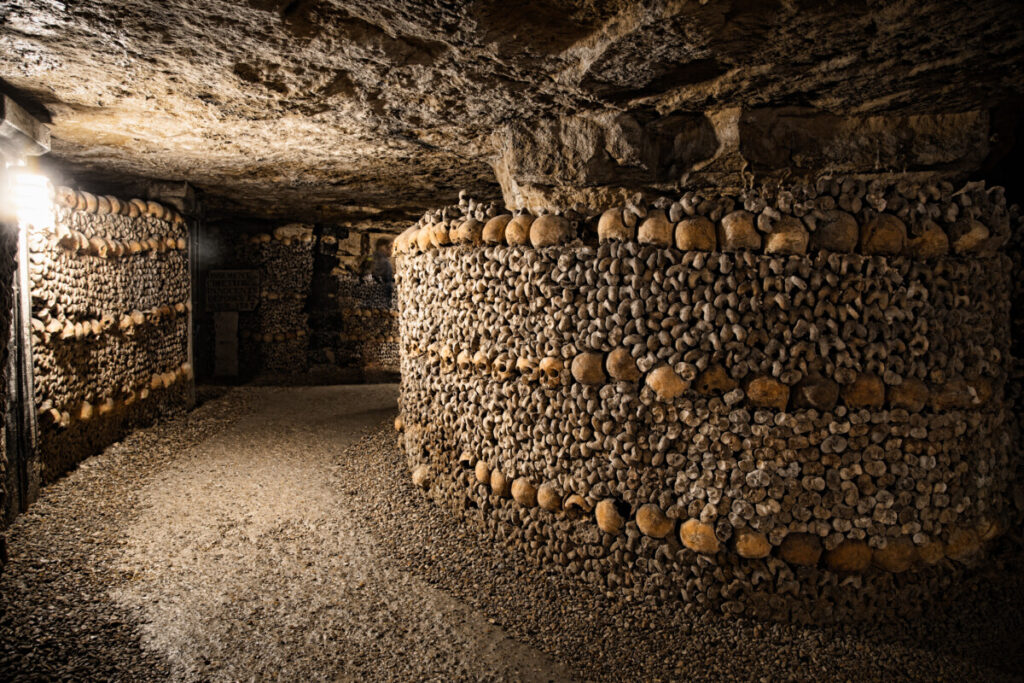
Le Catacombes de Paris run below the 14th arrondissement, with the bones of six million Parisians lining old quarry tunnels. You’ll need to book ahead and be ready to descend 131 steps into the underworld.
It stays around 14°C down there all year, so bring a jacket—even in summer. Tours take about 45 minutes through these eerie, artful bone displays. You’ll exit near Denfert-Rochereau metro.
If the main attractions feel too crowded, check out quirky museums like Musée de la Chasse et de la Nature in the Marais or the Sewer Museum by the Eiffel Tower. Canal Saint-Martin in the 10th is where Parisians picnic by the water—no tour buses in sight.
Day Trips and Monumental Experiences Outside Paris
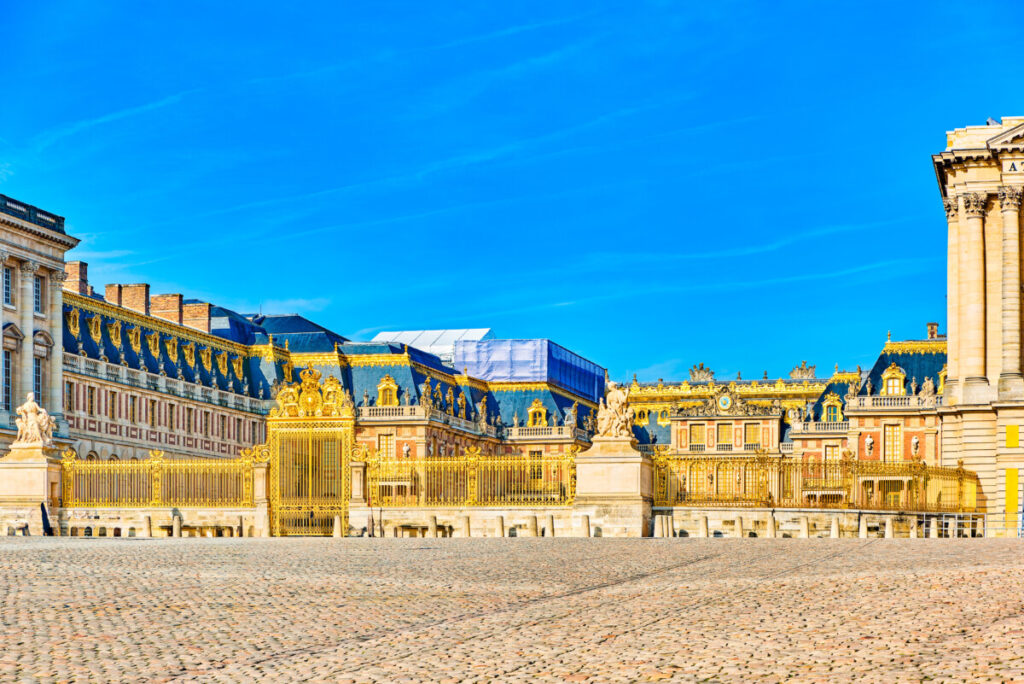
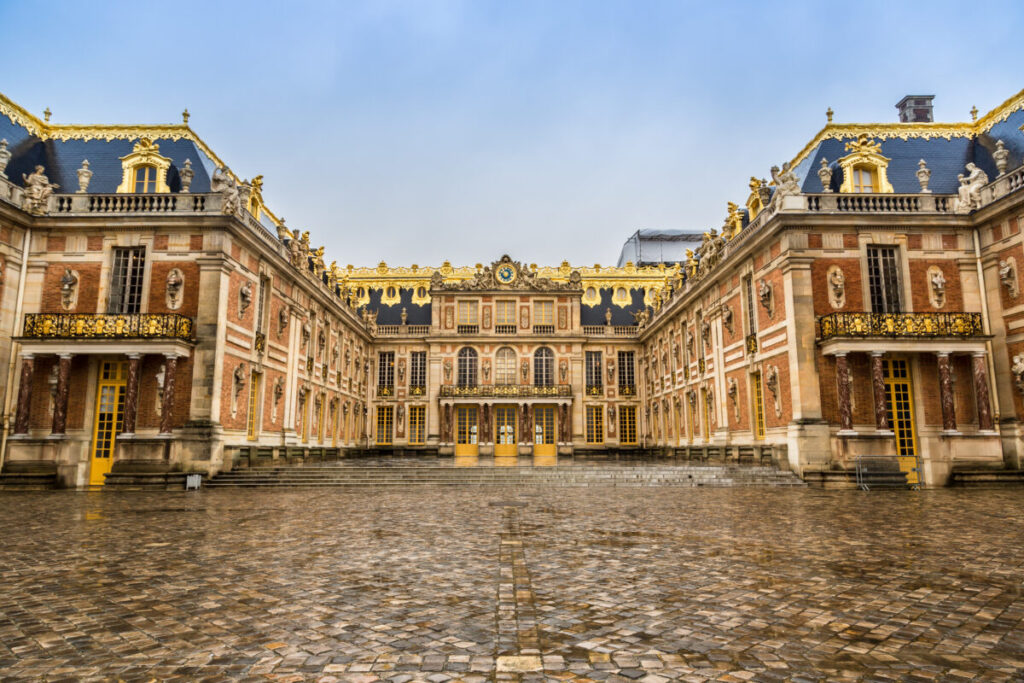
Versailles sits just 12 miles southwest of Paris and offers the most jaw-dropping royal palace experience within easy reach of the city. The estate, gardens, and that famous hall of mirrors are absolutely worth adding to your Paris plans.
Visiting the Palace of Versailles
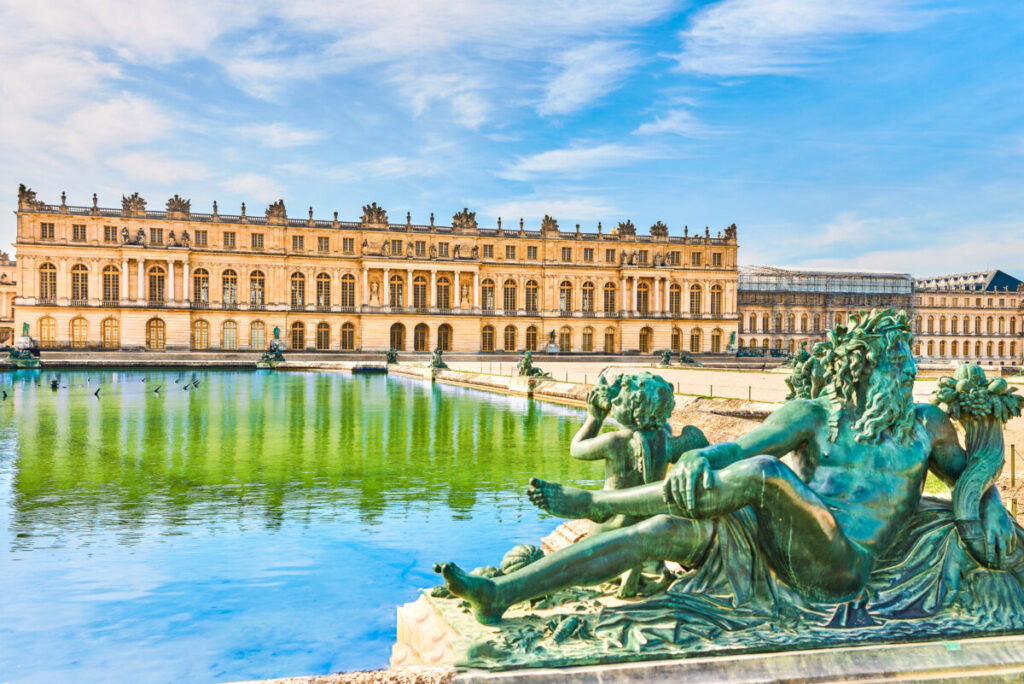
The Palace of Versailles started as a hunting lodge and became the seat of French royal power under Louis XIV. You’ll walk through rooms where kings shaped Europe’s history.
Arrive early—right at 9 AM if you can. Crowds swell fast, especially in summer. Tuesdays and Sundays are the busiest, since many Paris museums close those days and everyone flocks to Versailles.
Le Pass Musées Parisiens covers palace entry and lets you skip the ticket line (though you’ll still go through security). If you’re hitting multiple monuments, this pass pretty much pays for itself and saves you a lot of time.
Give yourself at least four hours for a real visit. The palace interior takes about two hours, and the gardens deserve just as much attention.
Exploring the Hall of Mirrors and Gardens
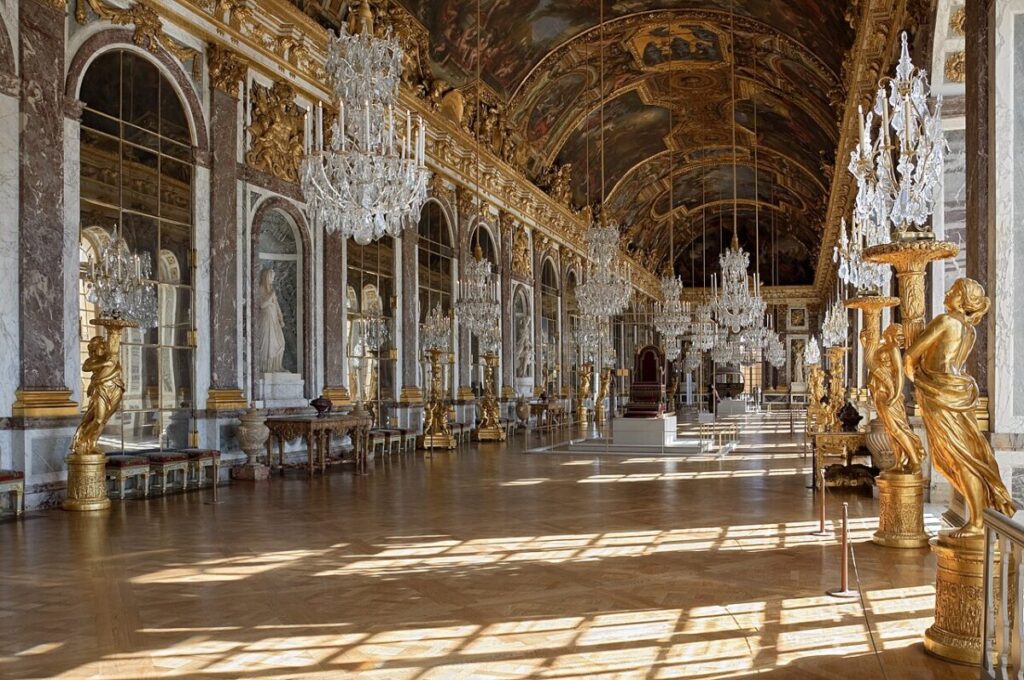
The Hall of Mirrors stretches out for 240 feet, packed with 357 mirrors that catch sunlight from 17 arched windows. This is the spot where leaders signed the Treaty of Versailles in 1919, officially ending World War I. The vibe in the room shifts with the weather—on sunny days, it’s almost blinding, but when clouds roll in, the gold trim and details really pop.
Just past the hall, you’ll wander into the King’s Grand Apartments and the Queen’s bedchamber, which give you a peek at how French royalty actually lived. Marie Antoinette’s private rooms, honestly, feel way more personal than the grand public spaces.
The gardens are massive—2,000 acres, to be exact. Walking all of it in a day? Not happening.
Grab a bike or a golf cart at the entrance if you want to see more than just a sliver. On weekends from April through October, the Musical Fountain Shows kick off: fountains spout and dance to Baroque music, just like they did for Louis XIV. These shows cost a bit extra unless you’ve got the Paris Museum Pass.
Efficiently Reaching Versailles from Central Paris
Le RER C train runs straight from central Paris to Versailles Château–Rive Gauche station. Hop on at Saint-Michel Notre-Dame, Musée d’Orsay, or Invalides—the ride takes about 40 minutes and costs €3.65 each way.
Double-check that your train’s headed to “Versailles Château Rive Gauche.” The RER C splits off in different directions, and if you get on the wrong one, you’ll end up way off course. Watch the platform signs.
Once you arrive, it’s about a 10-minute walk to the palace gates. The signs are obvious, and honestly, you’ll spot those golden gates from a distance.
Don’t try to use your regular Paris metro tickets—they won’t work out here since Versailles is outside the city zones. Buy a specific RER ticket, or use your Navigo pass if it covers zones 1-4. The Paris Museum Pass gets you into the palace, but not onto the train—people get tripped up by that all the time.
Art Museums and Cultural Highlights for Efficient Sightseeing
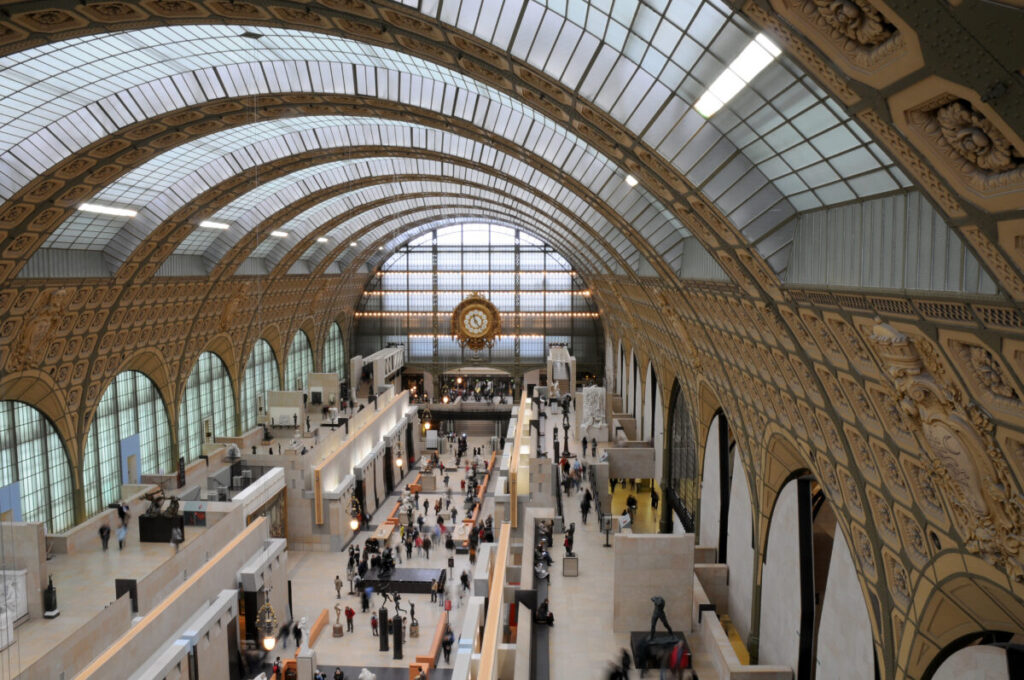
Paris is packed with world-class art museums, especially along the Seine. You’ll find Impressionist masterpieces, sculpture gardens, and ever-changing exhibits—think Monet’s water lilies or Rodin’s bronzes.
Musée d’Orsay and Impressionist Masterpieces

Le Musée d'Orsay, housed in a former train station on the Left Bank, holds the world’s largest collection of Impressionist and Post-Impressionist art. You’ll see Monet, Renoir, Degas, Van Gogh—all the legends.
Book tickets online at least a week ahead to dodge the entrance lines. The museum gets slammed from 11 am to 3 pm, so try to show up right at 9:30 when they open, or after 4 pm when things calm down.
Head straight to the fifth floor for the Impressionists. The ground floor sculpture collection is gorgeous, but if you’re museum-hopping, you might want to save your energy.
Honestly, the building itself is half the fun. The giant clock windows overlooking the Seine are Instagram gold, and the old train station vibes are a reminder of Paris’s grand past.
Musée de l’Orangerie and Rodin Museum

Le Musée de l'Orangerie, tucked inside the Tuileries Garden, is small but mighty. Monet’s Nénuphars murals fill two oval rooms designed just for them. You can see the whole place in 45 minutes, which makes it a great stop in the morning.
Give yourself at least 90 minutes for the Musée Rodin. The inside galleries have smaller bronzes and marble sculptures, but the real highlight is the garden. The Thinker et The Gates of Hell sit among rose bushes and perfect lawns.
These two museums pair well on the same day since they’re both way more manageable than the Louvre or d’Orsay. Hit the Orangerie in the morning, grab lunch in the Tuileries, and then check out Rodin in the afternoon.
Hidden Museum Gems Worth Adding
Le Musée Picasso, set in a 17th-century mansion in the Marais, holds over 5,000 Picasso works. It’s rarely crowded, and you can easily combine it with a stroll through the Marais’s cafes and shops.
Les Invalides is home to Napoleon’s tomb and an epic military museum. The golden dome is iconic, but most tourists skip the inside. I think that’s a mistake—the armor and war exhibits are fascinating.
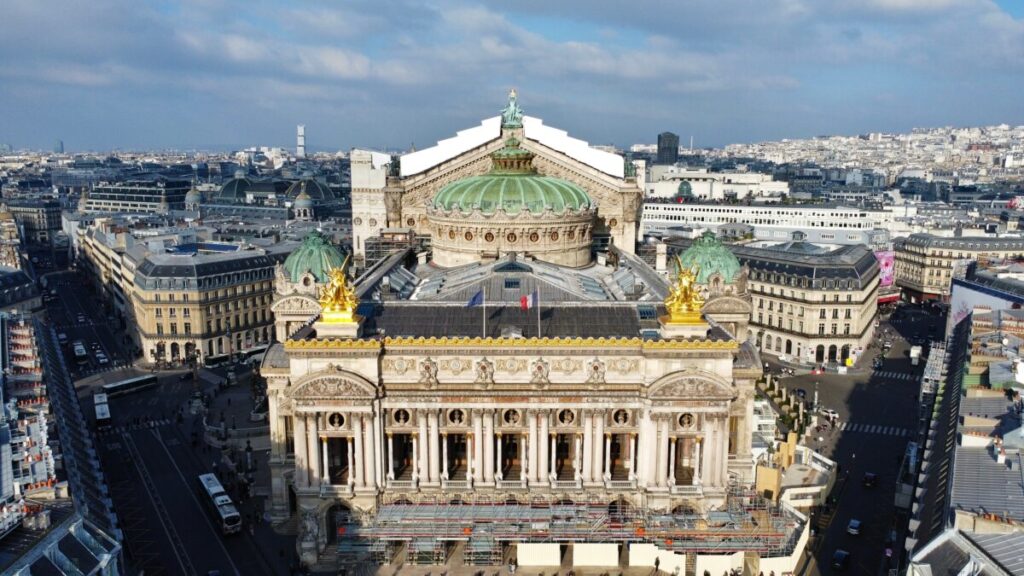
The Opéra Garnier offers self-guided tours when there aren’t rehearsals or matinees. The grand staircase and auditorium inspired Le fantôme de l'Opéra, and the details rival Versailles. Definitely check the schedule online first, since tour access changes with performances.
Voir connexe : Maximizing 48 Hours in Paris: Tips for Your Epic Adventure!
Questions fréquemment posées
Everyone seems to have the same questions about timing, tickets, and getting around Paris. Here’s what actually works in real life.
What’s the smartest way to group major sights by neighborhood so you’re not zigzagging across the city?
Just follow the river. The Seine divides Paris into clusters that save you tons of time.
Start with the Right Bank. The Louvre, Sainte-Chapelle, and Conciergerie are all a short walk from each other near Île de la Cité. If you get up early, you can knock these out in one morning.
On the Left Bank, you’ve got Musée d’Orsay, Musée de l’Orangerie, Rodin Museum, and Les Invalides all lined up. Walking between them takes maybe 15-20 minutes.
Versailles? That’s a full-day trip. Don’t cram it in with central Paris sights—you’ll just waste time on trains and feel rushed everywhere.
The Marais is another tight cluster: Picasso Museum, Place des Vosges, and Notre-Dame’s exterior (still closed for repairs) make for a solid afternoon.
Montmartre is best as an evening adventure. Sacré-Cœur sits on its own hill, far from other big monuments. You could maybe pair it with the Arc de Triomphe if you’re feeling ambitious, but it’s really its own thing.
Which Paris transport pass makes the most sense for a short trip with lots of sightseeing?
If you’re in Paris for 2-4 days and planning to see a lot, individual metro tickets usually beat the tourist passes. A carnet of 10 tickets runs about €17 and covers most people.
Paris is compact, so you’ll walk a lot more than you think. Most folks use maybe 3-4 metro rides a day.
The Navigo weekly pass looks like a deal at €30, but it’s only good Monday to Sunday. If you arrive on a Thursday, you’re paying for days you’ll never use.
Paris Visite passes are honestly overpriced. Locals never buy them, which kind of says it all. If you’re staying way outside the center or planning to hit Versailles and Disneyland, then unlimited travel might make sense.
My advice? Walk between central sights, use the metro for longer hops like Montmartre or getting back to your hotel after a long day. Buy tickets as you need them.
How far in advance should you book timed-entry tickets for the big attractions to avoid long lines?
For the Louvre and Versailles, book at least 2-3 weeks ahead during busy season (April through October). The best time slots sell out fast, especially in the mornings.
The Eiffel Tower is even trickier. Summit tickets for sunset disappear 60 days out, right when they go on sale. If you want a late afternoon or evening spot, book it the moment tickets open.
Sainte-Chapelle and Arc de Triomphe aren’t as strict, but buying online the day before still saves you 30-60 minutes in line. I’ve waited 45 minutes at Sainte-Chapelle on a random Tuesday in May without a ticket, while my friend who booked online breezed right in.
The Panthéon and smaller museums rarely have much of a wait. You can usually just show up and buy tickets.
If you’re visiting in January through March, you’ve got more wiggle room. I’ve booked Louvre tickets just two days ahead in February with no problem. But honestly, booking early never hurts.
Is it better to visit the Eiffel Tower during the day or at night, and what time slots are usually least crowded?
Sunset is gorgeous, but everybody wants those golden-hour shots. Between 7-9 PM in summer, it’s packed.
Early mornings around 9-10 AM are the quietest. The views are clearer too, since there’s less haze.
After 10 PM, the crowds thin out and the city sparkles below you. It’s a totally different vibe—super romantic, but you won’t see the monuments as clearly.
If you’ve got time, go twice: once in the morning for the views, and again after dark just to see the lights. You don’t need to go to the top both times—Trocadéro across the river has awesome (and free) views.
If you can only pick once, go for early morning on a Tuesday or Wednesday. Mondays are a zoo since other museums close and everyone flocks to the Tower.
The worst time? Saturday or Sunday afternoons between 2-5 PM. Even with tickets, security lines can hit 90 minutes. Not fun.
What’s a realistic 2–3 day itinerary that hits the essential monuments without feeling rushed?
Day one? Go for the big names while you’ve got energy. Head to the Louvre right when it opens (9 AM). Spend a couple hours wandering—don’t try to see everything, just pick your favorites. After that, stroll over to Sainte-Chapelle and the Conciergerie on Île de la Cité. Lunch in Le Marais is always a solid bet—there’s no shortage of good spots. If you’re up for it, finish your day at the Arc de Triomphe and catch the sunset. You’ll walk about 6 or 7 miles, but it’s spaced out, so it never feels like a slog.
For day two, lean into art and history. Start at Musée d’Orsay (opens at 9:30 AM), then wander to Musée de l’Orangerie. If you still have some museum stamina, the Rodin Museum is close by and honestly, the gardens are worth it alone. Les Invalides sits just around the corner if you want to check out Napoleon’s tomb.
Now, a lot of folks try to cram the Eiffel Tower into day two, but let’s be real: you’ll probably be wiped by then. If you really want that view, swing by in the evening—skip the full tour and just go up for the city lights.
Day three? That’s all about Versailles. Catch the earliest train you can (around 8 AM) to dodge the crowds. You’ll want the whole day for the palace, the gardens, and Marie Antoinette’s estate. When you roll back into Paris around 5 PM, just take it easy—maybe a walk along the Seine, grab a drink, let your feet recover.
Got a half day left? Head up to Montmartre and Sacré-Cœur. This neighborhood deserves a slow, easy morning with coffee and croissants, not a rushed afternoon.
Find Things to Do in Paris
Find Accommodation

Continue Planning Your Paris Trip
Paris Fashion Week Travel Guide: Ultimate Insider Tips and Hotspots
You don't need a runway seat to experience Paris Fashion Week. Catch street style, designer boutiques, pop-up installations,…
Read Guide →
Travel Agencies in Paris: 10 Current Agencies and Tour Operators for 2026
Planning a Paris trip and want local expertise? Ten travel agencies for 2026, from boutique luxury specialists to…
Read Guide →
Driving in Paris: Rules, Practice Tips and Scenic Road Trips
Driving in Paris is manageable when you understand the licence rules, 30 km/h streets, Crit’Air restrictions, the Paris…
Read Guide →