
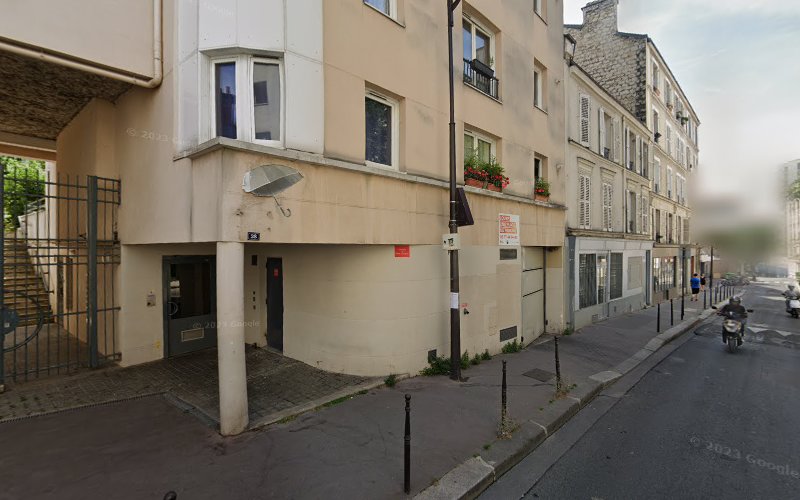
Description
The Couvent des Feuillantines is a hidden gem in the heart of Paris. Tucked away in the 5th arrondissement, this convent is a unique and fascinating destination for anyone looking to explore the spiritual and cultural history of the city. Built in 1892, the Couvent des Feuillantines is a stunning example of early 20th-century architecture. Its soaring spires and intricate stonework make it a national landmark and a must-see for architecture enthusiasts. But the convent is much more than just a beautiful building. Inside, visitors will find a place of worship and learning. The convent is home to over 100 nuns who live and work there, and it is a popular destination for pilgrims from all over the world. The nuns are known for their kindness and compassion, and they welcome visitors with open arms. The convent has a number of libraries and lecture halls, as well as rooms for meditation, prayer, and reflection. Visitors are welcome to attend lectures and events, and to explore the beautiful gardens and grounds surrounding the convent. One of the most unique aspects of the Couvent des Feuillantines is the nuns’ love of animals. Many of the nuns have dogs and cats that live with them, and visitors are often greeted by friendly furry companions. Whether you are interested in history, architecture, spirituality, or simply looking for a peaceful and inspiring destination in Paris, the Couvent des Feuillantines is a must-see. With its rich history, stunning architecture, and welcoming community of nuns, it is a destination unlike any other in the city.
Principales caractéristiques
The Couvent des Feuillantines, located in the 5th arrondissement of Paris, is a historic Catholic church with a rich and storied past. Originally a convent, it boasts stunning architectural features and holds significant historical importance. Visitors can explore its tranquil surroundings and immerse themselves in the peaceful ambiance of this ancient monument.
Accessibilité et commodités
The museum is equipped with accessibility features to accommodate visitors with disabilities, including wheelchair access and restroom facilities. Additionally, visitors can take advantage of audio guides to enhance their experience and a gift shop to purchase souvenirs.
Planifier votre visite
To make the most of your visit, it is recommended to arrive early to avoid crowds and fully appreciate the serene atmosphere. Visitors typically spend around 1-2 hours exploring the museum. A suggested itinerary includes admiring the architectural details, exploring the interior, and taking time to reflect in the peaceful surroundings.
What Makes the Couvent des Feuillantines Notable
The Couvent des Feuillantines is a historical address in Paris’s 5th arrondissement, associated with a convent of Feuillantine nuns active from the 17th century until the French Revolution. Its importance lies less in the scale of a conventional visitor monument than in the way it recalls a former religious enclosure within the southern Latin Quarter. It offers a useful point of reference for understanding how Paris has repeatedly absorbed monastic grounds into its evolving streets and residential fabric.
The site also has a strong literary association: Victor Hugo spent part of his childhood in a house adjoining the convent gardens. That connection gives the address particular interest for readers of Hugo and for visitors tracing the quieter, biographical layers of Paris. Rather than treating it as a large museum-style stop, approach the Couvent des Feuillantines as a place where religious, revolutionary and literary history meet in a compact part of the city.
Location & Neighborhood Context
The Couvent des Feuillantines is at 10 rue des Feuillantines in the 5th arrondissement, in the southern part of the Latin Quarter. This area feels more residential and everyday than the busiest stretches of the quarter, while remaining suited to a walk focused on old Parisian streets and institutional history. The address works well as a considered pause within a broader exploration of the Left Bank rather than as an all-day destination.
Allow time to read the street in context. Former convents often leave their mark through names, boundaries and the contrast between enclosed religious land and the dense city around it. Here, the historic association with gardens is especially relevant because of Hugo’s childhood connection. Keep the visit outward-looking: the significance of the place is principally historical, and access to any private or non-public areas should never be presumed.
Points forts des visiteurs
- A former convent site: a concise introduction to religious life in Paris before the French Revolution.
- Victor Hugo context: of particular interest to literary visitors, thanks to the poet’s childhood in a house adjoining the convent gardens.
- Southern Latin Quarter atmosphere: well suited to independent walkers who prefer historical streets and local urban texture to major landmark crowds.
- A thoughtful short stop: best for visitors building a themed walk around Parisian religious, revolutionary or literary history.
Practical Planning Tips
Visit in daylight, when it is easier to orient yourself on the street and appreciate the relationship between the address and its surrounding neighborhood. Pair it with other nearby stops only if they fit your own route; the Couvent des Feuillantines rewards a brief, focused visit rather than rushed monument collecting. A little background reading on Victor Hugo or Paris’s revolutionary transformation can add meaning to the experience.
Do not assume there is public interior access, ticketing, a guided tour or regular visiting provision. Check current access arrangements through reliable official or local channels before setting out, and plan to respect gates, residents and any posted instructions. Because this is not presented as a high-volume attraction, advance booking is not something to presume; confirmation matters more than arriving at a particular time.
Questions fréquemment posées
Where is the Couvent des Feuillantines?
It is located at 10 rue des Feuillantines in Paris’s 5th arrondissement, in the southern Latin Quarter.
Why is Victor Hugo connected with the site?
Victor Hugo spent part of his childhood in a house adjoining the convent gardens, creating an important literary association with the address.
Can visitors enter the former convent?
Public access should not be assumed. Confirm current arrangements before visiting and regard the location primarily as a historical address.