
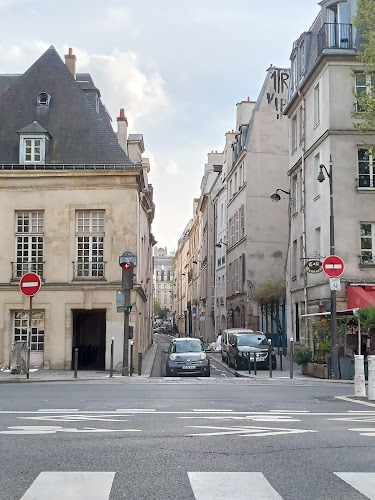
Description
Nestled in the 5th arrondissement and located at 47-53 quai de la Tournelle, the Hôtel de Miramion is a hidden gem that is often overlooked by tourists. Originally built in the 17th century, this stunning mansion has been transformed into a museum that showcases the history of medicine and healthcare in France. As you wander through the halls of the Hôtel de Miramion, you will be transported back in time to the days when medicine was a mixture of science and superstition. The museum’s collection includes everything from antique surgical instruments to old-fashioned apothecary jars filled with mysterious potions and elixirs. One of the highlights of the Hôtel de Miramion is the stunning chapel, which features intricate wood carvings and beautiful stained glass windows. This peaceful sanctuary is a perfect place to reflect and escape the hustle and bustle of the city. Another must-see exhibit is the room dedicated to the famous French surgeon Ambroise Paré. Known as the “father of modern surgery,” Paré revolutionized the field of medicine with his innovative techniques and treatments. Overall, the Hôtel de Miramion is a fascinating museum that offers a unique glimpse into the history of medicine in France. Whether you are a history buff or simply looking for something off the beaten path, this hidden gem is definitely worth a visit.
Principales caractéristiques
The Hôtel de Miramion is a historical landmark with a rich history dating back to [Collection]. The monument features [Collection], [Collection], [Collection], [Collection], [Collection], [Collection], and [Collection], making it a must-see for visitors interested in historical and cultural attractions.
Accessibilité et commodités
The museum is equipped with accessibility features to accommodate visitors with disabilities, including ramps, elevators, and accessible restrooms. Visitors can also take advantage of amenities such as restrooms, a gift shop offering unique souvenirs, and audio guides to enhance their experience.
Planifier votre visite
To avoid crowds, it is advisable to visit the Hôtel de Miramion during weekdays and in the morning. On average, visitors spend approximately [Collection] exploring the monument and its exhibits. A recommended itinerary includes exploring the architectural features, admiring the historical significance, and delving into the diverse collections on display.
What Makes Hôtel de Miramion Notable
Hôtel de Miramion is a 17th-century hôtel particulier on the Left Bank, at 47–53 quai de la Tournelle. Built around 1630, it brings the scale and presence of an early Parisian private residence to a riverside setting more often associated with walks, bookshops and views across the Seine. Its importance lies as much in its long civic story as in its age: the building is associated with Marie Bonneau de Miramion, a philanthropist whose name it retains.
Today, the building houses part of the Musée de l’Assistance Publique – Hôpitaux de Paris. That connection gives a useful focus to a visit: this is not simply a surviving historic façade, but a place linked to the history of public assistance and Paris hospitals. Look at it as a piece of the city’s institutional and social history, set within a streetscape that still makes the relationship between the river, the Latin Quarter and older Left Bank development easy to read.
Location and Neighborhood Context
The address sits in the 5th arrondissement, along quai de la Tournelle on the Left Bank of the Seine. This stretch of quay is well suited to a slower itinerary: pause on the riverside, then continue inland toward the Latin Quarter’s older streets and university quarter. The area also provides a natural link eastward toward the Jardin des Plantes and the Saint-Victor side of the 5th arrondissement.
The river is central to the experience. From the quay, the Seine creates a clear visual break from the dense Left Bank streets, while the opposite bank and the nearby island landscape help orient first-time visitors. Combine Hôtel de Miramion with a walk rather than treating it as an isolated stop. The approach is especially rewarding for travellers interested in how Paris’s grand riverfronts meet smaller, historically layered quarters.
Points forts des visiteurs
- A 17th-century Paris residence: an opportunity to identify the character of an hôtel particulier in a central Left Bank setting.
- Marie Bonneau de Miramion: the building’s association with this philanthropist adds a human dimension to its history.
- Hospital and public-assistance history: its present link with the Musée de l’Assistance Publique – Hôpitaux de Paris makes it particularly relevant to visitors interested in social institutions and medical heritage.
- Riverside orientation: the quai de la Tournelle works well for architecture-minded walkers, history readers and visitors seeking a quieter complement to the Latin Quarter’s busiest sights.
Practical Planning Tips
Plan Hôtel de Miramion as one element of a flexible Left Bank walk. Morning generally offers a calmer feel on the quay, while later daylight can be useful if you want to extend your route beside the Seine. Leave room to linger outdoors: the building’s setting is part of the point, and the surrounding streets reward unhurried exploration.
Before travelling specifically for museum access, consult the official Musée de l’Assistance Publique – Hôpitaux de Paris information. Museum access, exhibitions and visitor arrangements may change, and a historic building’s public areas need not always be available in the same way. If your interest is primarily architectural, the exterior and its relationship to the quay can still anchor a worthwhile neighborhood walk.
Questions fréquemment posées
Where is Hôtel de Miramion?
It stands at 47–53 quai de la Tournelle in Paris’s 5th arrondissement, on the Left Bank of the Seine.
Why is it called Hôtel de Miramion?
The name refers to Marie Bonneau de Miramion, the philanthropist associated with the building.
Is Hôtel de Miramion connected to a museum?
Yes. It now houses part of the Musée de l’Assistance Publique – Hôpitaux de Paris. Check the museum’s official information before planning an interior visit.