
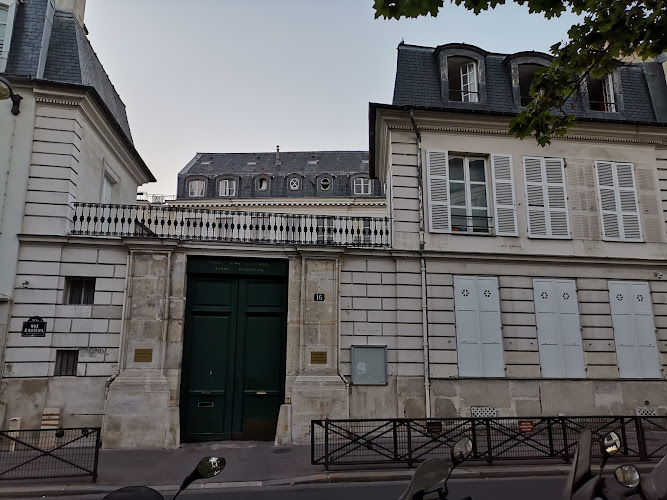
Auteuil château where centuries of noble ownership created architectural palimpsest
At 16 rue d’Auteuil in the 16th arrondissement, Hôtel Véron stands as an extraordinary architectural evolution spanning four centuries, where successive noble owners transformed a 17th-century “clos du Buc” into a magnificent private mansion featuring four colossal fluted pilasters, garland decorations, and a triangular pediment attic that demonstrates how aristocratic taste could adapt historical architecture to serve changing aesthetic preferences while maintaining essential dignity worthy of Historical Monument protection. This remarkable residence illustrates how exceptional private architecture can achieve lasting cultural significance through ownership succession that honors rather than destroys previous architectural achievement, creating mansions that serve both immediate family luxury and ongoing architectural heritage preservation through adaptive renovations that enhance rather than compromise original design excellence.
Noble succession and architectural evolution
Louis XV facade and architectural translocation
Interior preservation and decorative arts excellence
Contemporary relevance and Auteuil heritage
Essential information
- Historical names: Clos du Buc, Château d’Auteuil, Hôtel Puscher, Hôtel de Pérignon
- Emplacement: 16 rue d’Auteuil, 16th arrondissement
- Ownership evolution: Broë de la Guette → Groult de Beaufort → Joseph de Puscher (1690) → Marie Véron (1714)
- Architectural features: Four colossal fluted pilasters, garland decorations, triangular pediment
- Unique element: Louis XV facade relocated stone-by-stone from Nancy
- Historic protection: Partial registration (1980)
- Protected elements: Facades, vestibule, staircase, salon decor
- Original context: 17th-century Auteuil village property
Architectural and cultural significance
- Historical evolution: Village property to aristocratic mansion
- Noble stewardship: Successive aristocratic ownership maintaining excellence
- Architectural integration: Regional French facade within Parisian mansion
- Interior preservation: Salon decor and decorative arts protection
- Neighborhood heritage: Documentation of Auteuil village-to-arrondissement transformation
Aristocratic stewardship creates architectural heritage treasure
Hôtel Véron embodies the extraordinary benefits of sustained aristocratic stewardship that transformed 17th-century village property into magnificent private mansion through successive noble ownership that maintained both architectural excellence and cultural significance across four centuries of French social and political transformation, proving that exceptional residential architecture emerges when dedicated stewardship honors both historical building heritage and evolving aristocratic residential requirements through adaptive renovations that enhance rather than compromise original architectural character. This remarkable mansion demonstrates how sustained noble care can create architectural achievements that transcend individual family ownership to become cultural heritage worthy of Historical Monument protection and ongoing appreciation for aristocratic residential excellence that served both immediate family comfort and broader cultural preservation through mansion development that proves exceptional residential architecture achieves lasting significance when architectural stewardship maintains both building integrity and cultural education about historical residential culture and decorative arts achievement. For aristocratic architecture enthusiasts, mansion heritage admirers, or anyone interested in how sustained noble stewardship can create lasting architectural heritage, this rue d’Auteuil treasure offers an extraordinary encounter with mansion excellence, where colossal pilasters and relocated Louis XV facades demonstrate the comprehensive architectural planning required to create private residences that maintain both family residential dignity and cultural heritage significance, proving that the finest historical mansions achieve immortality through ongoing architectural stewardship that serves both immediate residential functionality and long-term cultural preservation within prestigious neighborhood contexts that honor both individual mansion achievement and collective arrondissement cultural identity serving architectural tourism and heritage appreciation.