
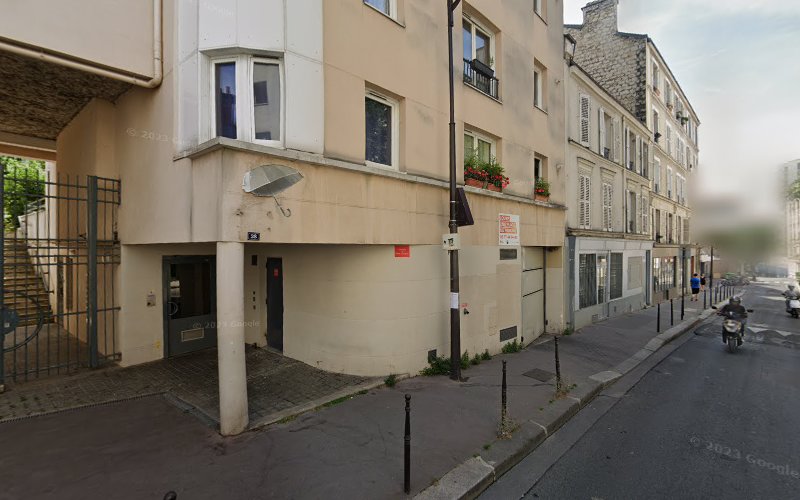
Description
The Immeuble de la Congrégation de la Mission des Lazaristes, located in the 6th arrondissement at 93-97 rue de Sèvres, is a hidden gem in Paris. This monument is home to the Lazarist Congregation, a religious order founded in 1594 dedicated to the care of the poor and the sick. The Lazarist Hospital, which the congregation runs, is located in Paris. While the Immeuble de la Congrégation de la Mission des Lazaristes may not be as well-known as some of the other les monuments in Paris, it offers a unique glimpse into the city’s history and the work of the Lazarist Congregation. Visitors can explore the building’s stunning architecture and learn about the congregation’s charitable work, which has been ongoing for over four centuries. The Immeuble de la Congrégation de la Mission des Lazaristes is a must-visit for anyone interested in the history of Paris and the city’s charitable organizations. It offers a peaceful respite from the hustle and bustle of the city and a chance to learn about the important work of the Lazarist Congregation.
Principales caractéristiques
- The Immeuble de la Congrégation de la Mission des Lazaristes, located in the 6th arrondissement, is renowned for its stunning architectural features, including intricate facades and ornate detailing that reflect the building's historical significance.
- Visitors can explore the museum's rich history and learn about its role in the development of the local community, making it a must-see for history enthusiasts and architecture aficionados alike.
Accessibilité et commodités
- The museum is equipped with accessibility features to ensure a comfortable experience for all visitors, including those with disabilities.
- Amenities such as restrooms, a gift shop, and dining options are available on-site, catering to the needs of guests throughout their visit. Additionally, audio guides are offered to enhance the museum experience.
Planifier votre visite
- To avoid crowds, it's advisable to plan a visit during non-peak hours, typically early mornings or late afternoons.
- Visitors typically spend around 1-2 hours exploring the museum and its unique attractions. A recommended itinerary includes a guided tour to fully appreciate the historical and architectural significance of the monument.
What Makes It Notable
The Immeuble de la Congrégation de la Mission des Lazaristes is a protected heritage monument at 93, 95 and 97 rue de Sèvres in Paris’s 6th arrondissement. Its importance lies above all in its association with the Congregation of the Mission, the religious order founded by Saint Vincent de Paul in 1625. For visitors interested in the city beyond its headline landmarks, it provides a useful point of reference for understanding the institutional and religious history embedded in the Left Bank streetscape.
This is best approached as an architectural and historical stop rather than as a conventional museum visit. The protected status signals the site’s heritage value, while the Lazarist connection places it within a long Parisian tradition of religious communities shaping neighbourhood life. Take time to look at the building in the context of the continuous urban frontage of rue de Sèvres: this is a setting where the city’s everyday movement and its older institutions meet.
Location & Neighbourhood Context
The address sits in the 6th arrondissement, on the Left Bank, along rue de Sèvres. This is a practical, built-up part of the arrondissement rather than a detached monument precinct: the building belongs to a streetscape of shops, services and residential life. It is well suited to a walking itinerary through the western side of Saint-Germain-des-Prés and the adjoining Left Bank districts.
Rue de Sèvres also makes an easy urban link between central Left Bank sights and the area around Montparnasse. Visitors can use the stop as a quieter counterpoint to the larger churches, museums and department-store corridors nearby. The Seine is within the broader 6th-arrondissement walking area, but the immediate experience here is more distinctly neighbourhood-based: pavements, façades and the rhythm of a working Paris street.
Points forts des visiteurs
- Religious-history context: the site is associated with the Congregation of the Mission founded by Saint Vincent de Paul in 1625.
- Protected heritage interest: it rewards visitors who like to identify historic institutions within Paris’s lived-in streets.
- Architectural observation: view the building as part of the rue de Sèvres frontage, rather than isolating it from its urban setting.
- Best for independent walkers: it fits naturally into a self-guided Left Bank itinerary and suits travellers interested in Parisian planning, façades and local history.
- A measured stop: it is particularly appropriate for those content with exterior appreciation and historical context.
Practical Planning Tips
Plan this as a short exterior stop and allow extra time only if you are combining it with other places on rue de Sèvres or elsewhere in the 6th arrondissement. Morning can make it easier to study the frontage before the pavement becomes busier; later in the day is better if you are simply folding it into a longer neighbourhood walk. As this is an active institutional address rather than a confirmed public attraction, do not assume that interior access is available.
There is no reason to treat it as a timed-ticket visit on the information available here. Instead, check current access arrangements directly before travelling if entering the building is essential to your plans. Keep the visit respectful: observe from public space, avoid obstructing entrances, and remember that heritage protection does not automatically mean public admission.
Questions fréquemment posées
Where is the Immeuble de la Congrégation de la Mission des Lazaristes?
It stands at 93, 95 and 97 rue de Sèvres, in Paris’s 6th arrondissement.
Why is the building historically significant?
It is associated with the Congregation of the Mission, founded by Saint Vincent de Paul in 1625, and is listed as a protected heritage monument.
Can visitors go inside?
Public interior access is not confirmed. Treat it as an exterior heritage stop unless current arrangements indicate otherwise.