
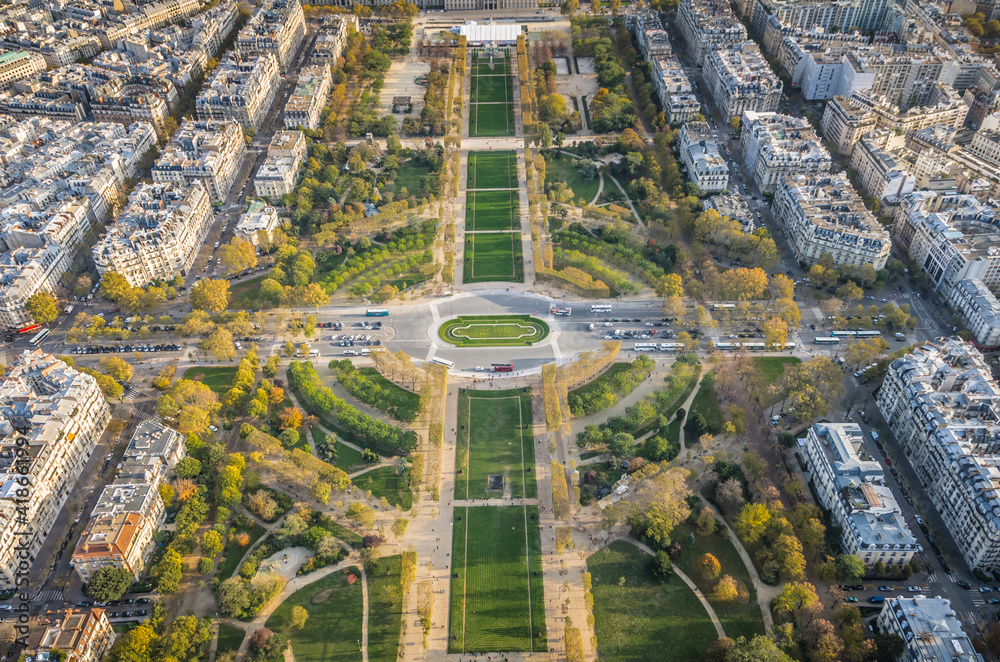
Universal Exhibition masterpiece where Streamline Moderne meets cultural excellence
Atop Chaillot hill in the 16th arrondissement, the Palais de Chaillot stands as architects Louis-Hippolyte Boileau, Jacques Carlu, and Léon Azéma’s 1937 triumph for the Universal Exhibition, where Streamline Moderne architecture created two curved wings separated by the Parvis des Droits de l’Homme that frames spectacular Eiffel Tower views while housing four major cultural institutions. This extraordinary complex demonstrates how exposition architecture can achieve permanent cultural value when exceptional design transcends temporary exhibition purposes to serve ongoing museum and theater programming through spaces that honor both architectural innovation and cultural education within settings that prove international exhibitions can generate lasting urban improvements through architectural commissions that continue serving public benefit.
Trocadéro transformation and architectural innovation
Cultural institution integration and museum excellence
Art Deco sculptural decoration and literary collaboration
Contemporary cultural relevance and tourist destination
Essential information
- Architects: Louis-Hippolyte Boileau, Jacques Carlu, Léon Azéma
- Construction: 1937 (Universal Exhibition “Arts and Techniques”)
- Emplacement: Chaillot hill, Trocadéro, 16th arrondissement
- Architectural style: Streamline Moderne with Art Deco elements
- Design concept: Two curved wings creating open tour Eiffel vues
- Cultural institutions: Four major museums and national theater
- Artistic elements: Henri Bouchard sculptures, Paul Valéry inscriptions
- Public space: Parvis des Droits de l’Homme esplanade
Cultural and architectural significance
- Museum diversity: Architecture, maritime, anthropology, dance theater
- Urban planning: Strategic demolition creating Eiffel Tower vista
- Exposition legacy: Permanent cultural benefit from international exhibition
- Tourist integration: Cultural education combined with landmark viewing
- Artistic showcase: 1930s figurative art and literary collaboration
Exposition architecture creates permanent cultural heritage
The Palais de Chaillot embodies the extraordinary achievement of exposition architecture that transcends temporary exhibition purposes to become permanent cultural institutions, where the 1937 Universal Exhibition generated architectural excellence that continues serving multiple museum missions and theatrical programming through Streamline Moderne design that proves international cultural events can create lasting urban improvements when architectural vision meets comprehensive cultural planning. This remarkable complex demonstrates how exceptional public architecture emerges when innovative construction techniques serve diverse cultural institutions within unified architectural frameworks that accommodate both specialized museum requirements and general public tourism needs, creating cultural destinations that honor both architectural heritage and ongoing educational mission. For Art Deco enthusiasts, museum culture admirers, or anyone interested in how international exhibitions can generate lasting cultural institutions, this Trocadéro masterpiece offers an unparalleled encounter with exposition excellence, where curved wings frame Eiffel Tower views while housing architecture, maritime, anthropology, and dance institutions that demonstrate how comprehensive cultural planning can serve diverse educational missions through shared architectural excellence, proving that the finest exposition buildings achieve immortality through ongoing cultural service rather than mere architectural preservation, creating spaces where contemporary museum programming and theatrical performance honor both historical architectural achievement and evolving cultural needs within settings that make cultural education more accessible and inspiring through architectural distinction that enhances rather than competes with institutional missions serving both specialized audiences and general public cultural appreciation.