
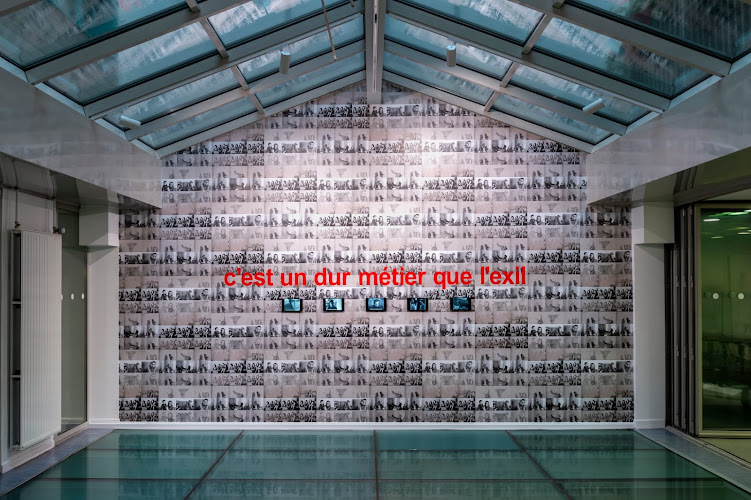
Description
Sous-station Temple is a hidden gem in the bustling 10th arrondissement of Paris. This medieval church, which dates back to the 13th century, is a stunning example of Gothic architecture and is a must-see for anyone visiting the city. The church’s intricate details, from its pointed arches to its stained glass windows, are a testament to the skill of the craftsmen who built it. As you explore the church, you’ll feel transported back in time to the Middle Ages. It’s not hard to see why this attraction is one of the most popular in Paris. So, if you’re looking for a unique and historic experience in the City of Light, be sure to add Sous-station Temple to your itinerary.
Principales caractéristiques:
The Sous-station Temple, located in the 10th arrondissement, is a unique cultural center housed within a historic building. Originally serving as a substation, this repurposed space now offers a captivating blend of historical significance and contemporary cultural experiences. Visitors can explore the architectural features of the former substation while immersing themselves in the diverse cultural offerings within its walls.
Accessibilité et commodités :
The museum is committed to providing accessibility for all visitors, with features such as wheelchair access and restroom facilities. Additionally, the museum offers amenities including a gift shop where visitors can find unique souvenirs and mementos. Audio guides are available to enhance the visitor experience, providing insightful commentary on the museum's exhibits and history.
Planifier votre visite :
To make the most of your visit, consider arriving during weekdays to avoid peak visitor times. On average, visitors spend approximately 1-2 hours exploring the museum's unique attractions and cultural displays. For a comprehensive experience, consider exploring nearby attractions and dining options in the vibrant 10th arrondissement after your museum visit.
Sous-station Temple: Paris’s Electrical Heritage
Sous-station Temple offers a different perspective on Parisian monuments: the infrastructure that helped the city function. Built in the early 20th century to supply electricity to the tramway network, this former electrical substation belongs to the history of Paris’s electrification. Its interest lies in industrial architecture rather than religious or ceremonial grandeur, making it a worthwhile subject for visitors looking beyond the capital’s palaces and churches.
Today, the address is associated with Emmaüs – Le Transfo and a cultural-centre role. That change of use adds another dimension to the building: it connects the practical needs of an earlier city with contemporary cultural activity. Approach it as an example of urban reuse, rather than assuming it operates as a conventional museum with permanent displays and unrestricted sightseeing access.
Location and Neighborhood Context
The visitor address is 36 rue Jacques-Louvel-Tessier, in the 10th arrondissement. Use this street address when navigating: the Temple name can otherwise draw attention toward the Temple quarter farther south. This part of northeastern Paris has a more everyday residential character than the central monument districts, with local streets providing the context for the former utility building.
A visit fits naturally into a walk between the Canal Saint-Martin area and Belleville. Choose the canal for a waterside continuation, or head toward Belleville for a broader neighborhood itinerary. Neither requires treating the substation as a stand-alone excursion; it works particularly well as an architectural point of interest within a longer walk.
Points forts des visiteurs
- Industrial history: The former substation gives transport enthusiasts a link to the electrical systems behind Paris’s tramways.
- Architectural context: Consider the building’s original service function and its relationship to the surrounding streets, rather than looking for the decorative language of a palace or church.
- Cultural reuse: Its present cultural-centre identity makes it relevant to visitors interested in how Paris adapts older infrastructure.
- A neighborhood-focused stop: It suits independent walkers who enjoy combining a specific building with a wider exploration of northeastern Paris.
Practical Planning Tips
Before making a dedicated journey, consult the official Emmaüs – Le Transfo website for current programming and visitor arrangements. Check whether your chosen activity requires advance registration and whether it includes access to the spaces you hope to see. Do not assume that a cultural event also provides a guided architectural visit.
For an exterior-focused stop, daylight makes it easier to examine the building in its street setting. Keep your itinerary flexible: an outside look and attendance at a programmed event call for different amounts of time. Confirm step-free access or other specific requirements directly before travelling, and avoid building your day around unverified interior access.
Questions fréquemment posées
Is Sous-station Temple a church?
No. It is a former electrical substation from the early 20th century, associated today with a cultural-centre use.
Where should I go?
Use 36 rue Jacques-Louvel-Tessier in the 10th arrondissement, rather than navigating by the Temple name alone.
Can I visit the interior without booking?
Do not assume walk-in access. Check the official Le Transfo website for current events, admission arrangements and any registration requirements.