
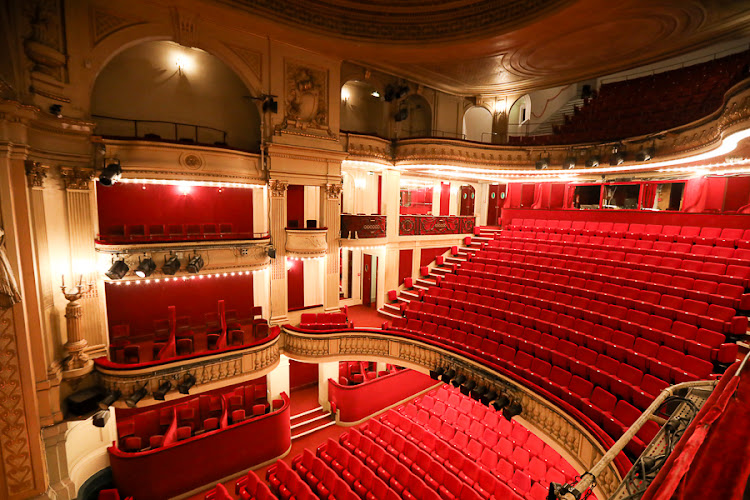
From 18th-century burlesque to contemporary theatrical excellence
At 31 rue de la Gaîté in the vibrant 14th arrondissement, Théâtre Montparnasse stands as one of Paris’s most enduring cultural institutions, where over 250 years of theatrical evolution have created a venue that embodies the transformation of French entertainment from crude popular comedy to sophisticated contemporary drama. Built in its current form in 1886 by architect Charles Peigniet—who helped create the Statue of Liberty—this remarkable theater demonstrates how great cultural institutions can adapt and elevate their artistic mission while maintaining their essential character.
The theater’s history begins in 1772 with a rickety wooden structure that presented pantomimes and “parades”—short burlesque acts employing crude humor and sexual innuendos that entertained working-class Parisian audiences. This humble beginning reflects the democratic origins of French popular theater and its role in providing entertainment for ordinary citizens rather than aristocratic elites.
The evolution from these rough-and-ready entertainments to sophisticated theatrical programming demonstrates how French theater culture elevated popular entertainment through artistic ambition and cultural vision, transforming neighborhood venues into institutions of national cultural significance.
Charles Peigniet’s architectural transformation
The ornate and imposing façade completed in 1886 by Charles Peigniet transformed the theater into an architectural landmark worthy of Montparnasse’s growing cultural importance. Peigniet’s design, created during his collaboration on the Statue of Liberty project, brought international architectural expertise to Parisian theater design.
The architectural renovation enabled the theater to accommodate larger audiences and more sophisticated productions while creating the dignified exterior presence that announced the venue’s elevated cultural mission to the Montparnasse community and visiting audiences.
Golden age under Gaston Baty and artistic excellence
The 1930s golden age under playwright and director Gaston Baty established the theater’s reputation for innovative programming and international recognition. Baty’s successful adaptation of Gustave Flaubert’s “Madame Bovary” proved so popular it transferred to Broadway in 1937, while his 1930 French version of “The Threepenny Opera” demonstrated the theater’s commitment to presenting challenging contemporary works.
This period established Théâtre Montparnasse as more than neighborhood venue—it became a cultural laboratory where French theatrical innovation could reach international audiences while maintaining deep connections to local artistic community and literary heritage.
Contemporary leadership and continued excellence
Since 1984, Myriam Feune de Colombi, former member of the prestigious Comédie-Française, has directed the theater’s continued evolution into a contemporary cultural institution. Her additions of a restaurant and smaller venue demonstrate how historic theaters can expand their community role while launching careers of emerging French playwrights.
The theater’s current configuration includes a 690-seat main auditorium and 90-seat studio space, enabling programming that serves both large-scale productions and intimate experimental works that continue Montparnasse’s tradition of artistic innovation and cultural experimentation.
Montparnasse cultural landscape and community integration
The theater’s location on rue de la Gaîté places it within Montparnasse’s historic entertainment district, where cafés, cabarets, and theaters created the vibrant cultural scene that attracted artists, writers, and intellectuals from around the world. This context ensures that the theater continues serving its original mission as community cultural anchor.
The onsite restaurant’s panoramic views of charming rue de la Gaîté create dining experiences that integrate with the broader cultural exploration of Montparnasse, demonstrating how contemporary theater venues can enhance neighborhood vitality while serving artistic excellence.
Essential information
- Original opening: 1772
- Current building: 1886 (Charles Peigniet)
- Emplacement: 31 rue de la Gaîté, 14th arrondissement
- Capacité: 690 seats (main theater), 90 seats (studio)
- Golden age: 1930s (Gaston Baty)
- Current director: Myriam Feune de Colombi (since 1984)
- Architectural significance: Peigniet (Statue of Liberty collaborator)
Cultural achievements and programming
- International success: “Madame Bovary” adaptation to Broadway (1937)
- Historic productions: French “Threepenny Opera” (1930)
- Contemporary mission: Launch pad for emerging French playwrights
- Venue versatility: Theater, concerts, exhibitions, dining
- Cultural continuity: 250+ years of Montparnasse entertainment
Theatrical heritage and artistic evolution
Théâtre Montparnasse embodies the remarkable evolution of French theatrical culture from popular neighborhood entertainment to international artistic excellence. This extraordinary venue demonstrates how great cultural institutions can honor their humble origins while achieving sophisticated contemporary programming that serves both local community and international cultural exchange. For theater enthusiasts, Montparnasse cultural explorers, or anyone interested in how performance venues shape artistic neighborhoods, the theater offers an inspiring encounter with cultural continuity, where over two centuries of theatrical innovation continue to flourish within architectural spaces designed to prove that the finest entertainment can elevate both artists and audiences while maintaining the democratic accessibility that has always defined the best of French cultural life.