

Hey everyone! So, I just landed in Paris today, and wow, what a whirlwind of emotions it’s been! I arrived at 6 PM and had about an hour and a half to explore before darkness set in. You’d think I would be soaking in the sights and sounds of the City of Light, but instead, I found myself dealing with some unexpected—and frankly, unwanted—attention.
First off, let’s talk about catcalling. Within that short span of time, I was catcalled three times! The first encounter involved a guy gesturing towards my chest, and let me tell you, it was beyond uncomfortable.

Then, later in the evening, an older gentleman wouldn’t stop insisting that I join him for dinner. I mean, seriously, does that ever actually work? It felt like I was trapped in a scene from a film where the annoying guy just won’t take no for an answer! Eventually, I managed to deflect by saying I wasn’t of age (which I am, but I felt that was my only way out since we were in a pretty remote area).
On my way back home, it happened again. Another catcall! This time, I just ignored it, which clearly didn’t sit well with them, considering I heard some comments in French that I can only assume weren’t compliments. Yeah, jokes on them for insulting me in a language I can’t fully grasp!

So, I’m left wondering—am I doing something wrong here? Is it me that’s drawing this kind of attention? Maybe they can tell I’m a tourist? I mean, I was covered from head to toe, so it definitely wasn’t my clothing. Is this a common occurrence in Paris? Are locals used to this kind of behavior?
I really had high expectations for my first day here, and I have to admit, it’s been a bit of a letdown. I’d love to hear from anyone else who’s experienced something similar, or if you have any tips on how to navigate these situations!
Let’s chat in the comments. Thanks for reading! Sending good vibes from Paris, despite the hiccups!
Paris rewards wandering, but a first evening can feel very different from the postcard version of the city. Its broad boulevards, narrow side streets, busy transport interchanges and riverside paths shift quickly in atmosphere as daylight fades. For a newcomer, the most useful lesson is not to avoid the city: it is to read the setting, stay purposeful and give yourself permission to leave any interaction that feels wrong.
Unwanted comments, persistent invitations and other intrusive behaviour are not caused by what a visitor wears, how friendly they seem or whether they look like a tourist. They are the responsibility of the person behaving badly. Paris is full of welcoming streets, cafés and public places, yet solo travellers—especially on an unfamiliar route or in a quieter area—may find that firm boundaries and practical route planning make the first days considerably more comfortable.
Key Highlights & What to Expect
The aim is confidence, not constant vigilance. A few simple habits help visitors enjoy the city while keeping awkward encounters brief and reducing the stress of getting oriented after arrival.
- Busy does not always mean uncomfortable. Central streets, museum approaches and café-lined areas usually provide more witnesses and easy places to pause, although crowded zones can also attract pickpocketing.
- A clear refusal is enough. “Non, merci” or “Laissez-moi tranquille” can be delivered without explanation. Do not negotiate, apologise or share where you are staying; keep walking toward other people or a staffed venue.
- Choose the route, not just the destination. Favour well-lit main streets and straightforward transport connections over a tempting shortcut through isolated passages, parks or embankments after dark.
- Use ordinary public spaces as reset points. A café, hotel lobby, pharmacy, shop or transport station can give you time to check directions, call someone or wait until you feel settled.
- Trust the feeling that something is off. If a person follows, blocks or repeatedly pressures you, move toward staff or a group and seek help. Leaving is not rude; it is a sensible response.
Practical Planning Snapshot
Planning Factor | À quoi s'attendre | Conseil local |
|---|---|---|
Best Time / Timing | Daylight makes orientation easier, while early evening can be ideal for getting familiar with a neighbourhood before dinner. | On your first day, save remote-looking routes for later and keep the return journey simple. |
Typical Duration | Allow a short, low-pressure walk rather than trying to cover several districts immediately after travel. | Pick one landmark, one café break and one clear way back to your accommodation. |
Crowd & Booking Reality | Popular areas can be lively, but no district is uniformly busy or quiet throughout the day. | For an evening stop, choose somewhere you feel comfortable entering alone and sit near staff if that helps. |
Getting There & Terrain | Metro exits can open onto very different streets, and cobbles, stairways and river paths can complicate navigation. | Check the route before leaving Wi-Fi and keep your phone charged, but stay aware rather than walking with eyes on the screen. |
Ideal Pairing Nearby | Combine a first exploration with a museum, market, café or other staffed daytime destination. | Use that destination as an anchor, then explore the surrounding blocks only while you still feel oriented. |
Who It Suits Best & Honest Trade-Offs
This approach suits first-time visitors, solo travellers and anyone arriving late or feeling unsettled after an unpleasant encounter. Travellers who enjoy spontaneous walks can still have them; the trade-off is accepting that spontaneity works best with a rough plan, a charged phone and an easy exit route. Going out with a companion can feel reassuring, but it is not a requirement for enjoying Paris. The city should not be framed as inherently unsafe, nor should discomfort be minimised as part of travel. If harassment happens, it is valid to change plans, seek a populated place, contact trusted support or ask staff for assistance. Confidence grows through familiarity, not by tolerating behaviour that crosses a boundary.
Find Things to Do in Paris
Find Accommodation

Continue Planning Your Paris Trip
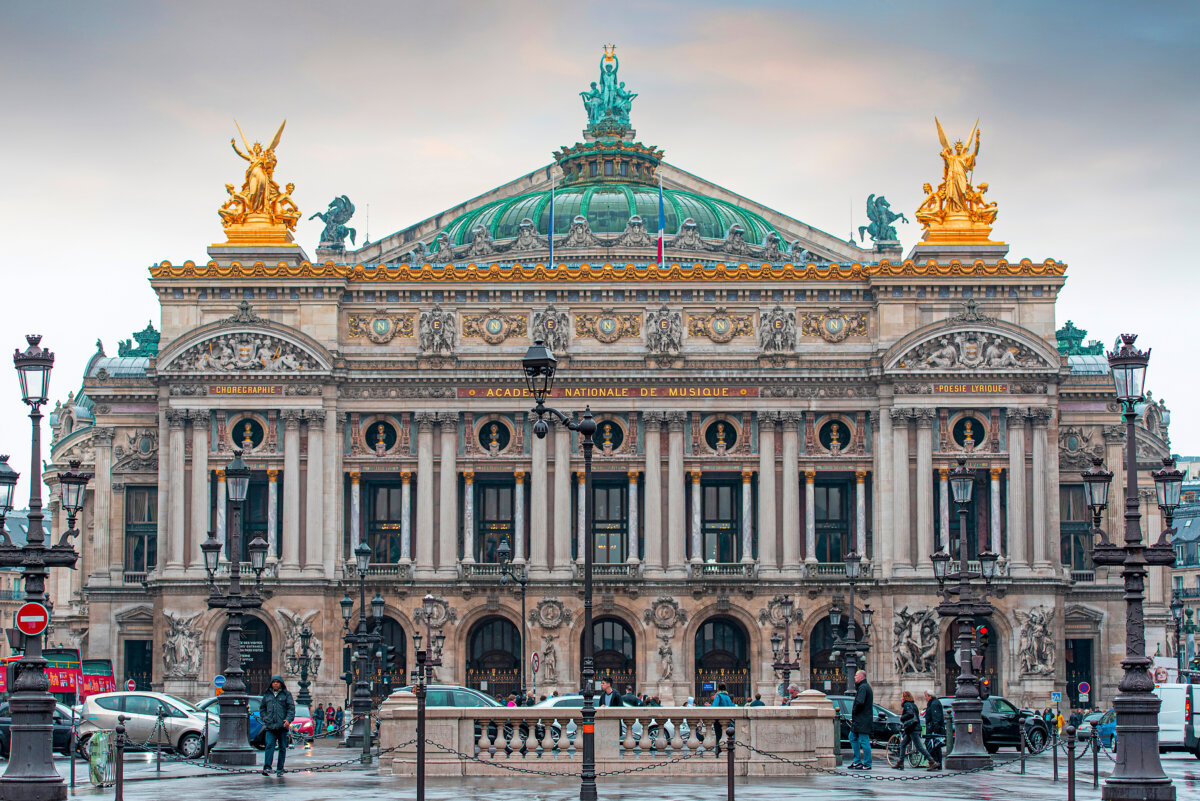
Exploring the Palais Garnier: Self-Guided Tour vs. Performance Experience
Palais Garnier: a 10-euro self-guided tour or a performance from a category 6 seat? What each gets you…
Read Guide →
Navigating Louvre Ticket Confusion: What You Need to Know
Double-booked the Louvre and Eiffel Tower for the same time slot? Why neither lets you modify, and your…
Read Guide →Best Way to Visit Paris Monuments Efficiently: Discover Top Sights in Less Time
Paris has 2,000+ monuments, so see the best without losing hours on the metro. Group sights by neighborhood,…
Read Guide →