

Détails
- Durée: 1 heure
- Notation: 5,0
- Prix: €35,00
Description
Experience the magic of Paris in a unique way with TukTuk Ride Paris. their tour takes you on a thrilling journey through the city’s iconic landmarks, charming streets, and hidden gems. Hop on their eco-friendly TukTuk and explore the Eiffel Tower, Musée du Louvre, Notre-Dame Cathedral, Champs-Élysées, and more. their knowledgeable local guide will share fascinating stories and insights into Parisian history, art, and culture. Indulge in the city’s culinary delights as we stop at local cafes and markets to savor authentic cuisine française. With TukTuk Ride Paris, you’ll create unforgettable memories and discover the true essence of the City of Love. Book your tour now and let them show you the best of Paris!
Top-Rated Tours in Paris
Description
P.parfums de Paris : Comment la France est devenue LE pays du parfum? Faites un voyage sensoriel à travers l'histoire de la parfumerie française, des champs de Grasse aux boutiques chics de Paris. Découvrez l'art de la création de parfums et les secrets de certains des parfums les plus emblématiques du monde.
Cette expérience d'une heure est un incontournable pour tout voyageur cherchant à découvrir l'essence de culture française. Faites plaisir à vos sens et découvrez le charme de Parissiaen parfumerie.
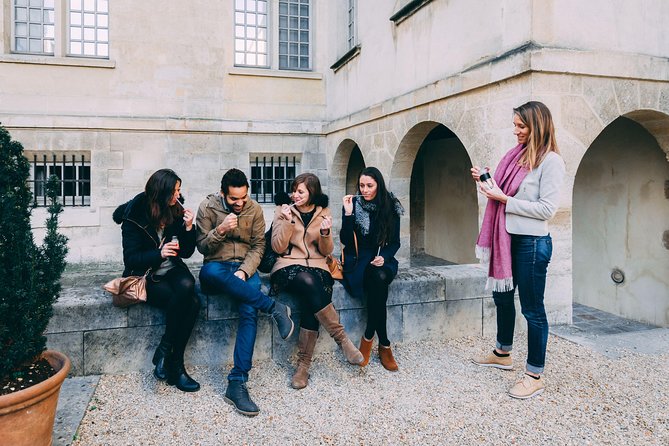
Ressources associées
- Atelier Parfum à Paris
- Parfums de Paris : Comment la France est devenue LE pays du parfum
- Les meilleures choses à acheter à Paris : un guide complet
Paris is not simply a city where perfume is sold; it is a place where fragrance has long been woven into fashion, beauty, ceremony and the idea of French refinement. This compact sensory tour approaches perfume as a cultural story rather than a shopping stop, tracing the route from southern raw materials to the polished Parisian world of bottles, houses and personal style. It is a useful introduction for visitors who want context for an art form that can otherwise feel mysterious or intimidating.
What makes the experience distinctive is its focus on how Paris helped turn scent into a global language of luxury. Grasse and its flower-growing tradition are part of the narrative, but Paris is where perfumery meets couture, retail theatre and changing ideas of taste. Expect an accessible conversation about what goes into a fragrance, why compositions develop differently over time, and how French perfume became associated with both craft and aspiration.
Key Highlights & What to Expect
This is best treated as a guided primer: a chance to put names, ingredients and historical references into a clearer framework before browsing Paris’s many fragrance counters on your own. The pace is geared towards curiosity, not technical training, so newcomers can follow the story without needing prior knowledge of perfume families or specialist vocabulary.
- A French perfumery timeline: Follow the broad journey from Grasse’s cultivation and extraction traditions to Paris’s role in building influential fragrance brands and rituals.
- How a scent is constructed: Learn the practical meaning of top, heart and base notes, and why a perfume’s first impression is only one part of its character.
- Ingredients with context: Explore the place of flowers, woods, spices, resins and citrus in the perfumer’s palette, alongside the importance of composition and balance.
- Parisian style and fragrance: Consider the close relationship between scent, fashion, presentation and the changing image of elegance in the French capital.
- A more confident nose: Pick up simple ways to smell fragrances thoughtfully, compare impressions and describe what you notice without pretending there is one correct response.
Practical Planning Snapshot
Planning Factor | À quoi s'attendre | Conseil local |
|---|---|---|
Best Time / Timing | A daytime slot works well when your sense of smell is fresh and the day is not already packed with tastings or heavy meals. | Avoid wearing a strongly scented body product beforehand; it can make comparison harder for you and those nearby. |
Typical Duration | A short, focused experience designed as an introduction rather than an exhaustive course in perfumery. | Leave a little breathing room afterwards if you hope to browse fragrance shops or test scents independently. |
Crowd & Booking Reality | Small-group sensory activities can feel more personal, but availability may be limited at popular travel periods. | Reserve ahead when dates matter, and review the current meeting details and participation conditions before setting out. |
Getting There & Terrain | Plan around the confirmed meeting point and expect central-Paris urban conditions, including pavements and public-transport connections. | Use the final booking information as the authority for access, arrival time and any mobility considerations. |
Ideal Pairing Nearby | It pairs naturally with a fashion-focused visit, an elegant afternoon tea, or unhurried browsing in Parisian beauty and design districts. | Schedule it before dinner, when your palate and nose are less likely to be distracted by food and wine. |
Who It Suits Best & Honest Trade-Offs
Choose this experience if you enjoy cultural backstories, design, beauty or sensory learning and would like a concise way into a famously French subject. It can be especially rewarding for first-time Paris visitors who want an alternative to monument-heavy sightseeing, as well as for gift shoppers seeking more informed inspiration. The trade-off is depth: a brief overview cannot replace a full workshop, a visit to production sites in Grasse, or extensive one-to-one scent consultation. People expecting to create a custom perfume, receive a major retail experience or cover every historic house should check the current inclusions carefully. Come with an open mind, a neutral nose and a willingness to notice subtle differences; the pleasure lies as much in the stories and associations as in identifying a particular note.