

Montmartre offers the perfect blend of artistic heritage, hidden gems, and authentic Parisian charm—but navigating this hillside village requires insider knowledge to avoid tourist traps and discover what makes locals fall in love with these cobblestoned streets. This comprehensive guide provides everything needed to plan an unforgettable 3-day visit, from €4 des croissants at local bakeries to secret gardens known only to residents.
Understanding Montmartre’s distinct neighborhoods

The district is divided into remarkably different zones, each offering unique experiences and price points. Upper Montmartre around Sacré-Cœur provides iconic views and peaceful residential streets but requires significant uphill walking—the basilica sits 130 meters above sea level, accessed by 222 steps or a €2.50 funicular ride. This area offers the classic postcard experience with morning mist over Paris rooftops, though crowds surge between 11 AM and 8 PM daily.
The Abbesses area represents Montmartre’s beating heart, where locals actually shop and dine. This central zone around the deepest metro station in Paris (36 meters underground with 285 steps) maintains a village atmosphere while providing excellent restaurant choices.
One Reddit user who lived here noted: “My first apartment was here back in 2013. I arrived in Paris not knowing anyone, with an Airbnb rented for three months. It was one of the best things I have done for myself.”
Pigalle, the southwestern edge, transforms from a seedy red-light district by day to a vibrant nightlife hub after dark. While the Moulin Rouge anchors tourist activity here, locals frequent hidden wine bars like Bar à Bulles, tucked behind the famous windmill with a terrace offering spectacular views. The area divides opinions—families might prefer quieter zones, while nightlife enthusiasts find unmatched energy here.
Lamarck-Caulaincourt in the north offers what many consider the “real” Montmartre experience. Accommodation costs drop 30-40% compared to tourist areas, restaurants serve authentic French cuisine without inflated prices, and the residential streets remain peaceful even during peak season. As one local safety expert confirmed: “These quieter streets have a peaceful and welcoming vibe” compared to busier tourist zones.
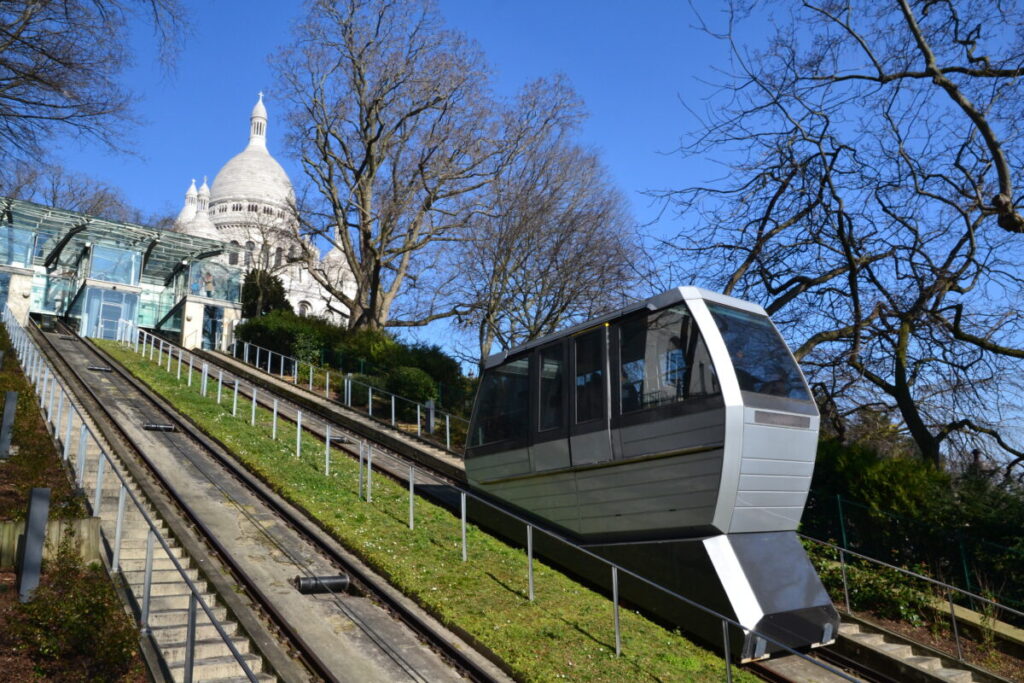
The newly simplified 2025 Paris metro pricing makes Montmartre exploration more straightforward—€2.50 flat rate for any metro journey within Paris, replacing the confusing zone system. Four metro lines serve Montmartre, but choosing the right station dramatically impacts your experience.
Abbesses on Line 12 puts you in the village center but requires navigating Paris’s deepest station. Anvers on Line 2 offers the classic approach to Sacré-Cœur but means joining tourist crowds immediately. Lamarck-Caulaincourt provides the locals’ entrance—quieter streets and a gradual uphill walk through residential areas.
Le Montmartre Funicular operates from 6:00 AM to 12:45 AM daily, accepting standard metro tickets for its 90-second journey covering 36 meters of elevation. While tourists queue for this novelty, locals recommend Bus Line 40, praised across forums as “a smaller bus that navigates the narrow, winding streets, allowing you to see much of the area without constant uphill walking.”
From Charles de Gaulle Airport, the RER B to Gare du Nord, then Line 2 to Pigalle, costs €13 and takes approximately one hour. Taxis charge a fixed €55 to the Right Bank, though surge pricing can push this to €70 during rush hours. The Navigo Jour pass at €12 provides unlimited daily travel if you’re planning multiple metro trips, beating the cost of five individual tickets.
Where to stay: matching neighborhood to travel style

Accommodation pricing in Montmartre follows predictable patterns tied to proximity to major attractions. Budget travelers (€50-80/night) find the best value in Pigalle’s hostels or Lamarck-Caulaincourt’s independent hotels. The Le Village Montmartre hostel offers dorms from €30 and private rooms from €60, maintaining cleanliness standards while providing a 10-minute walk to Sacré-Cœur.
Mid-range options (€100-150) cluster around Abbesses, with properties like Le Relais Montmartre at €120-200/night offering boutique charm in village-like settings. The Hotel des Arts near Moulin Rouge provides a bohemian atmosphere for €130-180, though its proximity to nightlife means some evening noise.
Luxury seekers (€200+) gravitate toward the Terrass Hotel with its rooftop restaurant offering Eiffel Tower views (€250-400/night) or the exclusive Hôtel Particulier Montmartre hidden behind an unmarked door, featuring a private 900m² garden where locals actually come for weekend brunch.
Critical booking details often overlooked: verify elevator availability in buildings over three stories—many historic properties lack them despite being 4-6 floors. Air conditioning, while required only for 4-star hotels, becomes essential during summer when temperatures exceed 30°C. Properties advertising “Montmartre location” sometimes sit in the rougher Barbès area—always verify exact addresses using Google Street View before booking.
Voir connexe : Where to Stay in Paris: Top Neighborhoods and Hotels
Dining like a local: beyond tourist trap restaurants

Place du Tertre’s restaurants consistently disappoint—one Airbnb host warned guests: “The surrounding restaurants are tourist traps.” Instead, Rue des Martyrs offers what travelers describe as “a half mile of deliciousness and magic” with over 200 establishments where Parisians actually eat.
For authentic bistro experiences, Le Poulbot, run by twin brothers, serves traditional onion soup, snails, and duck confit with biodynamic wines in a setting focused on home-cooked classics rather than tourist theater. Bouillon Pigalle on Boulevard de Clichy provides remarkable value—four courses plus wine for under €30, with their egg-mayo starter at just €2.50, though expect queues as they don’t take reservations.
The morning ritual at Les Petits Mitrons on Rue Lepic exemplifies local dining—€4 buys coffee, orange juice, and a croissant, an uncommon value for tourist-heavy Montmartre. For special occasions, Chantoiseau at 63 Rue Lepic (€50+ per person) serves incredible tortes featuring seasonal game in a neo-bistro atmosphere that’s cozy rather than pretentious.
Café des Deux Moulins, the Amélie film location, manages to balance tourist appeal with local character. Their €15 two-course menu and signature crème brûlée draw crowds, but the vintage 1950s décor and orange booths maintain authentic charm. Open daily from 7:00 AM to 2:00 AM, it serves as both a morning coffee stop and a late-night refuge.
Weekend brunch requires strategy—Hardware Société brings Melbourne-style breakfast to Montmartre with baked eggs, chorizo, and luxury jams, but weekend waits reach one hour. Arrive before 10 AM or accept the queue as part of the experience. Their continental breakfast and Melbourne Padre coffee justify the wait for many.
Hidden gems that define authentic Montmartre

Beyond headline attractions lies the Montmartre that makes residents protective of their neighborhood. Cité Véron, a tiny alley near Moulin Rouge, hides ivy-covered houses where writer Boris Vian once lived. One traveler discovered: “Despite being three minutes from tourist chaos, you feel like the only person who knows this place exists.”
Le Jardin des Abbesses requires local knowledge to find—enter through a blue-covered passageway decorated with moon motifs and poetry to discover what locals call “one of the smallest and best-curated gardens in Paris.” Similarly, Square Suzanne Buisson offers benches where residents play pétanque away from tourist crowds, accessed via an unmarked entrance off Rue de l’Abreuvoir.
Villa Léandre feels transported from the English countryside with its pastel shutters and private gardens. The joke at house #10—a “Downing Street SW1” sign—reflects residents’ humor about their privileged enclave. These streets represent what one food blogger captured after living here: “Montmartre has retained its village sensibilities despite the tourist invasion.”
Le Montmartre Vineyard (Clos Montmartre) produces only 500 bottles annually, sold at the tourist office for €40 each. While the vineyard remains closed to public access, one early-morning explorer shared: “I noticed the gate ajar and asked the gardener if I could step in for photos.
Just like that, I was in the secret vineyard.” October’s Fête des Vendanges celebrates the harvest with local festivities.
Mastering the major attractions
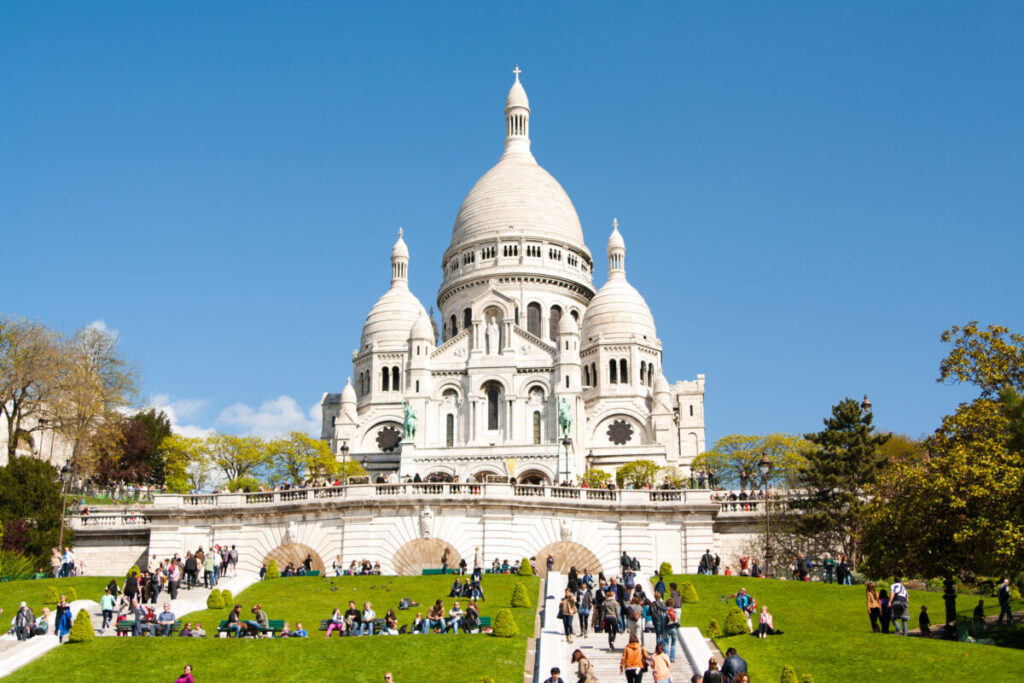
Basilique du Sacré-Cœur opens daily from 6:30 AM to 10:30 PM with free admission, though the dome costs €7 and requires climbing 300 steps with no elevator option. Early morning visits before 8:00 AM provide near-solitary experiences—”Parisians will be out with their dogs, jogging up endless stairs, chatting at corners while artists set up before crowds arrive,” noted one frequent visitor.
Le Place du Tertre artist colony operates under strict regulations with only 140 licensed spaces for approximately 300 artists, with merely 5-6 new spots opening annually through competitive jury selection. Portrait prices range from €25 to €100. Always agree on the price before sitting. Visit before 10 AM for photographs without crowds blocking every angle.
Moulin Rouge shows at 9:00 PM and 11:00 PM require booking (+33 1 53 09 82 82), with smart casual dress code strictly enforced—no shorts, sports shoes, or sandals. Photography inside is forbidden, and bag checks are mandatory. The €87-120 ticket price reflects the venue’s tourist focus, though the production values remain impressive.
Le Musée Montmartre at 12 Rue Cortot charges €15 admission, including access to Renoir Gardens overlooking the vineyard. Open daily 10:00 AM to 7:00 PM, weekday mornings offer the quietest experience. The museum sometimes closes early for private events—verify hours before visiting.

Le bracelet scam at Sacré-Cœur steps remains Montmartre’s most persistent threat. Groups approach with a friendly demeanor, quickly tie bracelets on wrists, then demand €15-20 payment.
Prevention requires keeping hands in pockets, firm refusal, and continuous movement. One safety expert advises: “A simple ‘Non, merci’ while walking works better than any explanation.”
Le petition scam involves young women with clipboards requesting signatures while accomplices pick pockets. These groups often pretend to be deaf or support charitable causes. Never stop, never sign, and be aware that engaging even briefly marks you as a target.
Vol à la tire concentrates around Sacré-Cœur, Place du Tertre, and the funicular station. Metro Line 1 sees 95% of pickpocketing incidents between Étoile and Tuileries stations. Keep valuables in front pockets, avoid phone use on crowded stairs, and remain vigilant in tourist-dense areas.
Seasonal timing and crowd avoidance

Visit timing dramatically impacts experience quality. Early morning (8-10 AM) provides a magical atmosphere—empty streets, local life, and golden light for photography. As one blogger noted: “You might even have Montmartre all to yourself!” Peak crowds (11 AM-8 PM) make movement difficult around major attractions, while the evening after 8 PM offers a romantic ambiance with fewer tour groups.
Printemps (mars-mai) brings moderate crowds and wisteria blooms, adding color to already photogenic streets. Summer (June-August) sees maximum tourists, but the longest daylight—sunset around 8:45 PM in late August makes evening visits optimal.
Automne (septembre-novembre) provides ideal photography conditions with autumn colors and manageable crowds. Hiver (décembre-février) offers the quietest experience, though some establishments reduce hours.
Avoid weekends when possible—Tuesday through Thursday provide optimal crowd levels. Major Paris events like Journées du Patrimoine in September bring crushing crowds regardless of normal patterns.
Voir connexe : Quelle est la meilleure période pour visiter Paris ?
Budget breakdown for every travel style

Daily costs in Montmartre vary dramatically based on choices. Budget travelers can manage on €50-70/day: hostel bed (€30-40), bakery meals and simple cafés (€20-25), metro day pass (€12), mostly free attractions (€10-15). One Reddit user reported: “€22 fed four people breakfast at Coquelicot bakery—fresh bread, brioche, homemade jams, croissants, and orange juice.
Mid-range travelers spending €100-150/day access better hotels (€80-120), mix bistros with cafés (€40-60), use convenient transport (€15-20), and enter paid attractions (€20-30). The lunch formula menus at €15-25 provide excellent value compared to €40+ dinner prices at the same establishments.
Luxury travelers allocating €250+/day enjoy premium hotels (€200+), fine dining experiences (€80-120), taxi convenience (€30-50), and exclusive experiences (€50-100) like private museum tours or cocktails at Hotel Particulier’s secret garden.
Money-saving strategies that actually work: drinking at the bar versus table seating saves 20-30% in cafés; the Montmartrobus covers the area using standard metro tickets; happy hours from 5-7 PM reduce drink and food prices by 30-40%; and picnic supplies from Rue Lepic markets cost a fraction of restaurant meals.
Photography spots and perfect timing
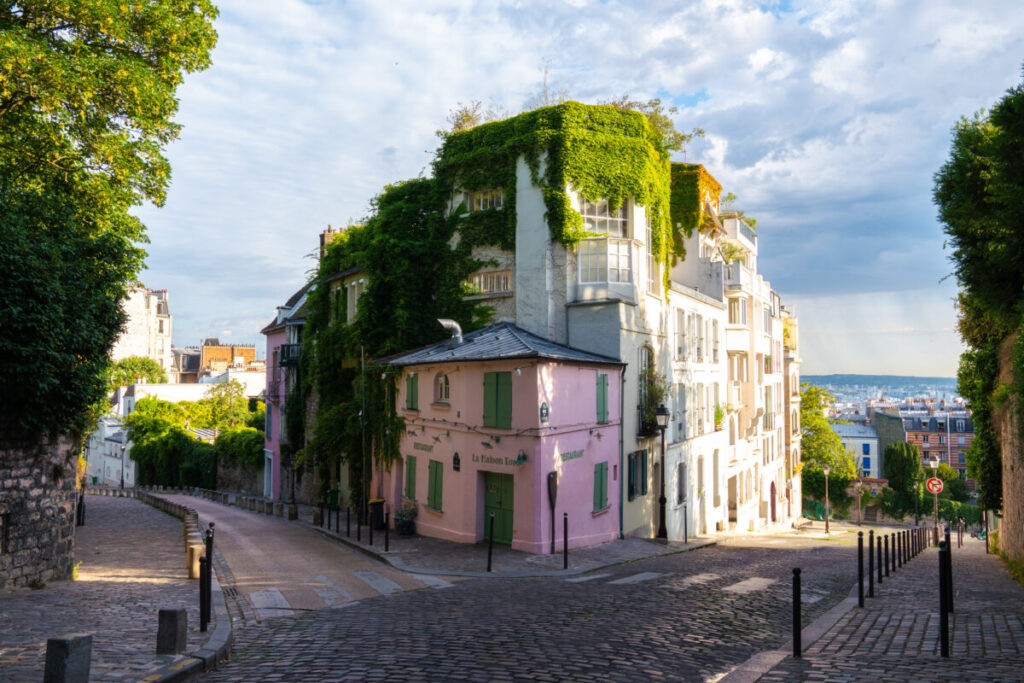
Le “sinking house” optical illusion beside Sacré-Cœur steps requires positioning on the grassy bank and tilting your camera parallel with the hillside—the basilica appears to lean dramatically. La Maison Rose photographs best from the bottom of Rue de l’Abreuvoir looking upward, with early morning light avoiding harsh shadows and tourist crowds.
Rue de l’Abreuvoir offers multiple compositions—the cobblestone curve with Sacré-Cœur domes visible, the Dalida statue bust at the bottom, and a working sundial at number 4 featuring a blue rooster. Autumn adds spectacular ivy colors to already photogenic facades.
Le Lamarck-Caulaincourt Metro station steps provide an Instagram favorite with vintage signage and Parisian balconies as a backdrop. Late afternoon golden hour enhances the warmth of weathered stone. The station’s 92 steps from platform to street also offer workout opportunities for fitness enthusiasts.
Creating your 3-day itinerary

Day 1 should tackle major attractions early. Arrive at Sacré Coeur by 8 AM for sunrise views and a peaceful basilica interior. Explore Place du Tertre before 10 AM when artists set up without tourist crowds.
Lunch at a traditional bistro like Le Poulbot, then visit the Musée Montmartre and the Renoir Gardens in the afternoon. An evening at a wine bar provides an authentic local experience.
Day 2 focuses on hidden gems and the Amélie trail. Start at Café des Deux Moulins for breakfast, then follow film locations, including Maison Collignon grocery and Lamarck-Caulaincourt station.
Discover Villa Léandre, the secret Jardin des Abbesses, and Le Passe-Muraille statue. Afternoon in Montmartre Cemeter,y finding famous graves, then dinner at a local favorite away from tourist areas.
Day 3 combines photography and culture. Early morning photo walk capturing empty streets and golden light at classic spots. Late morning art workshop or wine tasting experience.
Afternoon exploring markets on Rue Lepic for picnic supplies. Evening culminates with Moulin Rouge show or an intimate cabaret at Au Lapin Agile.
Voir connexe : Choses à faire à Paris en octobre : principales attractions et événements
Conclusion
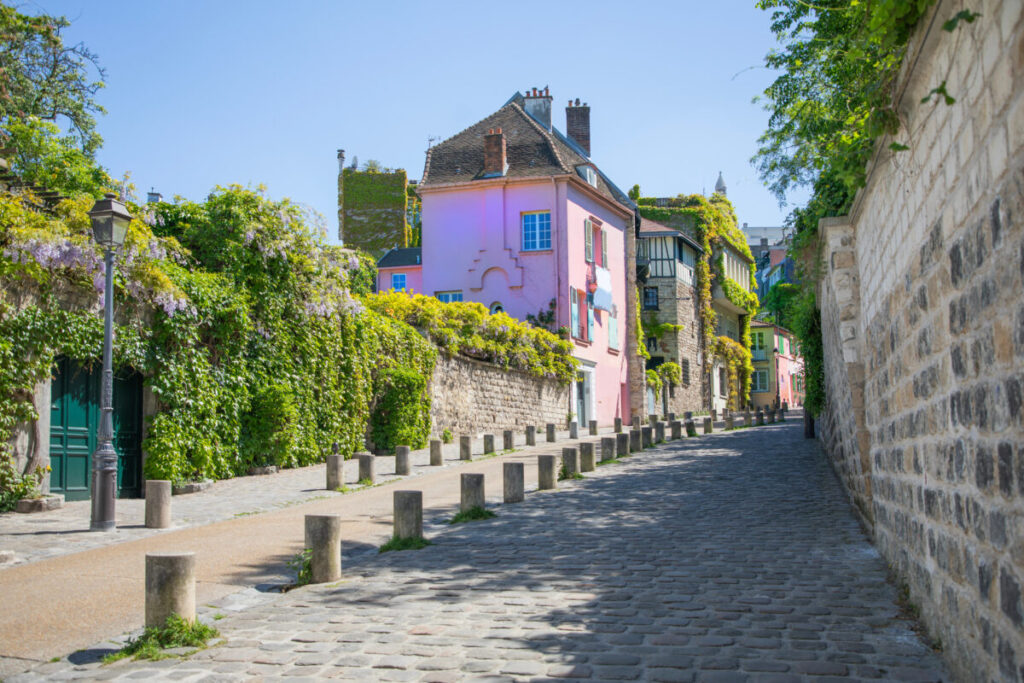
Montmartre rewards those who venture beyond obvious attractions into the narrow alleys and steep staircases where artists still live and locals guard their village atmosphere fiercely. The neighborhood’s magic emerges not from checking off tourist sites but from morning coffee at a zinc bar, unexpected garden discoveries, and sunset wine on Sacré-Cœur’s steps, watching Paris light up below. Armed with specific local knowledge—from the €4 breakfast at Les Petits Mitrons to the unmarked entrance to Jardin des Abbesses—visitors can experience the authentic Montmartre that makes both temporary visitors and longtime residents declare, as one former resident did: “Montmartre will always have a place in my heart.”
Find Things to Do in Paris
Find Accommodation

Continue Planning Your Paris Trip
Promenade Plantée Walk: Paris’ Unique Elevated Garden Adventure
Paris has a ton of famous walks, but the Promenade Plantée still feels like one of the city’s…
Read Guide →Mont St Michel Day Trip: Ultimate Paris Escape with Must-See Tips
A Mont Saint-Michel day trip from Paris runs about 14 hours round-trip. Here's how to pick your transport,…
Read Guide →11 Best Proposal Spots in Paris: A Local’s Guide to the Most Romantic Locations for Popping the Question
Where to propose in Paris? A local's 11 picks, from cliff-top parks and hidden rooftops to quiet garden…
Read Guide →