
<\!-- wp:heading -->
<\!-- /wp:heading --><\!-- wp:parameter -->
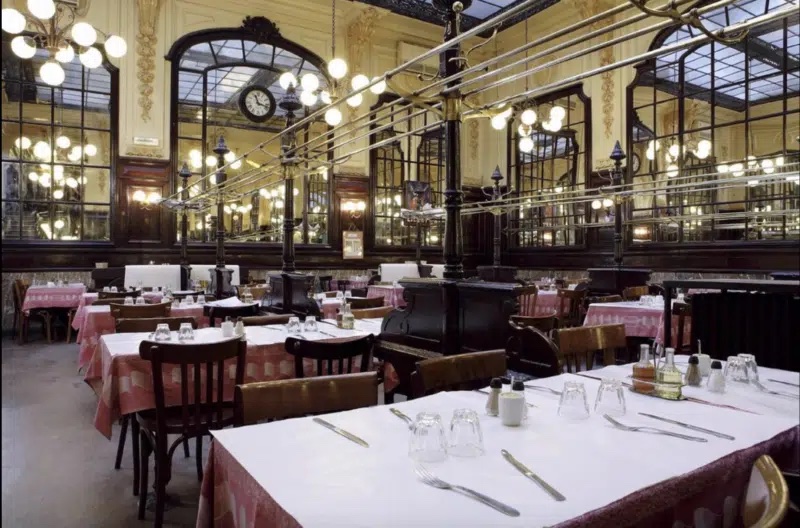
In the 9th arrondissement, Bouillon Chartier stands as one of Paris\u2019s most iconic dining institutions and a living monument to the social dining revolution that transformed French restaurant culture in the late 19th century. Founded in 1896 by brothers Frédéric and Camille Chartier in a building resembling a railway station concourse, this legendary establishment pioneered affordable, quality dining for Paris\u2019s working classes while creating architectural environments that achieved Belle Époque grandeur within democratic accessibility principles.
<\!-- /wp:paragraph --><\!-- wp:parameter -->
Classified as monument historique since 1989, the restaurant embodies the “bouillon” concept invented by ex-butcher Pierre-Louis Duval in the 1850s—simple, inexpensive, quickly-served meals made from meat and bouillon that could nourish Les Halles workers while maintaining culinary standards and social dignity appropriate to honest labor and community gathering.
<\!-- /wp:paragraph --><\!-- wp:heading {"level":3} -->
<\!-- /wp:heading --><\!-- wp:parameter -->
The restaurant\u2019s long Belle Époque dining room features high ceilings supported by large columns that enable mezzanine service while creating cathedral-like grandeur enhanced by mahogany tables and chairs, ornate mirrors, stained glass panels, mosaic-tiled floors, and elaborate frescoes. This comprehensive decorative program demonstrates how working-class dining could achieve aesthetic excellence without compromising affordability or accessibility.
<\!-- /wp:paragraph --><\!-- wp:parameter -->
The architectural approach reflects democratic ideals about beauty as public good rather than elite privilege, proving that magnificent dining environments could serve diverse social classes while maintaining both aesthetic distinction and practical functionality that honors labor and community gathering rather than excluding working people from cultural elegance.
<\!-- /wp:paragraph --><\!-- wp:heading {"level":3} -->
Traditional service and cultural preservation
<\!-- /wp:heading --><\!-- wp:parameter -->
The restaurant\u2019s maintenance of traditional service through waiters dressed in black rondin jackets and crisp white aprons who “waltz among tables” while writing bills on tablecloth corners preserves authentic Belle Époque dining culture that demonstrates respect for both culinary tradition and customer service excellence that distinguished French restaurant culture from purely commercial alternatives.
<\!-- /wp:paragraph --><\!-- wp:parameter -->
This commitment to traditional service methods shows how historic restaurants can maintain cultural authenticity while serving contemporary diverse clientele that includes both international tourists experiencing classic French cuisine and busy Parisians seeking authentic neighborhood dining within genuine historical environments.
<\!-- /wp:paragraph --><\!-- wp:heading {"level":3} -->
Democratic pricing and culinary accessibility
<\!-- /wp:heading --><\!-- wp:parameter -->
The restaurant\u2019s founding motto “A proper meal for a modest sum” continues through contemporary pricing—starters from €1, main courses from €7, desserts from €2—that enables “a proper meal in Paris for less than €20” regardless of economic circumstances, demonstrating sustained commitment to social accessibility and community service that transcends commercial profit maximization.
<\!-- /wp:paragraph --><\!-- wp:parameter -->
This pricing philosophy reflects broader French values about food as cultural right rather than luxury commodity, ensuring that culinary excellence and cultural dining experiences remain accessible to diverse economic backgrounds while maintaining quality standards and aesthetic environments that make dining culturally enriching rather than merely functional.
<\!-- /wp:paragraph --><\!-- wp:heading {"level":3} -->
Social integration and cultural continuity
<\!-- /wp:heading --><\!-- wp:parameter -->
The restaurant\u2019s current service to “all rungs of society” within expanded menu offerings including beef bourguignon, rum baba, and even spaghetti Bolognaise demonstrates successful adaptation to contemporary dining expectations while maintaining essential character as democratic institution that welcomes diverse clientele seeking authentic French dining within genuine historical environments.
<\!-- /wp:paragraph --><\!-- wp:parameter -->
For visitors to Paris interested in Belle Époque dining culture, social dining history, or authentic French restaurant heritage, Bouillon Chartier offers an exceptional encounter with how the Chartier brothers\u2019 democratic vision continues serving contemporary dining needs while preserving important connections to working-class cultural heritage and Belle Époque aesthetic achievement. The restaurant demonstrates that great dining institutions emerge when social commitment meets culinary excellence, creating environments that serve both immediate dining needs and broader cultural purposes while maintaining democratic accessibility and authentic atmosphere that honor both historical heritage and contemporary community service essential for understanding how French restaurant culture achieved both commercial success and cultural significance through sustained commitment to quality, beauty, and social inclusion.
<\!-- /wp:paragraph -->