
Castel Béranger
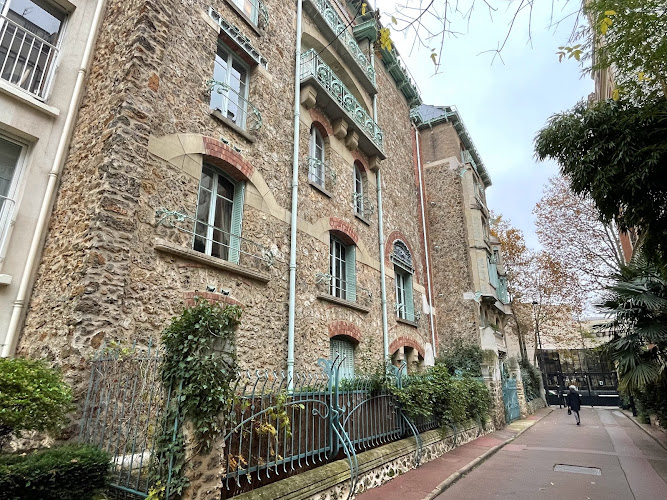
Castel Béranger is a Paris Edificio De Apartamentos landmark located in the 16 arrondissement. Table of ContentsGuimard’s Art Nouveau revolution where “Castel dérangé” became architectural triumphCast iron revolution and industrial material liberationMunicipal recognition and career foundationAsymmetrical innovation and organic design principlesContemporary preservation and architectural pilgrimageEssential informationArchitectural and cultural significanceRevolutionary architecture transforms industrial materials into residential […]
Castel Béranger is a Paris Edificio De Apartamentos landmark located in the 16 arrondissement.
Table des matières
- Guimard’s Art Nouveau revolution where “Castel dérangé” became architectural triumph
- Cast iron revolution and industrial material liberation
- Municipal recognition and career foundation
- Asymmetrical innovation and organic design principles
- Contemporary preservation and architectural pilgrimage
- Essential information
- Architectural and cultural significance
- Revolutionary architecture transforms industrial materials into residential poetry
- Nearby in 16
Guimard’s Art Nouveau revolution where “Castel dérangé” became architectural triumph
At 14 rue de la Fontaine in the 16th arrondissement, Castel Béranger stands as Hector Guimard’s 1895-1898 revolutionary masterpiece that introduced Art Nouveau to Parisian residential architecture through cast iron innovation that transformed utilitarian industrial materials into decorative residential elements, earning both the 1898 City of Paris prize for most beautiful facade and the derisive nickname “Castel dérangé” (crazy castle) from critics who failed to appreciate how revolutionary building materials could serve aesthetic excellence. This extraordinary apartment building demonstrates how exceptional architectural innovation can overcome initial resistance to establish entirely new aesthetic movements that influence international design development, proving that the finest architectural achievement often emerges through bold experimentation that challenges conventional building practices while serving practical residential requirements worthy of both municipal recognition and ongoing cultural heritage preservation.
Cast iron revolution and industrial material liberation
Municipal recognition and career foundation
Asymmetrical innovation and organic design principles
Contemporary preservation and architectural pilgrimage
Essential information
- Architect: Hector Guimard (career-defining achievement)
- Construction: 1895-1898
- Emplacement: 14 rue de la Fontaine, 16th arrondissement
- Historical significance: First Art Nouveau residence in Paris
- Municipal recognition: 1898 City of Paris most beautiful facade prize
- Derisive nickname: “Castel dérangé” (crazy castle)
- Historic protection: Monument historique (July 3, 1972)
- Current function: Private residential building
Architectural and cultural significance
- Material innovation: Cast iron liberated from industrial-only use
- Design elements: Asymmetrical facade, bean-shaped windows, colorful mosaics
- Decorative boldness: Devils and masks on balconies shocking neighbors
- Career foundation: Success leading to metro entrance commission
- International influence: Establishing Art Nouveau residential principles
Revolutionary architecture transforms industrial materials into residential poetry
Castel Béranger embodies the extraordinary moment when Hector Guimard’s Art Nouveau vision transformed industrial cast iron into residential architectural poetry, where revolutionary material application challenged conventional Parisian building practices to establish entirely new aesthetic possibilities that proved exceptional residential architecture can emerge through bold experimentation with construction materials previously considered unsuitable for luxury housing, creating apartment buildings that serve both immediate residential functionality and lasting architectural influence through design innovation that overcame initial resistance to achieve municipal recognition and international Art Nouveau movement leadership. This remarkable building demonstrates how exceptional architectural achievement emerges when innovative material use meets comprehensive aesthetic vision, creating residential environments that serve both practical apartment living and ongoing cultural education about revolutionary design approaches that established modern decorative arts principles worthy of heritage protection and continuing architectural pilgrimage. For Art Nouveau enthusiasts, residential architecture admirers, or anyone interested in how material innovation can generate lasting architectural influence, this rue de la Fontaine masterpiece offers an unparalleled encounter with revolutionary excellence, where cast iron devils and asymmetrical facades demonstrate the creative courage required to challenge established building conventions while creating residential architecture that maintains both functional efficiency and aesthetic innovation, proving that the finest residential buildings achieve immortality through ongoing architectural influence rather than mere historical preservation, creating spaces where revolutionary design principles continue inspiring contemporary architectural development through preserved examples of innovative construction approaches that transformed modern residential architecture through material liberation and aesthetic experimentation serving both practical housing requirements and cultural heritage creation worthy of ongoing protection and international appreciation.