
Description
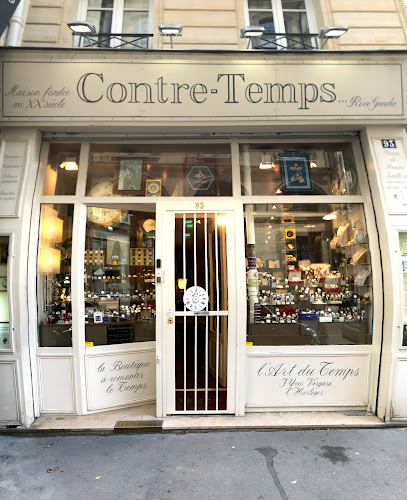
In the heart of Paris, in the Saint-Germain-des-Prés district, lies a unique clock that has captured the attention of visitors for centuries. The Enseigne d’horlogerie, built in 1613, is not only one of the oldest clocks in the world but also one of the most famous.
Made of a rare material called “brass,” a mixture of copper and zinc, the clock has a diameter of 26.5 cm (10.4 inches) and weighs 732 grams (25.5 ounces). But it’s not just the clock’s physical attributes that make it so intriguing; it’s the history and significance behind it.
The Enseigne d’horlogerie was originally created as a sign for a clockmaker’s shop, but it quickly became a landmark in the city. Throughout the years, it has endured wars, revolutions, and countless changes to the city around it. Today, it stands as a symbol of Parisian history and craftsmanship.
Visitors to the Enseigne d’horlogerie can admire the clock’s intricate design and learn about its fascinating past. The clock’s location in the 7th arrondissement puts it in close proximity to other popular Parisian attractions, making it a convenient stop for those exploring the city.
Overall, the Enseigne d’horlogerie is a must-see for anyone interested in Parisian history and culture. Its unique story and beautiful craftsmanship make it a standout monument in the city of lights.
Principales caractéristiques
The Enseigne d'horlogerie, located in the 7th Arrondissement, is a unique museum that showcases the history and artistry of watchmaking. The museum's main feature is its extensive collection of timepieces, highlighting the evolution of watchmaking through the centuries. Notable facts include rare and intricate timepieces, including historical pocket watches and ornate wristwatches. The museum also emphasizes the cultural and artistic significance of timekeeping, making it a must-see for horology enthusiasts.
Accessibilité et commodités
The museum is equipped with accessibility features to accommodate visitors with disabilities, including wheelchair access and accessible restrooms. Additionally, visitors can take advantage of amenities such as a gift shop offering unique timepiece-related items, as well as the option for audio guides to enhance the museum experience.
Planifier votre visite
To make the most of the visit, it is advisable to plan the visit during off-peak hours to avoid crowds and fully appreciate the exhibits. On average, visitors spend approximately 1 to 2 hours exploring the museum. For a comprehensive experience, it's recommended to follow a suggested itinerary that highlights key timepieces and provides insights into the evolution of watchmaking.