
Description
Collège Fortet, located in the 5th arrondissement of Paris, is a prestigious French private college catering to international students. The college offers a wide range of courses for undergraduate and postgraduate degrees, making it an excellent choice for those seeking a top-notch education in the heart of Paris. The campus of Collège Fortet is vast, covering over 100,000 square metres, and boasts a 2,000-seat auditorium, a library, a student services centre, a gymnasium, a swimming pool, and a variety of cultural activities, including art and music classes and a theatre. With over 1,000 students, Collège Fortet has a high academic reputation, with over 90% of its students passing the French Baccalaureate exam. This is a testament to the quality of education provided by the college, which is known for its rigorous curriculum and dedicated faculty. But Collège Fortet is more than just an academic institution. It is a vibrant community of students from all over the world, who come together to learn, grow, and experience the rich culture and history of Paris. Whether you are interested in the arts, sports, or simply exploring the city, Collège Fortet has something for everyone. So if you are looking for a world-class education in one of the most beautiful and exciting cities in the world, look no further than Collège Fortet. With its exceptional facilities, dedicated faculty, and diverse student body, it is truly a gem of Paris.
Key Features
- The Collège Fortet, located in the 5th arrondissement, is renowned for its impressive architectural design, featuring a beautiful blend of historical and modern elements.
- This monument holds a significant place in history, serving as a center for education and cultural exchange for centuries.
- Visitors can explore the rich history of the institution and its impact on the local community, making it a must-see for history enthusiasts.
Accessibility and Amenities
- The museum is equipped with accessibility features to ensure a comfortable experience for visitors with disabilities, including wheelchair access and accessible restrooms.
- Amenities include onsite dining options, gift shops offering unique souvenirs, and the provision of audio guides to enhance the visitor experience.
Planning Your Visit
- The best times to visit the Collège Fortet are during the early morning hours to avoid crowds and fully appreciate the exhibits and architecture.
- Visitors typically spend around 1-2 hours exploring the museum, and it's recommended to follow a suggested itinerary to cover the main highlights efficiently.
What Makes Collège Fortet Notable
Collège Fortet recalls the medieval University of Paris and the network of colleges that once shaped the Left Bank. Founded in 1394 by Pierre Fortet, a canon of Notre-Dame de Paris, it belongs to the long educational history of the Latin Quarter: an area where teaching, scholarship and religious institutions developed side by side.
This is best approached as a historical address rather than a large, self-contained visitor monument. Its interest lies in placing a small stretch of Rue Valette within a much larger story: medieval Paris was not confined to royal or ecclesiastical landmarks, but also organised around colleges that accommodated and supported university life. For travellers drawn to urban history, Collège Fortet provides a useful pause between the better-known landmarks of the 5th arrondissement.
Location and Neighbourhood Context
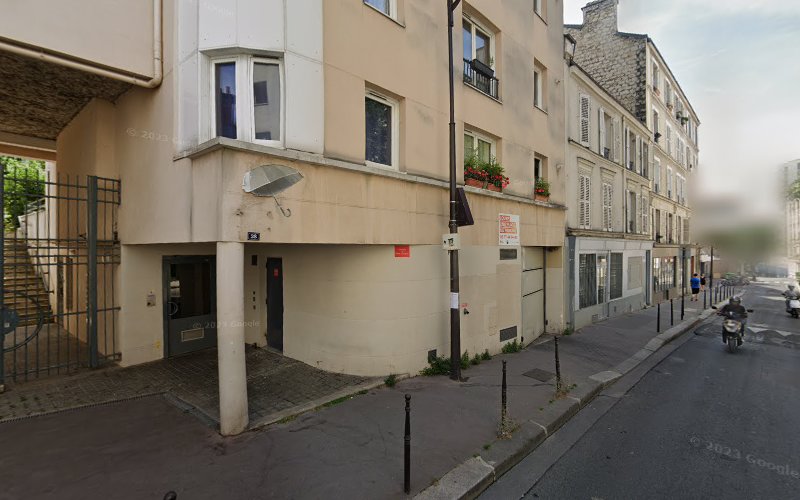
Collège Fortet is at 19–21 rue Valette in the 5th arrondissement, on the Left Bank. This is Latin Quarter territory: a compact, historic part of Paris where streets rise and fall around the Sainte-Geneviève hill and where walking is often the most rewarding way to understand the layout. Rue Valette sits within an old university quarter rather than on a broad ceremonial avenue, so allow time to look at the surrounding street pattern as well as the address itself.
The site fits naturally into a walk through the 5th arrondissement, combining literary, academic and religious Paris. The Panthéon area is nearby in neighbourhood terms, while the Seine and the central Left Bank are reached by continuing downhill through the quarter. Use it as one stop in a wider exploration rather than planning a dedicated visit around it alone; the value is in the connection between place, route and medieval institutional history.
Visitor Highlights
- A direct link to the medieval University of Paris through a college founded in 1394.
- A historically meaningful address in the 5th arrondissement’s long-established university quarter.
- A concise stop for visitors interested in medieval Paris beyond its major churches and monuments.
- An easy addition to a self-guided Latin Quarter walk, especially for readers of architectural and urban history.
- Most suitable for independent walkers who enjoy interpreting places through their historical context.
Practical Planning Tips
Visit in daylight, when reading house numbers, street details and the wider setting is simplest. Morning can be a calmer time for observing the neighbourhood before the day’s foot traffic builds, while late afternoon works well if Collège Fortet forms part of a longer Left Bank walk. Keep the stop flexible: this is an address with historical significance, not a place to rush through on a tightly timed itinerary.
There is no need to treat the site like a conventional ticketed attraction unless current official information indicates otherwise. Before setting out, check a reliable current map and any access notices relevant to the street or building. Pair the visit with nearby public spaces and landmarks rather than relying on interior access, and wear comfortable shoes for the uneven, sloping streets common in this part of the 5th arrondissement.
Frequently Asked Questions
What was Collège Fortet?
It was a medieval college of the University of Paris, founded in 1394 by Pierre Fortet, a canon of Notre-Dame de Paris.
Where is Collège Fortet?
The historic address is 19–21 rue Valette in Paris’s 5th arrondissement.
Is it worth adding to a Latin Quarter walk?
Yes, particularly for visitors interested in the medieval University of Paris and the history behind the quarter’s scholarly identity.