
Cinéma Ranelagh
Théâtre du Ranelagh is a Paris Salle De Spectacles landmark located in the 16 arrondissement. Table of ContentsCultural palace where Rameau’s music evolved into cinema’s cinematic templeRameau legacy and 18th-century musical patronageRenaissance Flemish decoration and architectural preservation“Les Enfants du Paradis” phenomenon and international cinema pilgrimageContemporary theatrical renaissance and cultural continuityEssential informationCultural and architectural significanceCultural evolution […]
Théâtre du Ranelagh is a Paris Salle De Spectacles landmark located in the 16 arrondissement.
Table des matières
- Cultural palace where Rameau’s music evolved into cinema’s cinematic temple
- Rameau legacy and 18th-century musical patronage
- Renaissance Flemish decoration and architectural preservation
- “Les Enfants du Paradis” phenomenon and international cinema pilgrimage
- Contemporary theatrical renaissance and cultural continuity
- Essential information
- Cultural and architectural significance
- Cultural evolution creates artistic sanctuary transcending performance categories
- Nearby in 16
Cultural palace where Rameau’s music evolved into cinema’s cinematic temple
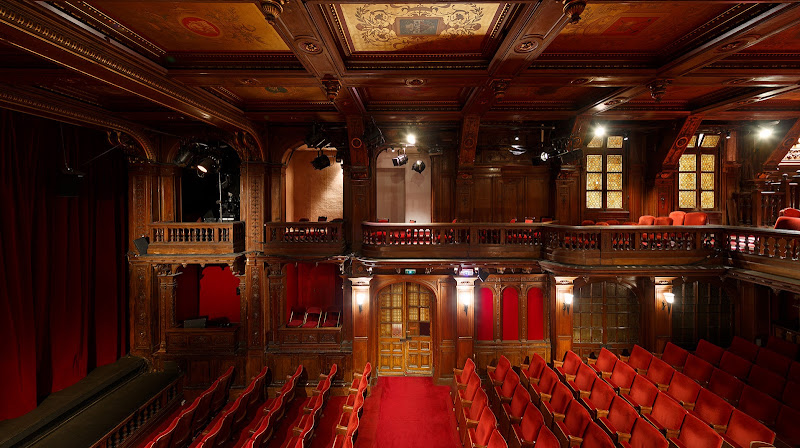
At 5 rue des Vignes in the 16th arrondissement, Cinéma Ranelagh stands as an extraordinary cultural evolution spanning three centuries, where the former Château de Boulainvilliers that hosted Jean-Philippe Rameau as orchestra director transformed into an 1894-1895 theater before becoming a 1932 cinema famous for its decades-long screening of “Les Enfants du Paradis” that attracted international pilgrimage to this Renaissance Flemish-style interior. This remarkable venue demonstrates how exceptional cultural spaces can adapt to serve evolving artistic needs while maintaining architectural heritage through adaptive programming that honors both historical cultural achievement and contemporary artistic expression, proving that the finest cultural institutions achieve immortality through ongoing artistic service rather than mere historical preservation of original architectural and cultural purpose.
Rameau legacy and 18th-century musical patronage
Renaissance Flemish decoration and architectural preservation
“Les Enfants du Paradis” phenomenon and international cinema pilgrimage
Contemporary theatrical renaissance and cultural continuity
Essential information
- Historical site: Former Château de Boulainvilliers
- 18th-century patron: Alexandre Joseph de La Pouplinière
- Musical director: Jean-Philippe Rameau
- Theater construction: 1894-1895
- Cinema conversion: 1932
- Emplacement: 5 rue des Vignes, 16th arrondissement
- Historic protection: Monument historique (1977)
- Current function: Théâtre Le Ranelagh (live performance venue)
Cultural and architectural significance
- Interior excellence: Renaissance Flemish carved woodwork, 21-coffered ceiling
- Cultural evolution: Music salon to theater to cinema to live performance
- International recognition: “Les Enfants du Paradis” global cinema pilgrimage
- Architectural preservation: Historic decorative elements maintained through adaptations
- Contemporary mission: Silent films to experimental shows programming diversity
Cultural evolution creates artistic sanctuary transcending performance categories
Cinéma Ranelagh embodies the extraordinary cultural evolution that proves exceptional artistic venues can transcend specific performance categories to serve ongoing cultural mission across centuries of artistic transformation, where Jean-Philippe Rameau’s 18th-century musical excellence provided cultural foundations that enabled subsequent theater, cinema, and contemporary performance programming within Renaissance Flemish interiors that continue enhancing rather than constraining diverse artistic presentation requiring both architectural distinction and programming flexibility. This remarkable venue demonstrates how cultural institutions achieve lasting significance through adaptive programming that honors both historical artistic heritage and contemporary creative expression, creating performance spaces that serve both immediate artistic presentation and long-term cultural preservation through venues that prove exceptional architecture can accommodate evolving artistic needs while maintaining essential cultural character. For cinema heritage enthusiasts, theater history admirers, or anyone interested in how cultural venues can achieve lasting artistic relevance through programming evolution, this 16th arrondissement treasure offers an unparalleled encounter with cultural adaptation excellence, where carved oak decorations and coffered ceilings provide settings for artistic presentation that demonstrates how exceptional cultural architecture transcends original performance purpose to serve ongoing artistic mission through venues that maintain both historical heritage and contemporary cultural programming capabilities, proving that the finest cultural institutions achieve immortality through ongoing artistic service rather than mere historical preservation, creating spaces where diverse performance traditions continue inspiring cultural appreciation and artistic innovation within architectural contexts that honor both venue heritage and evolving artistic expression serving both specialized cultural audiences and general public cultural education.