
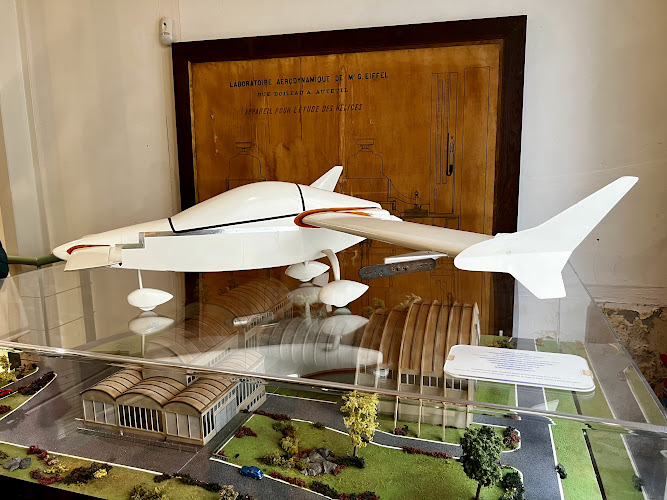
Laboratoire Aerodynamique Eiffel
Aerodynamique Eiffel is a Paris Laboratoire landmark located in the 16 arrondissement. Eiffel’s aerodynamic laboratory where aviation science achieved foundational breakthroughs In the 16th arrondissement at Auteuil, the Laboratoire Aérodynamique Eiffel stands as Gustave Eiffel’s 1912 scientific legacy, where the tower architect’s second-generation wind tunnel facility established the world’s first systematic aeronautical testing laboratory that […]
Aerodynamique Eiffel is a Paris Laboratoire landmark located in the 16 arrondissement.
Eiffel’s aerodynamic laboratory where aviation science achieved foundational breakthroughs
In the 16th arrondissement at Auteuil, the Laboratoire Aérodynamique Eiffel stands as Gustave Eiffel’s 1912 scientific legacy, where the tower architect’s second-generation wind tunnel facility established the world’s first systematic aeronautical testing laboratory that continues operating after 110 years of continuous research service. Built with a two-meter diameter wind tunnel alongside a smaller one-meter facility, this extraordinary laboratory demonstrates how architectural engineering genius can transcend monumental construction to serve ongoing scientific advancement through research infrastructure that enabled aviation industry development while maintaining active research mission serving contemporary aerodynamics, automotive, and construction testing requirements that prove exceptional scientific institutions achieve immortality through continuous research excellence rather than historical preservation alone.
From Eiffel Tower experimentation to dedicated research facility
Wood and canvas construction with industrial-scale ventilation
Aviation industry foundation and scientific legacy
Historic Monument status and contemporary research relevance
Essential information
- Founder: Gustave Eiffel (tower architect and engineer)
- Establishment: 1912 (relocated from tour Eiffel base)
- Emplacement: Auteuil, 16th arrondissement
- Current facility: Two-meter diameter wind tunnel (operational)
- Construction: Wood and canvas with 7-ton, 4-meter ventilator
- Industry management: GIFAS oversight since 1929
- Historic status: Monument historique
- Research scope: Aeronautics, automotive, construction testing
Scientific and technological significance
- Aviation foundation: World’s first systematic aeronautical testing facility
- Research continuity: 110+ years of continuous operation
- Industry service: Early aviation pioneers through contemporary testing
- Scientific legacy: Established experimental aerodynamics methodology
- Heritage integration: Active research within protected historical facility
Engineering genius creates aviation industry scientific foundation
Laboratoire Aérodynamique Eiffel embodies the extraordinary transformation of architectural engineering expertise into pioneering scientific research infrastructure, where Gustave Eiffel’s tower construction experience generated experimental methodology that established aviation science through systematic wind tunnel testing that enabled early aviation pioneers to validate aircraft design through controlled experimentation rather than dangerous trial-and-error flight testing, proving that exceptional engineering achievement can transcend original construction projects to serve broader technological advancement through research facilities that continue operating for over a century. This remarkable laboratory demonstrates how individual technical genius can create lasting scientific institutions that serve ongoing industrial development while maintaining both historical research methodology and contemporary technological relevance through experimental capability that honors both original scientific vision and evolving research requirements serving diverse technological sectors requiring reliable aerodynamic validation. For aviation history enthusiasts, engineering research admirers, or anyone interested in how architectural expertise can generate scientific advancement, this historic Auteuil facility offers an unparalleled encounter with research excellence, where wood-and-canvas construction and seven-ton ventilator systems demonstrate the innovative solutions required to create experimental infrastructure that enabled modern aviation industry development through scientific methodology that proved theoretical engineering calculations through practical testing, creating research foundations that continue serving contemporary aerospace, automotive, and construction industries requiring wind tunnel validation within facilities that prove exceptional scientific infrastructure achieves immortality through ongoing research service rather than mere historical preservation of original experimental capability.