
Planning a trip to Paris and wondering if you need to carry euros? You don’t have to bring cash to Paris, but having 60-100 euros on hand makes life easier for small purchases and those random moments when cards just won’t cut it. The city’s changed a ton lately—contactless payments are everywhere, and Parisians mostly tap and go.
I’ve seen Paris go from cash-heavy to nearly cashless, especially after Covid nudged even tiny cafés to start taking cards. Your Visa or Mastercard will cover almost everything—taxis, restaurants, museums, you name it.
But here’s where folks get tripped up: some bakeries and little shops have card minimums, usually 5-10 euros. So if you just want a morning croissant, you might need cash unless you’re planning on buying breakfast for the whole street.
Markets are the real cash zone. If you’re wandering through a food market for fresh fruit or veggies, most vendors only take cash. Same deal at flea markets and antique stalls.
You’ll also want a few coins for pay toilets, and honestly, sometimes card readers just stop working for no good reason. Getting cash is easy once you’re there—ATMs are all over and give you better exchange rates than any échange de devises place. Whether you’re booking hotels in Paris or just figuring out your day, knowing how payment works will spare you some headaches.
Points clés à retenir
- Credit cards work almost everywhere in Paris, but carry 60-100 euros in cash for small purchases and market visits
- Get cash from bank ATMs after you arrive instead of exchanging money before your trip for better rates
- Some bakeries and cafés have card minimums of 5-15 euros, so cash helps for quick coffee stops and single pastries
Table des matières
- Is Cash Still Necessary in Paris?
- Current Trends in Payment Methods
- Comparison of Cash and Card Usage
- Cashless Experiences in Daily Life
- When and Where You Need Cash
- Small Purchases and Store Minimums
- Markets, Bazaars, and Street Vendors
- Taxis and Public Transportation
- Cafés, Bakeries, and Local Shops
- Best Ways to Get Cash in Paris
- Withdrawing from ATMs
- Using Currency Exchange Offices
- Tips on Avoiding High Fees
- Currency, Fees, and Exchange Rates
- Official Currency and Denominations
- Foreign Transaction Fees Explained
- Managing Currency Exchange Fees
- Using Bank Cards and Mobile Payments
- Acceptance of Credit and Debit Cards
- Contactless and Mobile Payment Options
- Card Security and International Use
- How Much Cash to Bring for Your Trip
- Budgeting Tips for Travelers
- Recommended Cash Amounts
- Safety When Carrying Cash
- Legal Limits and Customs Declarations
- Declaring Large Sums at Customs
- Traveling with More Than €10,000
- Rules for Different Nationalities
- Questions fréquemment posées
- What are the most accepted forms of payment in Parisian establishments?
- Should international travelers carry euros when visiting Paris?
- What is the best way to manage your spending for a week-long vacation in Paris?
- Are there any difficulties when using foreign credit cards for transactions in Paris?
- How much spending money would be advisable for a tourist to have in Paris per day?
- Can transactions in Paris be conveniently handled without cash?
- Find Things to Do in Paris
- Find Accommodation
Is Cash Still Necessary in Paris?

Paris leans hard into card payments these days, but some situations still call for a bit of cash. Most businesses love cards, though small vendors and market stalls often stick with cash only.
Current Trends in Payment Methods
Card payments run the show now. Since the pandemic, contactless has become the go-to for almost everything. You’ll see cashiers grab for the card reader before you even reach for your wallet.
Visa and Mastercard are accepted everywhere. American Express works at big hotels and tourist spots, but smaller cafés and shops usually don’t bother with it. Apple Pay and Google Pay are just as smooth as physical cards—contactless has been the Parisian standard for ages.
Even tiny bakeries that once insisted on cash now have card readers. But here’s the annoying part: some places set minimums for credit cards. You’ll spot signs like “CB à partir de 10 euros” near the register, meaning you can’t use your card unless you spend at least 10 euros.
Comparison of Cash and Card Usage
Your card will cover most expenses. Restaurants, museums, shops, taxis—they all accept cards as the default. Parisian taxis have to offer card payment by law, and drivers can’t say no.
Cash matters most at food markets. Vendors selling produce, cheese, and fresh stuff usually only want euros. Flea markets? Same deal—bring bills and coins if you want to haggle for vintage finds.
Those tiny purchases cause the most friction. A single croissant costs maybe 1.50 euros, and paying by card can feel silly, even if it’s allowed. A lot of Parisians don’t carry cash anymore and swipe for everything, but having 5 or 10 euros spares you the hassle for quick bites.
Cashless Experiences in Daily Life

You could honestly spend days in Paris without touching cash. Metro tickets, visites, coffee at chain cafés, museum entries, restaurant meals—cards work everywhere.
Your card never leaves your hand, either. Servers bring the payment terminal right to your table, so you’re not left wondering where your card went (unlike in some countries).
But sometimes cash is still king. Public toilets in malls might need coins. Street vendors selling crêpes or roasted chestnuts want cash. That 5-euro minimum at the bakery might force you into buying extra pastries (not the worst problem, honestly).
If you’ve got Apple Pay or Google Pay set up on your phone, you’ll breeze through most transactions like a local.
When and Where You Need Cash
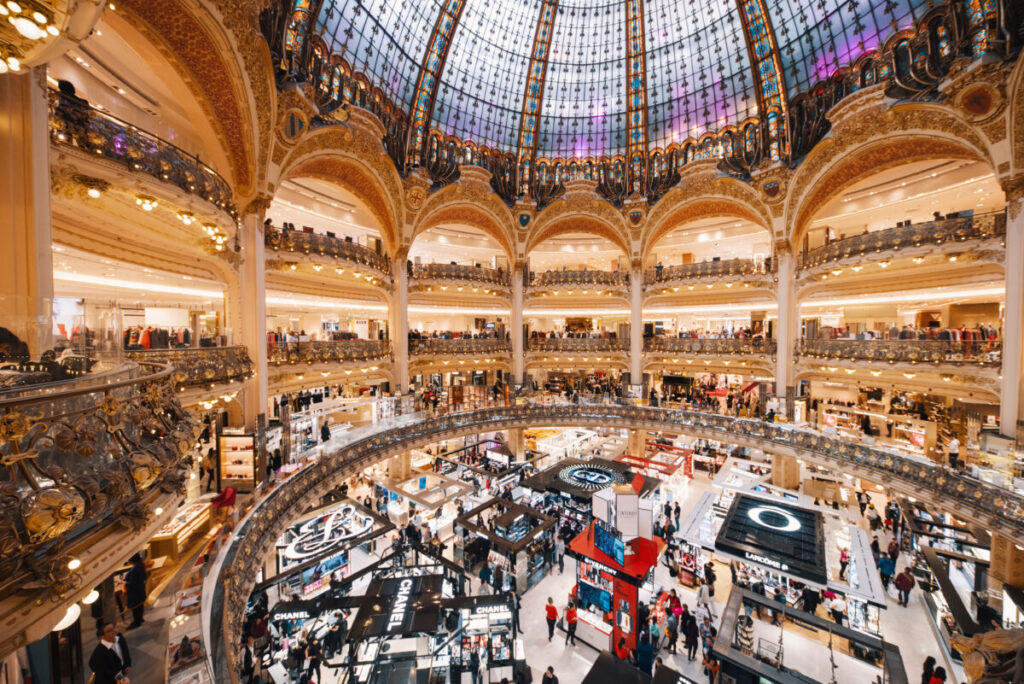
Paris is all about cards now, but certain moments still call for euros. You’ll mostly need cash for small purchases that don’t hit card minimums and when you’re shopping at traditional markets.
Small Purchases and Store Minimums
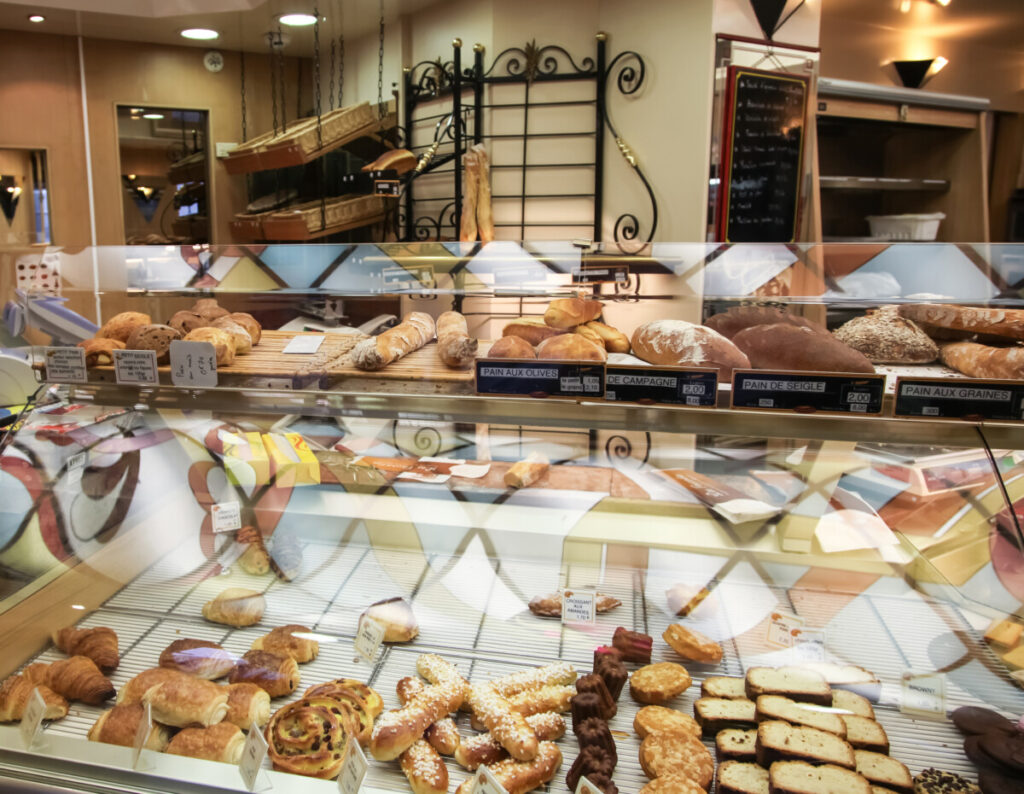
Plenty of shops, bakeries, and cafés have minimums for card payments—usually 5 to 15 euros. You’ll see signs like “CB à partir de 10 euros” (cards accepted starting at 10 euros). “CB” just means bank card in French.
So, for daily spending, here’s where cash comes in handy:
- A single croissant at the bakery (usually under 2 euros)
- An espresso at a café (around 2-3 euros)
- A baguette (less than 2 euros)
- Small items at a convenience store
Store owners can legally set these minimums and refuse your card if you don’t meet them. I’ve seen tourists panic when their pain au chocolat doesn’t hit the 10 euro minimum. Keeping 20-30 euros in your wallet spares you those awkward counter moments.
Markets, Bazaars, and Street Vendors
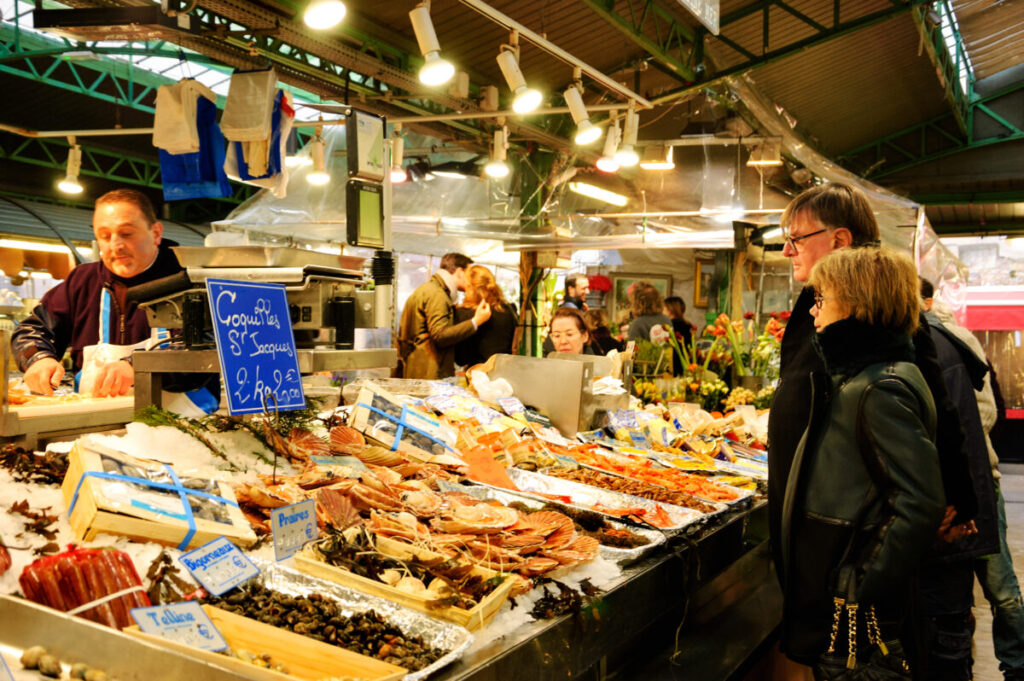
This is where cash is non-negotiable. Food markets are still cash-first.
Most produce vendors only accept cash. Cheese sellers, butchers, and fishmongers might have card readers, but don’t count on it.
Flea markets like Marché aux Puces work almost entirely in cash. Street food vendors and antique dealers rarely bother with card machines.
If you’re heading to a market for fresh produce or flowers, bring at least 30-50 euros in cash. You’ll thank yourself when you’re not sprinting to an ATM while your favorite vendor waits.
Taxis and Public Transportation

The good news? All Paris taxis must have working card readers by law. Drivers can’t refuse card payments, no matter the fare.
But sometimes, card readers just don’t work. If that happens, the driver will usually take you to an ATM so you can get cash. Annoying, but it happens.
For public transit, you can buy metro and bus tickets with cards at most stations. The machines accept chip cards and contactless payments.
I always ask taxi drivers before getting in if they’re taking cards. It’s a simple question and saves you from headaches—or those stories about “broken” machines.
Cafés, Bakeries, and Local Shops

Most Parisians swipe for a single baguette and nobody cares. Cashiers are used to it.
Still, some neighborhood spots prefer cash for small stuff. You might get a little side-eye if you pull out a card for a 1.50 euro coffee.
Family-run bakeries and small shops often like cash because it saves them on card processing fees. Those fees eat into already slim profits on things like bread and pastries.
When cash just makes sense:
- Buying one item at the bakery
- Quick coffee at a neighborhood café
- Small groceries at corner stores
- Tips for great service (not expected, but always appreciated)
Having 10-20 euros in small bills and coins means you can pop into any shop without stressing about minimums or awkward card moments.
Voir connexe : Things First-Time Visitors Always Get Wrong in Paris
Best Ways to Get Cash in Paris

Getting euros in Paris is pretty straightforward. ATMs give you the best exchange rates. Currency exchange offices? Use them only if you’re desperate—they’ll cost you.
Withdrawing from ATMs
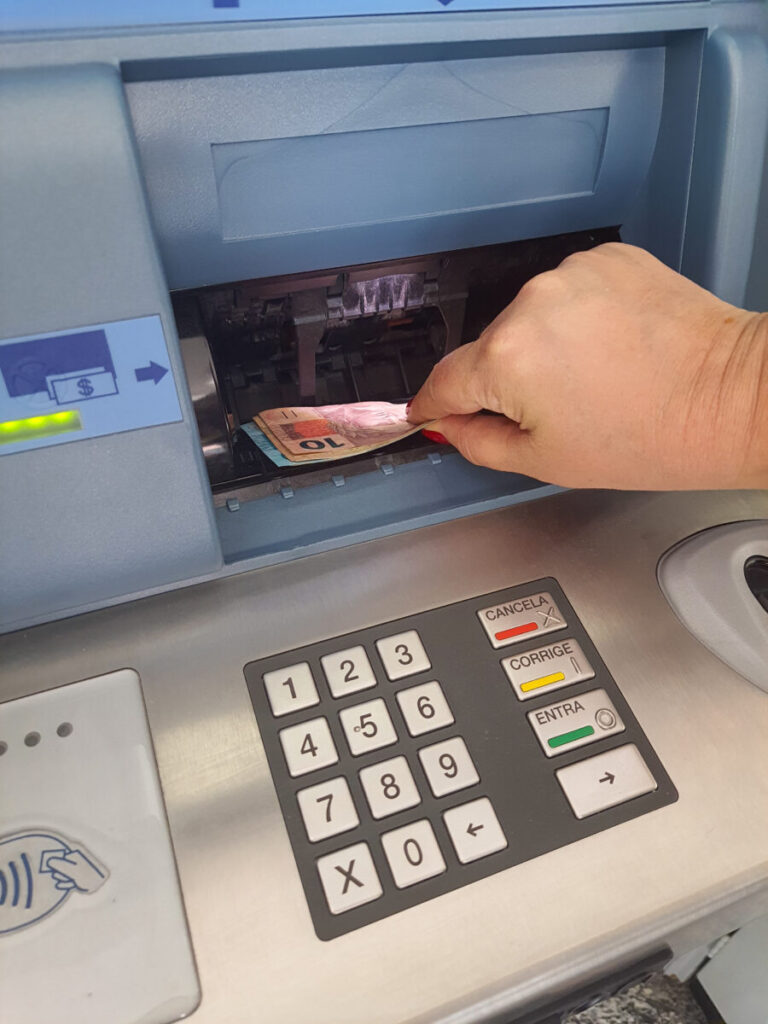
ATMs are the best way to get cash in Paris. They’re everywhere—outside banks, in metro stations, shopping centers, you name it.
The exchange rate from ATMs usually beats any other option. Banks are all over the city, and their ATMs are often accessible even when the branch is closed. Sometimes you enter the bank’s foyer to use the machine after hours.
Before you go, make sure you know your 4-digit PIN—French ATMs won’t work without it. Also, let your bank know you’ll be in France, or they might block your card for “suspicious” activity.
Your debit card might charge foreign transaction and withdrawal fees, so check with your bank. Some banks refund these fees, which is a nice perk if you’re taking out cash more than once.
Using Currency Exchange Offices

Currency exchange offices are the worst for rates in Paris. Really, avoid exchanging your home currency for euros there unless you’re out of options.
These places cluster around touristy spots like the Champs-Élysées and train stations. They’re convenient, but you’ll pay for it.
Rates are marked up, and sometimes they tack on extra fees. If you must use one, check a few shops before you exchange—rates can vary more than you’d expect.
Tips on Avoiding High Fees
Currency exchange fees add up quickly if you’re not careful. The smartest move? Get a debit card with no foreign transaction fees before your trip.
When you take out cash, withdraw larger amounts less often. Each transaction usually has a fee, so you’ll save by making fewer trips to the ATM. I’d go for 60-80 euros at a time for a week-long stay.
Avoid withdrawing multiples of 50 euros—machines sometimes spit out only 50-euro bills, which can be tricky to break at small shops. Try 60 or 80 euros instead for smaller notes.
And when you pay by card anywhere in Paris, always choose to pay in euros—not your home currency. That “dynamic currency conversion” option gives you a worse rate than your bank.
Currency, Fees, and Exchange Rates
Paris runs on euros, and knowing how fees work when you exchange money or use your cards can save you a surprising amount during your trip. The difference between a good exchange rate and a bad one might mean an extra museum visit or a nice dinner.
Official Currency and Denominations
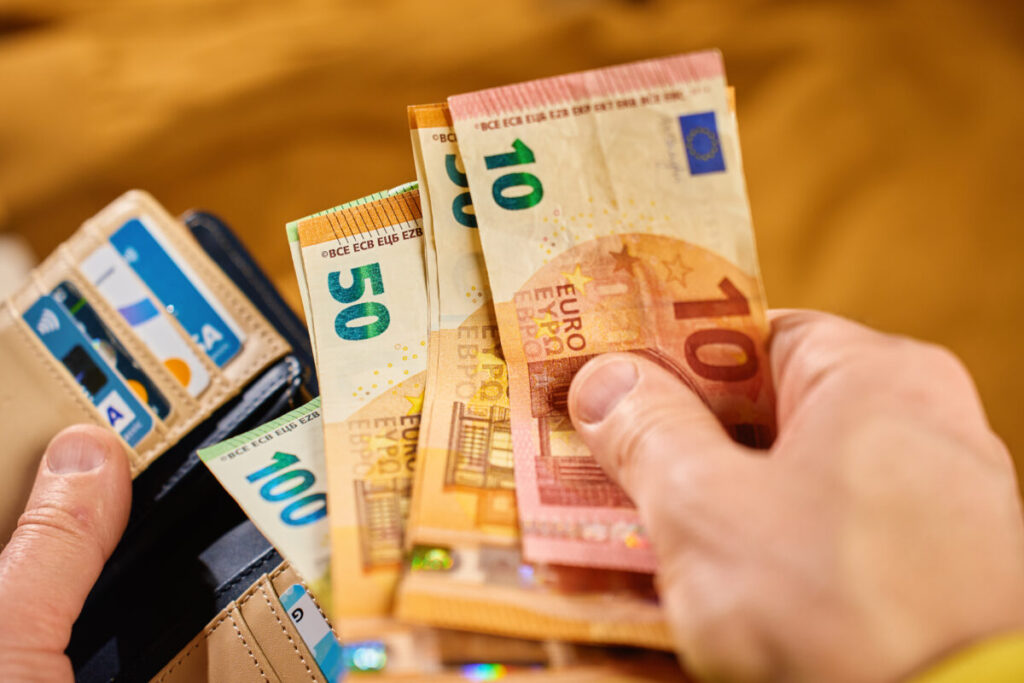
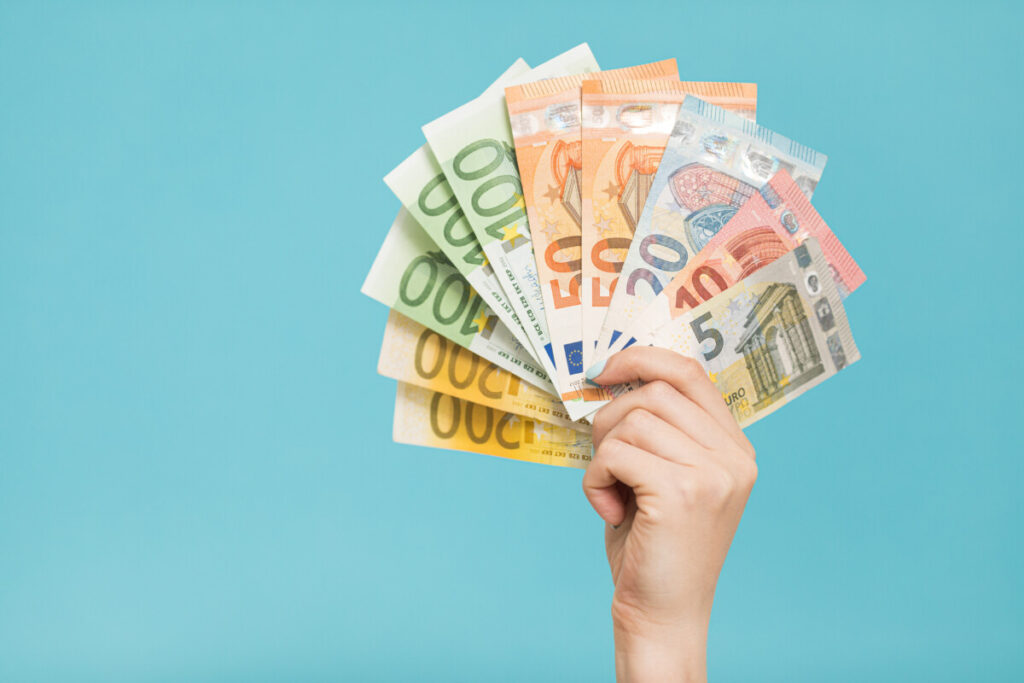
Le euro (€) is the only currency you’ll actually use in Paris. France switched to it back in 2002, and it’s the standard for most of the European Union now.
Euro bills come in seven denominations: €5, €10, €20, €50, €100, €200, and €500. You’ll run into the smaller bills most often. Honestly, the €500 note is barely in circulation these days, and even €100 or €200 bills usually get turned down at shops since nobody ever has enough change.
Coins come in eight flavors: 1 cent, 2 cents, 5 cents, 10 cents, 20 cents, 50 cents, €1, and €2. The tiny cent coins help with exact change at bakeries and cafés, but, let’s be real, most prices get rounded up so you don’t have to mess with 1 and 2 cent pieces.
Here’s something I’ve run into—Parisians get a bit irritated if you try to pay for a €2 coffee with a €50 bill. If they don’t have change, they can just say no. It’s not illegal, so keep some smaller bills handy.
Foreign Transaction Fees Explained
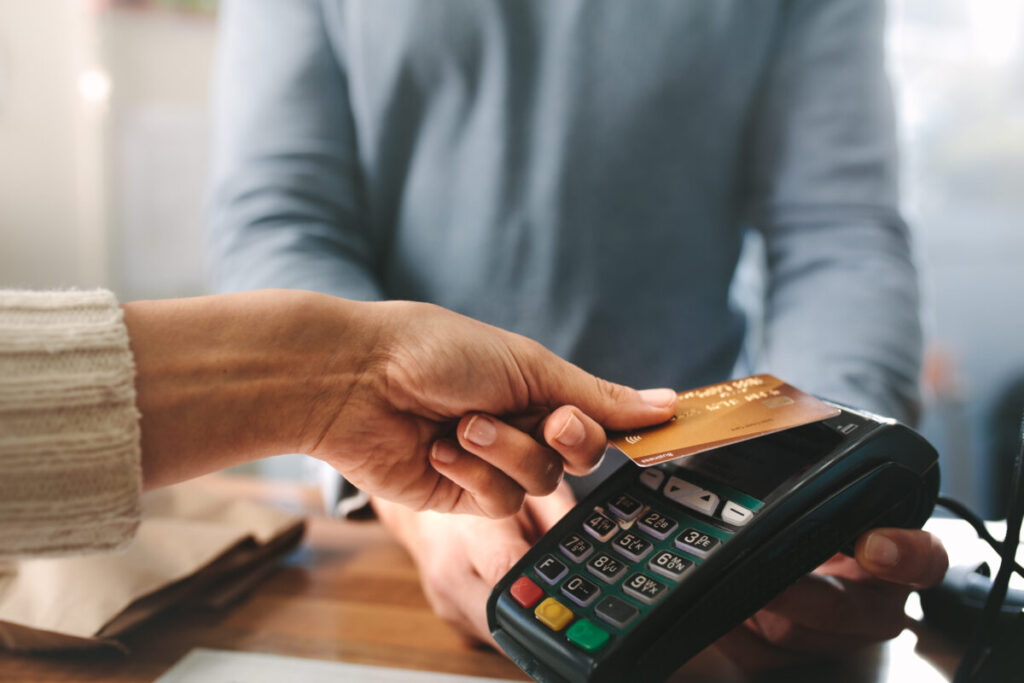
Foreign transaction fees are those sneaky charges your bank tacks on when you buy something in a currency that’s not your own. Most U.S. credit cards hit you with 1% to 3% per transaction, and that adds up way faster than you’d think.
Say you spend $1,000 on your Paris trip. A 3% fee means you’re tossing away an extra $30 just for using your card abroad. That’s money better spent on another glass of wine, right?
Understanding foreign transaction fees before you travel is key. Check your credit and debit cards to see what they’ll charge. Some travel cards like Chase Sapphire or Capital One skip these fees altogether.
Your debit card might ding you for ATM withdrawals in Paris. Some banks charge a flat fee—like $5 per withdrawal—plus a percentage.
But a few, like Charles Schwab, refund all ATM fees worldwide. That’s a lifesaver if you’re hopping around Europe.
Managing Currency Exchange Fees
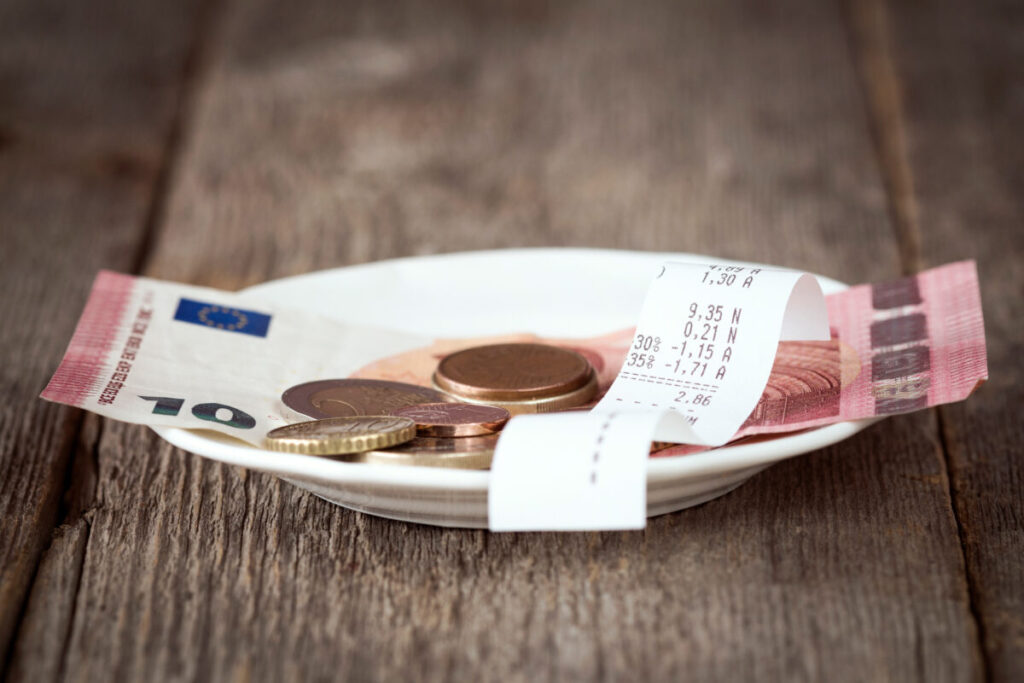
Honestly, the worst way to get euros is at currency exchange offices in Paris. They’ll slap you with a 5% spread between buy and sell rates and then add commission fees. You’re basically paying twice just to get your own money.
ATMs at real banks give you the best deal—the actual market rate. Look for machines attached to banks like BNP Paribas, Société Générale, or Crédit Agricole. Avoid those sketchy standalone ATMs in touristy areas whenever you can.
When you use an ATM or pay with your card, you’ll probably see an option to pay in your own currency instead of euros. Always pick euros.
This is called dynamic currency conversion, and it’s just a sneaky way to tack on another 3-5%. The machine or terminal will always use a worse exchange rate than your bank.
One thing I do: withdraw a bigger amount at once to cut down on ATM fees. Instead of grabbing €20 here and there, just take out €60 at once. Just don’t wander around with too much cash in your pocket.
Using Bank Cards and Mobile Payments

Card payments rule Paris these days. Visa and Mastercard work almost everywhere—from metro stations to corner bakeries. Contactless has been the norm for years, so tapping to pay feels almost expected now.
Acceptance of Credit and Debit Cards
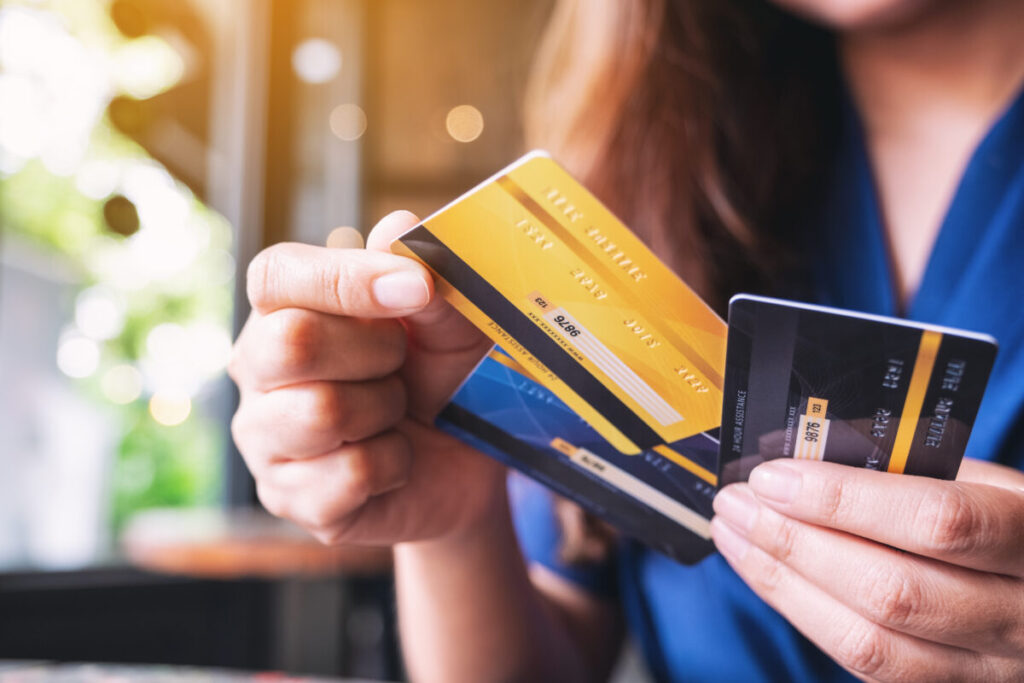
You’ll notice credit cards are accepted just about everywhere in Paris, especially Visa and Mastercard. These two cover you at restaurants, shops, museums, and even most taxis. American Express? It’s fine at big hotels and touristy places, but forget about it at your local café.
Something that surprises visitors: a lot of small places have minimum purchase requirements for cards. You might see a sign saying “CB à partir de 10 euros” (card payments from 10 euros). Totally normal here. I’ve seen minimums as low as 5 euros and as high as 15.
Biggest thing to double-check before your trip? Foreign transaction fees on your cards. These add up quickly when you’re buying metro tickets, meals, and souvenirs.
A lot of US banks charge 3% per swipe, which stings. Debit cards work fine for most things too, as long as they’ve got a Visa or Mastercard logo.
Contactless and Mobile Payment Options

Paris jumped on contactless payments way before a lot of other cities. The French call it “sans contact,” and it’s basically how everyone pays now. Most terminals expect you to tap instead of inserting your card.
Apple Pay and Google Pay work nearly everywhere cards are accepted. Cashiers don’t even blink when you wave your phone.
I use Apple Pay for everything—coffee, groceries, whatever. Honestly, it’s more common here than in some US cities.
One little quirk: French cards use PINs, not signatures. If you’re American, your card might still want a signature, which can confuse cashiers.
Sometimes they don’t even have a pen handy because nobody signs. Just explain politely, and they’ll sort it out.
Card Security and International Use
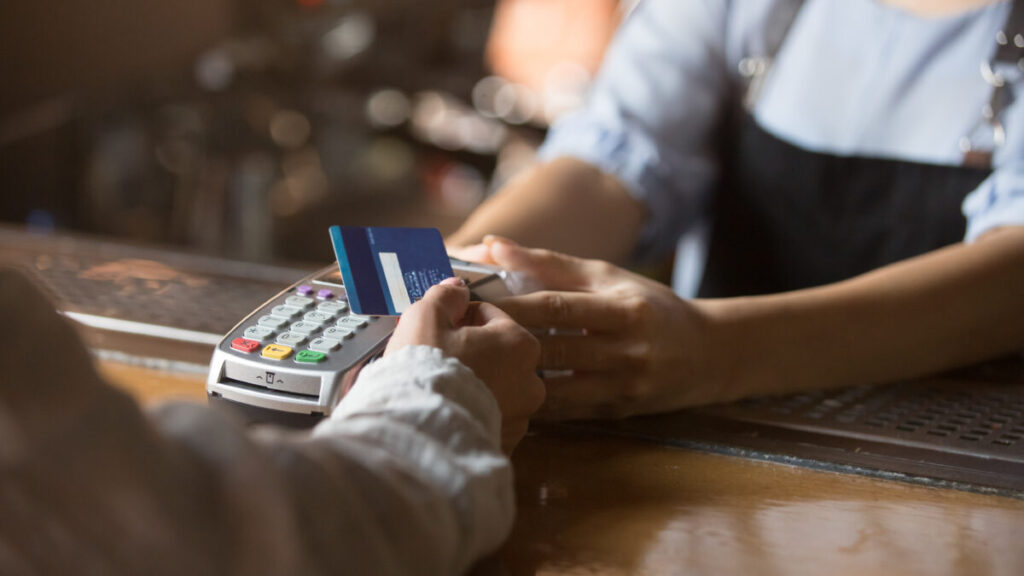
In Paris restaurants, your card never leaves your sight. Servers bring the reader to your table, or ask you to walk up to the register. This is the norm and honestly, it’s safer than handing your card over and hoping for the best.
Always pick euros when you’re given the option at checkout. Some terminals offer to charge you in US dollars—that’s dynamic currency conversion, and it’s a rip-off. Euros every single time.
Before you head out, let your bank know your travel dates. Some banks still flag international charges and might freeze your account. And bring at least two different cards—ideally a credit and a debit from different banks—just in case one gets declined or lost.
Voir connexe : How to Get Around Paris: Effortless Navigation Tips
How Much Cash to Bring for Your Trip

Most travelers find 60-80 euros in cash is plenty for a week in Paris, but it really depends on your spending habits. You’ll want enough for small buys and emergencies, but there’s no need to haul around a wad of bills.
Budgeting Tips for Travelers

Think about what you’ve already paid before you even land. If your hotel’s sorted and you’ll use cards for restaurants, your cash needs drop fast.
I always recommend carrying small bills instead of big ones. Breaking a 50-euro note at a tiny café is awkward, and shopkeepers can legally refuse large bills if they can’t make change. Stick to 5s, 10s, and 20s if you can.
Picture your daily routine. Grabbing a morning croissant? That’s maybe 1.50 euros. Espresso at a café? 2 or 3 euros. A lot of small shops have card minimums of 5 to 15 euros, so cash is handy for those little purchases.
Markets are another thing. If you want to shop at food markets or flea markets, vendors usually want cash. Budget for that if it’s on your list.
Recommended Cash Amounts
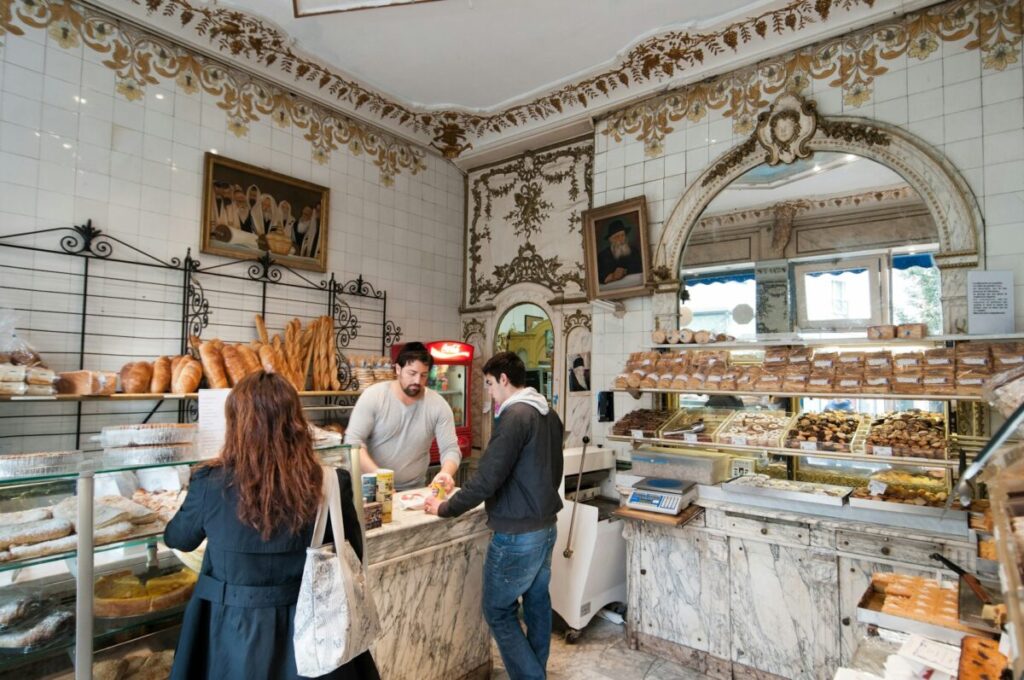
For a week in Paris, I’d feel fine with 60-80 euros in my pocket. That’s enough for small stuff without locking up too much money in cash.
Shorter trip? Figure on 20-30 euros per day. For a 3-day weekend, around 60-90 euros total. A 10-day trip, maybe 100-120 euros if you’re mostly using cards.
Some folks like to have a 200-500 euro emergency stash for surprises. Personally, that seems like overkill—ATMs are everywhere. Just take out more if you need it.
Here’s a rough breakdown:
- Daily bakery visit: 2-5 euros
- Market shopping: 10-20 euros
- Public toilet (rare): 0.50-1 euro
- Small café purchases: 3-8 euros
Don’t pull out huge amounts at once. It’s smarter to grab smaller sums as you go.
Safety When Carrying Cash

Paris is usually pretty safe, but pickpockets do hang around touristy spots and the metro. Split your cash up—a bit in your wallet, some in a front pocket, maybe a little in your bag.
Don’t flash big bills in public. When you’re paying at a market or shop, keep your wallet close and stay aware. The busiest tourist zones like the Eiffel Tower and Sacré-Coeur do attract thieves.
I keep about 20-30 euros in my main wallet for daily stuff and stash the rest somewhere else. If something goes wrong, at least I don’t lose everything. Money belts aren’t stylish, but hey, they work for some people.
Stick with ATMs attached to real banks, not random machines in sketchy spots. Use them during the day if you can, and always shield the keypad when you enter your PIN.
Legal Limits and Customs Declarations

If you’re bringing euros or cash into Paris, French customs has some rules about how much you can carry without paperwork. Traveling with €10,000 or more? You’ll need to make an official declaration.
Declaring Large Sums at Customs

The declaration isn’t as scary as it sounds. You can declare your cash online through the Dalia customs service up to 30 days before you even get to the airport. Not too bad, right?
Watch out though—the €10,000 limit isn’t just about paper money. It includes gold, casino chips, prepaid cards, traveler’s checks, and money orders too. I’ve seen people get tripped up at Paris-Charles de Gaulle Airport because they thought only cash counted.
If you skip the declaration and customs catches you with more than the limit, you could face penalties or even have your funds confiscated. Definitely not the Paris memory you want.
Traveling with More Than €10,000

You can bring any amount of cash to France—there’s no official limit on how much you can carry. The catch? If you’re traveling with €10,000 or more, you have to declare it.
This rule kicks in whether you’re coming into or leaving the country, and it’s especially relevant for trips between France and non-EU countries. The customs folks at Paris airports actually care about this, so it’s not something you want to ignore or hope nobody notices.
Rules for Different Nationalities

Everyone faces the same €10,000 declaration rule—doesn’t matter where you’re from. Americans, Canadians, Australians, or anyone else, you’re all playing by the same book.
There are some differences for travel within the EU versus outside it, but for cash declarations, €10,000 is the magic number no matter your passport. French customs won’t bend the rules on currency just because of your nationality.
Voir connexe : The Most Instagrammable Streets in Paris: Hidden Photo Ops You Won’t Find in Guidebooks
Questions fréquemment posées
Payment methods in Paris can catch visitors off guard, and figuring out what works best can honestly save you a lot of stress.
What are the most accepted forms of payment in Parisian establishments?
Visa and Mastercard are everywhere in Paris. Whether you’re grabbing a baguette at a tiny bakery or splurging at a big department store, those cards are your safest bet.
Contactless payments have been the norm here for ages. Apple Pay and Google Pay work at most shops and restaurants, so you’ll probably find it easier than expected.
American Express is hit or miss. You might get lucky at large hotels or tourist hotspots, but don’t rely on it. Discover cards are almost never accepted in France.
Should international travelers carry euros when visiting Paris?
You don’t need to land in Paris with a stack of euros. The old habit of ordering foreign currency or buying traveler’s checks feels pretty outdated these days.
If you have a couple of credit or debit cards, you’ll be just fine. Bring a backup card, though—cards can get lost, blocked, or just refuse to work sometimes.
Honestly, the best exchange rate you’ll get is by withdrawing cash from an ATM once you arrive. Money exchange shops? Their rates are usually terrible—skip them if you can.
What is the best way to manage your spending for a week-long vacation in Paris?
For a week in Paris, pulling out 60-80 euros from an ATM gives you a solid cash cushion. Personally, I’d grab 60 or 70 euros to avoid only getting big 50-euro bills, which are awkward for small purchases.
Pay with your card whenever you can and save your cash for emergencies or tiny purchases. Some bakeries and cafés have a card minimum, usually 5-15 euros, so cash comes in handy.
Markets are a different story. Produce vendors at food markets usually want cash, while cheese or meat stalls might have a card reader if you’re lucky.
If you get stuck with big bills, break them early. Buy a coffee or pastry at a café to get change—you’ll want smaller coins for things like pay toilets in malls or train stations.
Are there any difficulties when using foreign credit cards for transactions in Paris?
Foreign transaction fees are the main headache. They add up fast, so check your card’s terms before your trip.
French cards use PINs, not signatures. Cashiers might not realize you need to sign, especially outside touristy spots, and they rarely have a pen handy since it’s so unusual here.
Your card won’t leave your sight in France. At restaurants, servers bring the terminal to your table, or you’ll walk up to the register. It’s a bit different from places where your card disappears for a few minutes.
If you’re offered the choice to pay in your home currency or euros, always pick euros. The exchange rate is much better that way.
How much spending money would be advisable for a tourist to have in Paris per day?
It really depends on your style. Budget travelers might get by on 50-80 euros a day for food and fun, while mid-range folks could spend 150-200 euros daily.
Most of your expenses—hotels, meals, museums, shopping—can go on your card. That’s honestly a relief.
Cash is mostly for the little things: a croissant in the morning, an espresso at a sidewalk café, or produce at a market. Ten to twenty euros in cash per day usually covers those small moments.
Can transactions in Paris be conveniently handled without cash?
Yeah, but there are a few things to keep in mind. Card payments became even more common after Covid, and honestly, most places just expect you to pay by card now.
Parisian taxis all have to offer card readers by law. They can’t refuse card payments, no matter how small the fare. Sometimes a reader might break or glitch out, but that’s not the norm.
There are still exceptions: some market stalls, a handful of tiny shops, or really small purchases that fall under a card minimum. But honestly, these cases are getting pretty rare.
My French husband never bothers with cash. He pays for a single baguette—less than 2 euros—on his card, and nobody even notices. Most cashiers don’t care about small card transactions, though honestly, I sometimes feel a little weird doing it myself.