

Trying to decide between Belleville and La Villette? You’re basically picking between two wildly different flavors of Paris.
Belleville’s got that raw, electric personality—think street art everywhere, immigrant-run food stalls, and a gritty, almost rebellious creative energy. La Villette? It’s more about wide-open parks, futuristic architecture, and big cultural venues.
If you’re after a neighborhood packed with art de rue, cheap eats, and an edgy, artistic spirit, Belleville is your jam. Prefer modern design, sprawling parks, and headline-grabbing museums? La Villette takes the cake.
I’ve spent lazy afternoons in Belleville, wandering down Rue Dénoyez, catching new graffiti every week. Evenings there mean sipping cheap beer at Bar aux Folies, surrounded by noise and color. It’s messy, sure, but there’s a pulse you can’t fake.
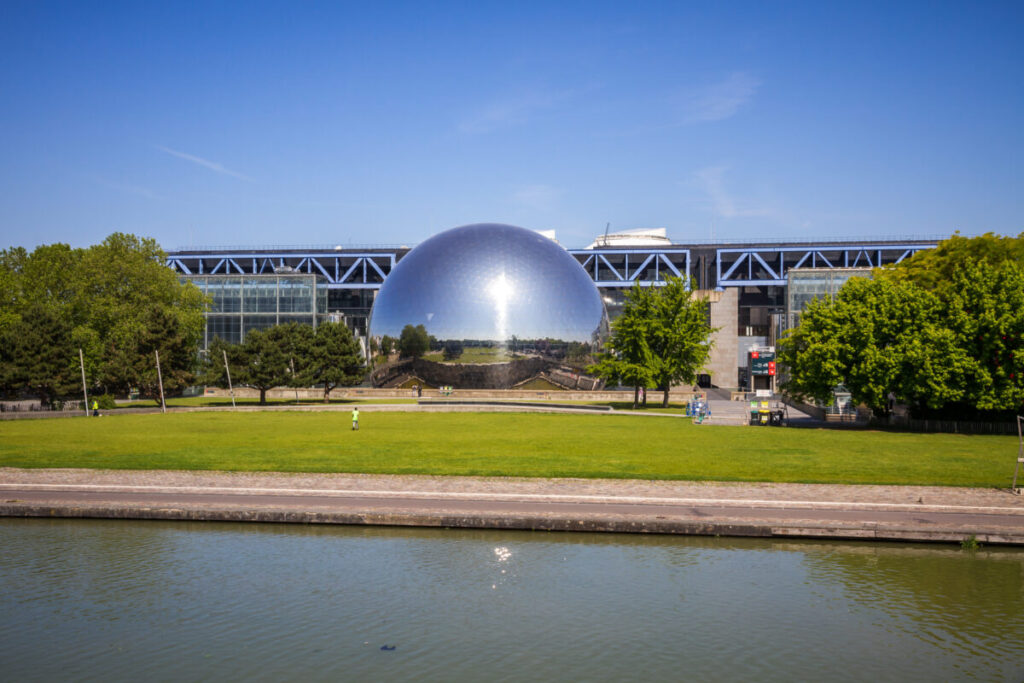
Just a quick stroll away, La Villette flips the script. Suddenly you’re by the Cité des Sciences, the Philharmonie, and Parc de la Villette—a massive green escape where families stretch out and kids run wild.
Both neighborhoods are in the northeast corner, close enough to hit in one day, but honestly, they couldn’t feel more different. Belleville’s got that multicultural heartbeat, while La Villette shows off Paris’s more polished, cultural side. Which one fits your trip? That’s up to whether you want edge and surprise, or open space and big events.
Points clés à retenir
- Belleville bursts with diversity, street art, and a lively local scene
- La Villette shines with modern culture, green parks, and major venues
- Both offer totally different versions of Paris, just a short walk apart
Belleville vs La Villette: Location and Atmosphere

Belleville and La Villette sit side by side in eastern Paris. But take a few steps and you’ll feel the shift—one’s all about gritty markets and murals, the other opens up into canals and cultural playgrounds.
Geographic Overview and Arrondissements
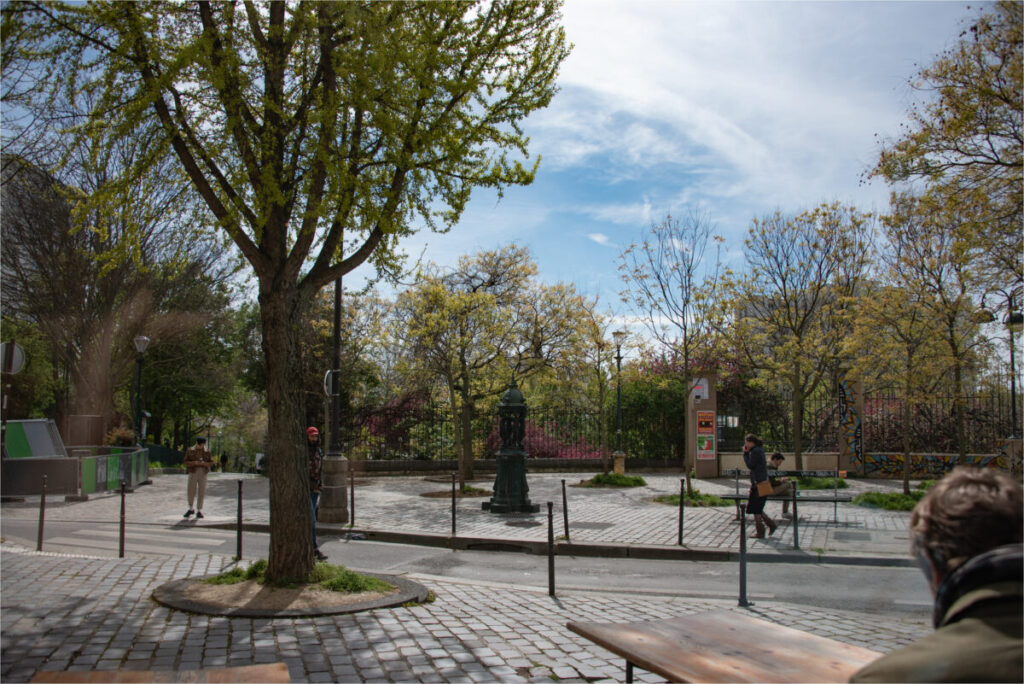
Belleville straddles the 19th and 20th arrondissements, climbing up a hill that hands you some of the best skyline views in town. It’s dense, packed with winding streets, and spills into parks like Parc de Belleville and Buttes-Chaumont. There’s a real neighborhood feel—nothing too polished.
La Villette, meanwhile, is planted squarely in the 19th arrondissement. At its heart is Parc de la Villette, the city’s largest park, plus the Bassin de la Villette, Paris’s biggest artificial lake.
Everything feels more open—wide lawns, space to breathe, and cultural venues scattered around the park. Belleville’s like a hillside village stitched into the city, while La Villette is a modern hub shaped by water and design.
Neighborhood Vibe and Local Life

Belleville thrums with creative energy. Murals pop up on almost every block, tiny Asian groceries crowd the sidewalks, and cafés buzz with students and artists.
Le food scene is wild—banh mi, steaming pho, and old-school bistros all packed together. You never know what you’ll stumble into next.
If you want to dig deeper, explore Belleville for its street art, markets, and killer viewpoints. It’s more lived-in than shiny, and that’s kind of the point.
La Villette, on the flip side, feels chill and organized. Locals jog along the canal, families sprawl out for picnics, and big crowds gather for concerts or outdoor movies in summer.
Instead of corner cafés, you’ll find science museums, themed gardens, and cultural festivals. It’s less about nightlife, more about big shared spaces.
Accessibility and Transport Connections
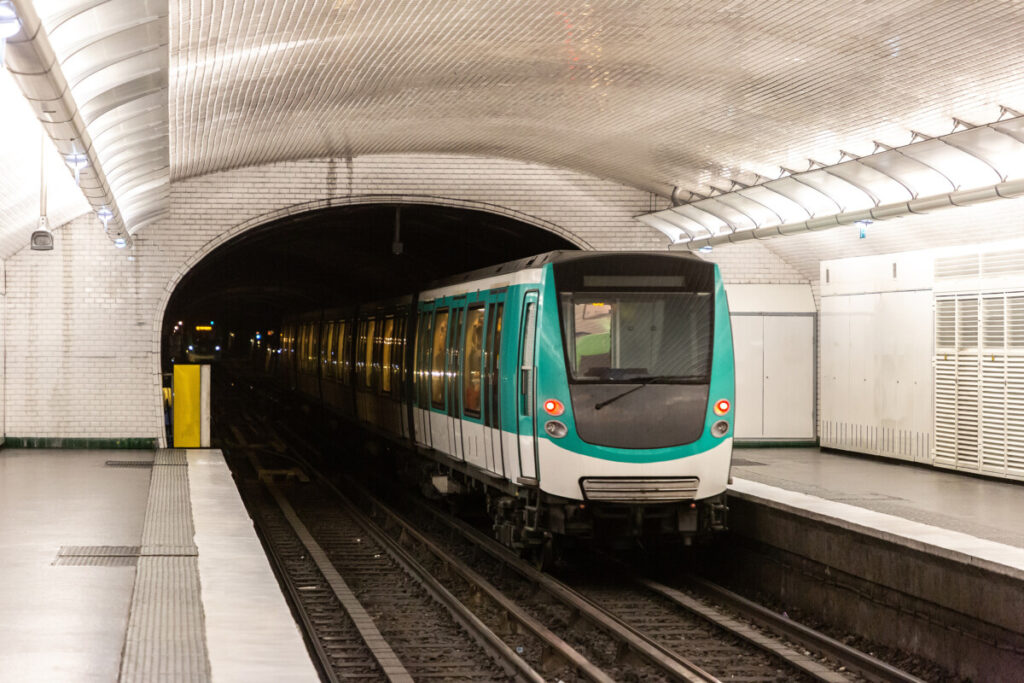
Both neighborhoods are easy to reach, but in their own ways. Belleville’s on Metro lines 2 and 11, so you can zip in from central Paris in under 20 minutes.
Sure, the stations get crowded at rush hour, but it’s a quick ride if you’re chasing food or nightlife. La Villette is a breeze if you’re already in the 19th—multiple metro stops like Porte de Pantin and Corentin Cariou ring the park.
You can also walk from Canal Saint-Martin ou Buttes-Chaumont in about 15 minutes. Both neighborhoods plug right into the city’s wider transport network, so you’re never stranded.
Not feeling the metro? Tons of Visites parisiennes swing through these areas, which is a solid way to get your bearings before you go rogue.
Cultural Identity and Community
Belleville and La Villette both pulse with their own mix of people, art, and everyday hangouts. Each has its own rhythm—immigrants, artists, and locals all shaping the vibe in different ways.
Immigrant Influence and Diversity

Take a stroll through Belleville and you’ll hear Mandarin, Arabic, and French all on the same block. The neighborhood’s always been a landing spot for newcomers, from 19th-century workers to today’s Chinese, North African, and West African communities.
That blend gives the area its spark. Markets spill onto the street with spices, dried herbs, and produce. Dumpling shops sit next to Tunisian bakeries, always packed with regulars. It’s messy, but it’s real life.
La Villette, though, feels more like a cultural crossroads than a true immigrant hub. It’s diverse, but the focus is on big events and festivals, drawing people from all over Paris.
It doesn’t have that same tight-knit, immigrant-driven energy as Belleville. If you want to taste this side of Paris, hop on a local tour that hits food markets and immigrant neighborhoods—Belleville’s usually on the list.
Artistic Heritage and Street Art

Belleville’s got a raw, creative edge. As soon as you hit rue Denoyez, you’re surrounded by murals and graffiti that change every week.
It’s one of the few spots in Paris where street art feels alive, not staged. There are also tiny collectives and spots like Culture Rapide, where you might wander into a slam poetry night.
It’s scrappy, independent, and that’s what locals love. La Villette leans toward the formal side—think Philharmonie de Paris, Cité des Sciences, and big exhibitions or concerts. Art’s there, but it’s housed in sleek buildings instead of bursting onto the streets.
Local Events and Social Spaces

Belleville’s social life revolves around small cafés, bars, and public carrés. On summer nights, groups spill into the street with music, food, and conversation. Live music pops up in tiny venues where you’re basically part of the band.
La Villette? It’s all about scale. The park hosts open-air film screenings, food festivals, and concerts that draw thousands. You can spend a whole day there and barely scratch the surface.
Belleville feels intimate, like a block party. La Villette feels like a citywide event. Both have their charm—it’s just a matter of what kind of energy you’re after.
Voir connexe :
Parks and Green Spaces

Paris can feel packed, but some of its coolest neighborhoods hide surprising patches of green. These aren’t your prim manicured gardens—they mix relaxation with quirks you won’t find in the city center.
Parc de Belleville and Belleville Park
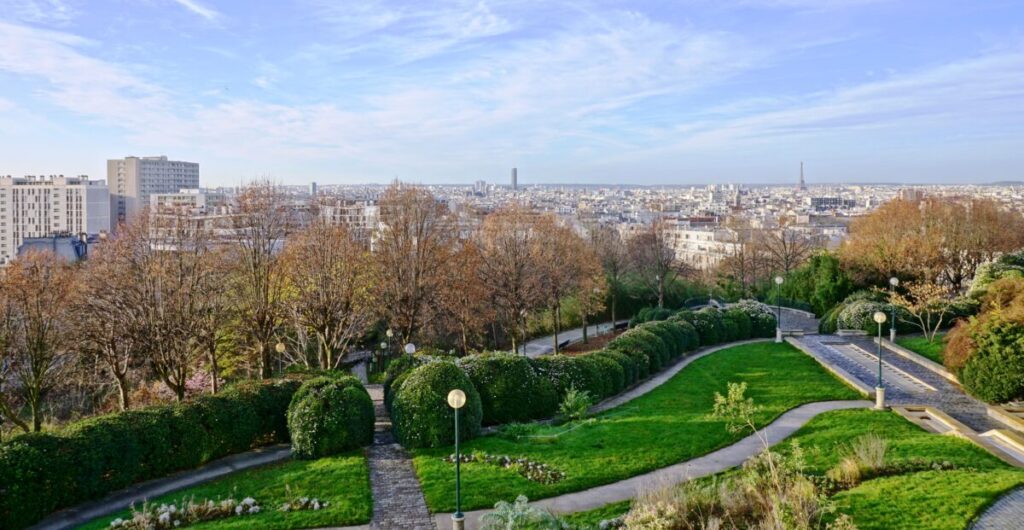
Parc de Belleville sits up on the hill, and honestly, the view is killer. The terrace sweeps out over the rooftops, and on a clear day, you can spot landmarks way off in the distance.
The park’s not huge, but it’s stacked with terraces, lawns, and a long fountain that runs down the slope. Families picnic, teenagers play guitar, and older locals claim their favorite benches. It’s a little worn-in, which I kind of love.
There’s even a tiny vineyard, a throwback to the area’s winemaking days. Don’t expect perfect flowerbeds here—if you dig a casual, community vibe, this is your spot.
Parc des Buttes Chaumont
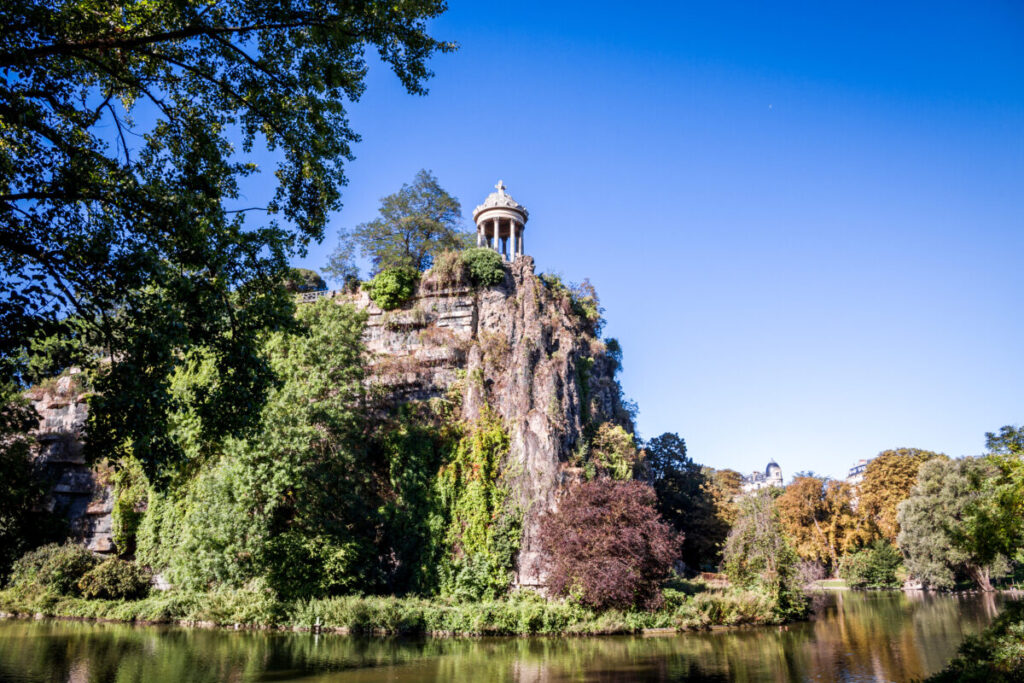
Just a short walk from Belleville drops you into Parc des Buttes Chaumont, hands down one of the city’s most unusual parks. It was built on an old quarry, so you get steep paths, cliffs, and a man-made lake.
The Temple de la Sibylle sits at the center, perched on a rocky island. You cross a suspension bridge to reach it—fun if you’re not afraid of heights. The view from up there at sunset? Pretty unbeatable.
Locals come here to jog, picnic, or just chill in the shade. There’s even a guinguette-style café tucked inside for drinks. It’s not as polished as Luxembourg or Tuileries, but that’s the magic—you feel like you’ve wandered into a secret.
Parc de la Villette and Jardin de la Villette

Head northeast and you’ll hit Parc de la Villette. This place isn’t your classic French garden by any stretch.
It’s huge—over 50 hectares—and packed with cultural venues like the Cité des Sciences, the Philharmonie, and concert halls. The design is postmodern, with bright red “follies” scattered across the lawns.
These odd cube-like structures give the park a futuristic vibe. Kids love scrambling up and down them, and honestly, who can blame them?
Themed gardens pop up throughout, each with its own quirky style. Some of the city’s most creative playgrounds are tucked in, too.
Le Jardin de la Villette sits within this larger space. It offers calmer areas with walking paths and water features—definitely a change of pace compared to busy Belleville parks.
This spot is less about city views and more about open space and cultural events. On summer nights, outdoor cinema screenings draw big crowds, and the whole place buzzes with a relaxed energy.
Food, Drink, and Nightlife
Belleville and La Villette both come alive after dark, but in totally different ways. One’s gritty and eclectic; the other’s more spacious, a bit experimental. You’ll find lively markets, casual bistros, and late-night bars that attract locals as much as visitors.
Markets and Local Food Culture

If you want to get a feel for a neighborhood, start at its market. In Belleville, the open-air market along Boulevard de Belleville is one of the most colorful in Paris.
Crates of chayote, fresh herbs, piles of dumplings—everything’s up for grabs. It’s crowded, noisy, and full of life—exactly the kind of place where you feel like a local.
La Villette has a different vibe. The area around the Bassin de la Villette is calmer, with fewer traditional markets but plenty of food stalls during summer festivals.
You’ll often stumble upon pop-up events near the canals. Vendors sell street food and natural wines by the glass, and there’s always something new to try.
For wine lovers, La Cave de Belleville is a must. It’s a cozy shop and bar where you can pick up a bottle of natural wine or sit down for a plate of charcuterie.
Honestly, it feels more like hanging out in a friend’s living room than a shop. That’s part of the charm.
Cafés, Bars, and Wine Spots

Belleville’s cafés are unpolished, and that’s exactly why people love them. Aux Folies, once a cabaret, is now a cheap and cheerful terrace bar where everyone squeezes in for an afternoon beer.
It’s not fancy, but it captures the spirit of the neighborhood. Wine culture is strong here, too.
Small wine bars lean toward natural and biodynamic bottles, often paired with simple small plates. You’ll notice a lot of young Parisians gathering after work, especially around Rue de Belleville.
La Villette nightlife feels more spread out. Along the canal, you’ll find larger venues with music, dancing, and outdoor seating that stay busy on warm nights.
It’s less about the corner café and more about big spaces where groups meet up, often with DJs or live performances. The vibe’s different, but it works.
International Cuisine: Dumplings, Pizza & More

Belleville is one of the best spots in Paris pour Asian food. You can grab pork dumplings at Ravioli Nord Est or fresh tofu dishes at Best Tofu.
Just a few steps away, North African restaurants serve couscous and brik pastries, reflecting the area’s layered immigrant history. But it’s not all about tradition.
New bistros and pizzerias have opened, mixing French cooking with global flavors. Places like Le Cheval d’Or experiment with French-Chinese mashups, while others keep it simple with wood-fired pizza and natural wine on the side.
La Villette leans more toward casual dining by the water. You’ll find plenty of pizza spots and burger joints near the canal, perfect if you’re heading to a concert at the Philharmonie or just hanging out by the water.
The food scene isn’t as dense as Belleville’s, but the open-air setting makes up for it. For me, I’d go to Belleville when I want dumplings and cheap drinks, and La Villette when I’m in the mood for a long summer night by the canal. Both have their charms—you just have to decide what kind of evening you’re after.
Voir connexe :
Arts, Entertainment, and Venues

Belleville and La Villette both offer plenty of reasons to stay out late or spend an afternoon explorant. One draws you in with grassroots creativity, the other impresses with large-scale cultural institutions and striking architecture.
Cité des Sciences et de l’Industrie
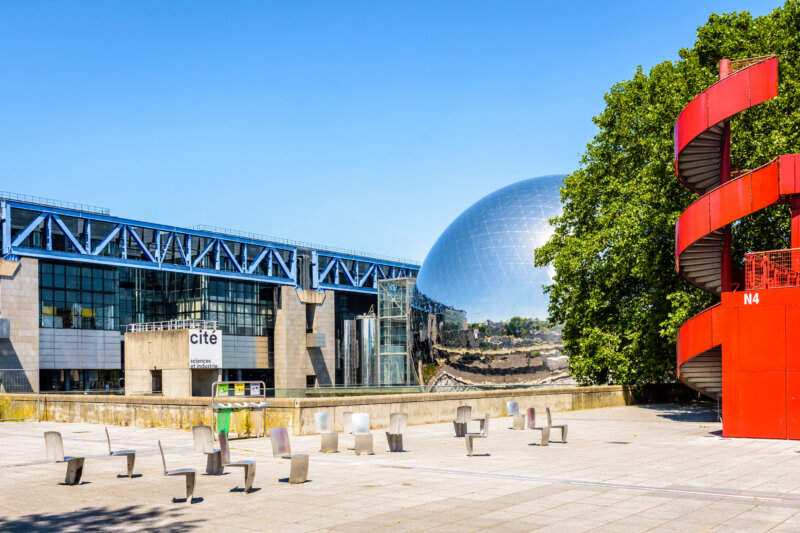
If you’re curious by nature, check out the Cité des Sciences et de l’Industrie in La Villette. It’s one of Europe’s biggest science museums, and it feels more like a playground for ideas than a traditional museum.
The building itself is massive, with interactive exhibits on space, technology, and the environment. Families usually head straight to the Cité des Enfants, a section designed just for kids, but adults will find plenty to dive into as well.
There’s also a planetarium, an IMAX-style theater, and rotating exhibitions that keep things fresh. You can easily spend half a day here if you’re the type who likes to tinker, push buttons, and test things out. For details on its role as a hub for science and culture, visit the Cité des Sciences et de l’Industrie.
Le Centquatre and Contemporary Art
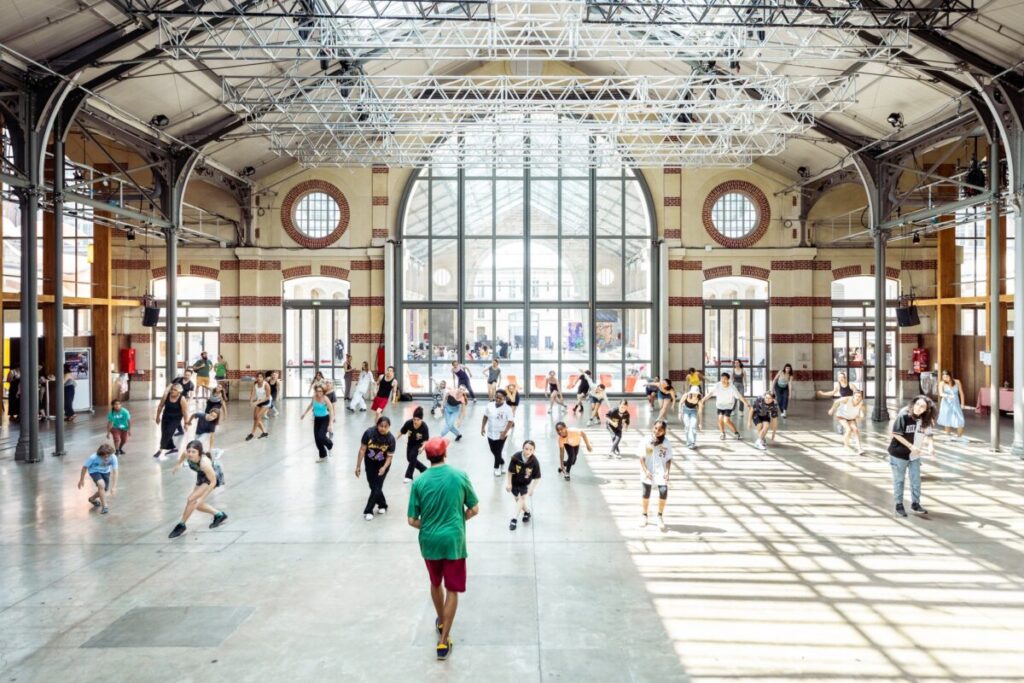
Belleville doesn’t have the same massive institutions, but it shines with smaller creative spaces. One standout nearby is Le Centquatre (104 Paris), a former funeral home turned into a buzzing cultural center.
It’s not technically inside Belleville, but it’s close enough that locals often pair a visit there with a walk through the neighborhood. Inside, you’ll find art exhibitions, design shops, and even open rehearsal spaces where dancers and performers practice in full view of the public.
I wandered in on a rainy afternoon and ended up watching a hip-hop crew train for hours—it felt more authentic than any ticketed show. It’s also family-friendly, with workshops and pop-up events.
The vibe is casual, creative, and very Parisian in that “let’s see what happens” kind of way. You can grab a coffee, wander through installations, or just people-watch.
Music and Performance Spaces
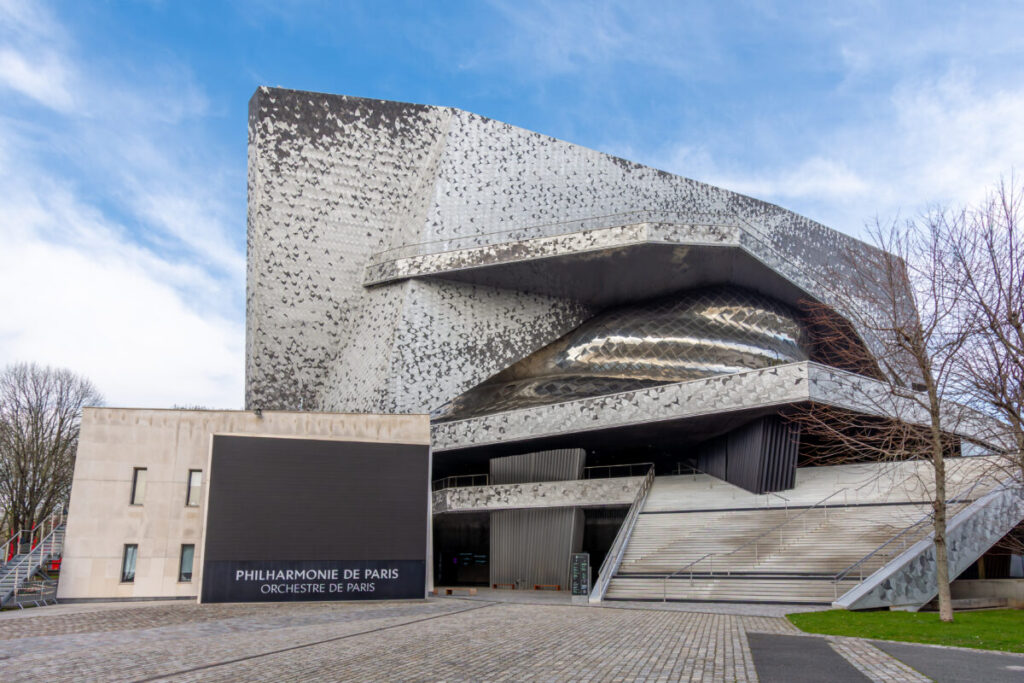
Quand cela vient à musique live and performance, La Villette takes the lead with venues that cover almost every genre. The Philharmonie de Paris, designed by Jean Nouvel, is the big name here.
It hosts symphonic concerts, jazz, and the occasional rock or electronic set. Tickets can be surprisingly affordable, especially for younger audiences.
Just steps away, you’ll find the Zénith Paris – La Villette, a massive venue built for rock and pop shows. If you prefer something more intimate, Le Trabendo offers a smaller stage where indie bands and electronic acts often perform.
Belleville, on the other hand, thrives on its smaller bars and underground clubs. You’ll stumble upon tiny venues with local bands, DJs, and spoken word nights.
It’s less polished than La Villette, but that’s the charm—you feel like you’re part of the neighborhood rather than a big production. For a look at the range of spaces, from symphonies to clubs, check out the lineup of venues in Parc de la Villette.
Sights, Landmarks, and Surroundings

Belleville and La Villette offer totally different slices of Paris. One leans toward lively streets and multicultural corners, while the other gives you wide canals and cultural parks. Together, they show how the city blends neighborhood life with open-air escapes.
Canal Saint-Martin and Canal de l’Ourcq
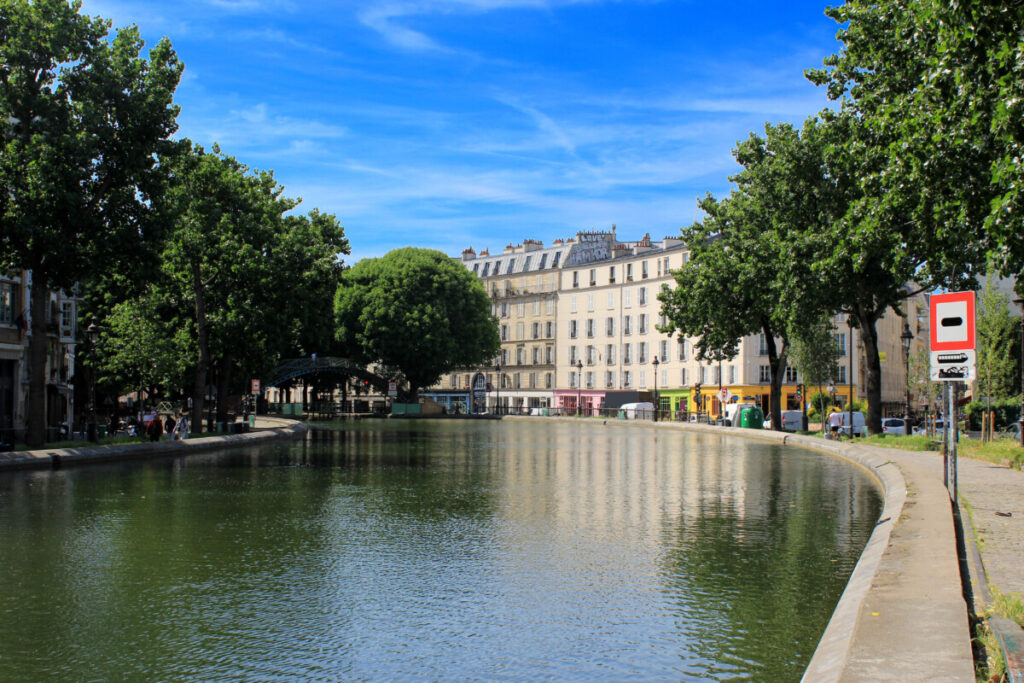
If you’re near La Villette, you’ll likely end up walking along the Canal de l’Ourcq. It’s broader and less crowded than the Canal Saint-Martin, which snakes down toward République.
I’ve spent lazy afternoons here, watching locals fish or chatting on the quays with a bottle of wine. The stretch around Porte de la Villette feels more relaxed than central Paris.
You’ll also find spots like Rosa Bonheur, a guinguette-style bar where people gather for drinks and music by the water. On summer evenings, it feels like half the neighborhood is out.
The canals connect you to bigger landmarks. From certain des ponts, you can spot Montmartre in the distance, with the white dome of Sacré Coeur rising above the rooftops.
It’s not the postcard-perfect view of the tour Eiffel, but it’s still a reminder you’re in Paris. If you’re planning to stay nearby, the canal areas offer plenty of hôtels à Paris within walking distance. That makes it easy to enjoy both daytime strolls and late-night gatherings without worrying about long metro rides.
Rue de Belleville and Boulevard de Belleville

Belleville feels like another world compared to the canals. Rue de Belleville climbs uphill, and if you pause at the right corner, you’ll catch a surprisingly clear vue sur la Tour Eiffel framed between buildings.
I remember the first time I noticed it—I was just looking for a bakery, then suddenly there it was. This street is lined with Asian groceries, North African cafés, and little French bistros.
The mix is what makes Belleville tick. Walk a few minutes and you’ll hear three different languages, smell fresh dumplings, and see murals covering entire walls.
Just around the corner, Boulevard de Belleville hosts one of the city’s busiest street markets. It’s not fancy, but it’s lively—stalls overflowing with fruit, fish, and spices.
If you want a taste of daily Parisian life outside the tourist trail, this is where you feel it most. Belleville also has a reputation for street art.
Some of the best walls are tucked away in side alleys off Rue de Belleville, so it’s worth wandering without a plan. And if you’re staying longer, you’ll find plenty of places to stay in Paris that keep you close to this buzzing neighborhood.
Voir connexe :
Questions fréquemment posées
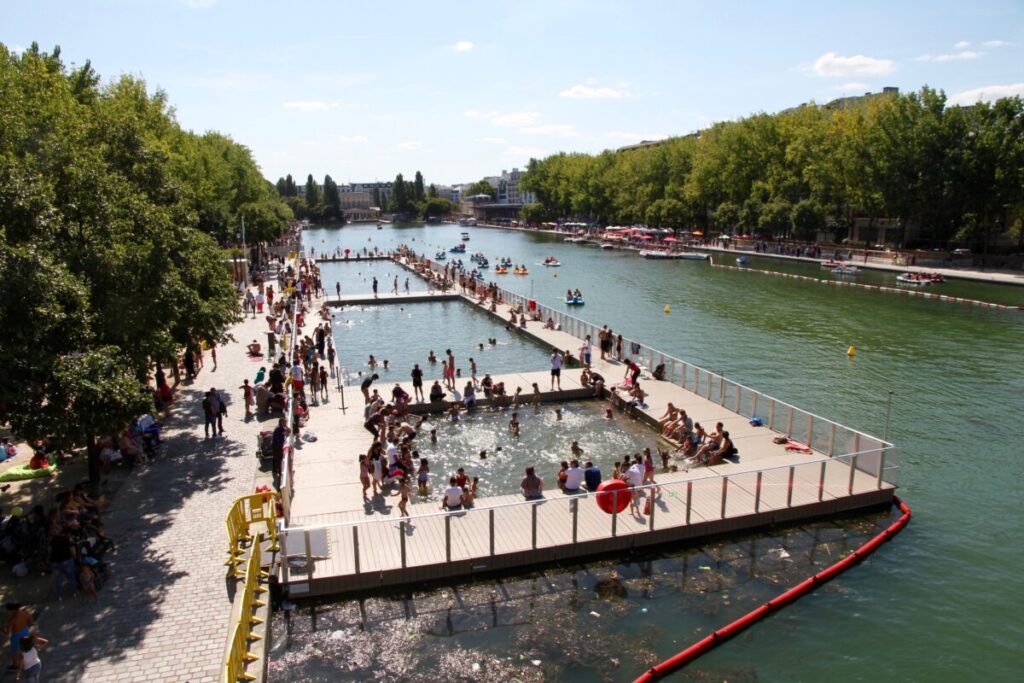
Belleville and La Villette sit side by side in northeast Paris, but they feel quite different once you start wandering. One leans more toward gritty, multicultural energy, while the other balances big green parks with cultural landmarks. Both offer plenty to explore if you’re curious about life outside the postcard parts of Paris.
What are the main differences between the neighborhoods of Belleville and La Villette in Paris?
Belleville hits you with a raw, lived-in vibe—there’s street art everywhere, immigrant-owned shops, and artists just sort of doing their thing. Sometimes the streets feel a bit chaotic, but honestly, that’s half the fun.
La Villette feels more open, even a little futuristic. The massive park, music venues, and science museum all bring a family-friendly, cultural energy that’s hard to miss.
Can you recommend some must-visit attractions in both Belleville and La Villette?
In Belleville, you really shouldn’t skip Parc de Belleville—it’s got one of the best skyline views in Paris, hands down. Rue Denoyez is another gem, packed with colorful murals and ever-changing street art.
Over in La Villette, you can catch live music at the Philharmonie or geek out for hours at the Cité des Sciences. The Canal de l’Ourcq is honestly perfect for a stroll or a bike ride, and you’ll stumble onto pop-up events along the water if you’re lucky.
If you’re up for exploring more, guided Visites parisiennes sometimes swing through both neighborhoods. Worth considering if you want to cover a lot without thinking too hard about logistics.
Where can I find the best dining experiences in Belleville and La Villette?
Belleville’s food scene leans heavily into Chinese and Vietnamese spots, especially along Rue de Belleville. You’ll also bump into casual bistros and bars that don’t mind staying open late—great for night owls.
La Villette has more brasseries and modern cafés, especially clustered near the park. If you’re craving something classic (and meaty), Au Bœuf Couronné serves up steakhouse vibes right next to the old slaughterhouses. It’s got history and a big following.
How do the vibes of Belleville and La Villette compare for someone looking to experience authentic Parisian culture?
Belleville feels like regular Paris—locals shopping at tiny markets, artists tucked away in studios, families hanging out in the parks. It’s not about that polished “Parisian chic” you see in movies; it’s more about the real mix of cultures and everyday life.
La Villette feels calmer, with big open spaces and lots of cultural spots. If you’re after a relaxed afternoon in the park or want to catch a concert, this is your place. The pace is slower, and sometimes that’s exactly what you want.
What are the public transportation options when traveling between Belleville and La Villette?
Getting around’s pretty easy—both neighborhoods connect by metro. Belleville sits on lines 2 and 11, while La Villette’s got stops on line 5 and line 7.
If you’re feeling energetic, you can walk from one to the other in about 20 minutes, though there’s a bit of an uphill climb. Buses run through the area too, so you’ve got options.
In Belleville, the tiny side streets around Rue des Cascades honestly feel like a village tucked right into the city. You’ll probably stumble onto little gardens or a café you never expected.
La Villette’s got these lesser-known gardens sprinkled throughout the park. If you’re lucky enough to visit in summer, the open-air cinema is a quirky little treat that most folks miss.
Find Things to Do in Paris
Find Accommodation

Continue Planning Your Paris Trip

Your Go-To Guide for Local SIM Cards in France: What Tourists Need to Know
Visiting France and want to stay connected without roaming fees? How tourists pick a local SIM card, what…
Read Guide →Paris Fashion Week Travel Guide: Ultimate Insider Tips and Hotspots
You don't need a runway seat to experience Paris Fashion Week. Catch street style, designer boutiques, pop-up installations,…
Read Guide →
Travel Agencies in Paris: 10 Current Agencies and Tour Operators for 2026
Planning a Paris trip and want local expertise? Ten travel agencies for 2026, from boutique luxury specialists to…
Read Guide →