
Neo-Gothic revival honors Cistercian founder in expanding Paris
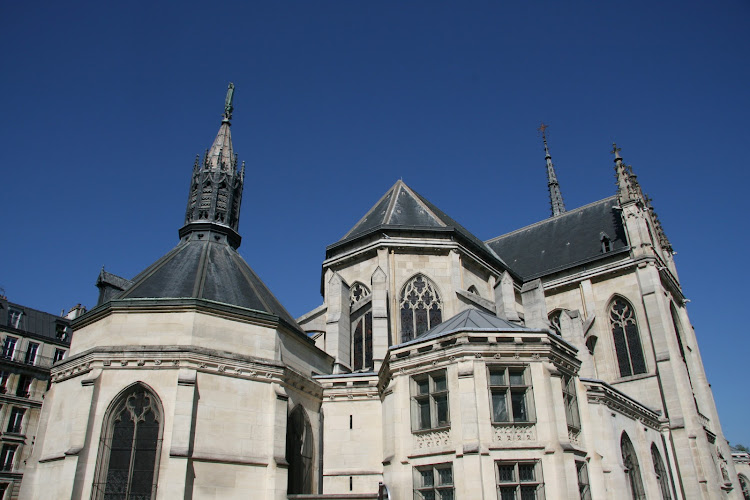
At 11 rue Affre in the Goutte d’Or district of the 18th arrondissement, Église Saint-Bernard de la Chapelle stands as Auguste-Joseph Magne’s 1858-1861 neo-Gothic masterpiece, built to serve La Chapelle village’s growing population before its 1860 integration into Napoleon III’s expanded Paris. Dedicated to Bernard de Clairvaux, the 12th-century monk who founded the Cistercian Order, this extraordinary church demonstrates how 19th-century urban expansion required new sacred architecture that could honor medieval spiritual heritage while serving contemporary parish needs through Gothic Revival design that connected modern Catholics to their historical religious roots.
Urban expansion and spiritual response
The church’s construction during La Chapelle’s transition from rural village to Parisian arrondissement illustrates how rapid urban growth required new religious institutions that could serve expanding populations while maintaining spiritual continuity through architectural choices that honored traditional Catholic heritage. This building campaign proved that successful parish development requires both pastoral vision and architectural excellence through churches that create sacred environments capable of nurturing faith communities within rapidly changing urban contexts.
The location in Goutte d’Or, originally served by distant Saint-Denys de la Chapelle, demonstrated how population growth necessitates local religious institutions that provide accessible worship while maintaining connection to broader ecclesiastical traditions through parish networks that serve both immediate spiritual needs and diocesan unity.
Gothic Revival architecture and decorative excellence
Auguste-Joseph Magne’s choice of neo-Gothic style, fashionable during the mid-19th century return to ancient architectural orders, created a church distinguished by “architectural lacework of Gothic style” that demonstrated how medieval building techniques could serve contemporary construction while achieving aesthetic excellence through rich decoration worthy of Historic Monument classification. This design approach proved that Gothic Revival could transcend mere stylistic imitation to create authentic sacred architecture.
The 60-meter metal spire echoing Notre Dame de Paris and the Aristide Cavaillé-Coll organ installation demonstrate how 19th-century church construction could achieve both architectural distinction and liturgical excellence through design elements that combined historical inspiration with contemporary technical innovation, creating spaces that served both aesthetic appreciation and spiritual worship through integrated artistic achievement.
Cistercian spirituality and monastic heritage
The dedication to Bernard de Clairvaux (1090-1153), founder of the Cistercian Order and influential conservative theologian, connects this parish church to one of medieval Christianity’s most significant spiritual reforms, where monastic simplicity and theological rigor influenced Catholic practice throughout Europe. This dedication proves how parish churches can honor monastic heritage while serving secular community needs through spiritual leadership that transcends institutional boundaries.
Saint Bernard’s legacy as both mystical theologian and practical monastery reformer provides appropriate patronage for a church serving working-class Goutte d’Or residents, where spiritual excellence and practical service combine to address community needs through religious leadership that demonstrates how contemplative devotion can generate effective social action within urban parish contexts that require both spiritual depth and practical engagement.
Contemporary parish and historical preservation
The church’s Historic Monument classification recognizes its architectural significance within Paris’s Gothic Revival heritage while maintaining active parish function that proves how sacred preservation achieves optimal success when buildings continue serving their original religious purpose. This dual status demonstrates how ecclesiastical architecture can honor historical significance while adapting to contemporary liturgical needs through preservation approaches that maintain both aesthetic integrity and spiritual relevance.
Today’s ongoing worship services within Magne’s neo-Gothic spaces create living connection between 19th-century architectural vision and contemporary Catholic practice, where Gothic Revival elements continue inspiring spiritual devotion through environments designed to elevate ordinary parish worship toward transcendent encounter with divine beauty expressed through architectural excellence that serves both aesthetic appreciation and religious experience.
Essential information
- Architect: Auguste-Joseph Magne
- Construction: 1858-1861
- Emplacement: 11 rue Affre, Goutte d’Or, 18th arrondissement
- Dedication: Bernard de Clairvaux (Cistercian founder)
- Architectural style: Neo-Gothic revival
- Spire height: 60 meters (metal construction)
- Organ: Aristide Cavaillé-Coll
- Historical status: Monument historique
Urban and spiritual significance
- Urban context: Built for La Chapelle village before 1860 Paris expansion
- Parish evolution: Independent worship replacing distant Saint-Denys access
- Decorative achievement: “Architectural lacework” Gothic Revival detailing
- Liturgical excellence: Historic Cavaillé-Coll organ for sacred music
- Community service: Working-class Goutte d’Or spiritual center
Gothic Revival serves contemporary spiritual needs
Église Saint-Bernard de la Chapelle embodies the profound success of Gothic Revival architecture in creating authentic sacred spaces that honor medieval spiritual heritage while serving contemporary urban parish needs, where Auguste-Joseph Magne’s neo-Gothic design achieved both aesthetic excellence and functional effectiveness through architectural lacework that elevates ordinary worship toward transcendent spiritual encounter. This remarkable church proves that successful ecclesiastical architecture emerges when historical inspiration meets contemporary technical innovation, creating buildings that serve both aesthetic appreciation and religious devotion through spaces designed to connect modern Catholics to their historical spiritual heritage while addressing practical parish needs within rapidly expanding urban contexts. For Gothic Revival enthusiasts, religious architecture admirers, or anyone interested in how 19th-century urban expansion shaped sacred architecture, this Goutte d’Or church offers an extraordinary encounter with ecclesiastical design excellence, where Cavaillé-Coll organ music resonates beneath neo-Gothic vaults that demonstrate how traditional architectural forms can serve contemporary spiritual communities through buildings that achieve both historical authenticity and modern functionality, proving that the finest parish churches transcend stylistic categories to become sacred environments where architectural beauty serves ongoing spiritual formation across generations of believers seeking connection to both divine presence and Catholic heritage.