
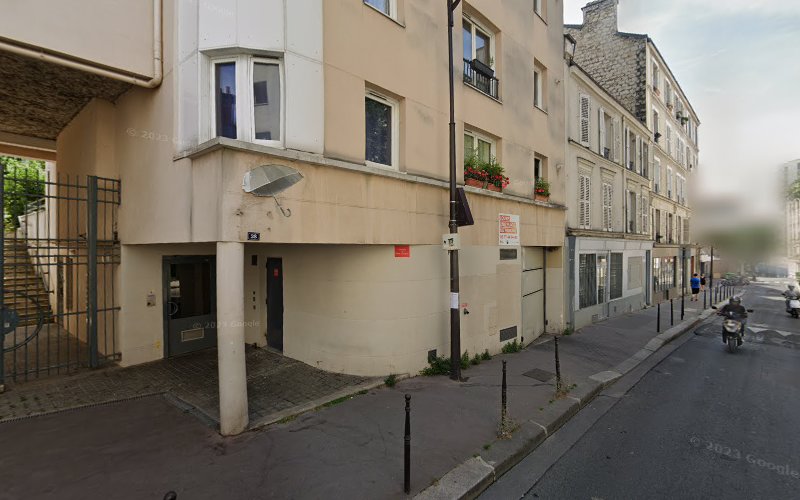
Art Deco masterpiece where sculptor’s vision shaped architectural innovation
Art Deco innovation and sculptural integration
Adolphe Thiers’ Art Deco design, featuring bas-relief facade elements representing the sculptor at work, creates a building that functions as both architectural achievement and artistic autobiography through decorative elements that document the creative process while demonstrating how modernist architecture can incorporate figurative art. This design approach proves that successful architectural collaboration emerges when architects understand their clients’ artistic vision sufficiently to create buildings that embody rather than merely house creative work.
The preserved Art Nouveau workshop decor within an otherwise Art Deco structure demonstrates how artistic homes can accommodate multiple aesthetic periods when function requirements transcend stylistic consistency, where working spaces maintain previous decorative approaches that support creative productivity while public areas embrace contemporary architectural expressions that reflect current aesthetic sensibilities.
Montmartre artistic community and cultural integration
The mansion’s strategic location in Montmartre’s artistic quarter enabled Louis-Aimé Lejeune to participate in the neighborhood’s creative community while maintaining the private spaces necessary for sculptural work that requires both social inspiration and isolated concentration. This residential choice demonstrates how successful artists balance community engagement with creative solitude through architectural solutions that provide both public accessibility and private retreat within culturally stimulating environments.
The building’s position between avenue Junot and rue Simon-Dereure placed Lejeune within walking distance of fellow artists while providing the elevated Montmartre setting that has inspired creative work for generations, proving that artistic residential choices can serve both practical workspace needs and spiritual inspiration through locations that combine urban accessibility with elevated perspective that stimulates creative vision.
Architectural preservation and modernist documentation
The 1982 classification of facades and roofs as historical les monuments recognizes this building’s significance in documenting interwar artistic architecture, where Art Deco design achieved both aesthetic excellence and functional innovation through residential projects that served creative professionals. This preservation status proves that 20th-century architecture can achieve historical importance through design quality that transcends stylistic fashion to become lasting cultural contributions.
The protection of both exterior architecture and interior workshop spaces ensures that future generations can understand how successful artists created environments that supported their creative work while contributing to neighborhood architectural heritage through buildings that demonstrate the collaborative potential between artistic vision and architectural expertise in serving individual creative needs while enriching public cultural experience.
Contemporary relevance and artistic inspiration
Hôtel Lejeune’s continuing presence in Montmartre serves as inspiration for contemporary artists seeking to understand how successful creative careers can generate the resources necessary for architectural commissions that serve both personal artistic needs and public cultural enrichment through buildings that demonstrate the relationship between individual talent and community cultural development. This architectural legacy proves that artistic success achieves its greatest significance when personal achievement generates contributions to shared cultural heritage.
Essential information
- Owner/Commissioner: Louis-Aimé Lejeune (sculptor)
- Architect: Adolphe Thiers
- Construction: 1927
- Emplacement: Between 28 avenue Junot and 22 rue Simon-Dereure
- District: Grandes-Carrières, Montmartre, 18th arrondissement
- Architectural style: Art Deco (exterior), Art Nouveau (workshop)
- Historical status: Monument historique facades and roofs (1982)
- Taper: Private mansion with integrated artist studio
Architectural and artistic significance
- Design integration: Bas-relief facade showing sculptor at work
- Functional complexity: Residence, workshop, and exhibition space
- Stylistic evolution: Art Deco exterior with Art Nouveau workshop preservation
- Community context: Part of Montmartre’s artistic residential heritage
- Cultural documentation: Represents interwar artistic architecture
Artistic success creates architectural heritage
Hôtel Lejeune embodies the remarkable achievement of individual artistic success generating architectural heritage that serves both personal creative needs and public cultural enrichment, where sculptor Louis-Aimé Lejeune’s collaboration with architect Adolphe Thiers created an Art Deco mansion that documents interwar artistic culture while providing ongoing inspiration for contemporary creative professionals. This extraordinary residence proves that artist homes can transcend private function to become cultural institutions when architectural excellence combines with artistic achievement to create buildings that honor individual talent while contributing to shared neighborhood heritage through design innovation that continues inspiring appreciation for the collaborative potential between artists and architects. For Art Deco enthusiasts, sculptor biography admirers, or anyone interested in how artistic success can generate lasting architectural contributions, this Montmartre mansion offers a fascinating encounter with creative prosperity transformed into cultural heritage, where bas-relief facades documenting artistic work and preserved workshop spaces demonstrate the sophisticated planning required to create environments that serve both immediate creative productivity and long-term cultural education, proving that the finest artist residences achieve immortality through architecture that continues inspiring creativity while documenting the conditions necessary for artistic excellence to flourish within supportive cultural communities that value both individual achievement and collective aesthetic enrichment.