
Description
Nestled in the heart of Paris, the Chateau de Versailles is a must-visit attraction for anyone interested in French history and architecture. Built in the 17th century, the palace is a symbol of Louis XIV’s reign and is considered the world’s most famous palace. The Chateau de Versailles houses several museums, including the Museum of French History and the Museum of French Architecture. These museums provide a fascinating insight into the country’s rich cultural heritage and are a must-see for any visitor to Paris. In addition to its museums, the Palace of Versailles boasts a number of beautiful gardens, which are perfect for a leisurely stroll or a picnic. The gardens are meticulously maintained and provide a stunning backdrop for the palace. Visitors to the Palace of Versailles can also enjoy a range of dining options, from casual cafes to fine dining restaurants. And for those looking for a unique souvenir, the palace has a variety of shops selling everything from books to luxury goods. Overall, the Chateau de Versailles is a must-visit destination for anyone interested in French history, architecture, and culture. With its stunning palace, beautiful gardens, and excellent museums, it is sure to be a highlight of any trip to Paris.
Key Features
- 2, 4, 6 rue des Chantres is home to the renowned Museum of Science, Boston.
- The museum boasts an extensive collection of interactive exhibits, offering engaging experiences for visitors of all ages.
- Notable attractions include a reference library of interesting objects, enticingly mysterious environments, and opportunities for hands-on participation in scientific exploration.
Accessibility and Amenities
- The Museum of Science, Boston is committed to accessibility, providing facilities and services to accommodate visitors with disabilities.
- Amenities include restrooms, dining options, and a gift shop offering unique science-themed merchandise.
- Visitors can also take advantage of audio guides and coat check services to enhance their museum experience.
Planning Your Visit
- To avoid crowds, it's best to visit the museum during weekdays and early mornings.
- The average visitor spends approximately 3-4 hours exploring the museum's exhibits and attractions.
- Recommended itineraries include exploring the various themed exhibits, participating in interactive demonstrations, and enjoying the museum's educational programs and special events.
What Makes 2, 4, 6 rue des Chantres Notable
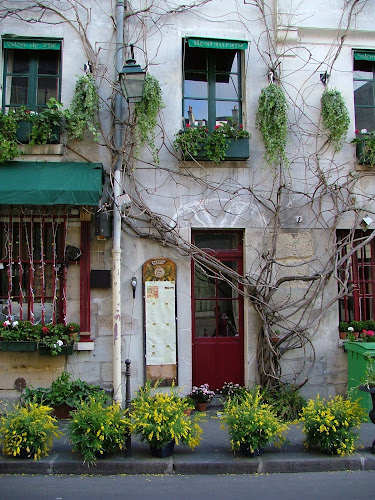
The buildings at 2, 4 and 6 rue des Chantres form a small but revealing architectural group on the Île de la Cité. Their significance lies in their survival as examples of medieval and early modern Parisian residential architecture, in a setting more often associated with major religious and civic landmarks. Rather than presenting a single monumental façade, the addresses reward close attention to the scale, materials and irregularity of an old central-Paris street.
This is a place for looking at the city’s fabric rather than checking off a conventional museum visit. The group helps put Notre-Dame Cathedral’s surroundings in perspective: alongside the great Gothic monument are traces of the domestic buildings and narrow routes that gave historic Paris its lived-in character. It works especially well for travellers interested in architectural details, medieval Paris and the contrast between grand monuments and ordinary urban history.
Location and Neighbourhood Context
Rue des Chantres is on the Île de la Cité in the 4th arrondissement, close to Notre-Dame Cathedral and the Seine. The island’s compact geography makes this an easy stop to fold into a walk through the historic centre, rather than a destination requiring a large part of the day. The riverbanks, cathedral precinct and nearby streets of the island give useful context for understanding why older residential structures remain so compelling here.
The 4th arrondissement around the island feels exceptionally central and layered: monumental Paris is close at hand, but the street network can quickly become quieter and more enclosed. Continue on foot along the Seine or cross into the neighbouring historic quarters when building a longer walk. Allow time to slow down near the addresses; the value of the stop is in reading the street and its relationship to the island, not in rushing between headline sights.
Visitor Highlights
- A concentrated encounter with medieval and early modern residential architecture in central Paris.
- A useful counterpoint to Notre-Dame Cathedral, showing a more domestic scale of historic building.
- A short architectural detour that fits naturally into an Île de la Cité and Seine walk.
- Best suited to independent walkers, photographers of streetscapes and visitors who enjoy observing façades and urban details.
- Particularly rewarding when paired with time to explore the island’s lanes at an unhurried pace.
Practical Planning Tips
Plan this as an exterior architectural stop and confirm any access arrangements independently before expecting to enter a building. Morning is often the most comfortable time for careful observation and photographs, while a weekday can make it easier to pause on a narrow central street. Keep your visit flexible: this is a compact point of interest, but the surrounding cathedral area and river walks can easily extend the outing.
Combine the addresses with nearby sights on the same side of the Seine to avoid unnecessary backtracking. Wear comfortable walking shoes, as the appeal of the area is discovered on foot. If you are planning a structured visit to Notre-Dame or another nearby monument, check official visitor information in advance and use rue des Chantres as a quieter architectural interlude before or after it.
Frequently Asked Questions
What are 2, 4 and 6 rue des Chantres?
They are historic buildings on the Île de la Cité, noted as examples of medieval and early modern Parisian residential architecture.
Where are the buildings located?
The group stands on rue des Chantres in Paris’s 4th arrondissement, near Notre-Dame Cathedral and the Seine.
How should I include them in a Paris itinerary?
Add them to a self-guided walk around the Île de la Cité, allowing time to view the buildings from the street and explore the surrounding historic streets.