
Description
The Académie royale de médecine is a medical school founded in 1724 and is one of the oldest and most prestigious medical schools in the world. Located in the 6th arrondissement at 5 rue de l’École-de-Médecine, the Academy is a centre of medical excellence, with research and teaching departments in medicine, pharmacy, and public health.
The Academy is also a centre of culture, with a library of over 1 million books and a museum. The museum houses a collection of medical instruments, models, and specimens, providing a fascinating insight into the history of medicine.
But the Academy is not just about science and medicine. It is also a centre of the arts, with a theatre and a music school. The theatre hosts regular performances, and the music school offers classes in a range of instruments, from piano to violin.
The Academy is a centre of the humanities too, with a library that is home to rare manuscripts, maps, and prints. The library is a treasure trove of knowledge, with books on a wide range of subjects, from history to philosophy.
Visiting the Académie royale de médecine is a unique experience that offers a glimpse into the world of medicine, culture, and the arts. Whether you are a medical student, a history buff, or simply curious, the Academy has something to offer everyone.
Key Features
- The Académie royale de médecine, located in the 6th arrondissement, is renowned for its extensive collection of medical artifacts, including historical texts, instruments, and anatomical models.
- The museum showcases the evolution of medical practices and significant contributions to the field, providing visitors with a comprehensive understanding of medical history and advancements.
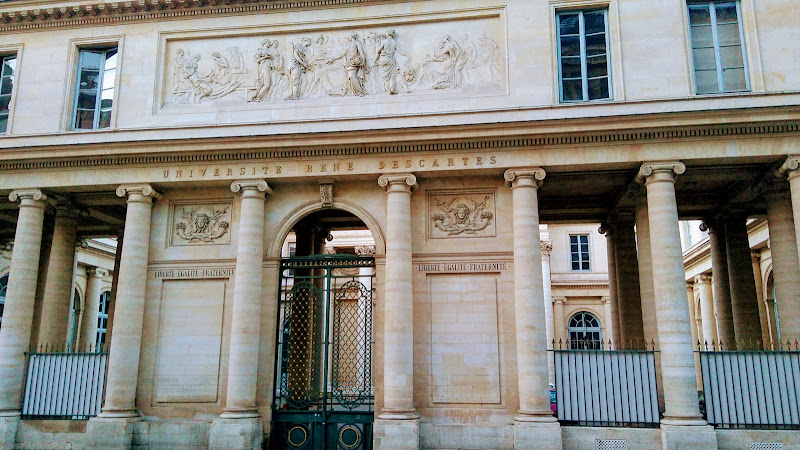
- Notable architectural features include the elegant facade and interior design, reflecting the institution's rich cultural and academic heritage.
Accessibility and Amenities
- The museum is equipped with accessibility features to ensure a comfortable experience for visitors with disabilities, including wheelchair ramps and designated parking spaces.
- Visitors can benefit from amenities such as restrooms, a café offering light refreshments, and a gift shop where they can purchase unique medical-themed souvenirs.
- Additionally, the museum provides audio guides in multiple languages, enhancing the visitor experience by offering insightful commentary on the exhibits, and a convenient coat check service.
Planning Your Visit
- To avoid crowds, it is advisable to plan the visit during weekdays, particularly in the morning or late afternoon, to fully appreciate the exhibits without significant visitor traffic.
- On average, visitors spend approximately 1.5 to 2 hours exploring the museum, allowing ample time to engage with the displays and absorb the historical significance of the artifacts.
- A recommended itinerary includes starting the visit with the highlights of the collection, followed by a leisurely exploration of specific areas of interest, and concluding with a relaxing break at the museum café.