
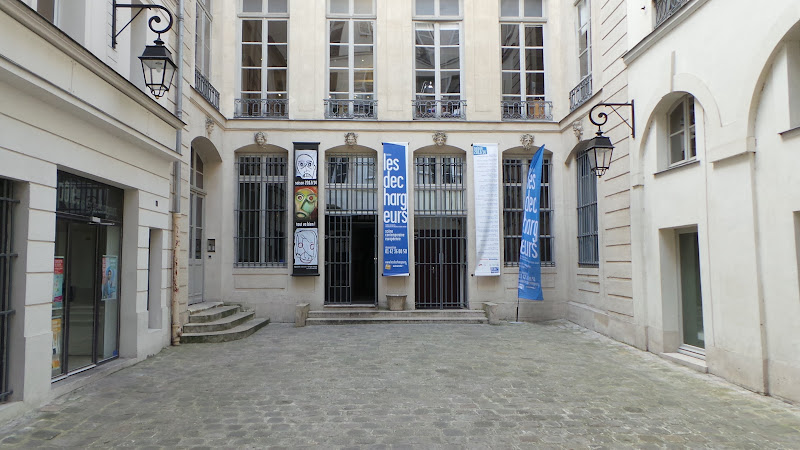
Garnier’s industrial masterpiece transformed into theatrical excellence
At 32 boulevard Berthier in the 17th arrondissement, the Ateliers Berthier stand as Charles Garnier’s only surviving industrial architecture, built in 1895 as workshops and storage facilities for Paris Opera stage sets before their extraordinary 2003 transformation into the Odéon-Théâtre de l’Europe’s second venue. This remarkable conversion demonstrates how exceptional 19th-century industrial architecture can achieve new cultural purpose through adaptive reuse that honors original functional design while serving contemporary performing arts needs, proving that utilitarian buildings designed by architectural masters can transcend their initial purpose to become cultural institutions that serve both heritage preservation and ongoing artistic mission through spaces that maintain industrial character while supporting theatrical excellence.
Opera workshop origins and functional excellence
Garnier’s design for these opera workshops, following his triumph with the Paris Opera House, created industrial architecture that achieved both practical efficiency and aesthetic dignity through building design that honored the artistic importance of stage set creation while providing optimal working conditions for craftsmen creating theatrical magic. This functional approach proved that even utilitarian architecture could embody the design excellence that made Garnier legendary, where industrial requirements guided architectural innovation that served both practical workshop needs and institutional prestige appropriate for opera production support facilities.
The 1950s extension demonstrated how successful industrial architecture can accommodate operational expansion while maintaining original design integrity through additions that respected Garnier’s architectural vision while serving evolving opera production needs that required larger workshop and storage facilities for increasingly complex theatrical presentations requiring sophisticated technical support infrastructure within architecturally distinguished industrial buildings.
Theatrical transformation and architectural adaptation
The 2003 conversion into a 395-seat auditorium, inaugurated with Jean Racine’s Phèdre directed by Patrice Chéreau, proved that exceptional industrial architecture possesses inherent qualities that support theatrical excellence through spatial proportions and acoustic characteristics that serve dramatic performance as effectively as original workshop functions. This transformation demonstrated how architectural quality transcends specific functional requirements when building design achieves excellence that enables diverse cultural uses through adaptive reuse that maintains essential architectural character.
The expansion to 480-seat capacity and permanent designation as Odéon’s second venue in 2005 illustrated how successful cultural adaptation can generate institutional commitment that ensures ongoing cultural programming while maintaining architectural heritage through theater operations that honor both Garnier’s original design excellence and contemporary performing arts requirements that benefit from industrial architecture’s spacious proportions and distinctive aesthetic character that enhances rather than constrains theatrical presentations.
Historic monument recognition and cultural continuity
The 1990 Historic Monument registration of the entire building complex recognized the exceptional significance of Garnier’s sole surviving industrial work, proving that architectural genius can achieve protection regardless of building function when design excellence transcends utilitarian categories to become cultural heritage worthy of preservation. This recognition demonstrated how comprehensive architectural assessment must consider all aspects of master architects’ output rather than focusing exclusively on their most celebrated commissions through preservation approaches that honor diverse architectural achievement.
The building’s continued use “for what it was designed for”—supporting theatrical production through workshop-to-theater evolution—creates perfect synthesis of historical preservation and functional continuity that proves successful conservation enables ongoing cultural purpose rather than museum status through adaptive reuse that maintains essential architectural character while serving evolving artistic mission within contemporary performing arts contexts requiring both historical dignity and practical flexibility for effective theatrical operations.
Contemporary performing arts and architectural heritage
Today’s role as permanent Odéon venue hosting diverse theatrical productions demonstrates how exceptional industrial architecture can achieve ongoing cultural relevance through programming that serves both international performing arts excellence and local community cultural needs within spaces that maintain architectural heritage while supporting contemporary artistic expression. This operational success proves that the finest adaptive reuse projects honor original architectural intention while embracing new cultural missions that continue serving artistic excellence through buildings that transcend their specific original function.
Essential information
- Architect: Charles Garnier (Paris Opera architect)
- Original construction: 1895 (extended 1950s)
- Original function: Opera workshops and stage set storage
- Location: 32 boulevard Berthier, 17th arrondissement
- Theatrical conversion: 2003 (395 seats), expanded 2005 (480 seats)
- Historic status: Monument historique (1990)
- Current operation: Odéon-Théâtre de l’Europe second venue
- Access: 1 rue André Suarès (public entrance)
Architectural and cultural significance
- Architectural rarity: Garnier’s only surviving industrial work
- Functional continuity: Theater support to theater venue evolution
- Inaugural production: Racine’s Phèdre directed by Patrice Chéreau
- Adaptive excellence: Industrial spaces serving contemporary theater
- Cultural integration: European theater mission within Parisian heritage
Industrial architecture achieves theatrical immortality
The Ateliers Berthier embody the remarkable transformation of utilitarian architecture into cultural institutions when exceptional design quality enables adaptive reuse that serves completely different artistic purposes while maintaining original architectural integrity, where Charles Garnier’s industrial workshop design proved capable of supporting theatrical excellence through spatial qualities that transcend specific functional requirements to serve diverse cultural missions. This extraordinary venue demonstrates how master architects’ less celebrated works can achieve lasting cultural significance through adaptive preservation that honors original design excellence while embracing contemporary artistic programming, creating performance spaces that prove industrial architecture can inspire theatrical creativity when building quality enables rather than constrains artistic expression. For architectural preservation enthusiasts, theatrical venue admirers, or anyone interested in how industrial heritage can serve contemporary cultural missions, this converted workshop offers a fascinating encounter with adaptive excellence, where opera production facilities became European theater showcase through preservation innovation that maintained Garnier’s design integrity while creating performance environments that demonstrate how the finest industrial architecture achieves cultural immortality through ongoing artistic service rather than mere historical commemoration, proving that exceptional building design transcends original functional categories when architectural excellence enables ongoing cultural programming that serves both heritage preservation and contemporary artistic mission within spaces that honor both architectural heritage and performing arts innovation requiring venues capable of supporting international theatrical collaboration.