
Cortot’s visionary conservatory where legendary pedagogy shaped musical excellence
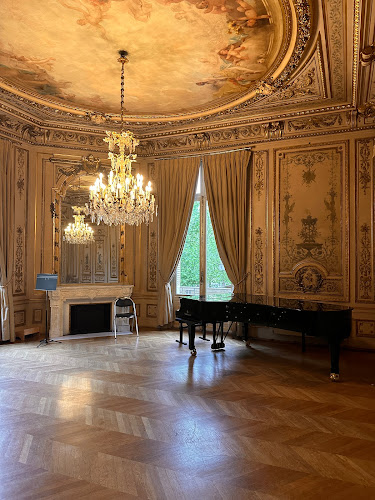
At 114 bis boulevard Malesherbes in the 17th arrondissement, the École normale de musique de Paris “Alfred Cortot” stands as one of Europe’s most prestigious private conservatories, founded October 6, 1919, by pianist Alfred Cortot and Auguste Mangeot to create an institution that would produce both concert performers and exceptional music teachers through pedagogical innovation that transcended traditional conservatory limitations. Housed since 1927 in a Belle Époque mansion donated by the Marquise of Maleissye, this extraordinary school demonstrates how individual artistic vision can create educational institutions that serve both immediate training needs and long-term cultural development through teaching excellence that influences international musical education while maintaining distinctly French artistic traditions.
Pedagogical innovation and international influence
Alfred Cortot’s legendary courses in musical interpretation established teaching methods that revolutionized piano pedagogy through approaches that combined technical mastery with profound musical understanding, proving that exceptional music education requires both mechanical precision and artistic sensitivity through instructional techniques that develop complete musicians capable of both virtuosic performance and interpretive depth. This pedagogical philosophy attracted students from around the world who sought training that transcended mere technical competence to achieve authentic musical artistry.
The école normale concept—intended to produce music teachers alongside concert performers—demonstrated how educational institutions can serve multiple cultural missions simultaneously through training programs that maintain performance excellence while developing pedagogical skills necessary for transmitting musical knowledge to future generations, proving that conservatory education achieves greatest social impact when performance training includes teaching preparation that multiplies artistic influence through educated instructors.
Salle Cortot and architectural acoustics
Auguste Perret’s 1929 design of the 500-seat Salle Cortot, described by the founder as “a hall which sounds like a Stradivarius,” created one of Paris’s finest concert venues through Art Deco architecture that prioritized acoustic excellence while maintaining aesthetic distinction. This architectural achievement proved that successful performance spaces require both engineering precision and artistic vision through design that serves musical expression rather than mere audience accommodation, creating environments where sound quality enhances rather than compromises artistic communication.
The collaboration between Cortot’s musical expertise and Perret’s architectural genius—architect of Théâtre des Champs-Élysées—created a concert hall that functions simultaneously as educational facility and professional performance venue, demonstrating how institutional architecture can serve multiple cultural purposes through spaces designed to support both student training and public artistic presentation within acoustically perfect environments that honor musical excellence through architectural excellence.
Distinguished faculty and artistic legacy
The school’s extraordinary faculty roster—including Nadia Boulanger, Pablo Casals, Georges Enescu, Arthur Honegger, Wanda Landowska, Charles Munch, and Jacques Thibaud—created an international center of musical excellence where the finest performers shared knowledge with emerging artists through teaching that combined world-class artistry with pedagogical expertise. This faculty concentration proved that exceptional educational institutions emerge when institutional vision attracts talent capable of both artistic achievement and educational excellence through teaching that serves both individual student development and broader cultural mission.
Ministry recognition and cultural diplomacy
This official status proves that successful private conservatories can complement rather than compete with state institutions when educational mission serves broader cultural purposes through teaching excellence that maintains both artistic standards and cultural diplomacy that enhances national artistic reputation while serving individual student development within international educational contexts that require both technical mastery and cultural sophistication integrated through world-class musical instruction.
Contemporary relevance and ongoing excellence
The school’s role in training both professional performers and music educators ensures its influence extends far beyond individual student achievement to encompass global musical education through graduates who carry Cortot’s pedagogical legacy to teaching positions worldwide, proving that exceptional conservatory education achieves lasting cultural impact through institutional excellence that serves both immediate artistic training and long-term cultural transmission through music education that honors traditional excellence while embracing contemporary artistic development within international educational contexts requiring both technical mastery and cultural sophistication.
Essential information
- Founders: Alfred Cortot (pianist) and Auguste Mangeot
- Establishment: October 6, 1919
- Location: 114 bis boulevard Malesherbes, 17th arrondissement
- Building: Belle Époque mansion (since 1927)
- Concert hall: Salle Cortot by Auguste Perret (1929)
- Capacity: 500-seat Art Deco performance venue
- Recognition: Ministry of Culture and Foreign Affairs support
- Mission: Training both performers and music teachers
Faculty and cultural significance
- Legendary teachers: Nadia Boulanger, Pablo Casals, Georges Enescu
- Composers: Paul Dukas, Henri Dutilleux, Arthur Honegger
- Performers: Philippe Entremont, Zino Francescatti, Jacques Thibaud
- Acoustic excellence: “Hall which sounds like a Stradivarius”
- International influence: Students and faculty from worldwide
Visionary pedagogy creates international musical excellence
The École normale de musique de Paris embodies the transformative power of visionary musical education when pedagogical innovation meets exceptional faculty talent, where Alfred Cortot’s 1919 foundation created a conservatory that proved private institutions can achieve international recognition through teaching excellence that serves both individual artistic development and broader cultural mission of maintaining French musical tradition while attracting global talent. This extraordinary school demonstrates how educational institutions transcend their founders’ individual achievement to become cultural institutions that influence international musical development through pedagogical approaches that combine technical mastery with interpretive depth, creating musicians capable of both virtuosic performance and effective teaching that multiplies artistic influence across generations of students seeking authentic musical education. For classical music enthusiasts, musical education admirers, or anyone interested in how exceptional teaching can generate lasting cultural influence, this prestigious conservatory offers an unparalleled encounter with pedagogical excellence, where Salle Cortot’s Stradivarius-quality acoustics and legendary faculty instruction demonstrate how architectural excellence and educational vision can unite to create institutions that continue shaping international musical culture through graduates who carry French artistic tradition to performance halls and teaching studios worldwide, proving that the finest educational institutions achieve immortality through ongoing excellence that serves both immediate student development and long-term cultural transmission within belle époque settings that honor both historical musical tradition and contemporary artistic innovation.