
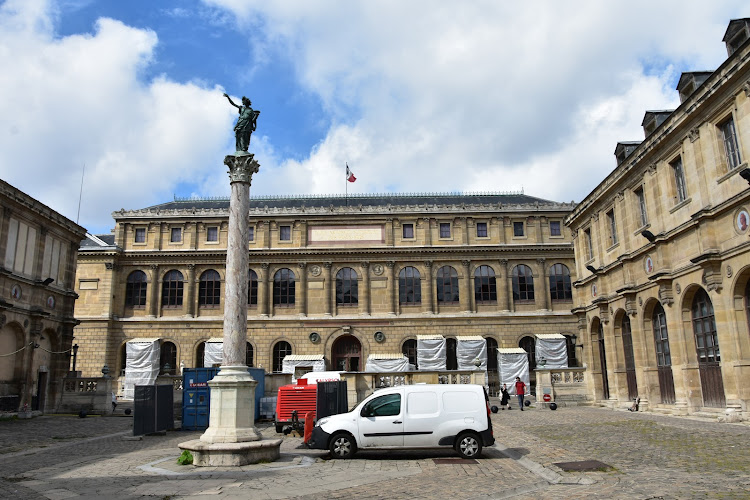
Description
Located in the heart of the 6th arrondissement, the École des Beaux-Arts is a must-visit for any art lover. Established in 1871, the École is one of the oldest institutions of higher learning in France and is home to a number of important art collections. As the oldest art school in Europe, having been founded in 1623 by Louis XIII, the École des Beaux-Arts has played a significant role in shaping the artistic landscape of France.
The École’s impressive collection includes works by renowned artists such as Jean-Baptiste Carpeaux, François Boucher, and Jean-Baptiste Greuze. Visitors can marvel at the intricate details of each piece, gaining a deeper understanding of France’s artistic heritage. The École’s location just south of the River Seine provides a picturesque backdrop for a day of cultural exploration.
In addition to its impressive collection, the École des Beaux-Arts is also home to a number of exhibitions throughout the year, showcasing contemporary artists and their work. These exhibitions provide a unique opportunity to experience the latest trends in the art world, while also appreciating the timeless beauty of the École’s permanent collection.
Overall, the École des Beaux-Arts is a must-visit for anyone interested in the rich artistic history of France. With its impressive collection and stunning location, the École is a true gem in the heart of Paris.
Key Features
- The École maternelle, located in the 6th arrondissement, is a historic preschool with a rich cultural heritage dating back to [year].
- Visitors can explore the unique architectural features of the building, which showcase [specific architectural style or design].
- The museum's collection includes [highlighted items or themes], providing insight into the history and evolution of preschool education.
Accessibility and Amenities
- The museum is equipped with wheelchair-accessible entrances and facilities to ensure a comfortable experience for visitors with disabilities.
- Amenities on-site include restrooms, a cafeteria offering light refreshments, and a gift shop with educational materials and souvenirs.
- Visitors can take advantage of audio guides available in multiple languages, enhancing the understanding of the museum's exhibits.
Planning Your Visit
- To avoid crowds, it is recommended to visit the museum during weekdays in the morning or late afternoon.
- On average, visitors spend approximately [average time] exploring the museum and its exhibits.
- A suggested itinerary includes starting with the historical exhibits, followed by a guided tour of the architectural highlights, and concluding with a visit to the gift shop for unique souvenirs.